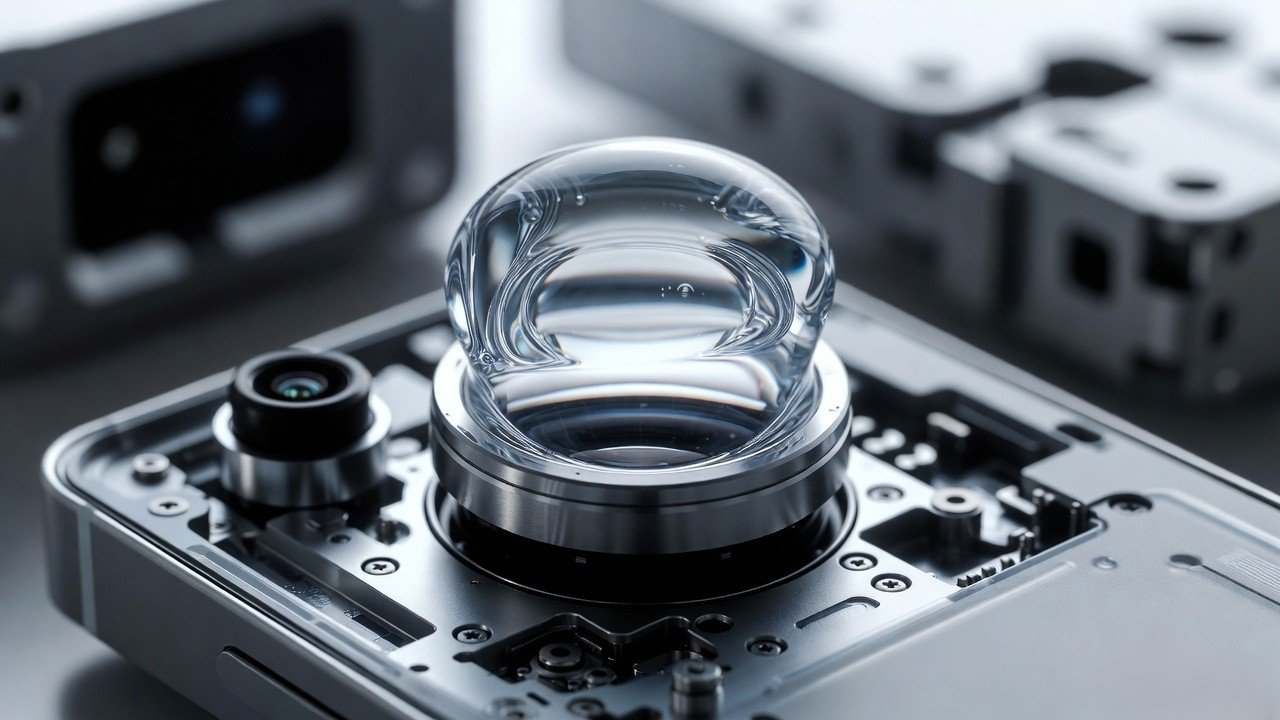
The “liquid lens” concept appears to resemble an invention from a science fiction film. The S26 Ultra showcases this technology as its most realistic and fascinating upcoming development. This technology uses a specialized fluid instead of rigid glass which requires physical motor movement to control light bending.
The Eye-Inspired Mechanism

Traditional lenses work like a telescope, moving glass back and forth to focus. A liquid lens works like a human eye because it can stay still while changing its curvature to focus on objects. A cell of optical-grade fluid can create bulging or flattening effects which happen within milliseconds after electrical current application.
Instantaneous Autofocus

The system focuses instantly because it lacks heavy glass parts which need to move backward and forward. In S26 Ultra devices the “hunting” effect which causes temporary camera blurring before subject focus would become nonexistent through advanced technological improvements.
A Single Lens for Multiple Jobs

Macro (close-up) and Telephoto (zoom) shots require separate lenses according to standard practice. A liquid lens can deform enough to handle both. The S26 Ultra could use one high-quality sensor to capture everything from 3cm insect macro shots to 10x distant building optical zoom according to this rumor.
Eliminating Camera “Wobble”

Mechanical focus motors create small vibrations which lead to blurry photographs. The liquid lens design provides better stability because it contains no moving components. The system creates sharper images because zooming at extreme magnifications makes every small vibration more noticeable.
The “Slimmer Ultra” Design
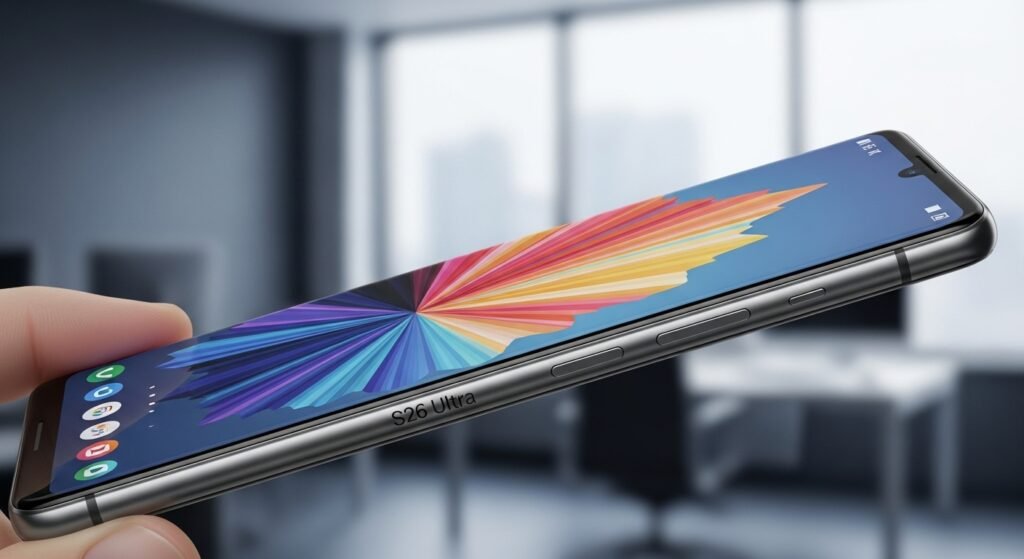
Periscope zoom lenses occupy significant horizontal space throughout a smartphone design. The “camera bump” reduction would allow Samsung to achieve phone thickness decreases through single liquid cell use instead of multiple glass element replacements which maintain zoom performance.
Superior Low-Light Zoom

Glass lenses become less efficient at transmitting light when their design becomes more intricate. The liquid lens system can design wider apertures because it needs fewer total material layers to function. The S26 Ultra would enable users to capture brighter “Nightography” zoom shots which display less grain than existing models.
Silent Operation

People who record audio in quiet spaces while holding their phone to their ear have encountered the subtle sound of camera motor operation. Liquid lenses operate silently which enables videographers to achieve clean audio recording without any mechanical sounds.
Extreme Durability
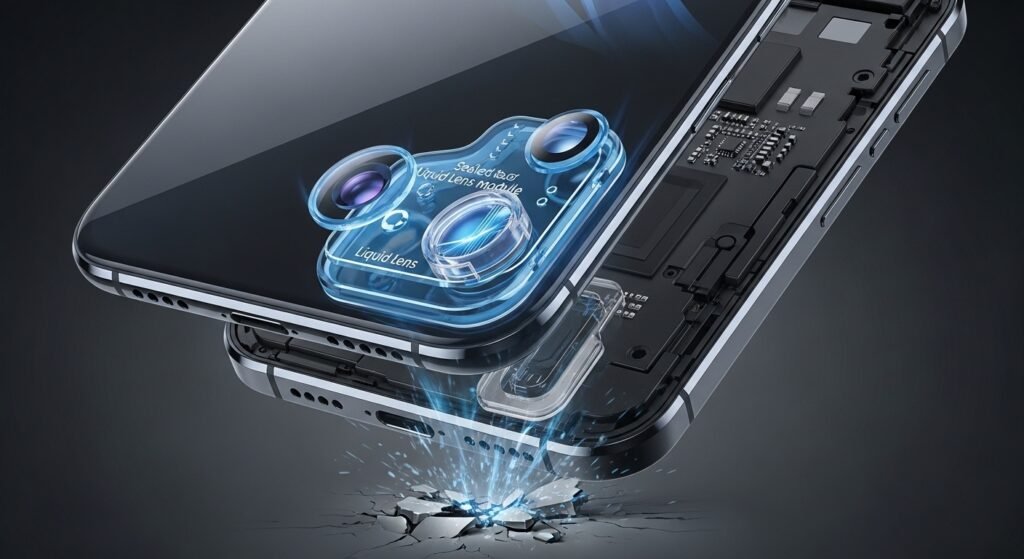
Smartphone cameras usually fail because mechanical motors become broken after phones experience drops. Liquid lenses withstand physical shock because they function as sealed fluid pods without gears or tracks which encounter traditional wear and tear over time.
Infinite Focus Planes

Standard lenses have “steps” in their focus range. A liquid lens functions as an “continuously variable” system which enables it to produce infinite focus points. The system produces smooth “focus pulls” in video because it transitions between foreground and background objects with cinematic fluidity.
Better Thermal Performance
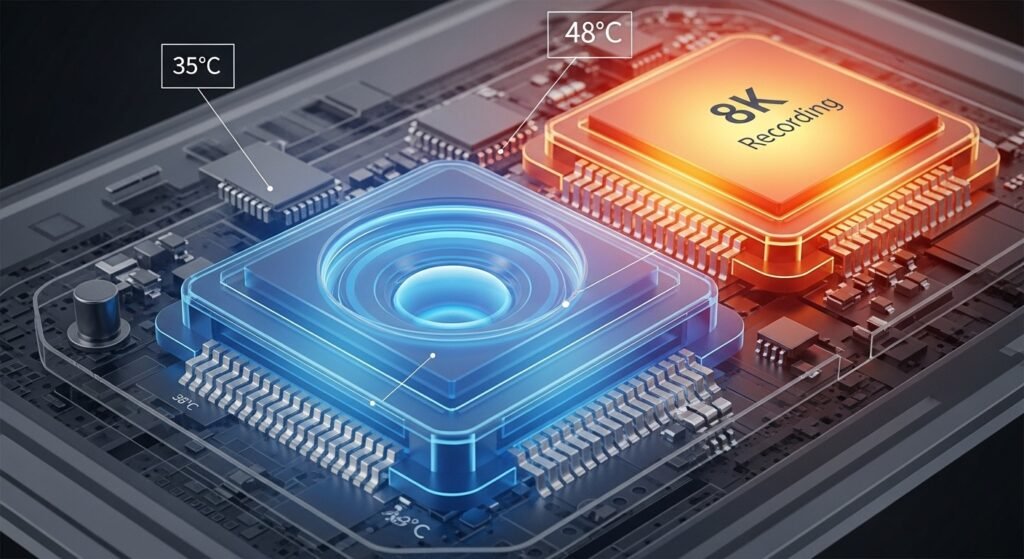
Mechanical focus systems generate heat when used heavily (like during long 8K video sessions). The camera module remains cooler because liquid lenses maintain their shape with minimal power needs which protects the phone from performance throttling during video recording.