
The relationship between game developers and players is undergoing a massive shift as the demand for openness grows. Modern audiences demand studios to present all game elements because they will not accept anything less than complete transparency. The new accountability standards are transforming all aspects of game development which includes marketing and ongoing game support.
Clear Pricing in Real Money

Players want to understand their real money expenses without using complicated virtual currencies that create confusion. Studios must reveal which real-world prices match their virtual currency items that include “gems” and “coins.” The feature helps players control their budget by stopping unintentional extra expenses during their gameplay.
Open Communication on Delays

Players want to know the reasons behind project delays instead of dealing with “silent” delays. The community shows better support when studios explain which technical issues they face or describe employee burnout situations. The game development process requires honest communication to stop toxic hype cycles which end in disappointment.
Fairness in Loot Boxes
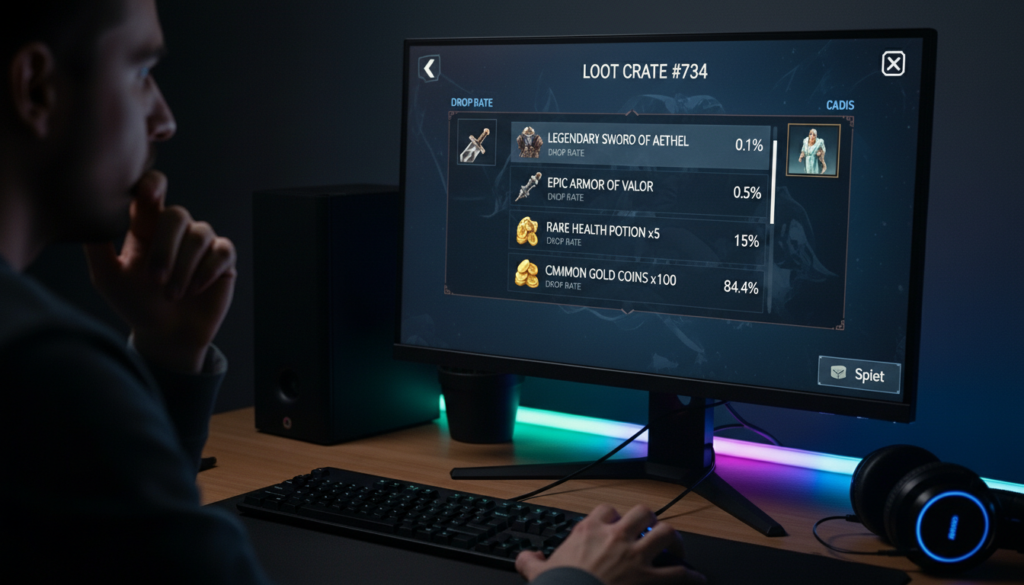
The unclear nature of loot boxes creates a major conflict between players and developers. Studios must reveal actual drop rates for every item contained in their randomized packs. The feature permits players to evaluate whether a purchase presents an acceptable level of potential danger.
Data Privacy and Security
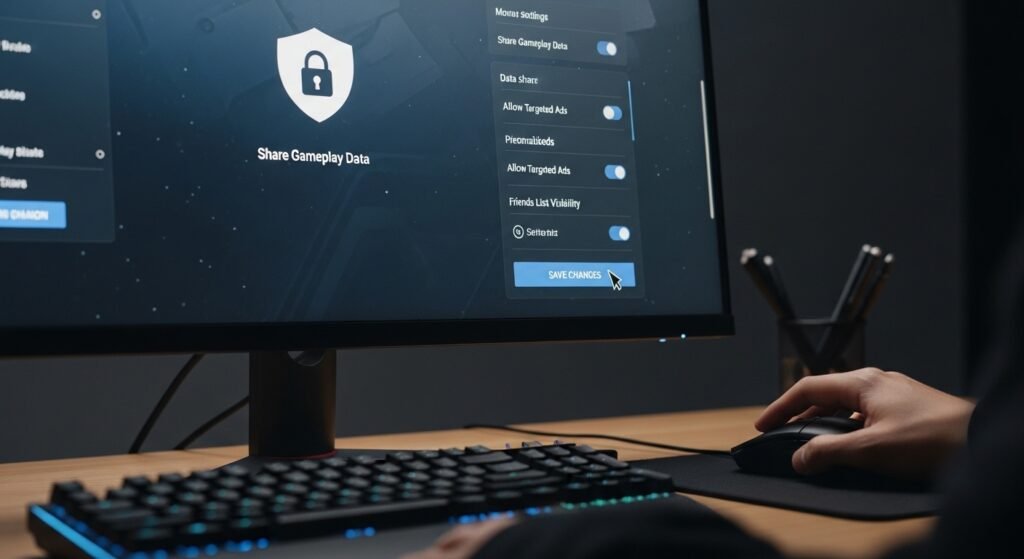
Players want to know about data collection practices which include tracking of their personal information because games now gather more personal data than ever. Studios must explain their data storage methods and their data sharing procedures to others. The industry standard now requires stronger privacy dashboards that help organizations develop lasting customer trust.
Realistic Development Timelines

The long periods when developers remain silent lead to rumors and developer frustration. The developers participate in regular updates through “behind-the-scenes” content and developer blogs which help to establish communication with the audience. The studios show their development process through work-in-progress updates to create human connections with players while controlling their expectations.
Detailed Patch Notes

The game needs better patch notes than “bug fixes and stability improvements” because this description fails to explain what changes were made. Players want to see the specific math behind character nerfs or weapon changes. The developers outline their balance system through detailed notes which help the community comprehend their approach.
Accessibility Standards
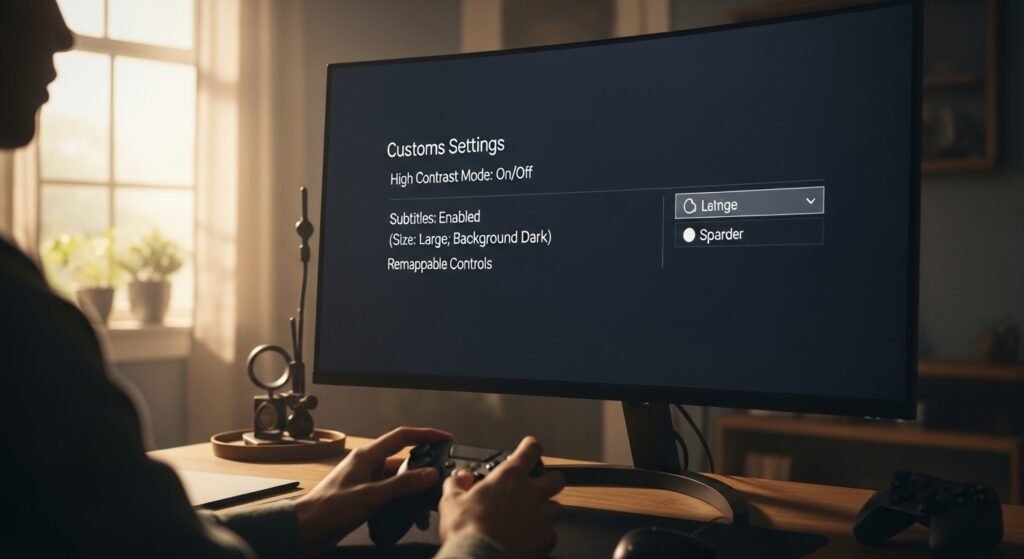
The game needs to provide transparency about accessibility requirements to reach its full potential. Players now look for detailed accessibility menus before they even buy a title. Studios that list features like high-contrast modes or remappable controls show their commitment to all players by informing them about these features before they enter their sales process.
Ethical Monetization Models
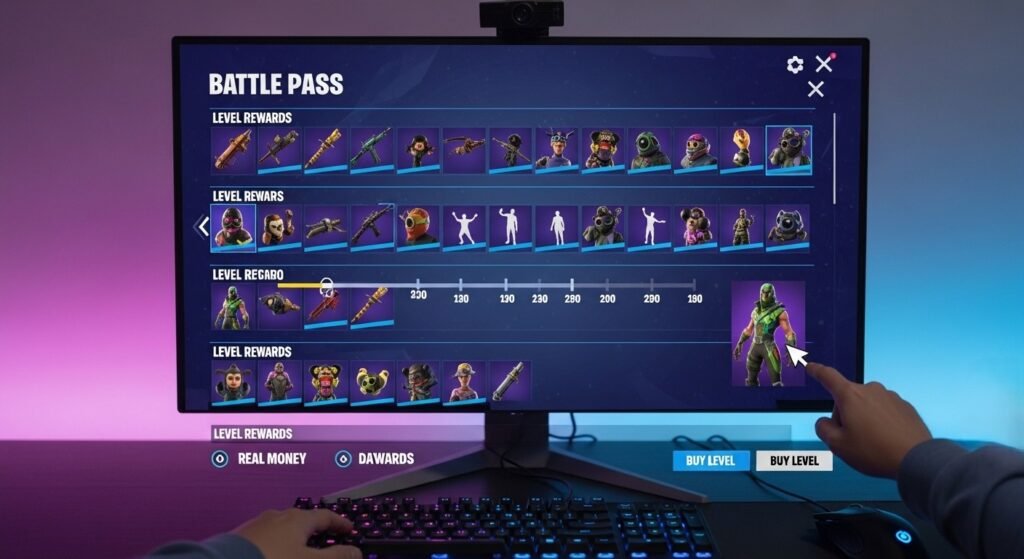
The “pay-to-win” era is facing a steep decline as players demand fair competition. Studios are moving toward cosmetic-only shops and transparent battle passes where rewards are visible upfront. The feature allows players to succeed based on their actual game skills instead of their financial resources.
Accountability for Studio Culture

Players want to learn about behind-the-scenes ethical matters which include fair wages and safe work conditions. Studios that share their workplace culture improvement initiatives create a more dedicated fan base. The practice of transparent business operations has become a marketing point which attracts many environmentally aware consumers.
Meaningful Feedback Loops

The community expects their reports about bugs and feature requests to receive permanent recognition from the studio. Studios that use public “roadmaps” or feedback trackers show that they are actually listening. The organization uses a collaborative approach to assist players in becoming active partners instead of being regular customers.