
Walk into any corporate office today, and you’ll hear the same worried question: Will AI take our jobs? Optimists point to new roles emerging, pragmatists highlight productivity gains, and pessimists fear entry-level knowledge work disappearing entirely. But a bigger, quieter shift is already underway. Enterprise AI systems are quietly capturing how employees think and work, turning personal expertise into company-owned assets. This changes the power balance between workers and employers in ways many haven’t fully grasped. Here are 10 critical points from the ongoing discussion.
Enterprise AI Captures Far More Than You Realize

Inside regular software, tools like Microsoft Copilot track actions in office programs – typing requests, building reports, shaping emails, working on proposals, talking with clients, and logging decisions. Same place where Salesforce’s Einstein picks up activity – saving searches, shaping notes, recording thoughts, moving tasks forward.
Your Expertise Becomes Institutionalized

Your past – full of years at work, smart fixes, successful paths – is slowly woven into machines that watch over the office. If you step away, bits of what you knew take root there, waiting, usable later by whoever comes next.
The System Learns Your Methods
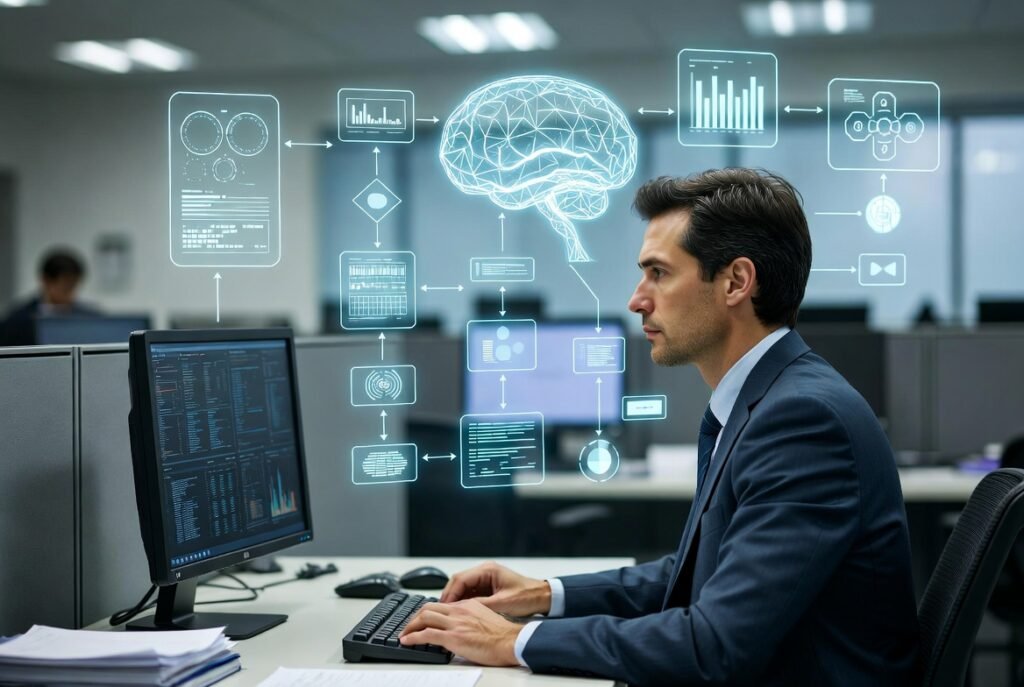
What happens with AI isn’t only about saved results. It watches your process while tackling issues – the questions you start with, how you adjust your searches, the flow linking symptoms to fixes. With repeated use, something like a sketch of your thought pattern forms quietly behind the scenes.
Your Junior Workers Get Guided by Your Captured Knowledge

now shapes how junior workers learn. Guidance flows from insights gathered over time.
The system helps younger team members gain confidence quickly by using past approaches, avoiding reliance on your learning curve and mistakes.
This Makes Experienced Workers More Replaceable

Skills aren’t gone, just locked into official, repeatable formats by the business. When tools start sharing your go-to methods with others, what you bring alone begins to narrow. Pieces of the job? Some parts already run on code without waiting.
Employers Gain a Competitive Edge and Control

Firms push fast to bring enterprise AI, aiming at better output or edge, yet usually hide how worker efforts are gathered and kept. This insight turns into long-term company property locked behind corporate doors.
Employees Are Responding in Secret

A few employees already lean on private AI assistants – like ChatGPT or Copilot – not just for quick answers but also to map out ideas, test logic, work through problems silently. These tools stick around because they help build new thinking without shouting it from the office floor. Insights often remain personal, shifting between minds.
Personal AI Tools Flip the Dynamic
Your prompts stay under your control when using standalone personal tools instead of company-wide systems. Skills gained here do not vanish with job changes because they travel forward, ensuring a steady professional worth.
Negotiation and Transparency Are Becoming Critical
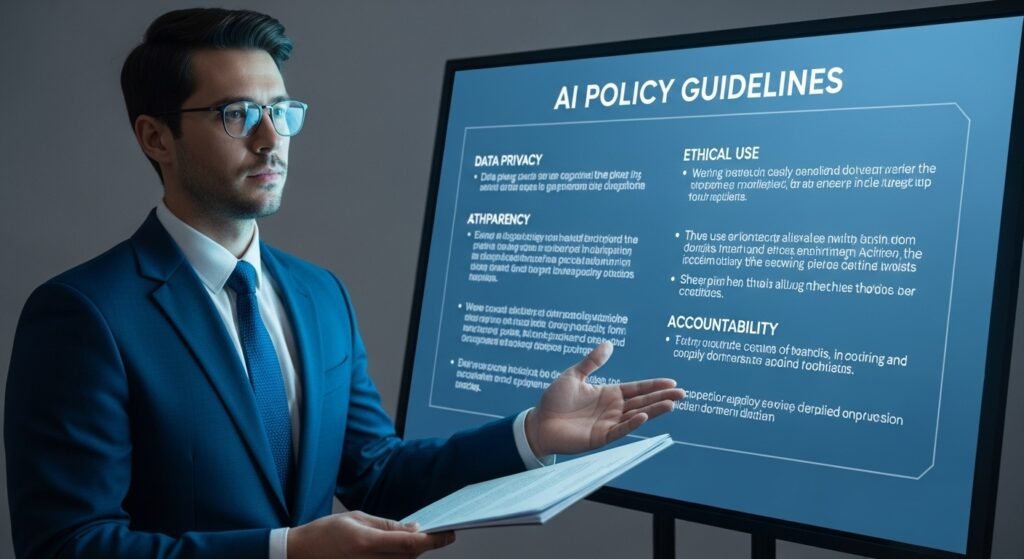
Starting work, employees might want to know how AI is used there. What kind of data does the company collect? Retention lengths matter too – how long does that information stay around? Using personal devices for coding tasks – is that allowed? Some businesses still wonder how it will work out, leaving space to shape things from the start.
Collective Action Could Shift the Balance
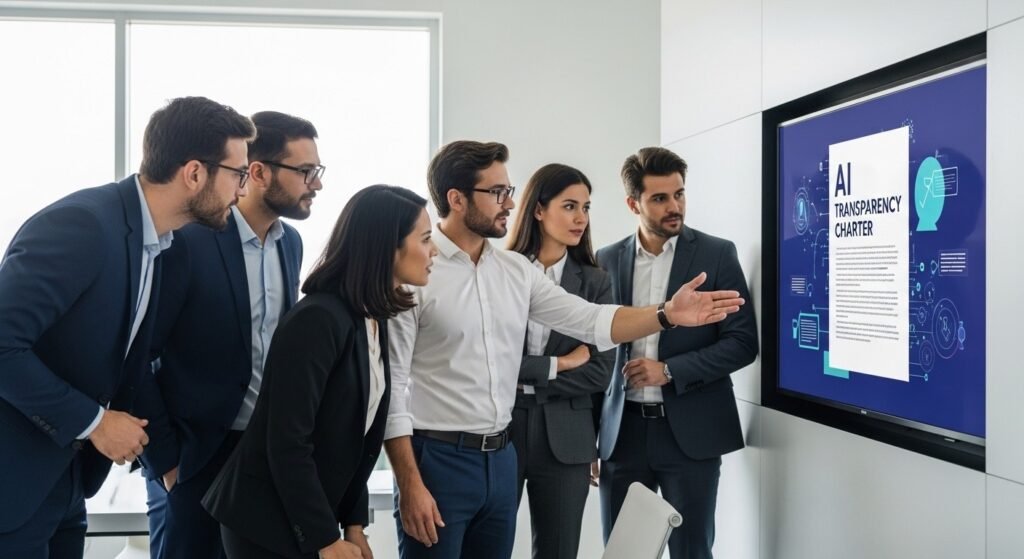
When people can’t leave on their own, teams like worker unions or professional bodies could step in. These organizations might insist on clear information, proper payment for shared ideas, and safeguards. If no one pushes together, individuals may agree to conditions that quietly change what their jobs involve.