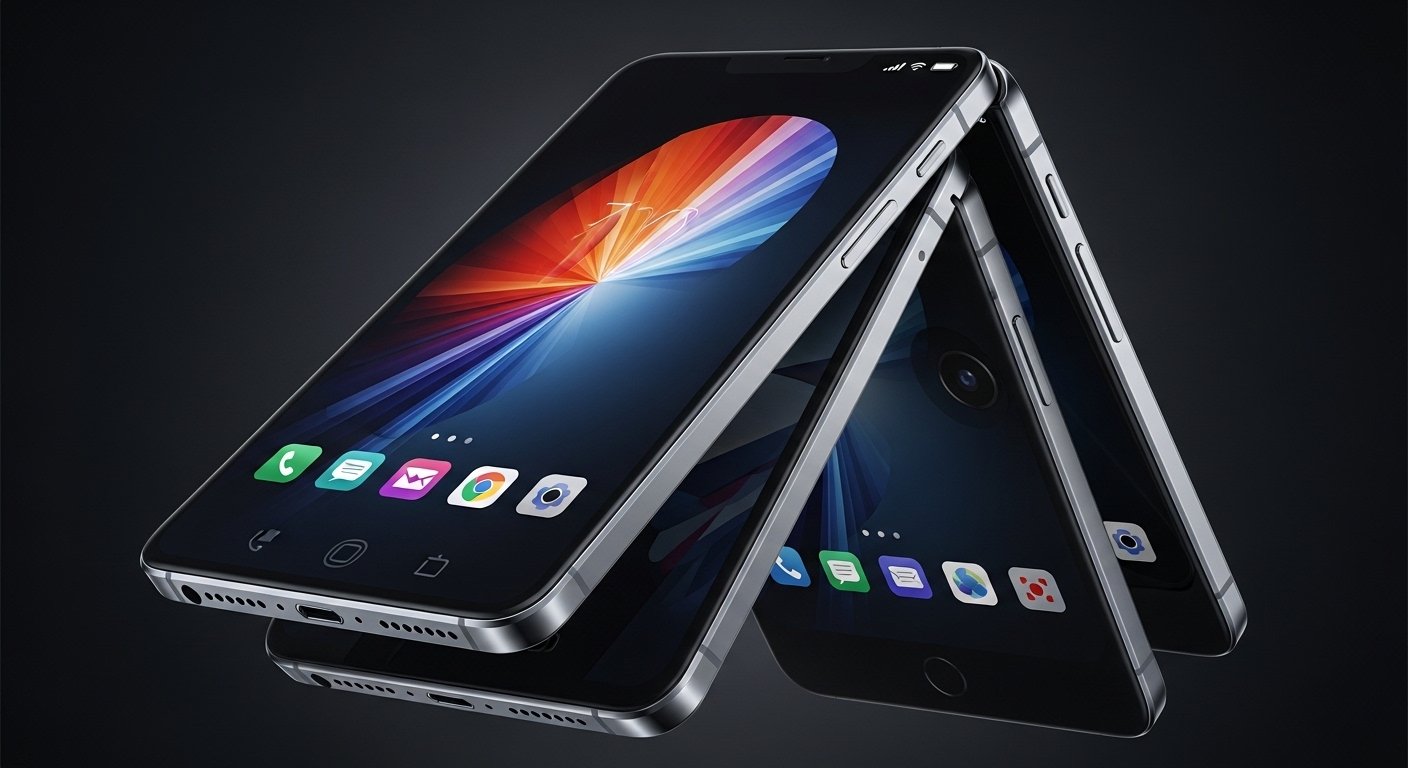
The mobile industry has reached a critical point where standard glass slabs have achieved their maximum potential. Samsung plans to use its future product development for creating devices which combine the functions of both mobile phones and tablets into one product. The S26 Ultra will become the last major creation from traditional design elements because the market will shift toward advanced tri-fold design systems.
The Ceiling Has Been Reached For Slab Design
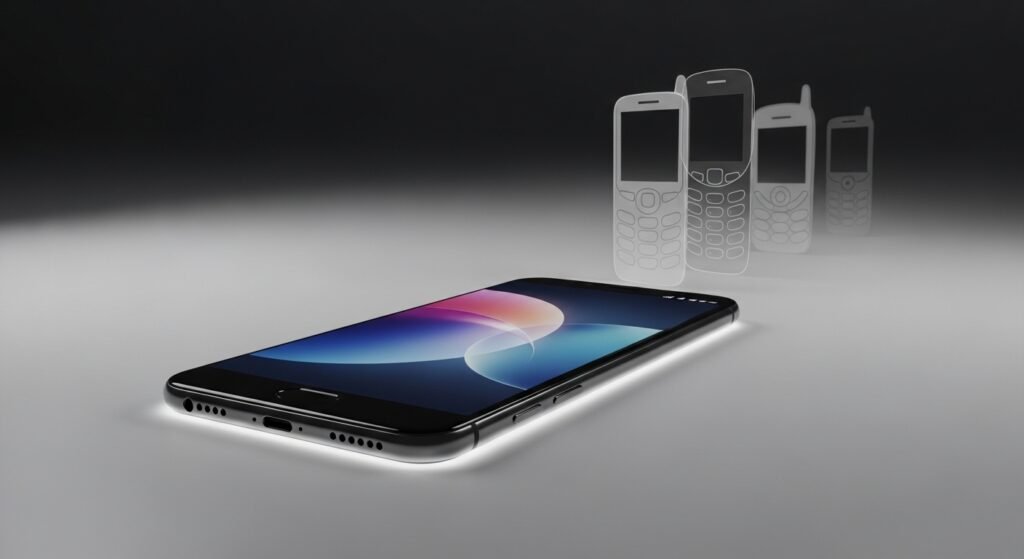
The current design of smartphones has reached its final point which leaves no space for major innovative developments. The only method to provide users with a larger experience exists in hardware design changes because the display technology has reached its full brightness level and the bezels have become almost invisible.
The Rise of the Tri-Fold Form Factor
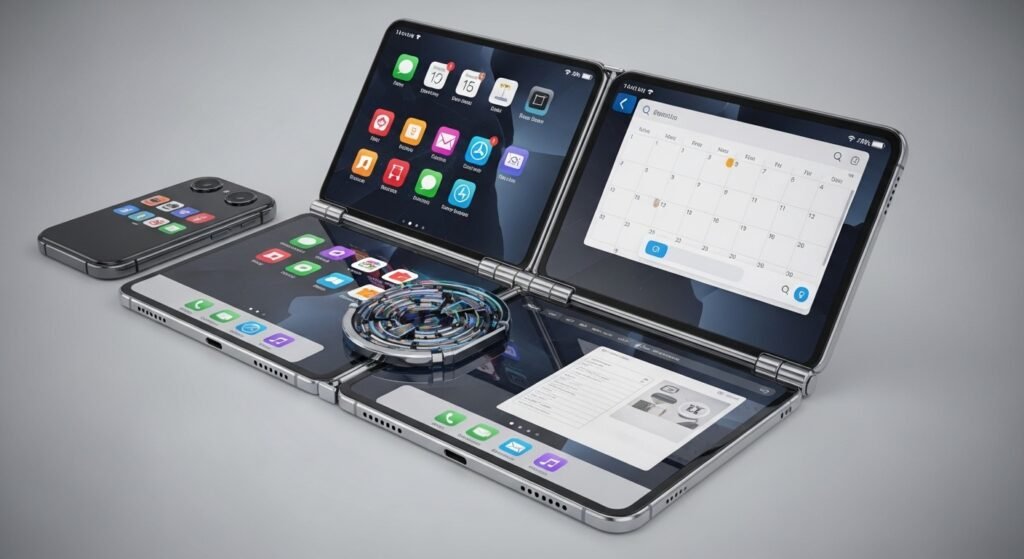
A tri-fold device demonstrates its ability to develop into a full-sized tablet through its two-screen display. Samsung has developed display technology throughout the years which provides users with more productive power than any combination of faster processors and better cameras found in conventional phones.
Competing with Emerging Rivals
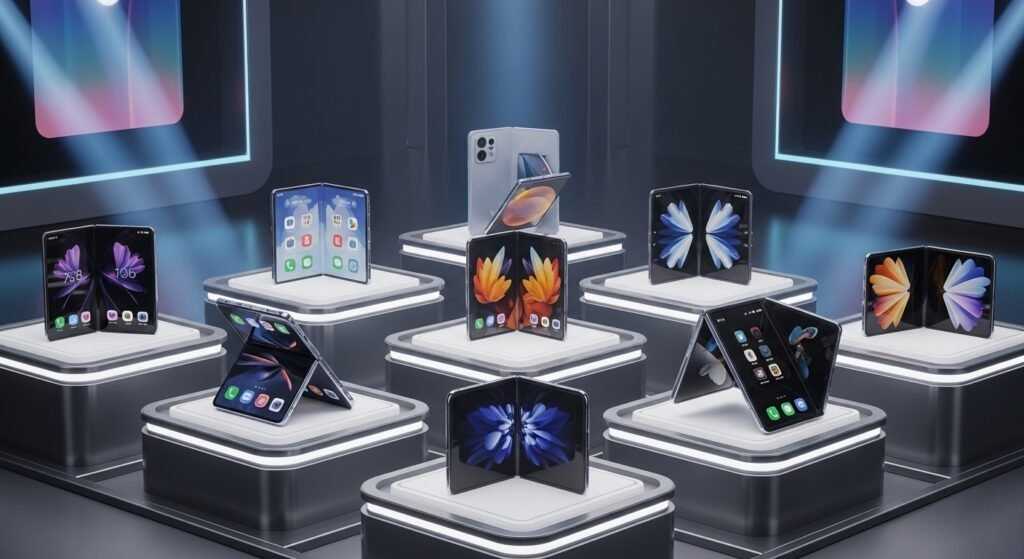
Samsung faces pressure to reclaim its status as the leading display manufacturer because international competitors have started demonstrating their tri-fold design and production capabilities. The company must develop a product that transgresses beyond its existing “Ultra” slab to maintain its competitive advantage.
Maximizing Screen Real Estate
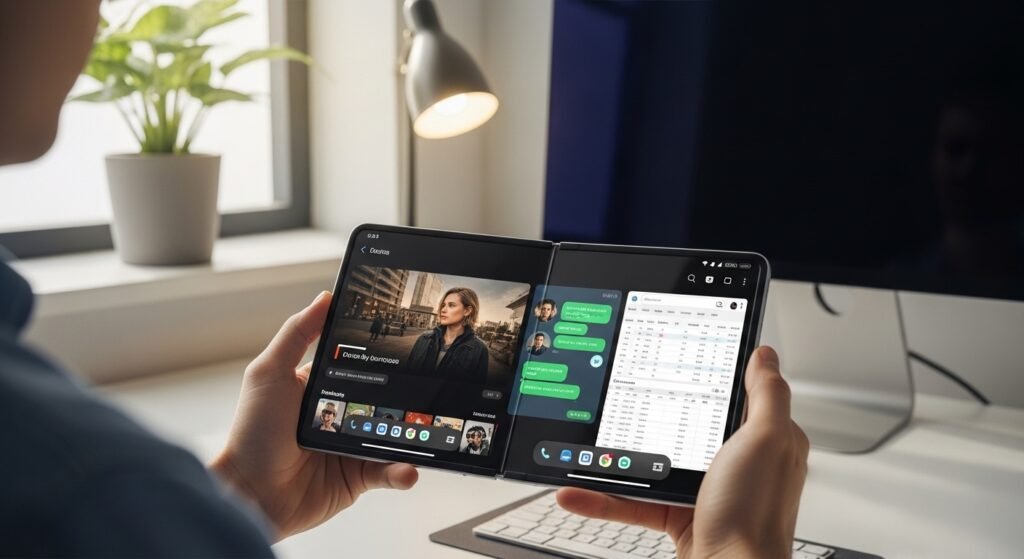
The S26 Ultra cannot reach beyond user pocket dimensions, which makes tri-fold design solutions necessary for extending its display range. The device uses three folds to create an extensive display area that users can use for both media viewing and multitasking purposes while maintaining an easy-to-carry design in its closed state.
Convergence of Phone and Tablet
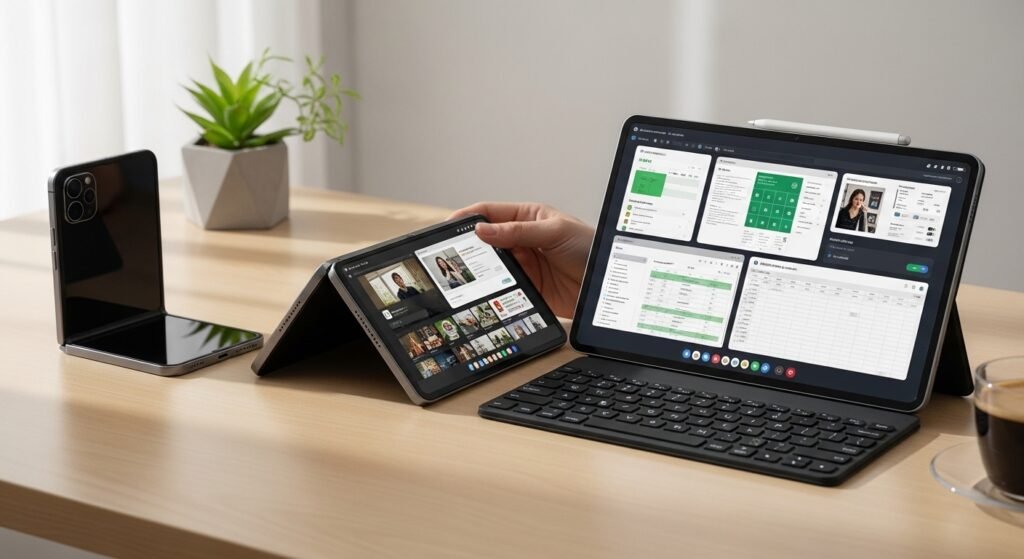
Samsung has developed a strategy to create a universal device which performs all required functions. Most advanced users will stop needing separate Ultra smartphones and Galaxy Tabs when a tri-fold serves as their phone, mini-tablet, and complete workstation.
Maturation of Durable Display Materials
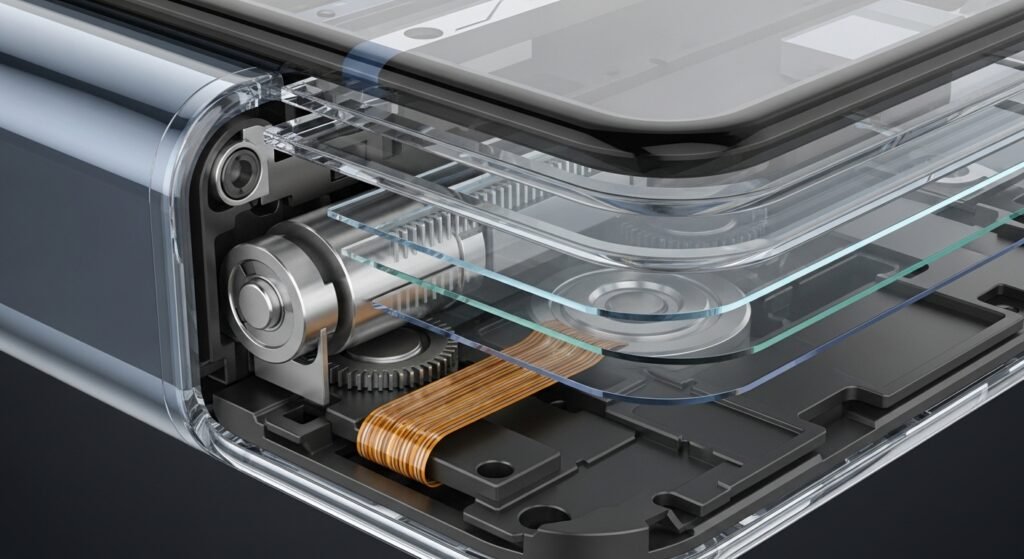
Tri-folds have experienced their main difficulties because designers need to create hinges which maintain both their required thinness and their essential durability. The S26 Ultra successor finally achieves daily usability standards because recent developments in ultra-thin glass and stronger hinge mechanisms enable designers to create thin models.
AI Demands More Space

Humans need additional display areas to operate multiple artificial intelligence tools when AI becomes the primary user experience. The tri-fold screen provides the necessary “digital desk” space that a traditional single-screen phone simply cannot match.
Efficiency in Manufacturing

Samsung can improve its production processes by concentrating on its premium tri-fold product. The company can produce its most advanced technology through a single revolutionary folding flagship device instead of developing both a high-end slab and several foldable products.
The Portability Paradox
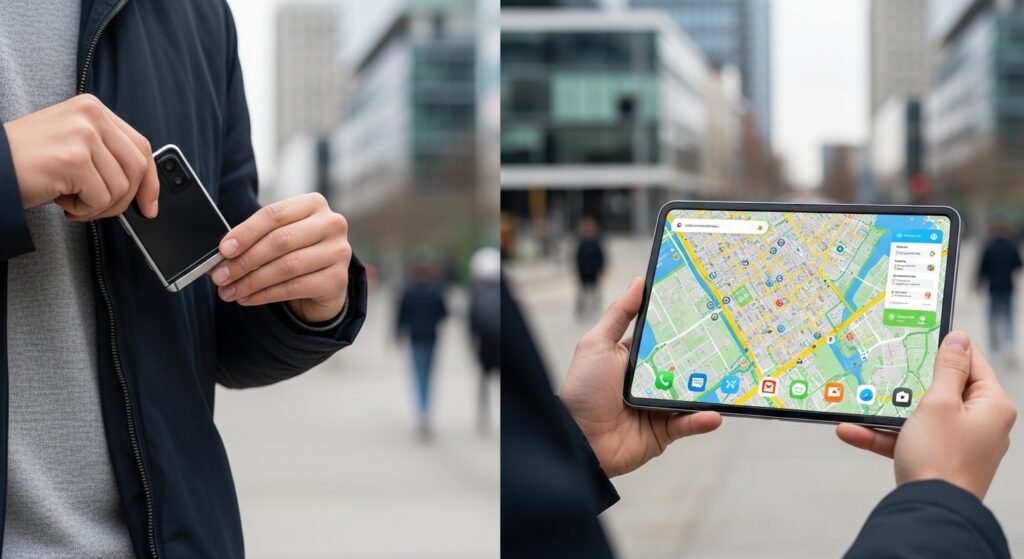
Users want devices which can provide them with bigger displays while maintaining smaller product sizes. The S26 Ultra represents the maximum size for a standard phone because its dimensions exceed what users consider manageable. The tri-fold era solves this paradox by offering a ten-inch screen that still fits in a standard pocket.
Defining the Next Decade

Samsung uses its major product launches to introduce new technology cycles for upcoming years. The company will establish itself as the leader of the “multi-fold” decade when it moves beyond traditional slab designs with its post-S26 Ultra product launch.