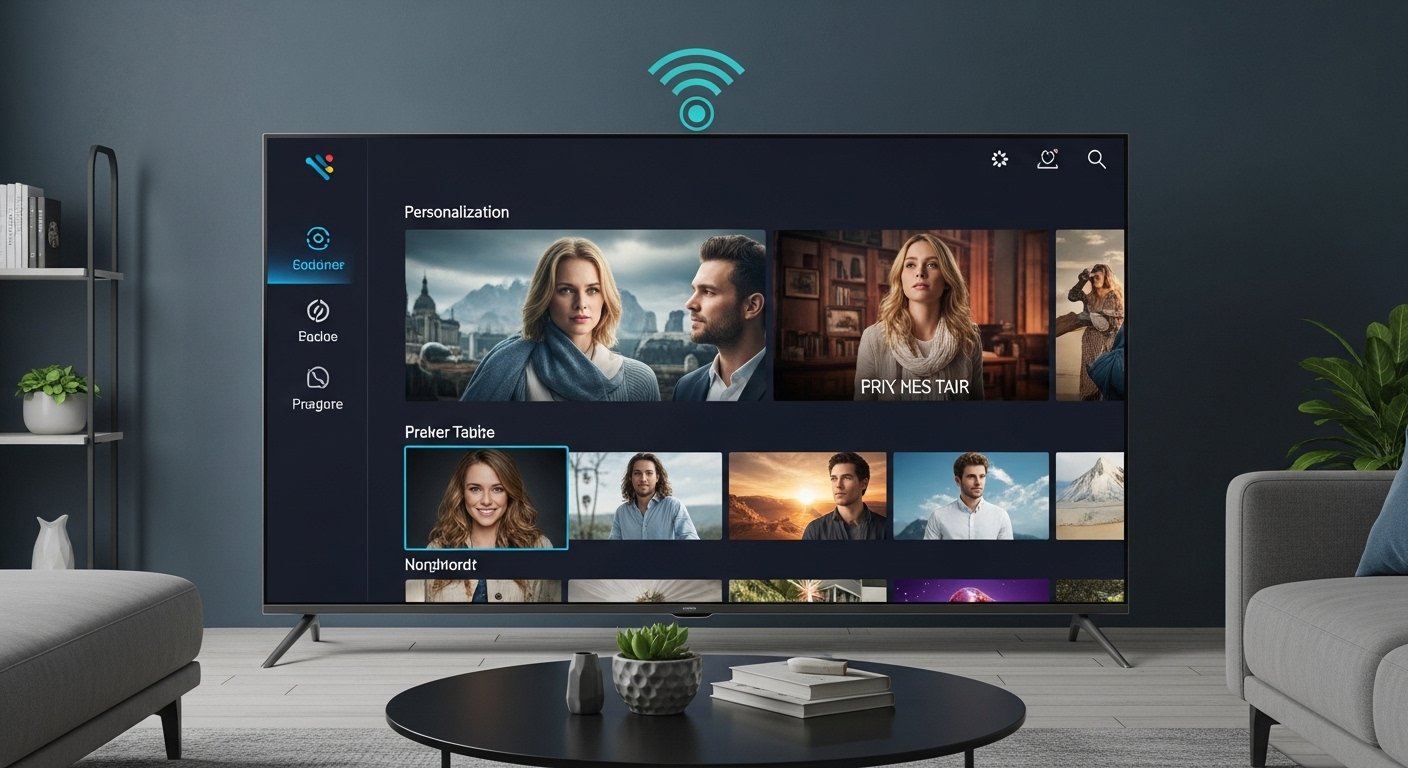
Your television now functions as an advanced data collection device for your living room instead of serving its original purpose as a movie display device. Modern television sets use sophisticated software systems to monitor your viewing patterns and your actual surroundings which they use to create a digital representation of your household. The features which companies advertise as “personalization” purposes exist mainly to transform your private viewing sessions into market research data which advertisers can use to understand consumer behavior patterns.
Automatic Content Recognition

Smart TVs use technology called ACR to “see” every pixel on your screen. The system detects your current viewing activity which includes your live television broadcast and your streaming content and your DVD playback and it sends that information directly to the manufacturer in real time.
Tracking Your Voice Commands
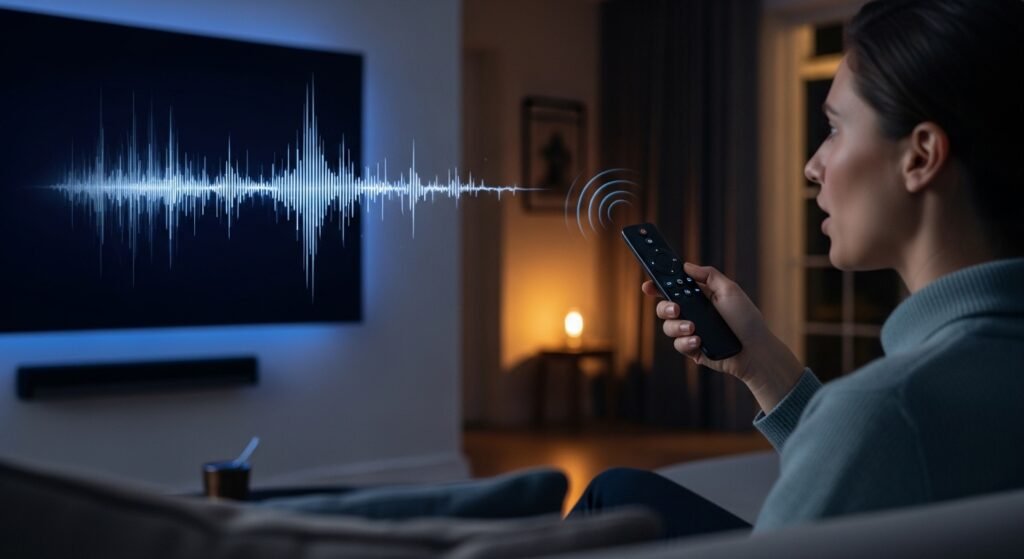
The microphone records your search request when you use the voice remote to find a show. Some systems listen for “wake words” while you have the remote in your hand which leads to unintentional recording of private discussions.
Building an Advertising Profile
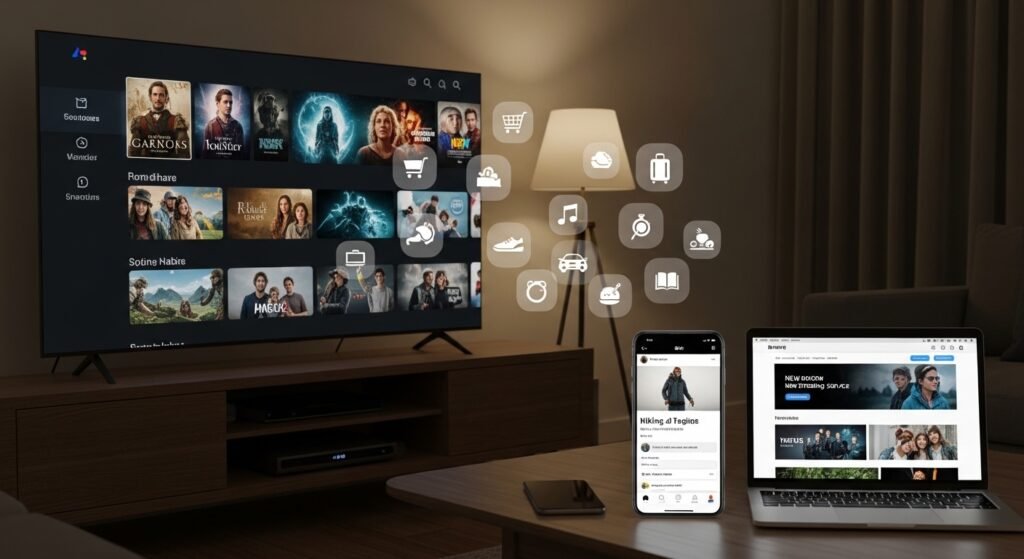
Your TV generates a personality profile by monitoring the types of movies you watch and the actors you enjoy and the news networks you like to watch. Data brokers buy this information from the company which then targets you with advertisements that appear on your smartphone or laptop based on your television viewing history.
Monitoring App Usage
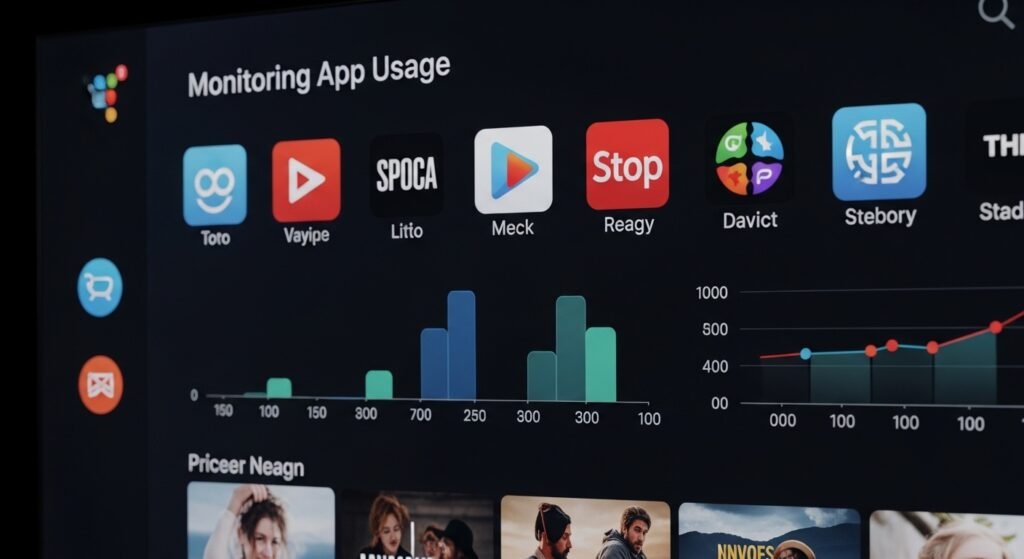
The television monitors your app usage by recording your total time spent on different applications and tracking your menu navigation through button selection. The results allow companies to determine which streaming platforms you are likely to subscribe to while identifying which platforms you actively avoid using which will shape their upcoming pricing strategies.
In-Screen Cameras

Some premium television sets contain integrated cameras which enable users to conduct video calls and control their devices through gestures. Security risks arise from built-in cameras because they enable hackers and insecure applications to gain unauthorized access to your home through these unprotected devices.
Selling Your Physical Location
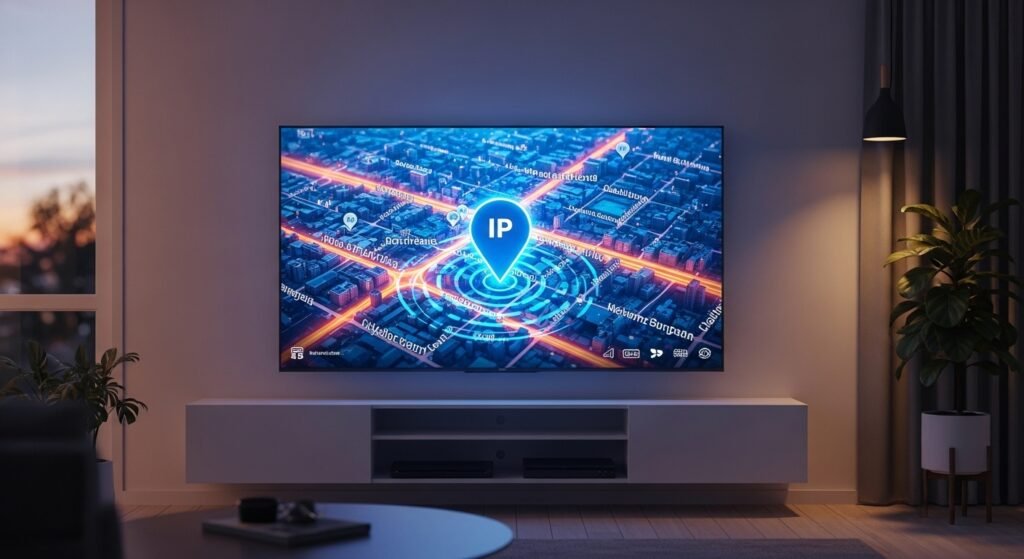
The IP address of your television provides information about your approximate location. Advertisers use this data to display regional advertisements which enable them to monitor the economic status and demographic characteristics of your area for optimal marketing execution in areas where they expect higher returns.
Software Update “Sneak-ins”
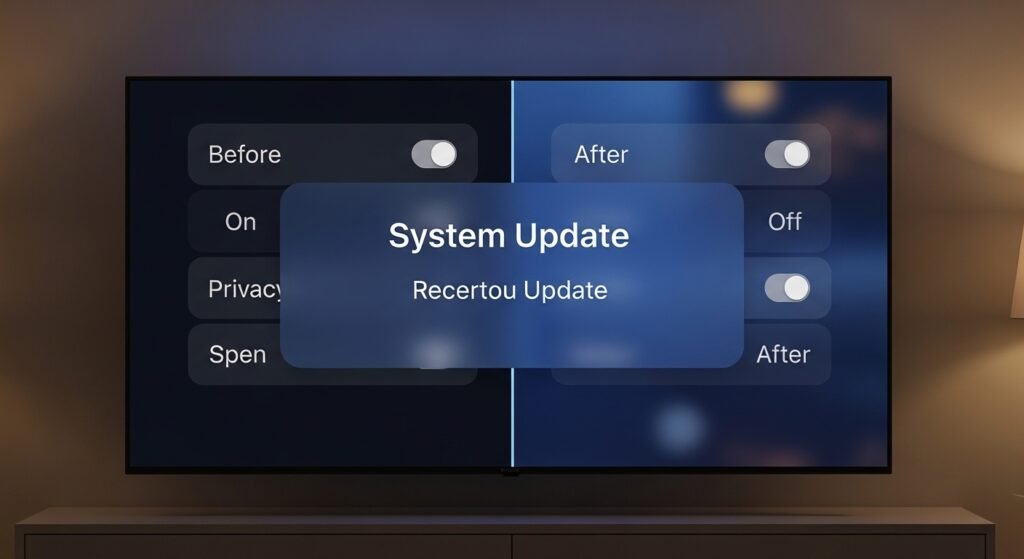
System updates from manufacturers require users to restore their privacy settings back to original factory settings. A new update can reactivate data collection functions which you previously disabled at purchase without notifying users who opted out of data collection.
Physical Activity Tracking
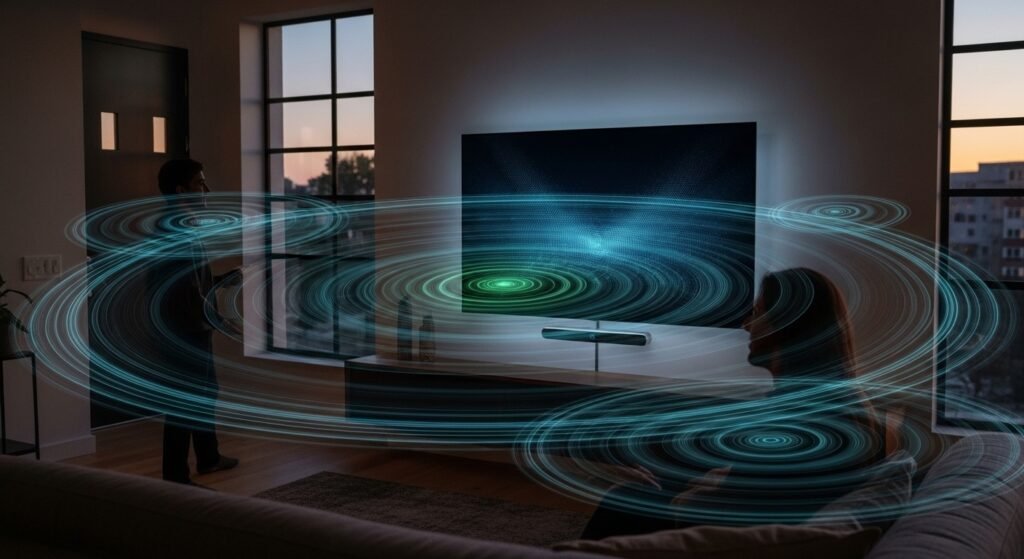
Modern televisions equipped with motion sensors can detect the presence of individuals who enter their viewing area. The method enables the manufacturer to determine the number of people watching at specific times which provides insights into your home’s daily schedule.
Linked Device Discovery
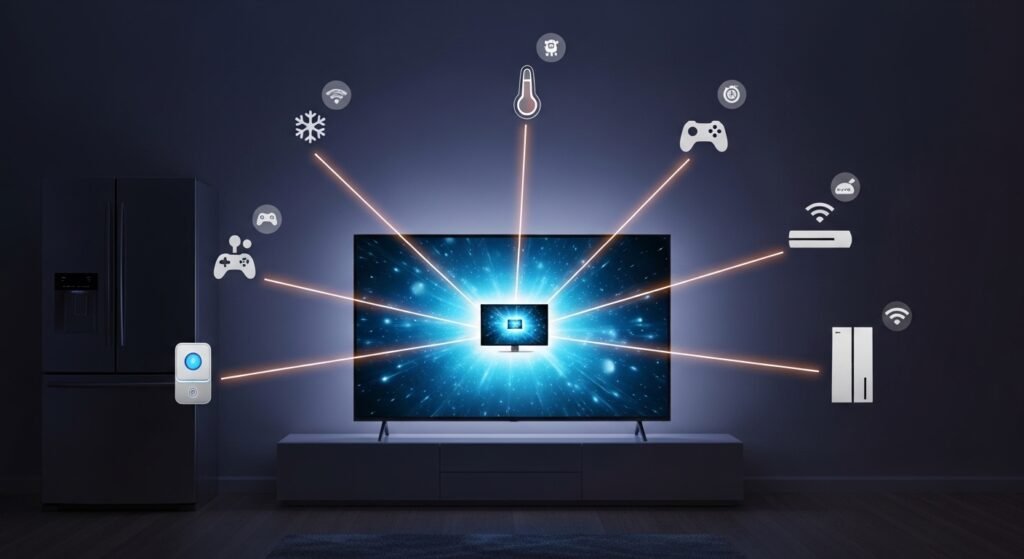
Your Smart TV obtains an overview of networked devices after establishing a connection to your Wi-Fi network. The system enables detection of your smart fridge and thermostat and gaming console which enables the manufacturer to create an overview of all technological systems operating within your home.
The “Always-On” Connection
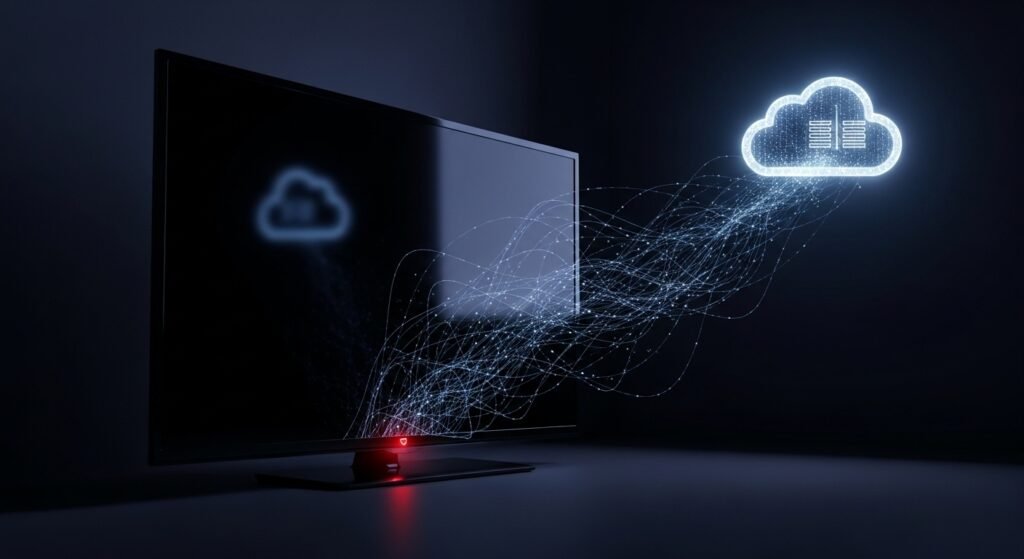
Your television enters a standby mode after you switch it off which keeps the device operational at a minimal energy level. The system functions as a data collection instrument during this phase because it transmits collected information to servers while receiving updates for ad-tracking software during nighttime hours.