
The habit of hitting “delete” on every unwanted email feels like a quick way to clean your digital house, but it is often just a temporary fix. The act of deleting a message from your view will not stop the execution of its original transmission to you which continues to operate. You need to understand the reason why deletion fails to protect your personal data because it will help you keep your inbox completely clean. Your private information will remain secure while your attention remains on essential messages if you follow a strategic method.
You Are Not Training Your Filter
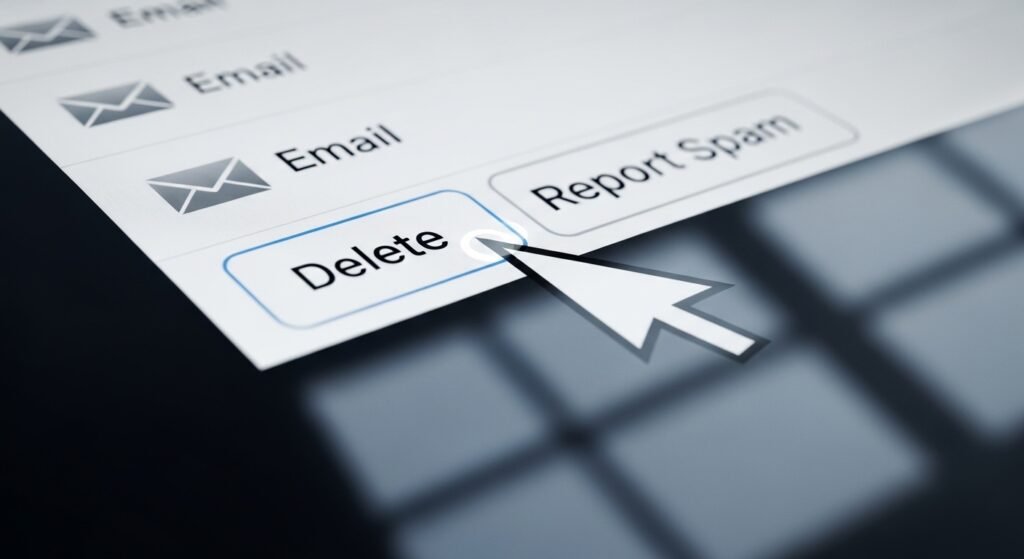
When you just delete an email, your service provider’s artificial intelligence system fails to understand that you discarded the message because it was not needed. The system requires you to report spam through the spam button which will help it learn how to recognize future matching patterns for blocking those emails from entering your main inbox.
Confirming Your Active Status
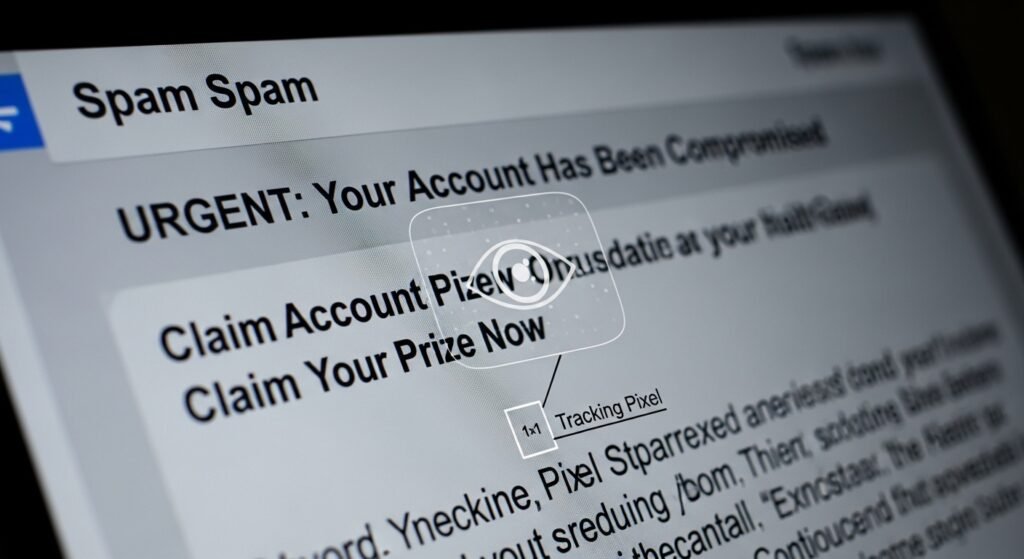
Many sophisticated spam emails contain “tracking pixels,” which are tiny, invisible images that load when you open the email and the sender will know your email address is active because you opened the message to delete it which will result in increased spam messages sent to you.
Missing the Chance to Unsubscribe

If you delete an email from a legitimate company that you used to do business with, you will remain on their mailing list forever. You should never click links in suspicious emails while using the “Unsubscribe” link on reputable brand emails is a much more permanent solution than a daily cycle of deleting the same newsletter.
The Risk of a “Smoke Screen” Attack
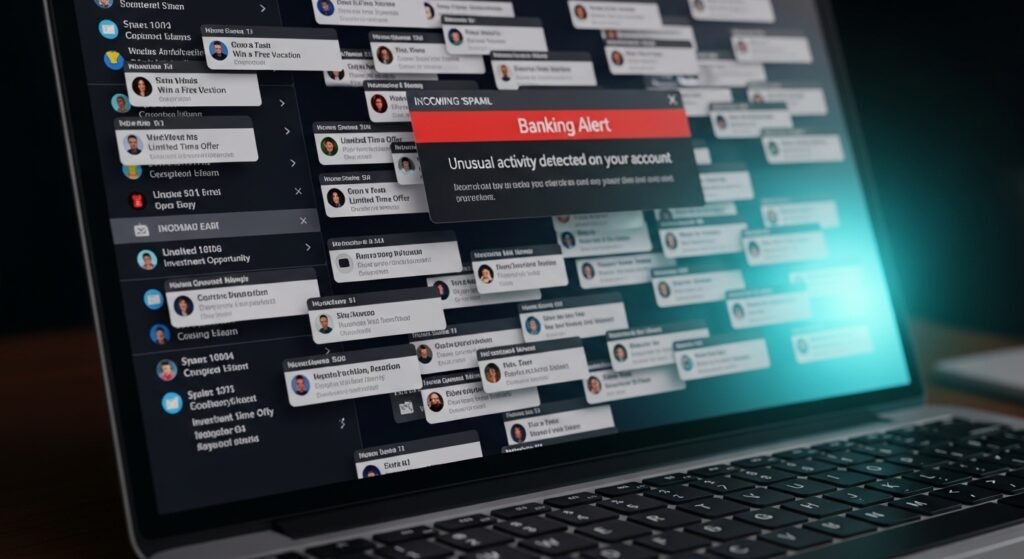
Hackers use the email bombing technique to flood your inbox with thousands of spam messages. The hackers want you to become so overwhelmed that you delete everything which will result in you losing a genuine bank alert or a password reset message they sent to you.
Legitimate Mail Gets Lost
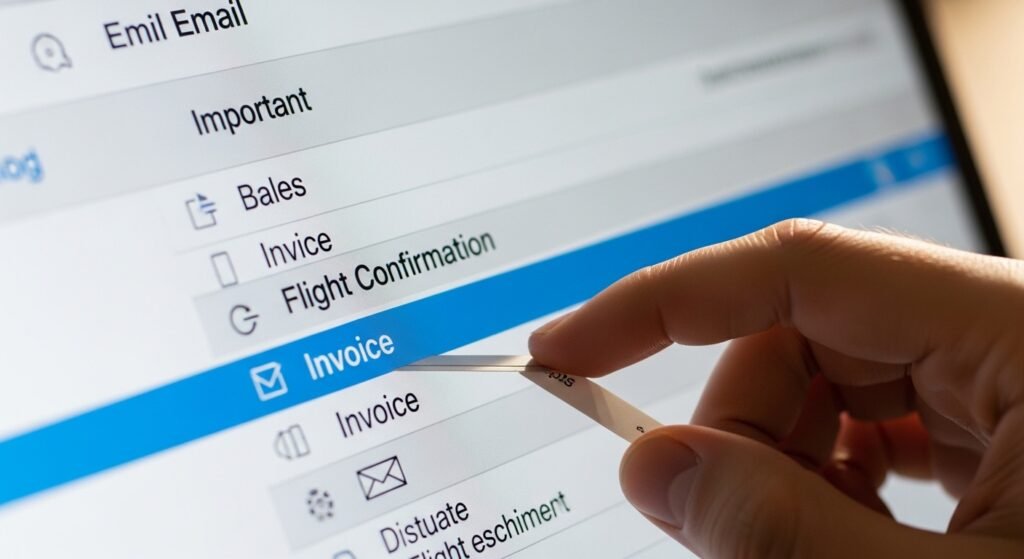
The practice of mass-deleting everything that appears to be junk will lead you to make major mistakes when you handle important messages. A real invoice, a flight confirmation, or a message from a new contact might look like spam at a glance, and once it is deleted and the trash is emptied, it is gone for good.
You Are Not Blocking the Source
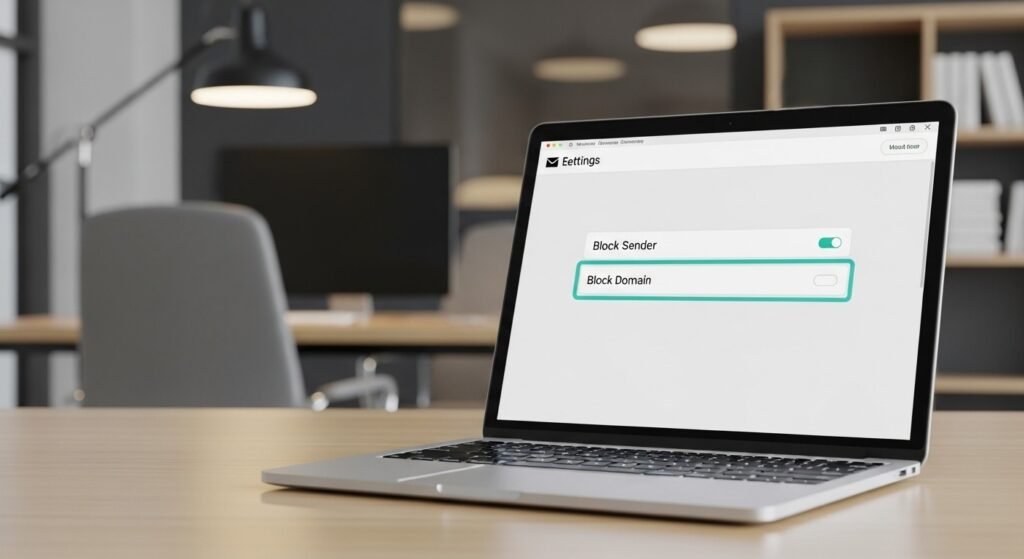
The act of deletion functions as a passive solution which will treat the existing symptom but not address the underlying issue. You leave yourself open to receiving future contact from them at any moment if you skip the step of blocking either their specific sender or their complete domain.
Wasting Your Cloud Storage
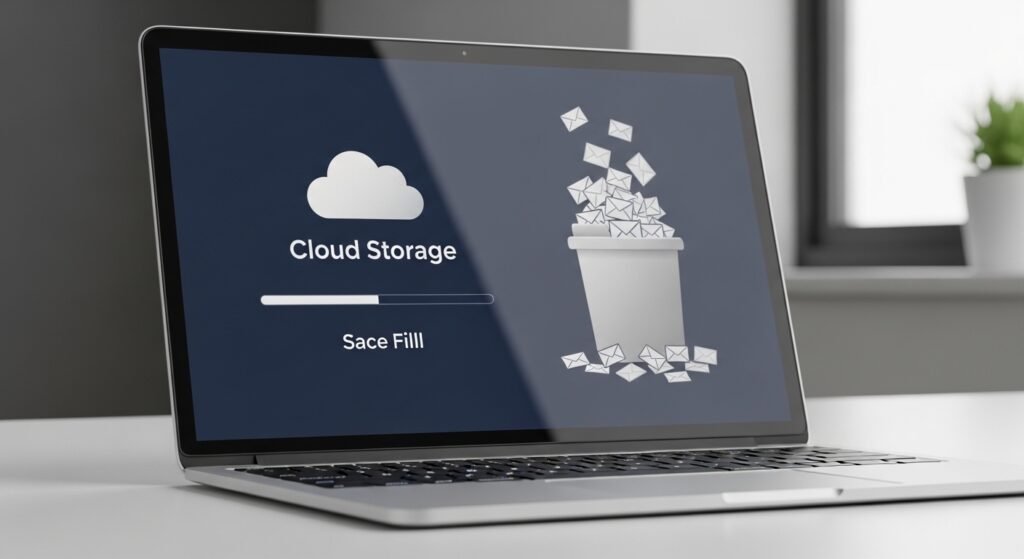
On most platforms, emails that are deleted become inaccessible because they are sent to the Trash folder which retains them for 30 days. The spam storage limit will remain full until you reach the threshold of either manual or automatic emptying of the trash bin.
Losing Evidence for IT Support

The IT department of your company needs spam and phishing email headers to maintain the office firewall because they serve as essential tools for their work. You block the entire organization from protecting itself against a cyberattack when you delete messages because you prevent your security team from receiving crucial evidence.
Breaking the Documentation Trail

The organization must maintain certain communications which seem like junk because they have business or legal requirements to store those records for a specific duration. The act of manual email deletion creates a risk that you will accidentally delete an essential email chain which contains mandatory information thus violating company rules and compliance requirements.