Email inboxes for gamers fill fast. Store alerts, tournament notices, patch updates, and community messages arrive daily. Spam messages often appear worthless, so deletion feels efficient. This habit carries hidden costs. Spam filters learn from user actions, and fast deletion removes valuable signals. For gamers who manage multiple accounts, purchases, and subscriptions, this behavior affects security, deliverability, and account recovery. A closer look explains why deletion creates long term issues across gaming related inbox activity.
Spam Deletion Weakens Filter Training

Email systems rely on user behavior for accuracy. When spam messages receive deletion instead of reporting, filtering systems lose feedback. Spam folders grow less precise over time. Gaming newsletters or beta invites risk misclassification. Reporting spam strengthens automated learning and protects important gaming communications.
Account Security Signals Get Lost

Many spam messages contain impersonation attempts tied to gaming accounts. Deleting these messages removes visibility into attack patterns. Reporting creates records used by providers to block future attempts. Security teams track trends based on reports, not silent deletion. Strong reporting habits reduce repeat targeting.
False Positives Increase Over Time

Gaming emails often share language with promotional spam. Sales, loot drops, and reward notices follow similar structures. When users delete spam without reporting, filters struggle to separate harmful messages from valid offers. This leads to legitimate gaming emails landing in spam folders more often.
Spam Deletion Skews Engagement Metrics

Email platforms track interaction signals. Deletion sends weaker signals than reporting. Low quality senders adjust tactics based on limited data. Reporting forces faster shutdowns. For gamers subscribed to many services, clean metrics improve inbox performance and message prioritization across gaming platforms.
Missed Evidence During Account Recovery

Account recovery processes depend on email history. Deleted spam removes timestamps, sender details, and patterns. Support teams request evidence during disputes. Reporting preserves metadata within provider systems. This assists recovery when accounts face access issues or unauthorized activity.
Increased Exposure Across Linked Accounts

Gamers often link emails to forums, stores, and launchers. Spam campaigns reuse data across platforms. Reporting helps providers identify cross account abuse. Deleting leaves patterns unflagged. This increases exposure across multiple gaming services tied to one address.
Reduced Protection For Community Emails

Clan invites, match schedules, and event reminders depend on deliverability. Weak spam reporting degrades inbox trust. Over time, community emails risk suppression. Reporting spam protects communication channels vital for multiplayer coordination and competitive play.
Spam Deletion Encourages Sender Persistence

Spam senders track bounce and silence signals. Deletion offers minimal resistance. Reporting triggers automated penalties. Persistent deletion allows repeated attempts. Strong reporting discourages continued targeting, especially for addresses linked to gaming purchases or rare items.
Inbox Organization Suffers Long Term
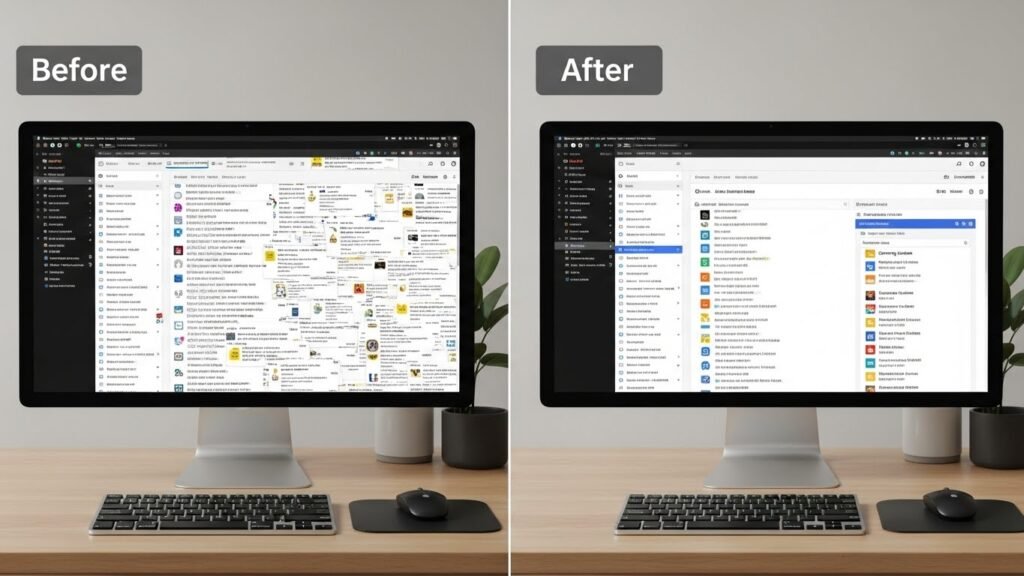
A clean inbox relies on accurate filtering. Deletion treats symptoms, not causes. Reporting improves separation between spam and valid gaming messages. Over weeks, inboxes require less manual review. Time savings matter for players managing updates, events, and digital receipts.
Better Habits Protect Gaming Ecosystems

Individual actions influence larger systems. Reporting spam supports platform wide protection. Gaming communities depend on reliable email communication. Thoughtful inbox behavior strengthens security, accuracy, and trust across services connected to gaming identities.