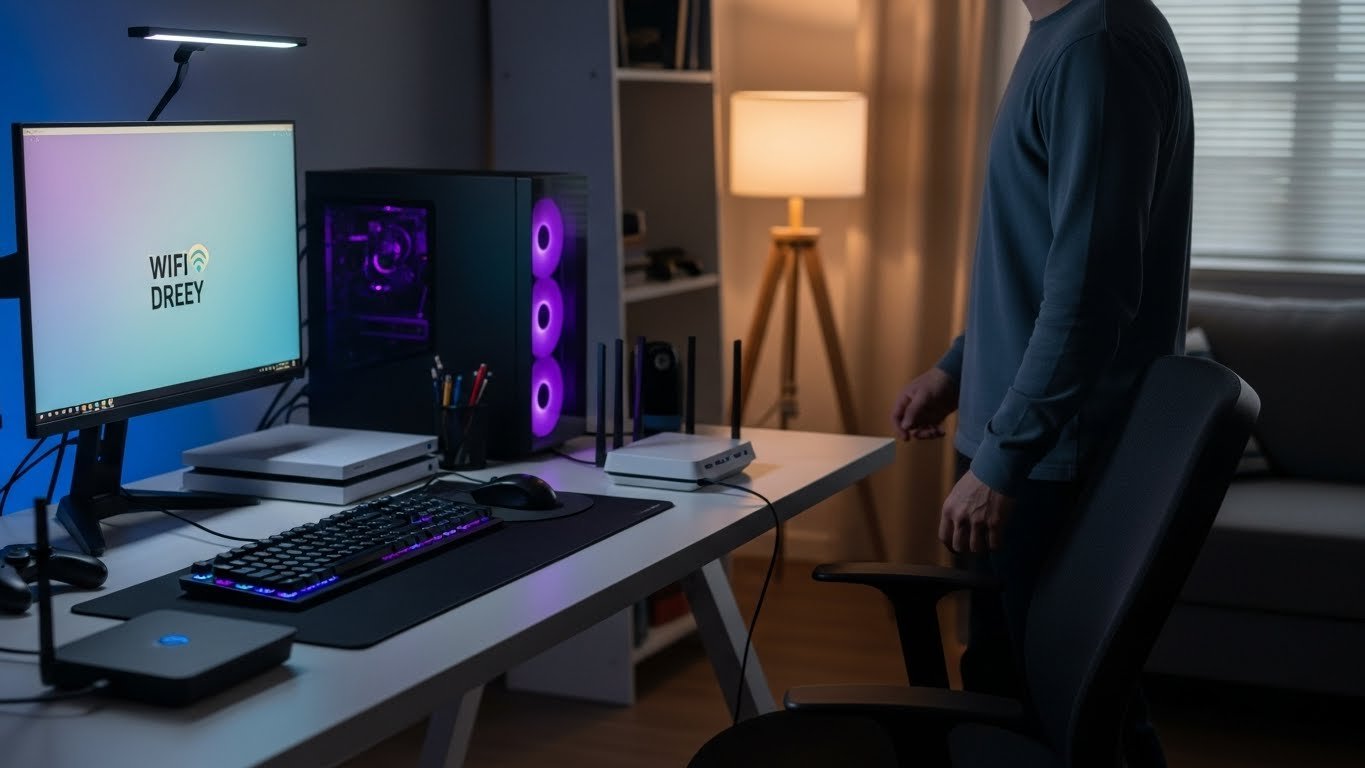
Online play, downloads, and updates keep home networks active for long hours. Gamers often leave routers running nonstop, even during idle periods. Regular power breaks for WiFi devices support better performance, stability, and daily routines. This practice aligns with disciplined gaming habits and hardware care. A short offline window creates measurable improvements across play quality, focus, and network reliability without complex tools or advanced setup.
Improves Network Stability for Online Matches

Regular WiFi power breaks clear temporary routing errors. Routers store session data during long uptime, which affects packet delivery. A fresh restart restores routing tables and reduces latency spikes. Gamers notice steadier connections during ranked matches, especially in shooters and battle arenas where response timing affects outcomes.
Reduces Random Lag During Peak Gaming Hours

Home networks handle background traffic from phones, TVs, and updates. Over time, bandwidth allocation becomes inefficient. Power cycling resets traffic prioritization. Gamers experience fewer lag bursts during evening sessions when multiple devices compete for bandwidth, leading to smoother movement and consistent frame pacing online.
Supports Router Hardware Longevity
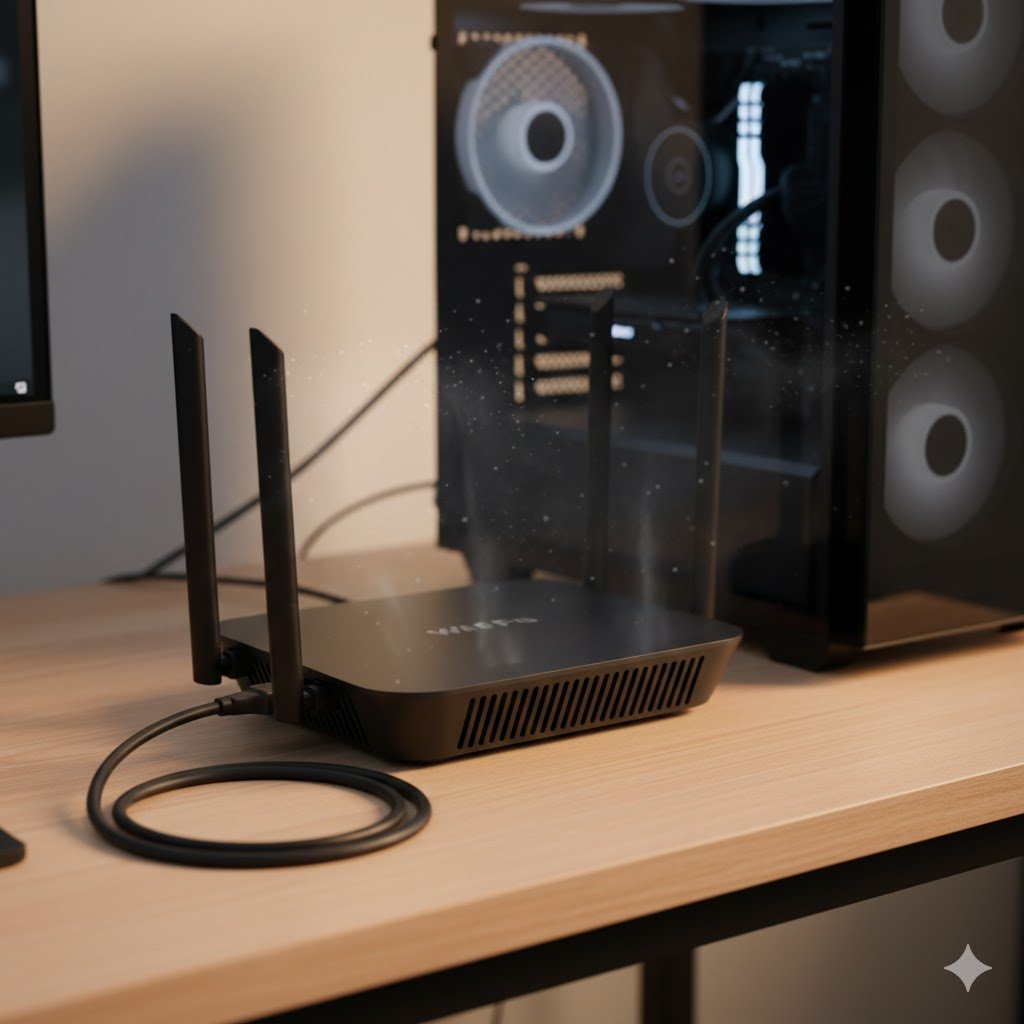
Routers generate heat during continuous operation. Heat accelerates component wear. Scheduled unplugging lowers thermal stress on internal chips and power units. This practice extends usable lifespan and delays replacement costs. For gaming setups, stable hardware reduces unexpected disconnections during long sessions or competitive play.
Improves WiFi Signal Consistency Across Rooms

Signal degradation builds as firmware processes accumulate errors. Power breaks refresh signal broadcasting patterns. Gamers using wireless consoles or PCs in distant rooms receive stronger and more consistent coverage. Stable signal strength reduces mid game drops and reconnect loops common during extended uptime.
Encourages Better Gaming Routine Discipline
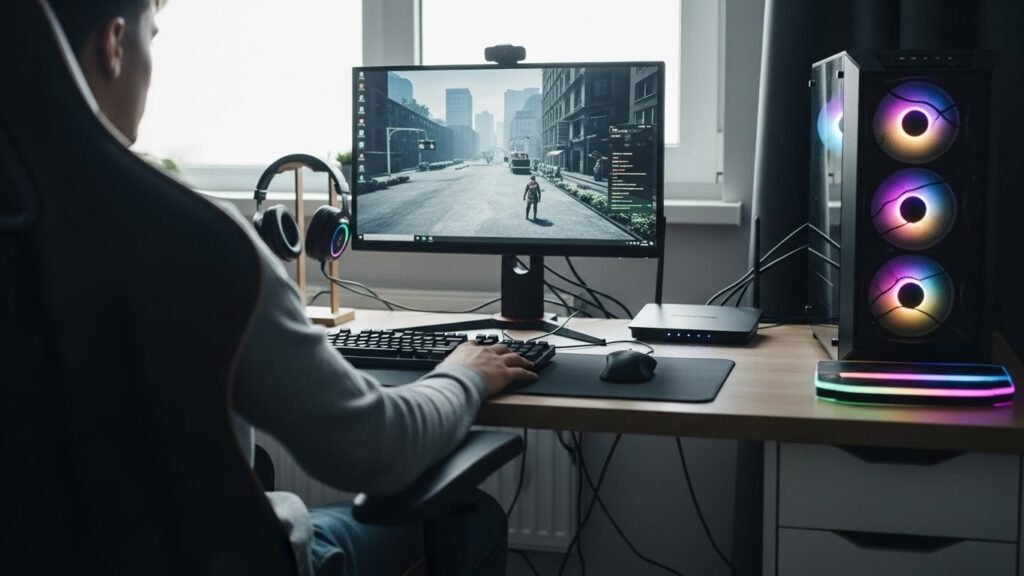
Unplugging WiFi creates natural session boundaries. Gamers step away between play blocks instead of endless sessions. This habit supports focus and reaction time during active play. Structured downtime aligns with training schedules used by competitive players who prioritize quality sessions over uncontrolled hours.
Reduces Background Interference During Gameplay

Routers manage invisible background tasks such as device polling and auto syncing. These tasks consume small bandwidth slices. A reset clears queued tasks. During gaming sessions, network focus shifts toward active devices. This leads to cleaner data flow and fewer micro stutters in online play.
Lowers Power Usage During Idle Periods
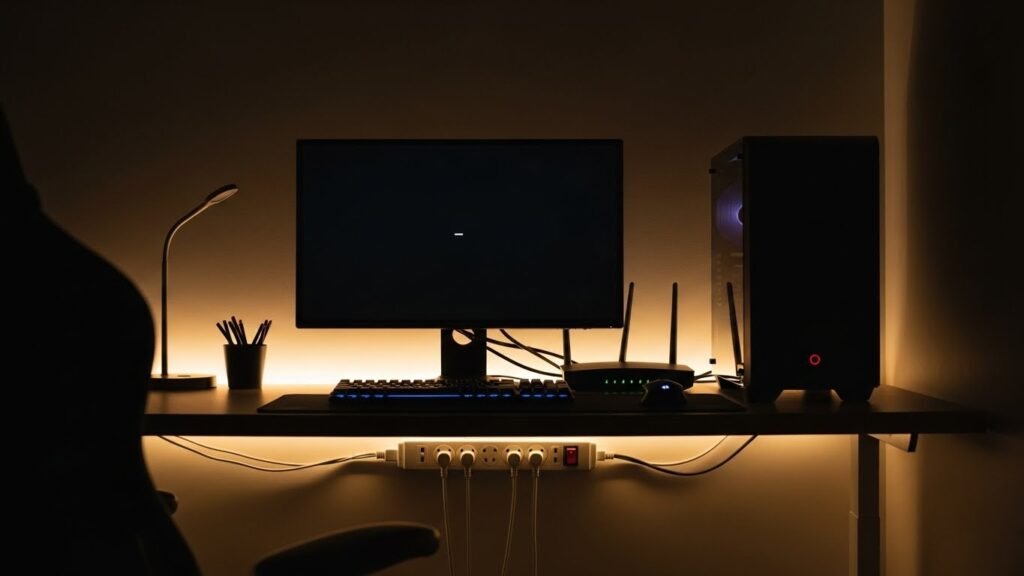
Routers draw power continuously even during inactivity. Daily unplugging during sleep or work hours reduces electricity use. Over a year, small savings accumulate. Gamers investing in consoles, GPUs, and displays benefit from trimming unnecessary energy draw elsewhere in the setup.
Helps Detect Network Issues Early
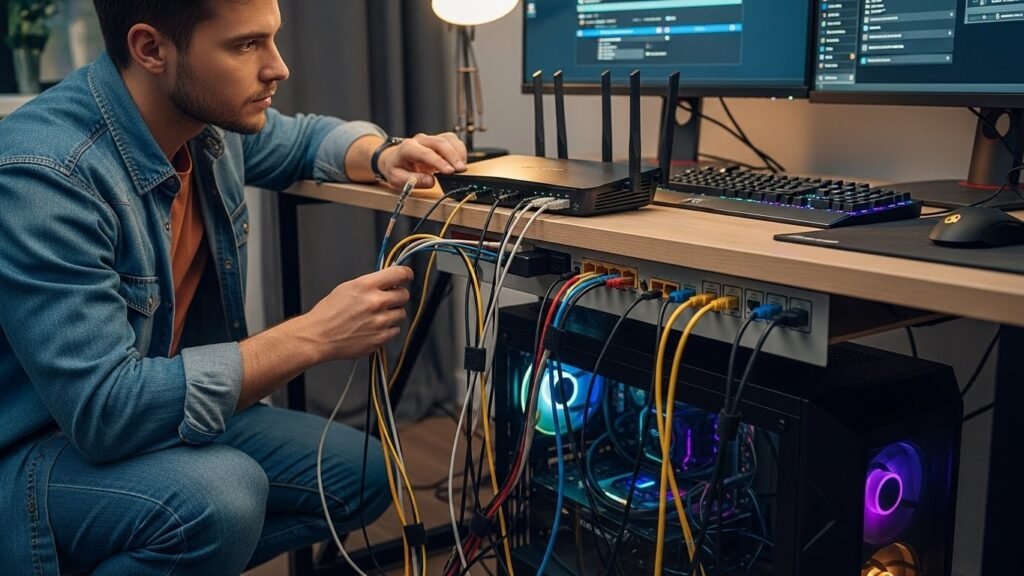
Frequent power cycling exposes failing adapters or unstable cables. A router struggling to restart signals early hardware decline. Early detection avoids surprise failures during tournaments or scheduled co op sessions. Preventive awareness supports reliable gaming schedules and avoids last minute troubleshooting.
Improves Firmware Update Effectiveness

Firmware updates often install fully after restart. Unplugging ensures clean application of patches. Updated firmware improves security and traffic handling. Gamers relying on peer to peer or dedicated servers gain better compatibility and reduced disconnect risk after regular power resets.
Creates Healthier Balance Between Online and Offline Time

Short WiFi breaks encourage offline activity such as stretching, hydration, or planning builds and strategies. Mental recovery supports reaction speed and decision accuracy. Balanced routines reflect habits seen in professional gaming environments where rest cycles improve long term performance and consistency.