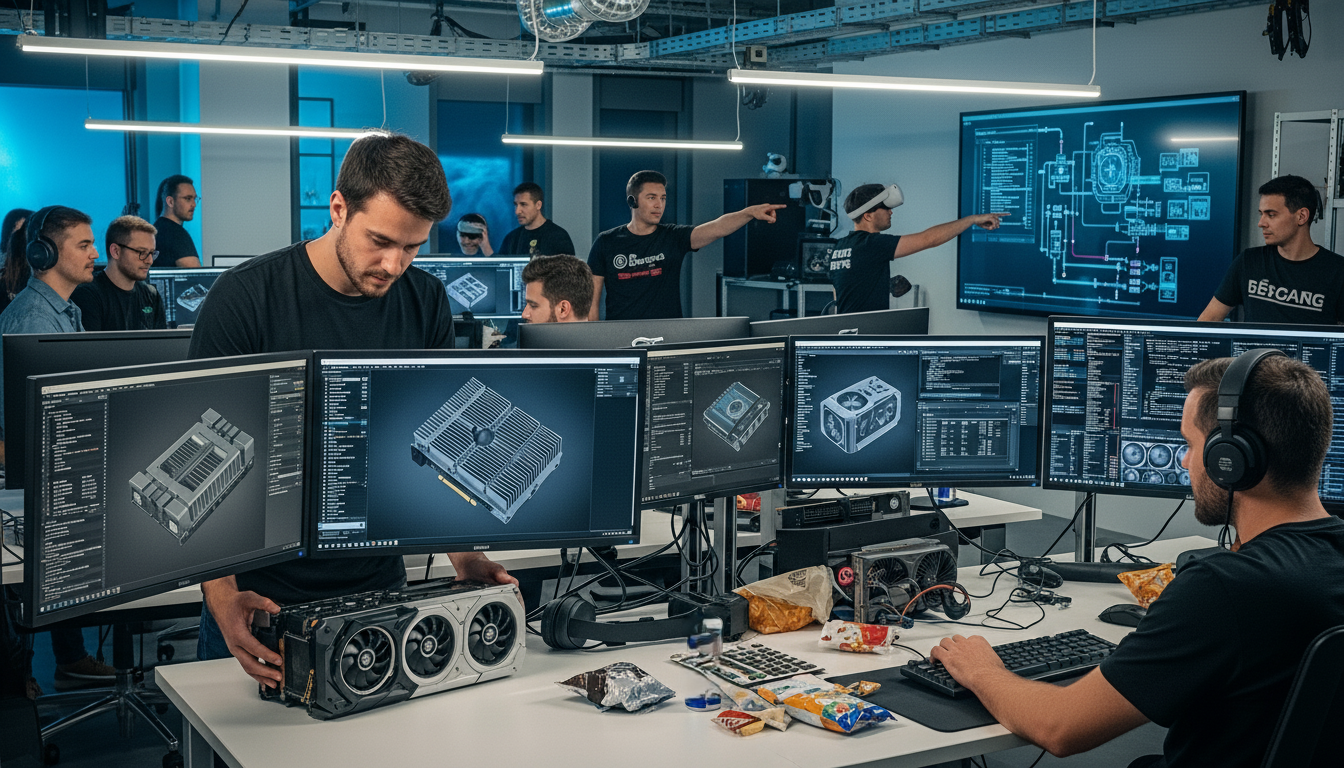
The present struggle to develop realistic and immersive video game experiences now requires advances beyond improved visual rendering. The battle between technology companies and game development studios has reached a critical level as they compete to create the most sophisticated hardware and software systems which exist today. The secret arms race between these two entities has established new standards for game development and gaming experiences while also expanding the capabilities of digital environments.
AI-Driven Performance Boosting

Artificial Intelligence enables developers to perform real-time image enhancement through its “upscale” function. AI enables games to operate at faster speeds because it predicts the upcoming frame which reduces the need for high-cost equipment to show all pixels.
Realistic Lighting and Reflections

The technology of Ray Tracing functions as the primary battlefield for modern technological conflicts. The technology models how light rays navigate through various surfaces including glass and water and metal to create visual effects that mirror real-world reflections and shadows.
Instant Loading with SSD Tech
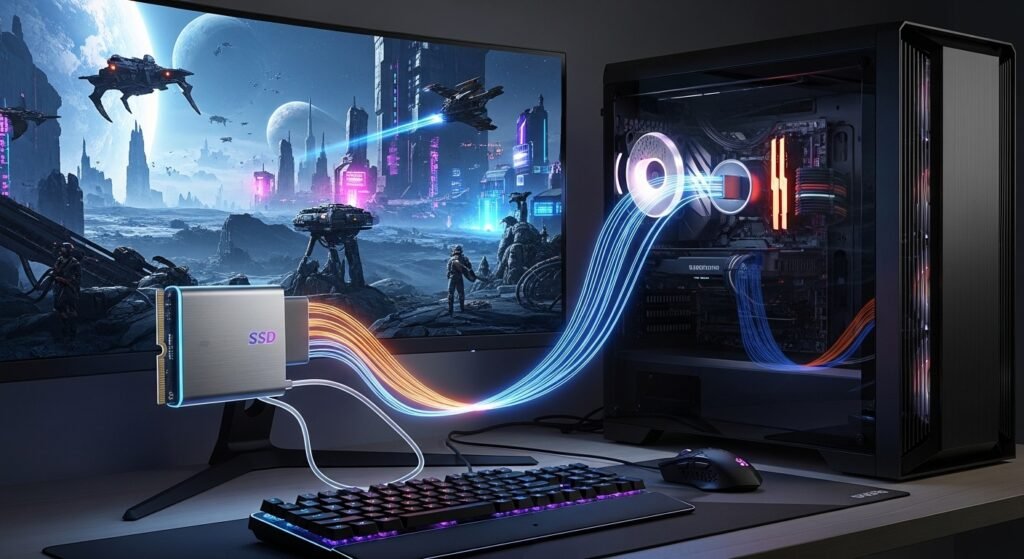
The elimination of loading screens has driven storage speed research to produce exceptional results. Players can navigate between different game worlds which include entirely distinct dimensions or planets without experiencing downtime because modern solid-state drives deliver data at exceptionally fast rates.
Haptic Feedback Controllers

The tech race has moved into your hands with advanced vibration systems. The new controllers use motors that deliver realistic walking experiences through distinct walking experiences on snowy surfaces and icy surfaces to create an intense gaming experience.
Cloud Gaming Infrastructure

The industry battles to construct extensive server farms which enable users to play advanced games on basic hardware. The cloud-based system will transfer all processing tasks to the cloud system, which will enable users to operate their smartphones with the same performance level as dedicated gaming consoles.
Procedural World Generation
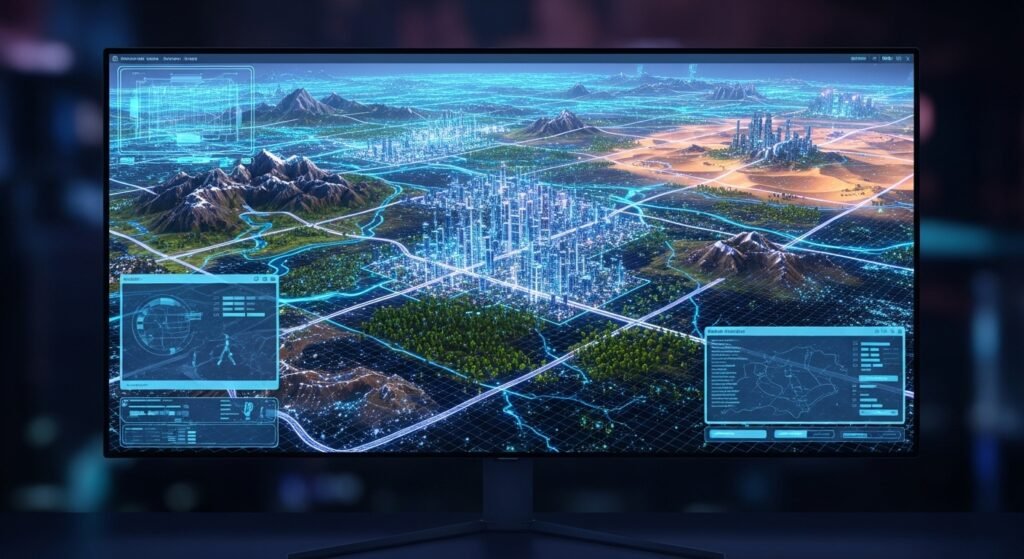
Developers use landscape-building algorithms to construct extensive worlds which they will create. The technology enables the creation of “infinite” cities and planets which guarantee that players will experience completely different geographical areas in the game.
Motion Capture and Facial Fidelity
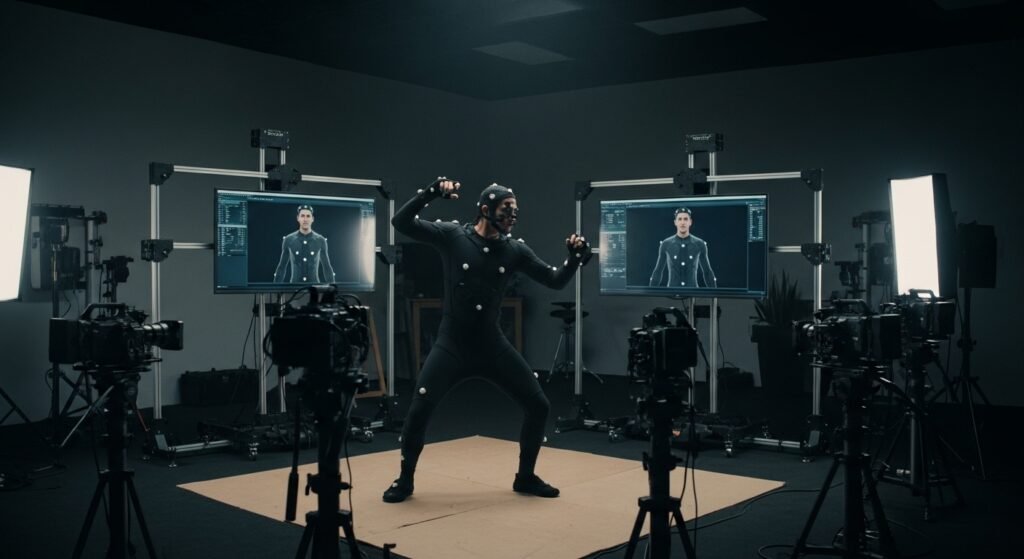
The quest for emotional authenticity has driven motion capture technology to achieve remarkable progress. The latest sensors monitor every minute facial movement of an actor to reveal their human-like capacity to display subtle emotions.
Physics Engines and Destruction

The gaming industry now has developers who create interactive environments through physics systems that operate at their highest level. Advanced physics engines enable objects in a room to break and shatter based on the impact force which applies to them.
Neural Network NPCs

Large language models provide advanced thinking capabilities to non-player characters. The characters now can make free-form dialogue by using their natural language abilities while they respond to user actions to create an interactive environment.
Anti-Lag Communication

The online gaming competition revolves around two main factors which include ping measurements and latency delays. The combination of Fiber-direct routing and predictive “rollback” netcode delivers superior connection performance, enabling players from New York and London to engage in their games without experiencing delays.