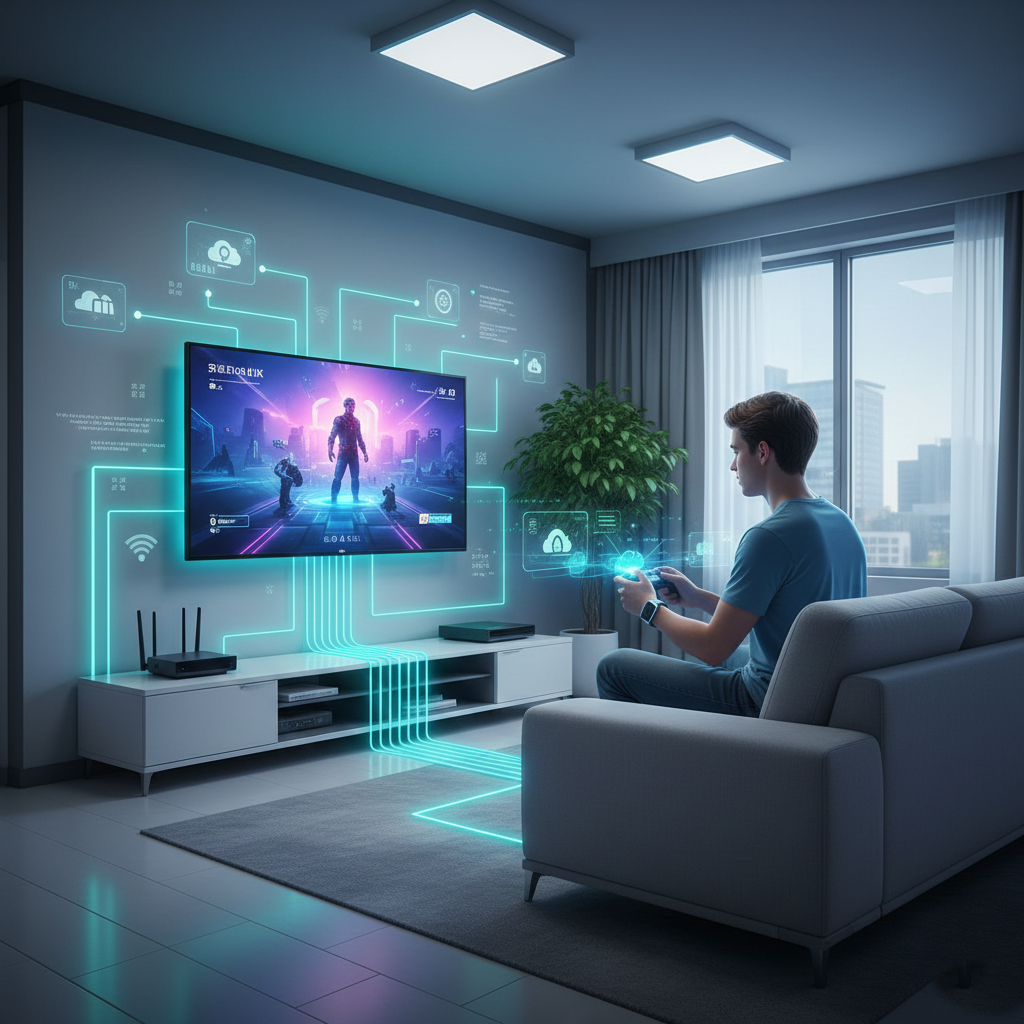
The Internet of Things is a term that is used to describe the interconnected devices that exchange information via networks. Everyday living is now dependent on intelligent systems at home, transport and entertainment. Gaming has a visible influence which includes consoles, accessories and the online services. The play habits and the expectations of the users are determined by the sensors, cloud services, and automation. Such transformations affect the time utilization, expenditure habits, and interpersonal communication among different age groups. These changes can be understood to make more informed decisions regarding gadgets, privacy, and usage patterns.
Connected Gaming Consoles and Online Access
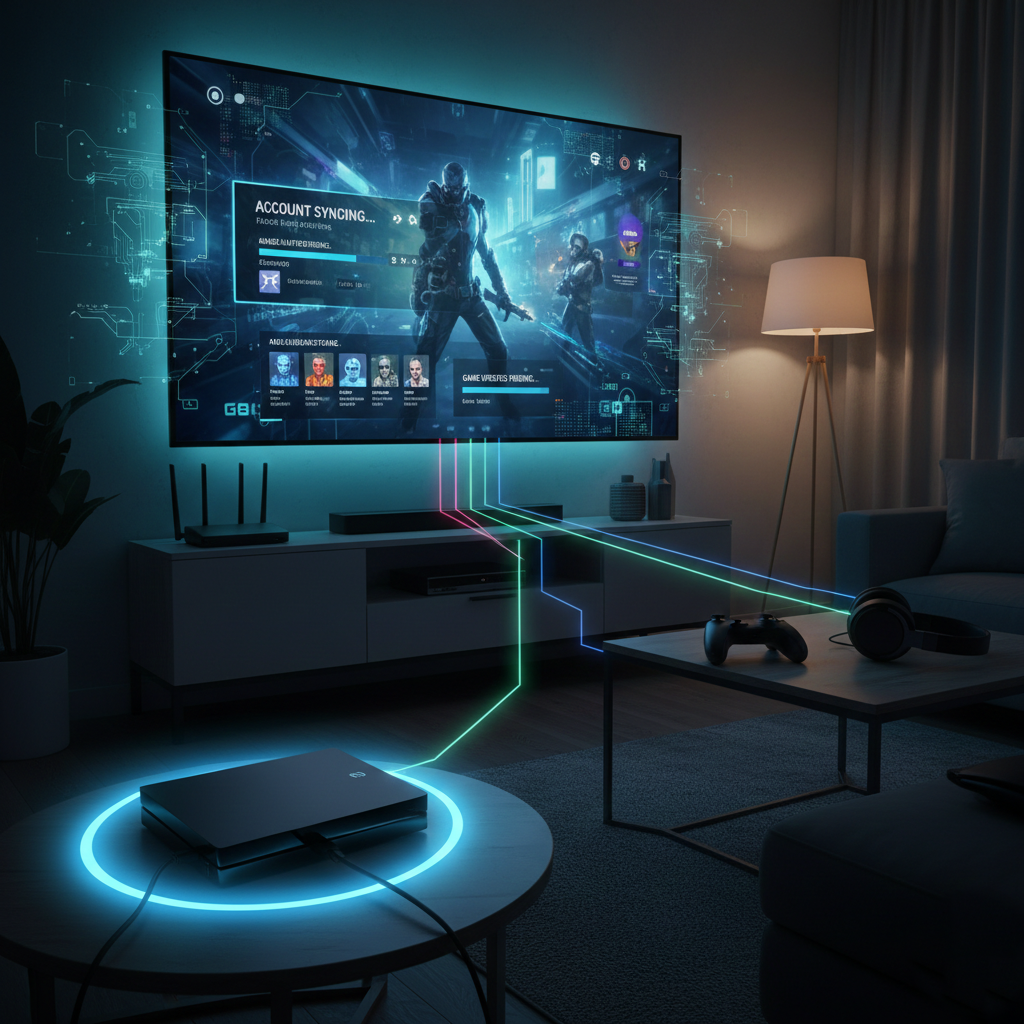
Modern gaming consoles connect with home networks and external services. Usage data syncs with accounts for updates, multiplayer access, and digital purchases. A 2024 industry report showed over 70 percent of console players stayed online during play sessions. Network stability and device placement now affect gaming quality at home.
Smart Controllers and Wearable Inputs

Controllers now include motion sensors, biometric tracking, and haptic feedback. Wearable devices track hand movement, heart rate, and reaction speed. Fitness based games use these inputs for scoring and feedback. Market data from Asia showed rising demand for motion controllers among casual players aged twenty to thirty five.
Cloud Gaming and Device Flexibility
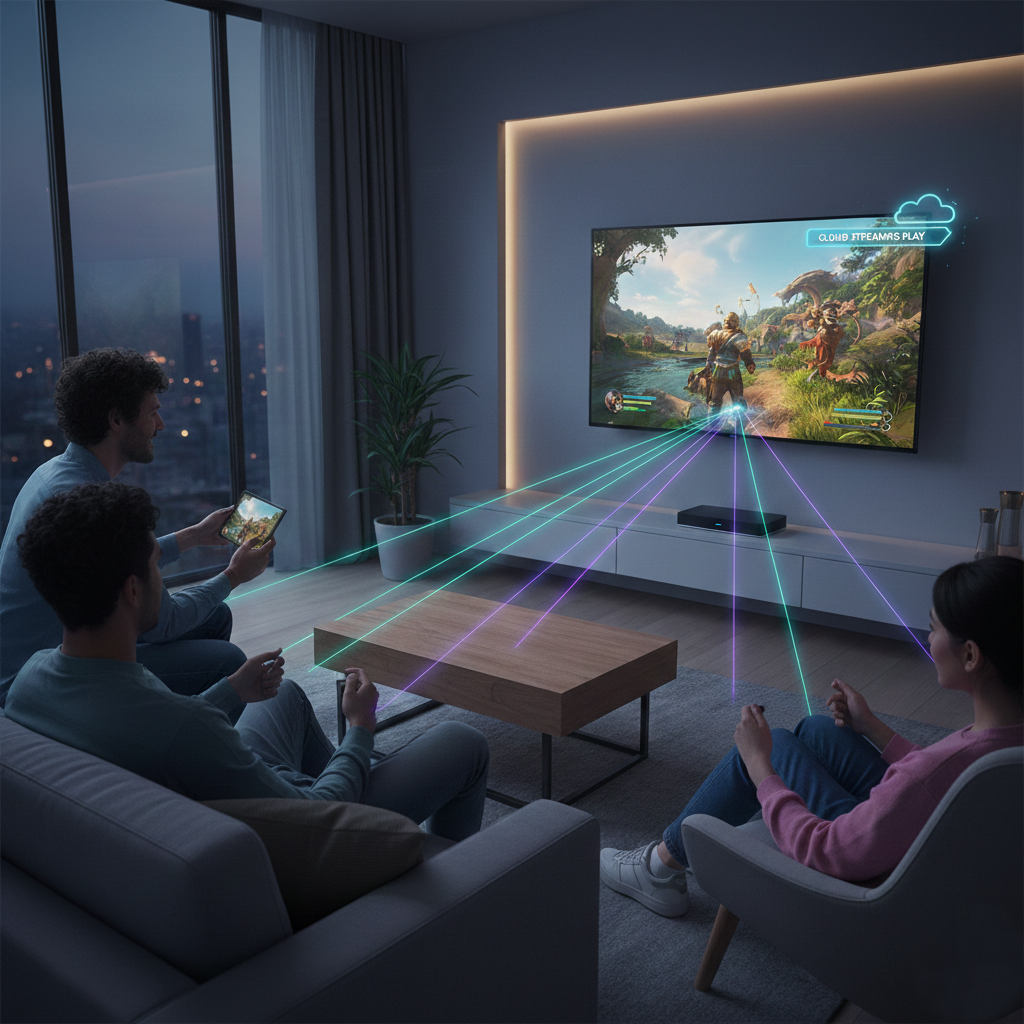
Cloud gaming links servers, displays, and input devices. Processing occurs remotely while screens handle output. Players access games through televisions, tablets, or phones. Subscription platforms reported lower hardware spending per user. This model supports access in smaller homes where space for dedicated hardware stays limited.
Home Automation Supporting Play Environments
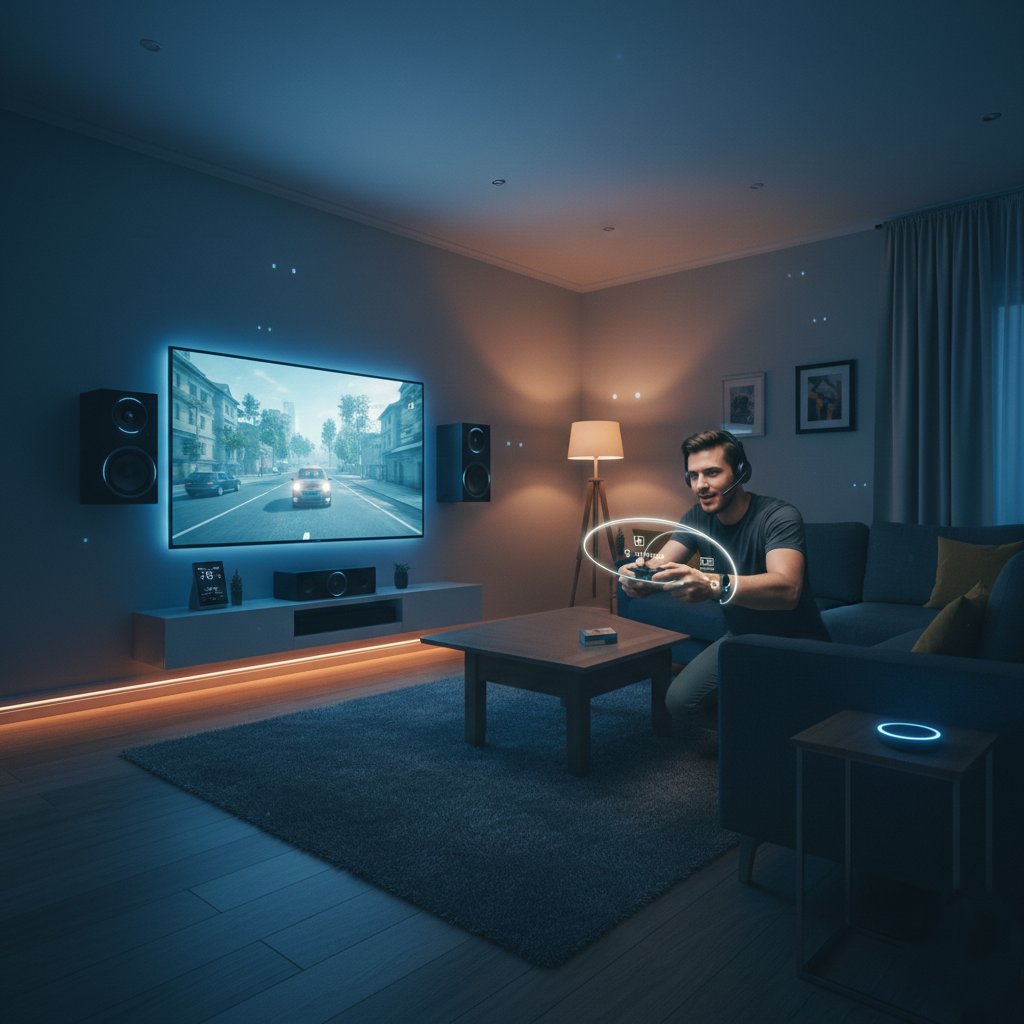
Smart lighting, sound systems, and temperature controls respond to gaming sessions. Preset modes adjust room conditions during play. Studies from home automation vendors showed lower energy use through scheduled lighting. Gamers report fewer interruptions when environments respond automatically to active sessions.
Voice Assistants and Game Navigation

Voice assistants link with consoles and smart displays. Commands launch games, manage settings, or control media playback. This reduces manual navigation steps. Survey data from Southeast Asia showed faster setup times among households using voice enabled systems for entertainment control.
Data Sharing and Player Personalization

Connected systems collect gameplay statistics and preference data. Profiles adjust difficulty, content suggestions, and control layouts. Game publishers use aggregated data to refine updates. Player retention rates improved after adaptive features based on real usage patterns rather than assumptions.
Smart Networks and Multiplayer Stability

Routers with traffic management prioritize gaming data. These networks reduce latency during multiplayer sessions. Testing by broadband providers showed lower packet loss in homes using smart routing features. Stable connections support competitive play and reduce session drop rates.
Security and Privacy Awareness in Gaming Homes
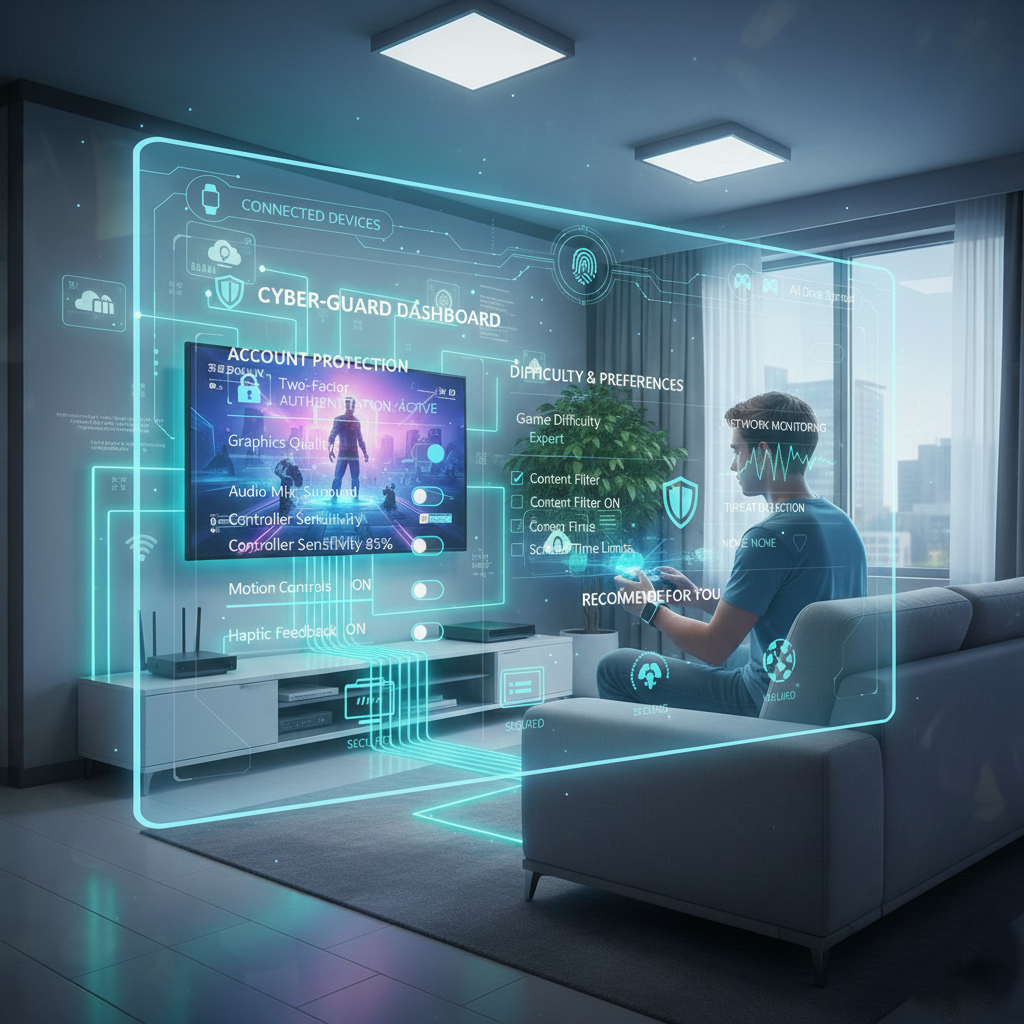
Connected gaming increases exposure to data risks. Accounts store payment details and personal profiles. Security tools such as network monitoring and parental controls reduce misuse. Consumer groups reported fewer account breaches among users applying device level security settings consistently.
Mobile Gaming and Location Based Features

Mobile games use location data and nearby device signals. Players unlock features through physical movement or shared spaces. Urban studies showed higher engagement where public connectivity stayed strong. These systems blend outdoor activity with digital rewards through connected infrastructure.
Future Skills Shaped by Connected Play
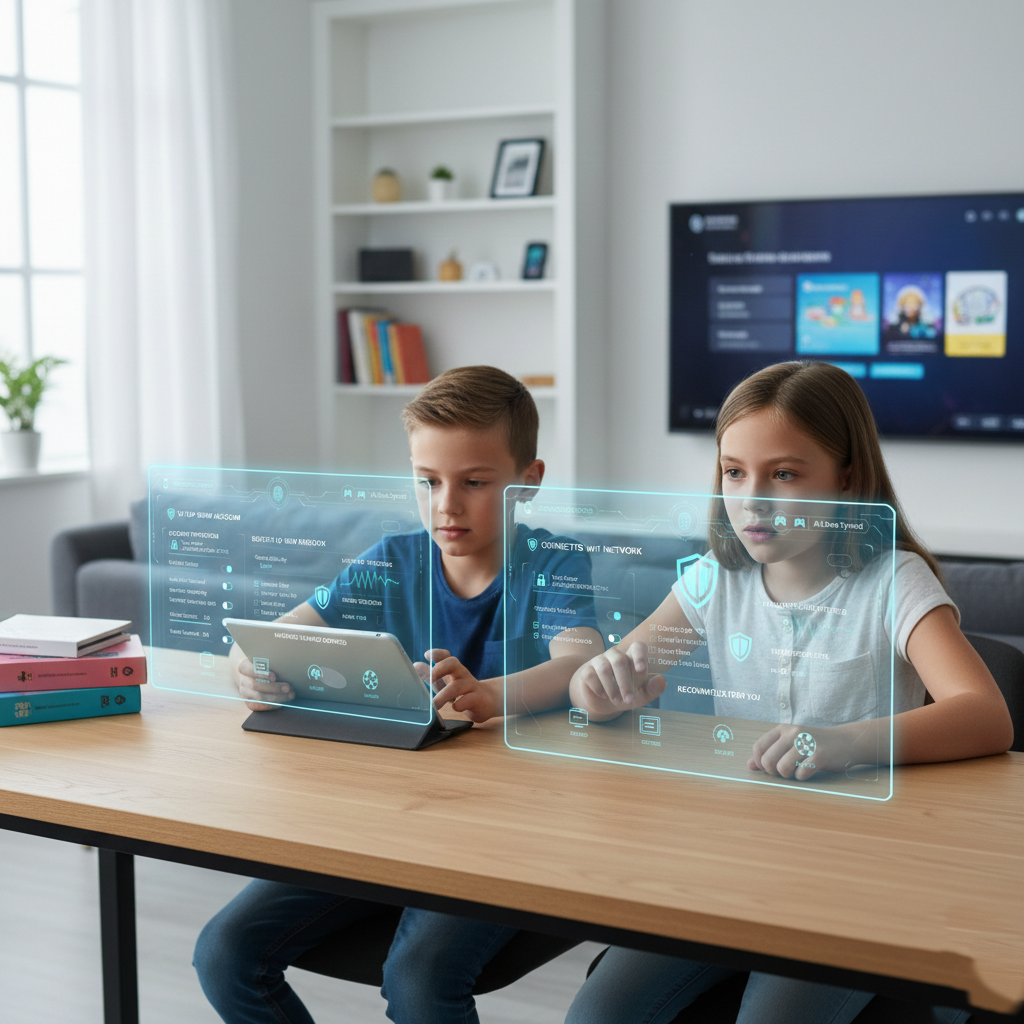
Gaming with connected devices supports technical familiarity. Players learn account management, network basics, and device setup. Education surveys linked early exposure to connected gaming with higher interest in technology careers. These skills transfer into broader digital literacy across daily tasks.