
Artificial intelligence tools appear across modern gaming, from aim trainers to strategy helpers and automated coaching overlays. Such systems support learning and efficiency, yet excessive reliance reduces skill growth and independent judgment. Balanced use matters for players who value long term performance and enjoyment. The guidance below outlines practical methods for gamers who want improvement driven by personal effort, reflection, and disciplined habits rather than constant algorithmic direction.
Practice Core Skills Without Assistance

Regular sessions without AI tools strengthen reaction time, map awareness, and mechanical consistency. Competitive shooters offer aim ranges and deathmatch modes designed for manual practice. Fighting games include training rooms for frame timing drills. Consistent unaided practice builds muscle memory and error recognition faster than automated correction systems.
Set Clear Boundaries for AI Use
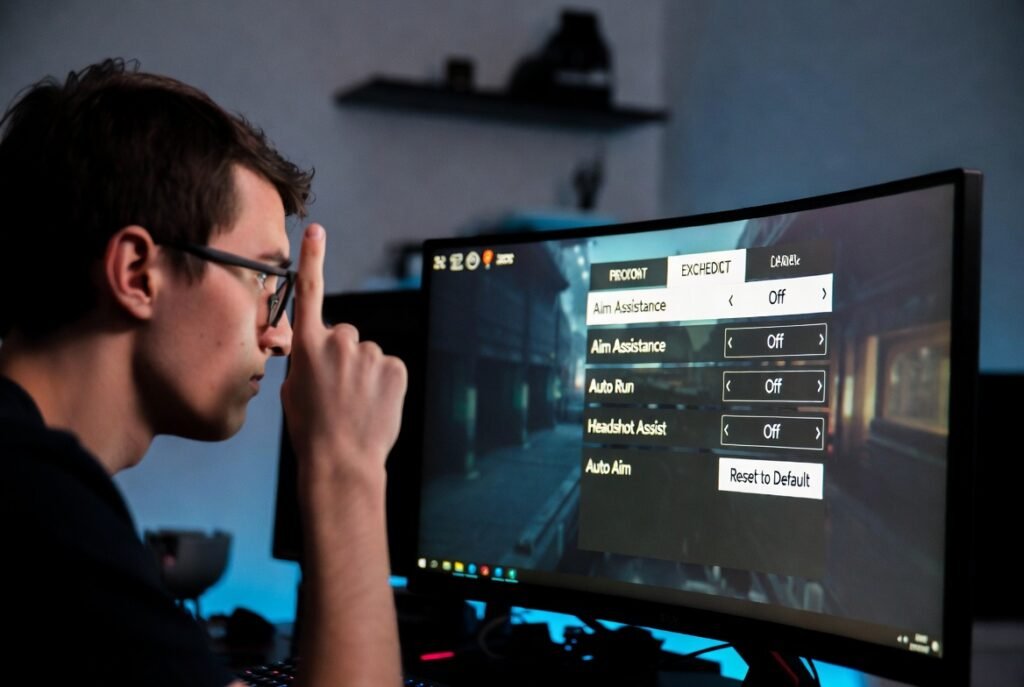
Defined limits prevent passive dependency. A player sets specific moments for AI support, such as post match analysis only. Live gameplay stays free from overlays or prompts. Structured boundaries preserve decision making under pressure and reflect tournament conditions where external tools remain restricted.
Review Matches Through Self-Analysis First
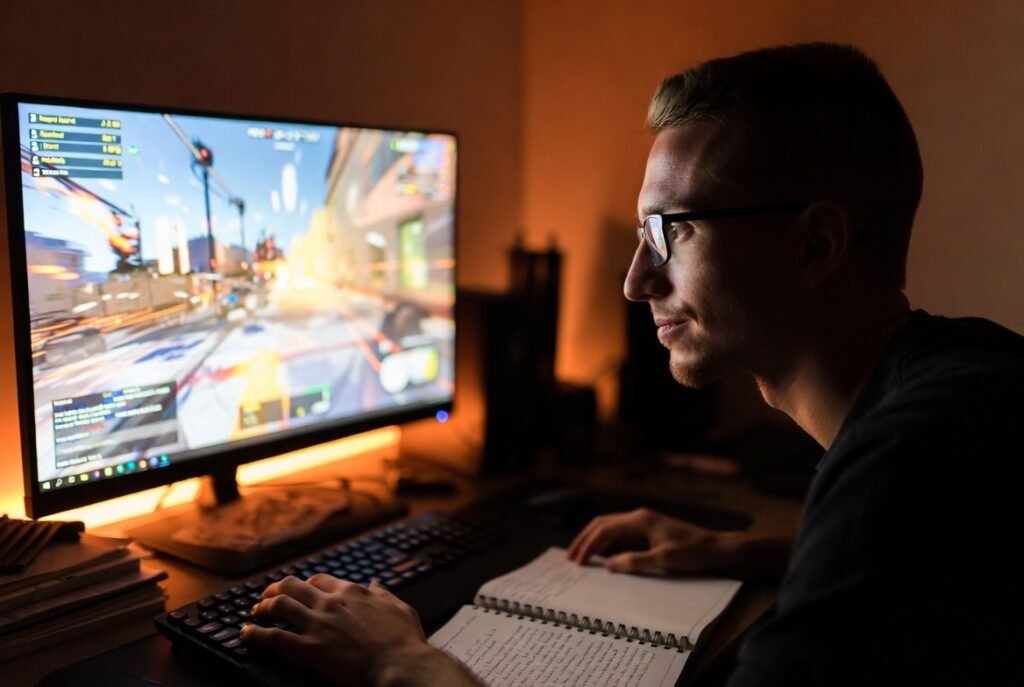
Match replays offer raw data for improvement. A gamer reviews positioning, timing, and mistakes before consulting automated breakdowns. Personal notes highlight repeated errors and missed opportunities. AI feedback then serves as a comparison tool rather than a primary evaluator.
Focus on Learning Game Systems
Understanding mechanics reduces reliance on suggestions. Knowledge of damage scaling, cooldowns, spawn logic, or economy systems informs smarter choices. Strategy guides and patch notes supply factual detail. Mastery of systems allows adaptation across patches without constant algorithmic updates.
Maintain Creative Problem Solving

AI often promotes optimized paths. Creative experimentation produces unexpected advantages. Players test off meta builds, alternate routes, or unconventional team compositions during casual play. Such exploration sharpens adaptability and prepares players for unpredictable competitive scenarios.
Limit Automated Coaching Features
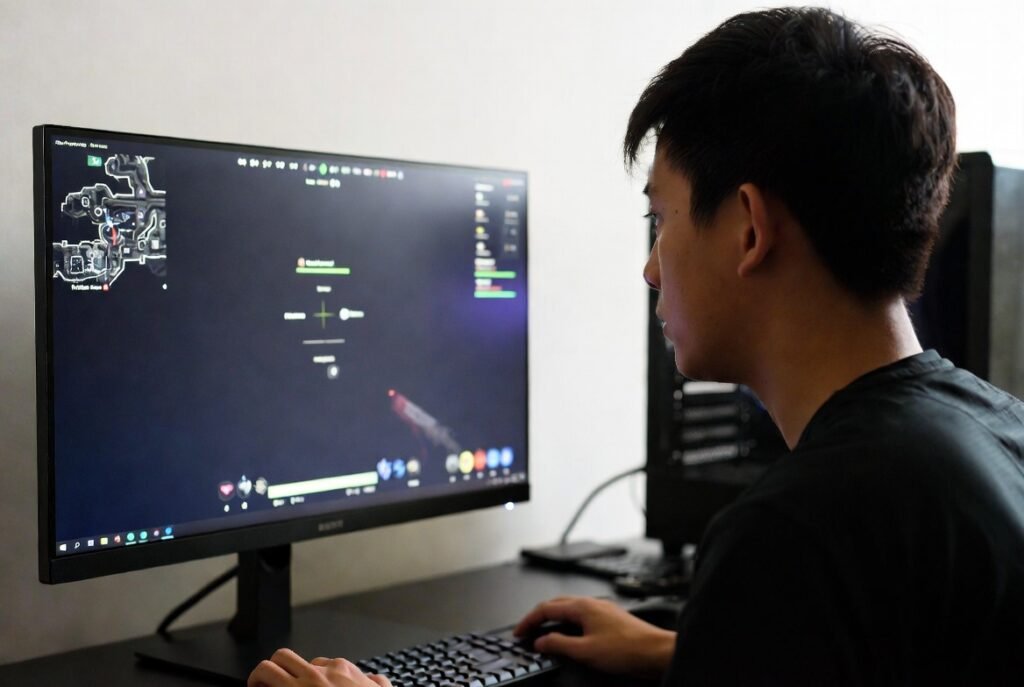
Many games include real time hints and adaptive difficulty. Frequent use reduces independent adjustment. Turning off prompts encourages reading the game state directly. Difficulty spikes then become learning signals rather than triggers for automated correction.
Balance Data With Intuition
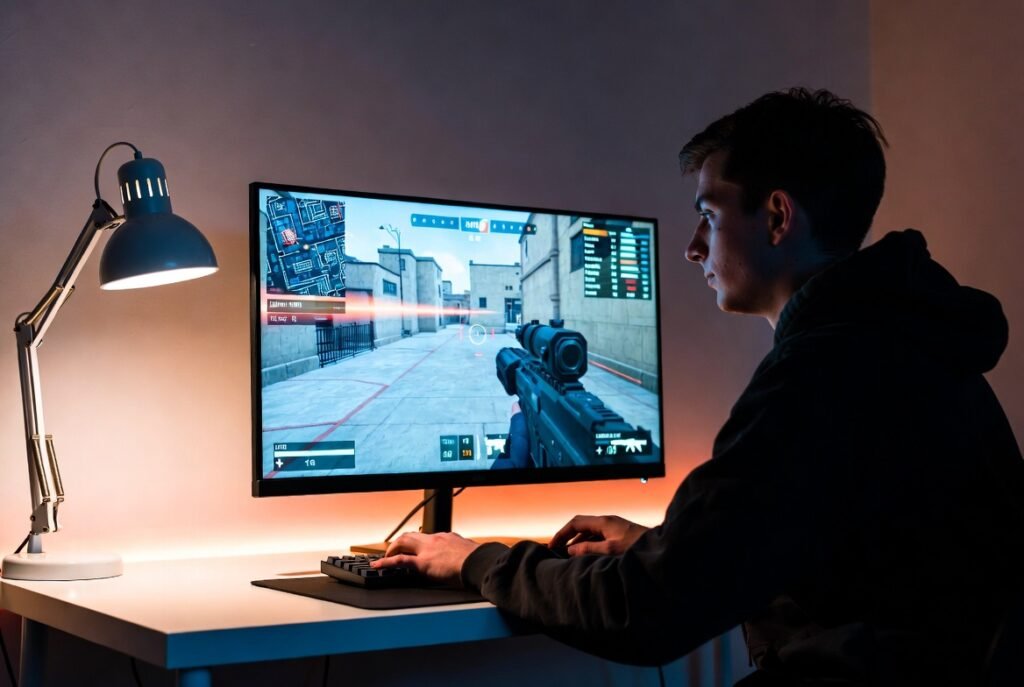
Statistics support improvement yet intuition guides moment-to-moment play. Kill death ratios, damage charts, or heat maps inform trends across sessions. During live matches, situational awareness and timing matter more than numerical targets. Trust develops through repeated conscious play.
Train Decision Making Under Pressure
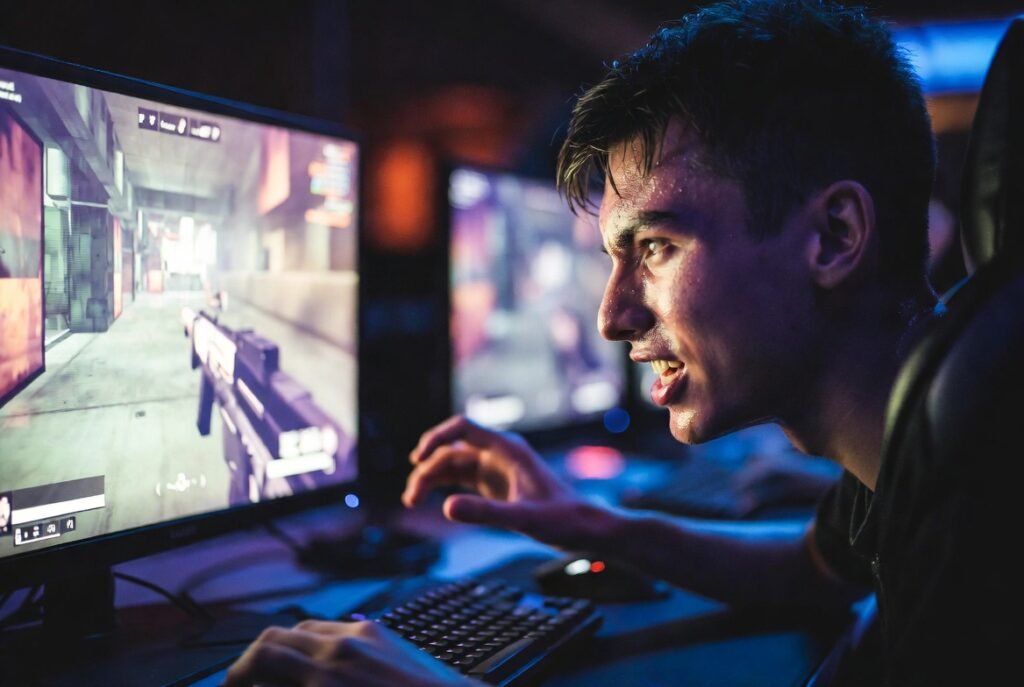
Pressure reveals true skill. Scrims, ranked modes, or timed challenges simulate stress. Playing without AI assistance during such sessions strengthens composure. Decision speed improves through exposure rather than guided correction.
Engage With Human Feedback
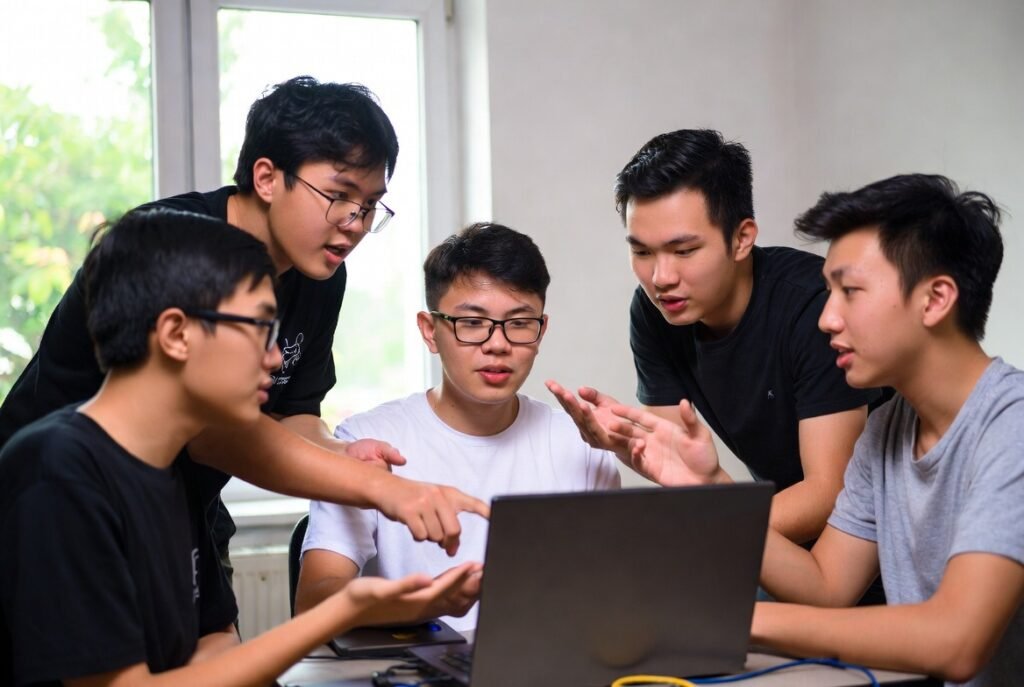
Teammates, coaches, and community forums offer context AI lacks. Human reviewers notice communication gaps, emotional tilt, or teamwork issues. Constructive discussion promotes accountability and shared learning, especially within squad based games.
Schedule Offline or Low Tech Sessions
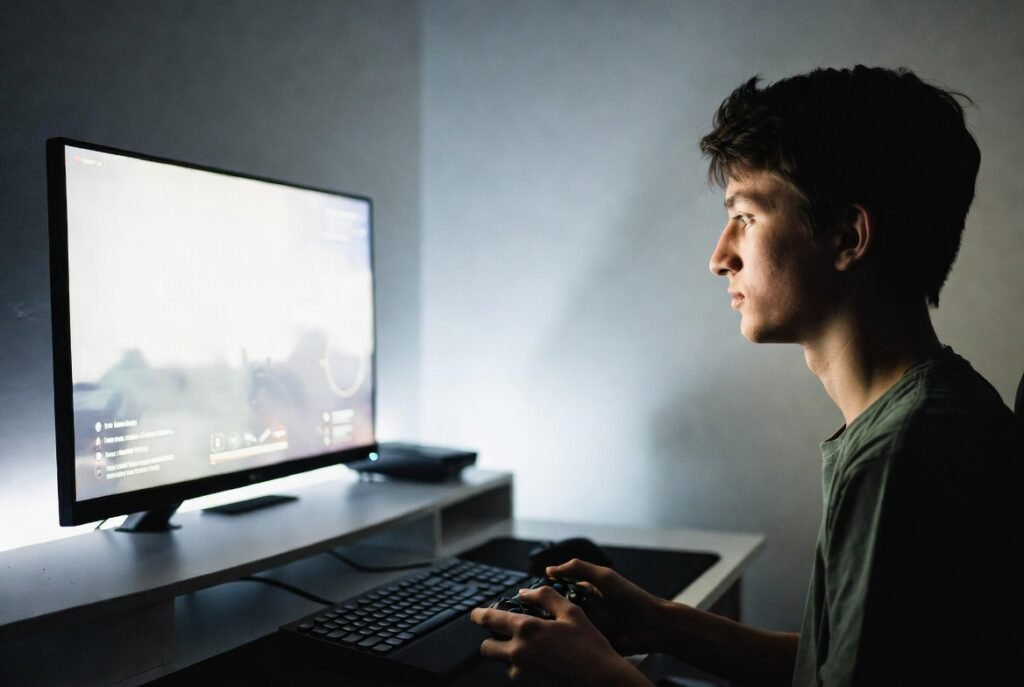
Occasional play without trackers, overlays, or analytics resets focus. Console only sessions or minimalist PC setups reduce cognitive load. Attention shifts toward movement, sound cues, and visual awareness. Such sessions reinforce fundamentals often masked by constant tool usage.