
Online games store progress, purchases, rankings, and social links. Account access failures often lead to lost items or blocked profiles. Weak passwords remain a frequent entry point for attacks on gaming accounts. A strong login structure reduces risk across consoles, PCs, and mobile titles. Clear rules help players protect profiles without slowing play sessions or login routines.
Why Gaming Accounts Face Higher Risk

Gaming profiles attract attention due to stored payment data and tradeable items. Popular multiplayer titles record millions of login attempts each day. Attackers focus on reused credentials from past data leaks. A single exposed password often opens access across multiple platforms linked to one profile.
Length Sets the Baseline
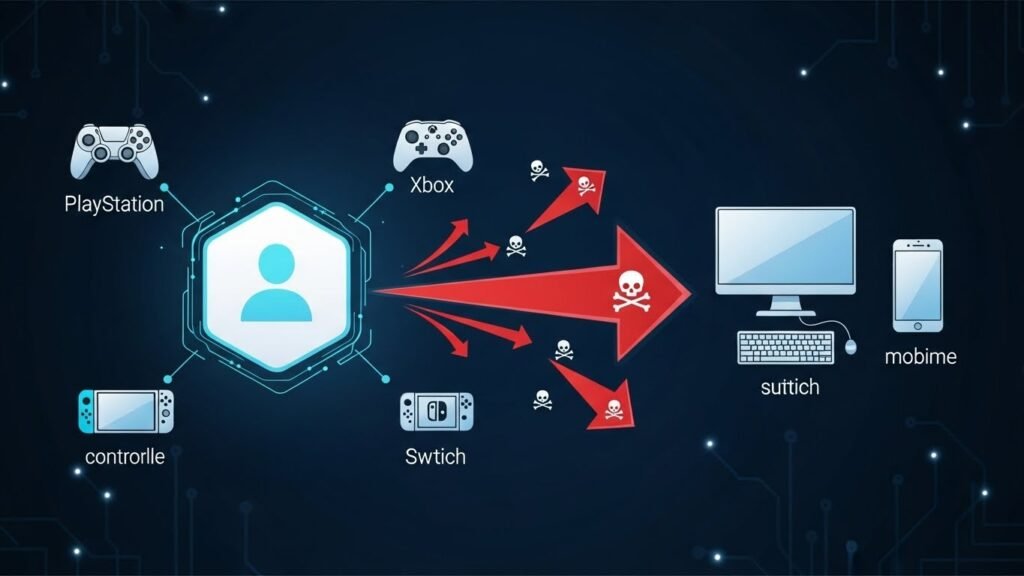
Password length increases resistance against automated guessing. A minimum of fourteen characters slows attack speed using standard tools. Each added character expands possible combinations. Longer strings offer stronger protection even without special symbols, especially when unique to one gaming service.
Word Selection Matters More Than Symbols

Random word combinations outperform short strings with symbols. Four unrelated words form a structure easier to remember and harder to guess. Common gaming terms or character names reduce strength. Unique words unrelated to personal interests provide better separation from public data.
Avoid Reuse Across Platforms

Reusing credentials across launchers, forums, and game stores links risk between accounts. A breach on one site often leads to access elsewhere. Separate passwords for each platform limit damage. Password managers support storage without memory strain during frequent logins.
Password Managers Reduce Human Error
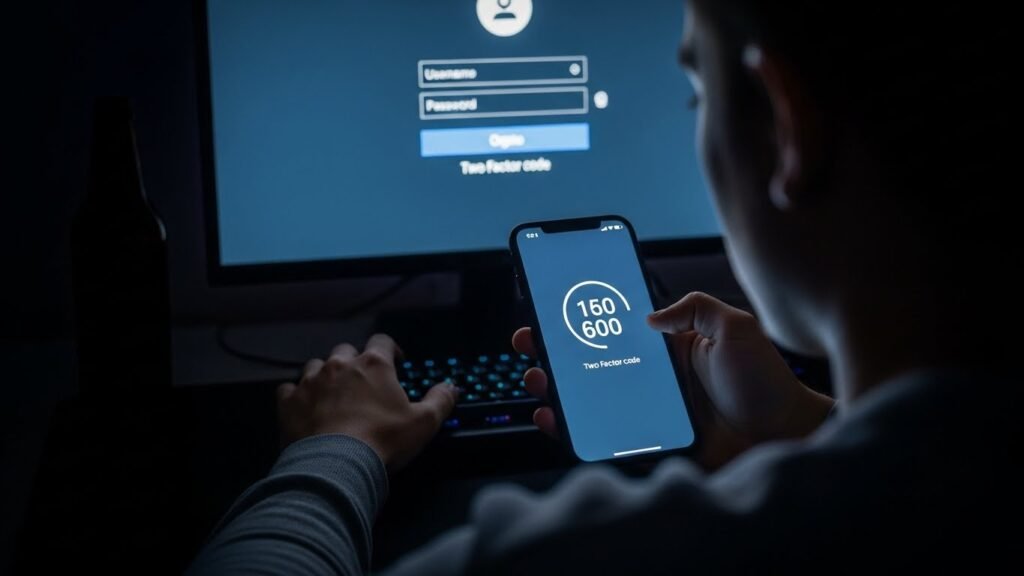
Manual tracking leads to predictable patterns. Password managers generate long random strings and store records securely. Many managers support console and mobile access. Using one manager reduces repeated typing and lowers exposure during login sessions on shared devices.
Two Step Verification Adds Control

Two step verification adds a second check beyond the password. Many gaming platforms support app based codes or hardware keys. This step blocks access even after password exposure. Activation protects accounts during phishing attempts targeting competitive players and streamers.
Update Cycles Should Follow Risk

Frequent forced changes lead to weaker patterns. Updates after breaches or device loss provide better timing. Monitoring platform security alerts guides update decisions. Changing passwords after public leaks linked to gaming services reduces exposure from reused credentials.
Public Devices Require Extra Care
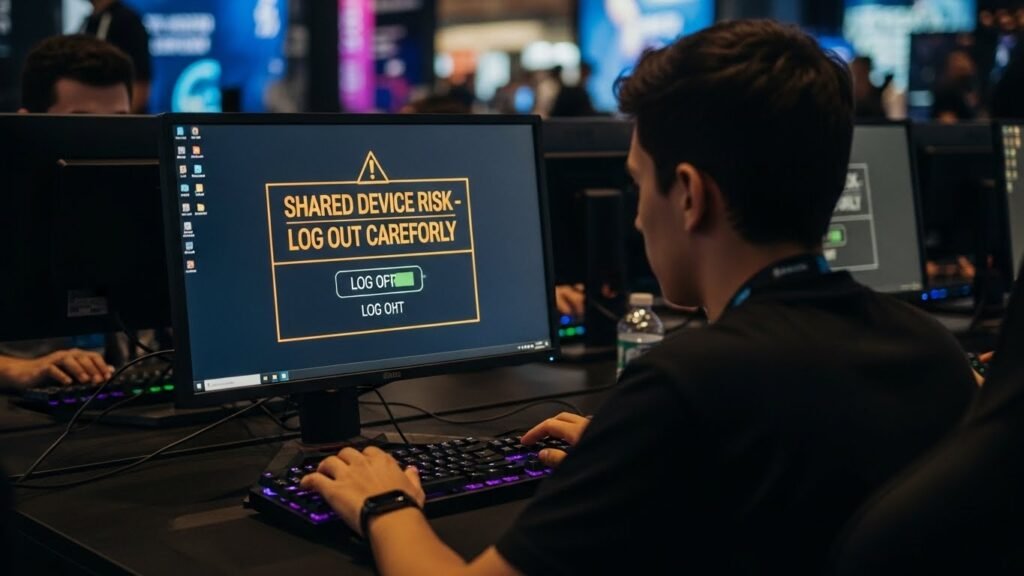
Shared systems at events or cafes raise capture risks. Logging in on public machines exposes keystrokes and saved sessions. Temporary passwords reduce long term impact. Logging out fully and avoiding browser storage protects credentials during offline play.
Email Security Supports Password Strength
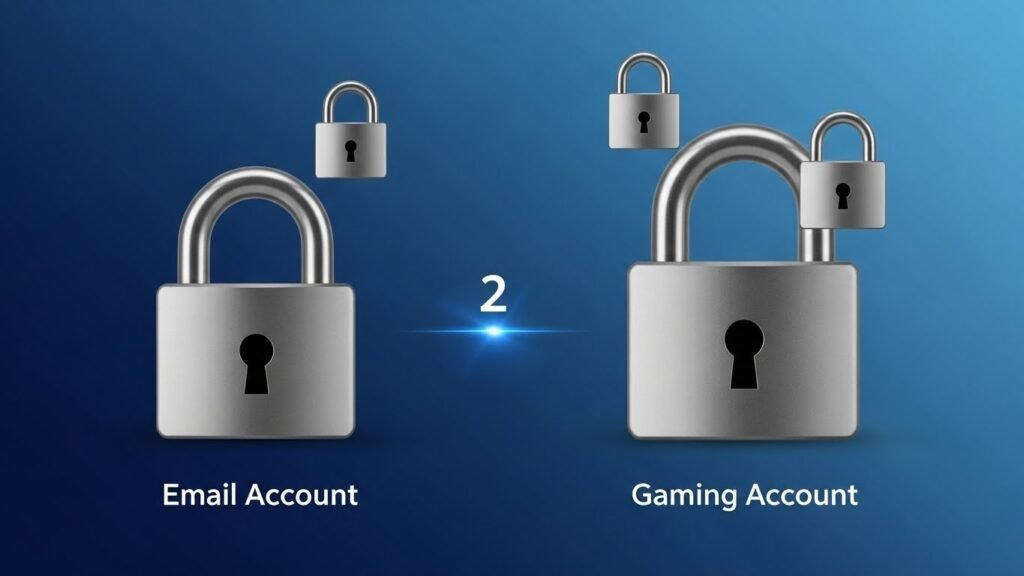
Email accounts reset gaming passwords. Weak email access undermines strong game logins. Separate credentials for email reduce takeover risk. Two step verification on email accounts blocks reset abuse tied to gaming platforms.
Practice Builds Habit Strength

Strong password routines improve with repetition. Setting rules for word count, length, and uniqueness simplifies creation. Regular reviews of stored credentials identify reuse. Consistent habits reduce rushed decisions during new game launches or seasonal events.