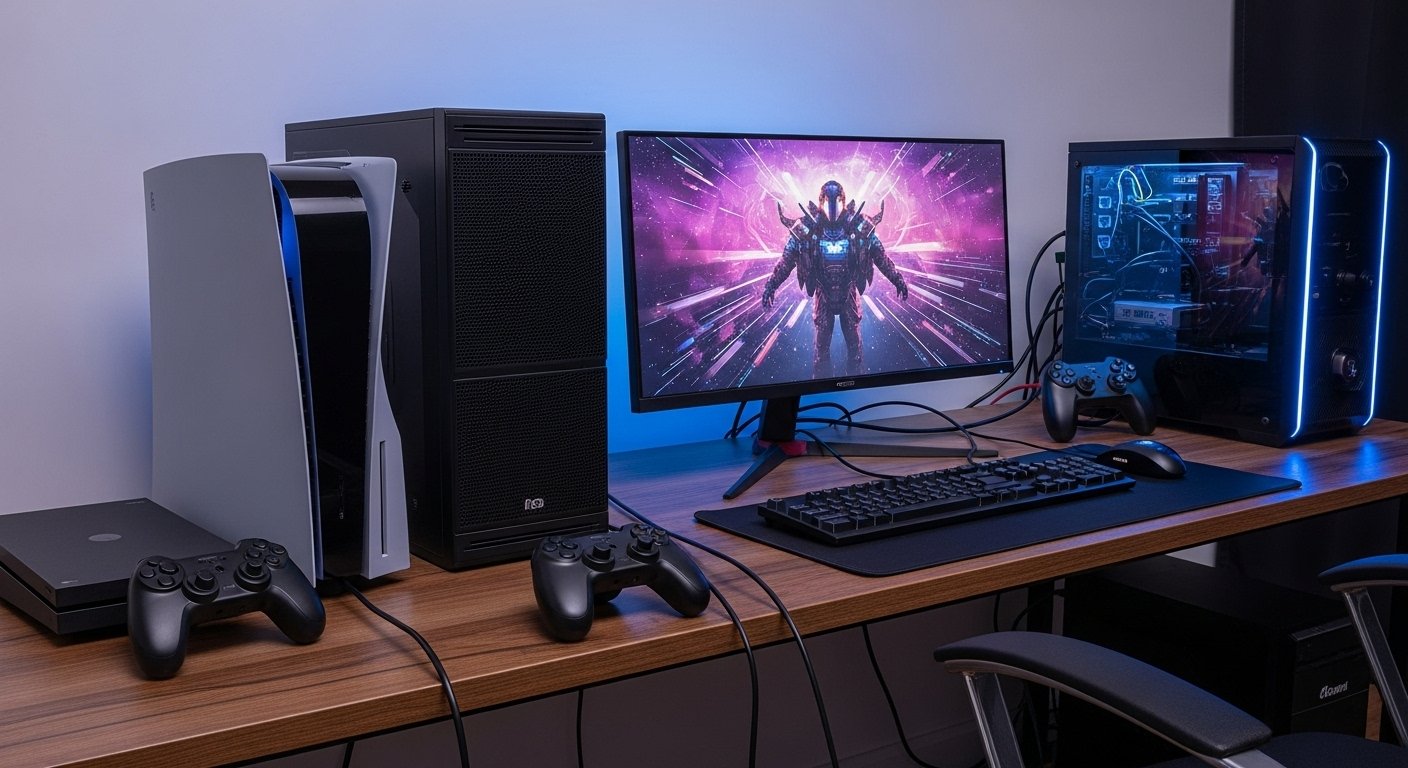
Long games require constant power supply to the consoles, PCs, monitors, and networking equipment. Outages see a lot of homes use generators and the extension cords to have a quick set-up. This approach introduces electrical stress when planning falls short. Cord quality, length, and load handling affect hardware safety and generator output. Clear awareness helps gamers protect equipment, avoid disruption during matches, and maintain safe home power flow during generator based gaming sessions.
Why Gaming Setups Depend on Generators
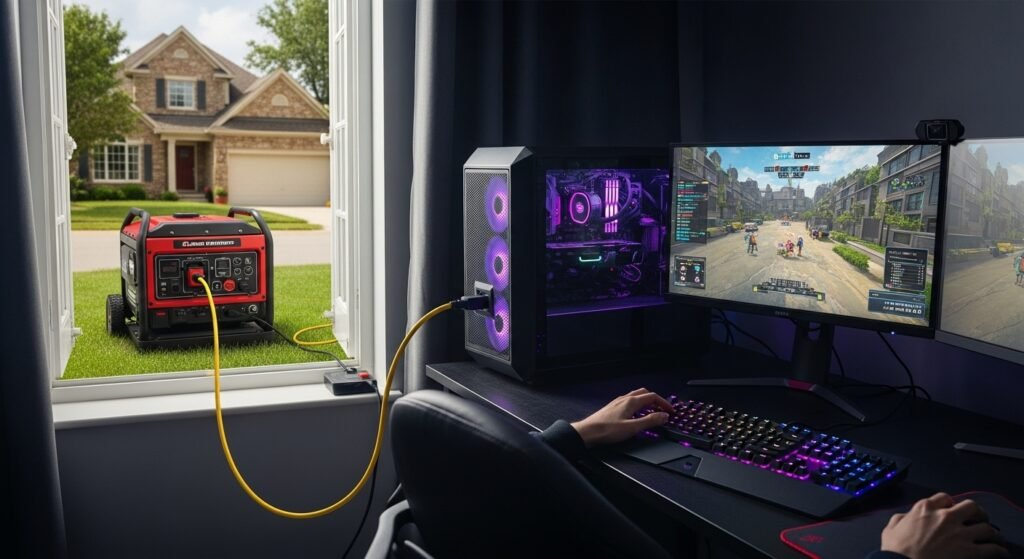
Online gaming, streaming, and tournaments demand uninterrupted power. A generator supplies electricity during grid failure. Extension cords connect generator outlets to gaming rooms across walls and hallways. This dependency increases risk when cords lack proper rating or structure. Gaming hardware draws uneven loads during active play, which amplifies weaknesses in poor extension cord setups.
Electrical Load Behavior During Gaming
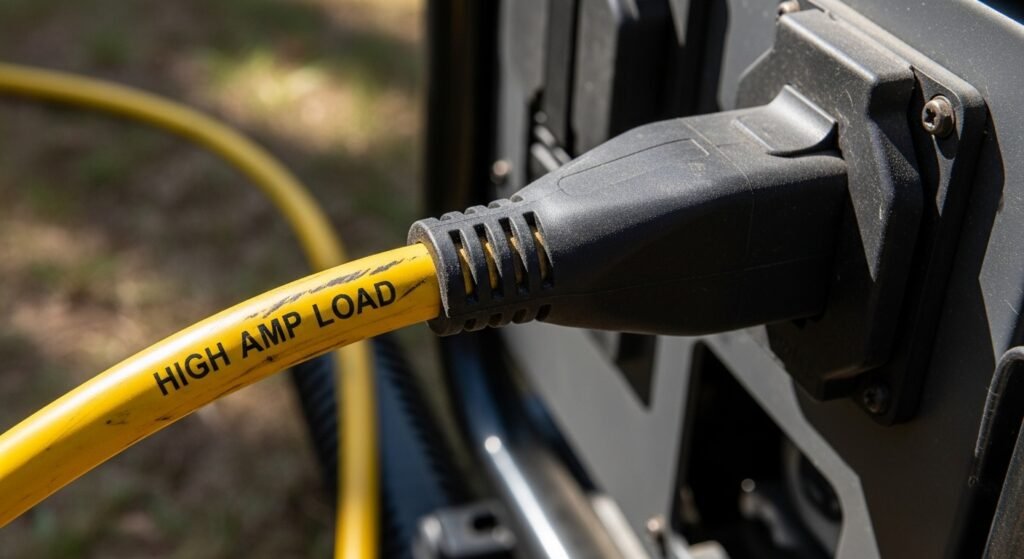
Gaming PCs and consoles shift power demand rapidly. Graphics processing peaks during intense scenes. Streaming adds constant load. Extension cords introduce resistance across distance. Resistance creates heat and voltage loss. These changes affect power supplies and reduce electrical stability. Over time, repeated stress lowers reliability across connected gaming devices.
Overloading from Multi Device Connections
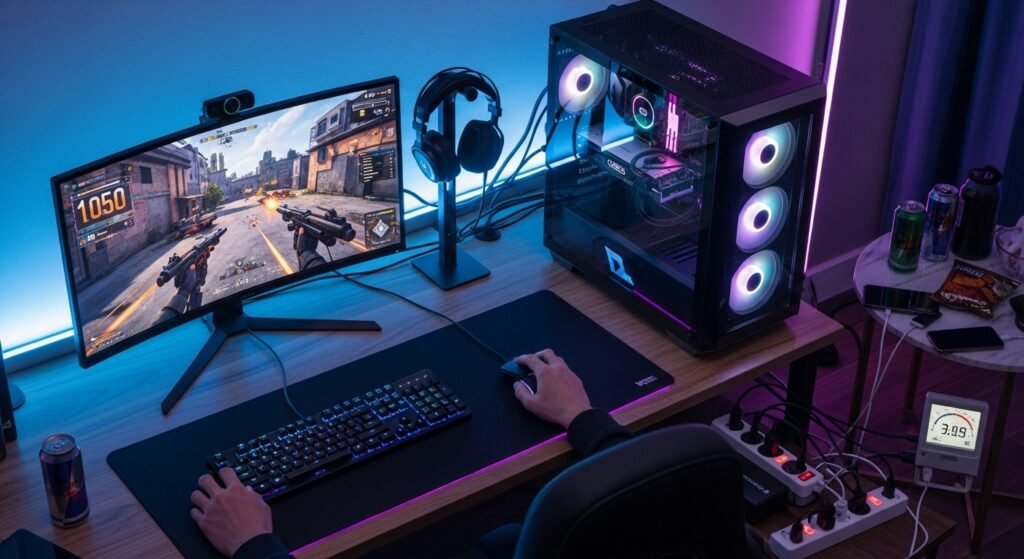
A standard gaming station comprises of a PC or console, various monitors, speakers, routers, and charging stations. There are numerous systems in which all of the devices are in a single extension cord. Such a set up is over corded. The surplus current heats conductors and damages plugs. The generation is variable and will not synchronize with the active game play because the power is seen to be disrupted as the generators fluctuate.
Cord Gauge and Build Quality
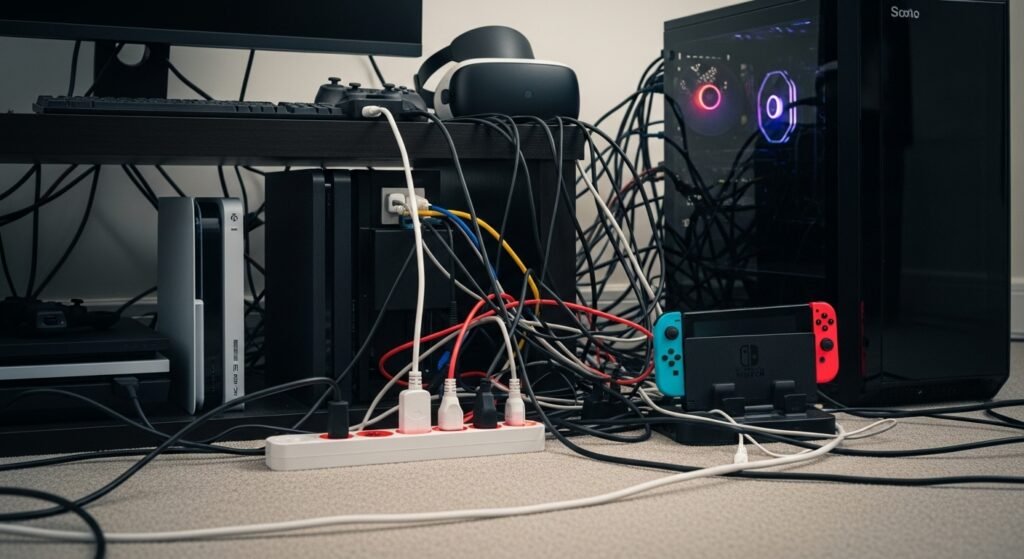
Extension cords differ widely in conductor thickness and insulation strength. Thin cords suit low demand tools, not generators. Gaming setups require heavier gauge cords with higher amp ratings. Poor insulation degrades under heat from sustained load. Generator rated cords support consistent delivery and protect connected electronics from electrical stress.
Generator Response to Cord Limitations
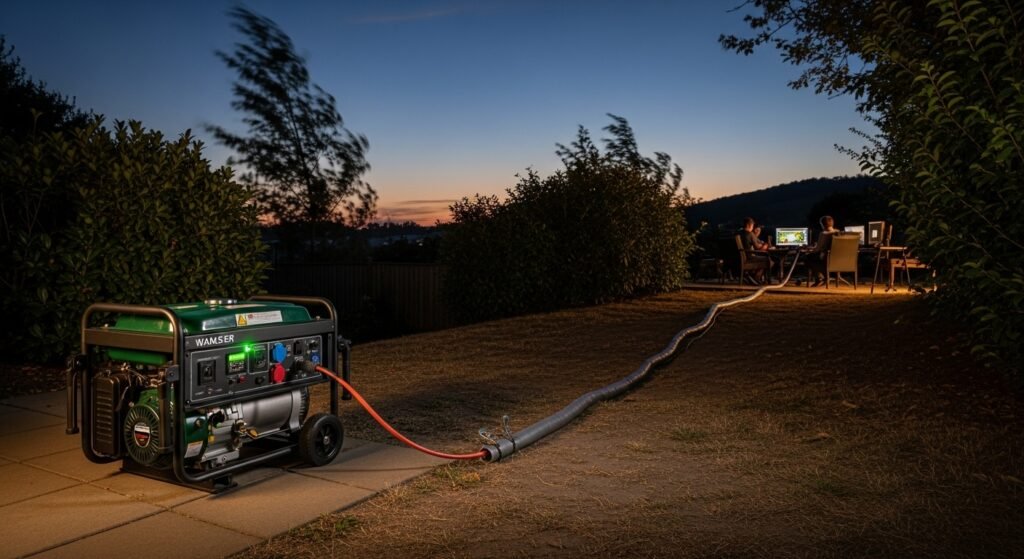
Generators regulate output based on connected load. Long or undersized extension cords distort load feedback. The generator engine compensates with uneven voltage. This behavior increases mechanical strain and fuel use. Stable cabling supports smoother generator operation and improves power consistency for gaming equipment.
Grounding and Voltage Control
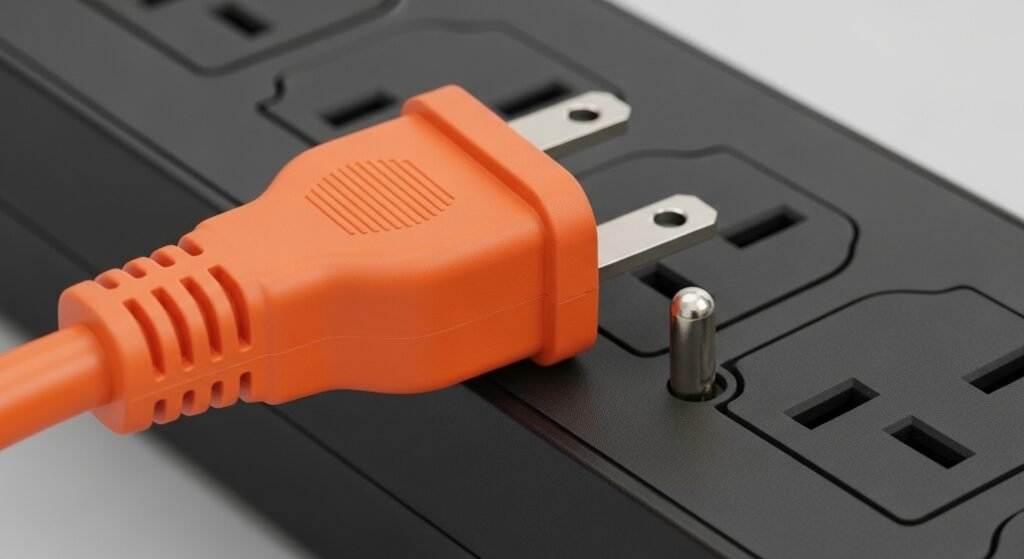
Proper grounding protects electronics from voltage swings. Some extension cords lack grounding paths or include damaged pins. Gaming hardware relies on grounded connections for internal protection. Voltage shifts during load changes travel through cords into power supplies. Grounded cords and protective devices reduce exposure during generator powered gaming.
Outdoor Exposure and Cord Wear
Generators operate outdoors while gaming setups remain indoors. Extension cords bridge this gap through doors or windows. Rain, dust, and sunlight degrade insulation. Moisture intrusion increases resistance and connector corrosion. Environmental wear reduces electrical reliability and affects indoor gaming performance during long sessions.
Safe Practices for Gaming Power Setup
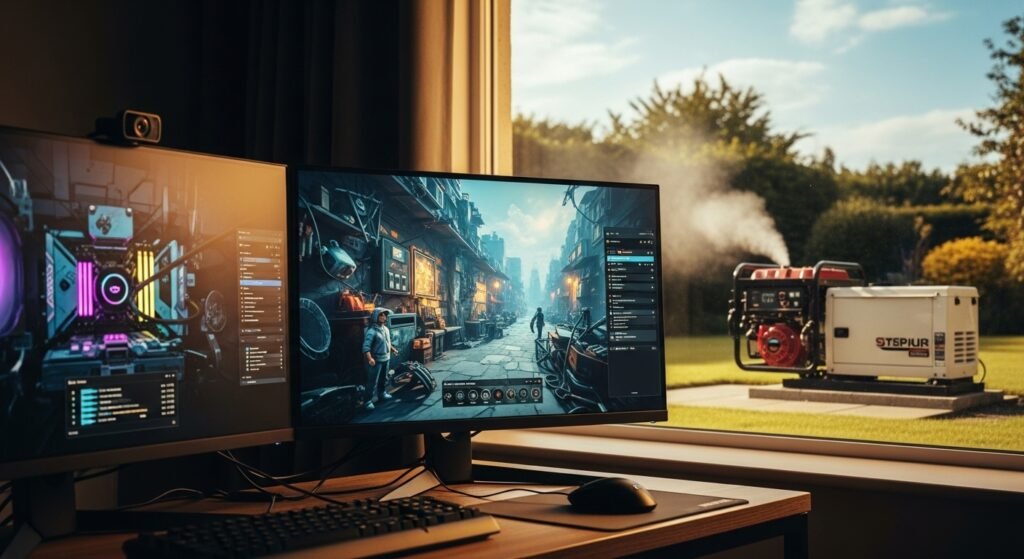
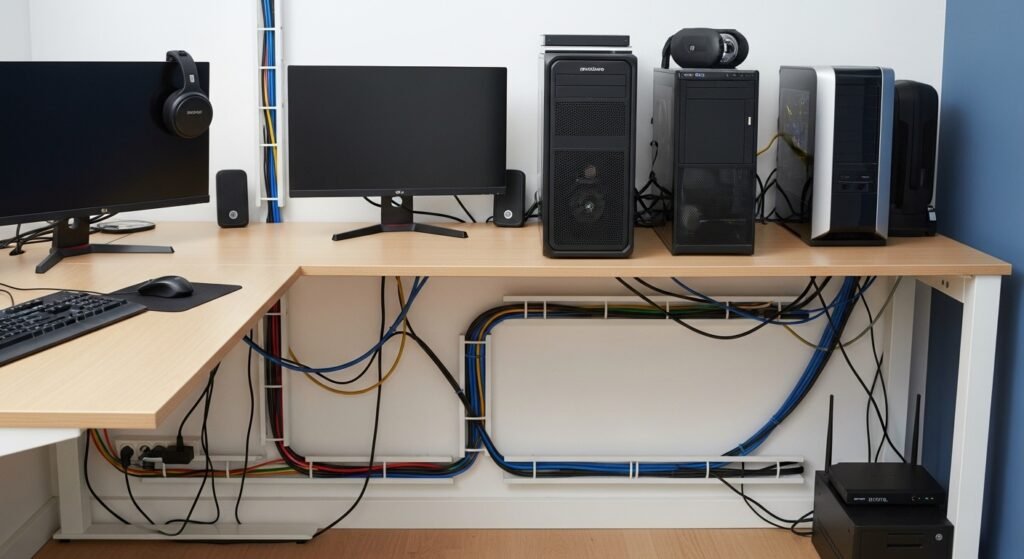
Short, heavy gauge, generator rated extension cords support gaming loads. Dedicated cords for gaming equipment prevent overload. Open routing improves cooling. Grounded plugs and protective accessories add stability. Routine inspection before sessions helps identify wear early and supports reliable power delivery during competitive gaming play.