Digital networks continue to change how people play, connect, and spend time online. Gaming sits near the center of this shift due to high data use, real time interaction, and global audiences. Network speed, device diversity, and platform design influence player behavior and business models. This article reviews key trends shaping online systems with a focus on gaming, competitive play, and interactive media. Each section highlights practical developments already visible across leading platforms and studios.
Low Latency Networks and Competitive Play

Faster data routing reduces input delay during online matches. In competitive shooters, a delay drop from 40 milliseconds to 15 milliseconds improves hit accuracy and reaction outcomes. Tournament platforms invest heavily in regional servers to support this shift. Players gain more consistent performance across ranked modes.
Cloud Based Game Access

Remote processing allows high quality games to run on modest hardware. Services stream gameplay from data centers, reducing reliance on expensive consoles or graphics cards. Market data from 2025 shows cloud gaming sessions growing over 30 percent year over year. Developers reach wider audiences through subscription access models.
Persistent Online Worlds
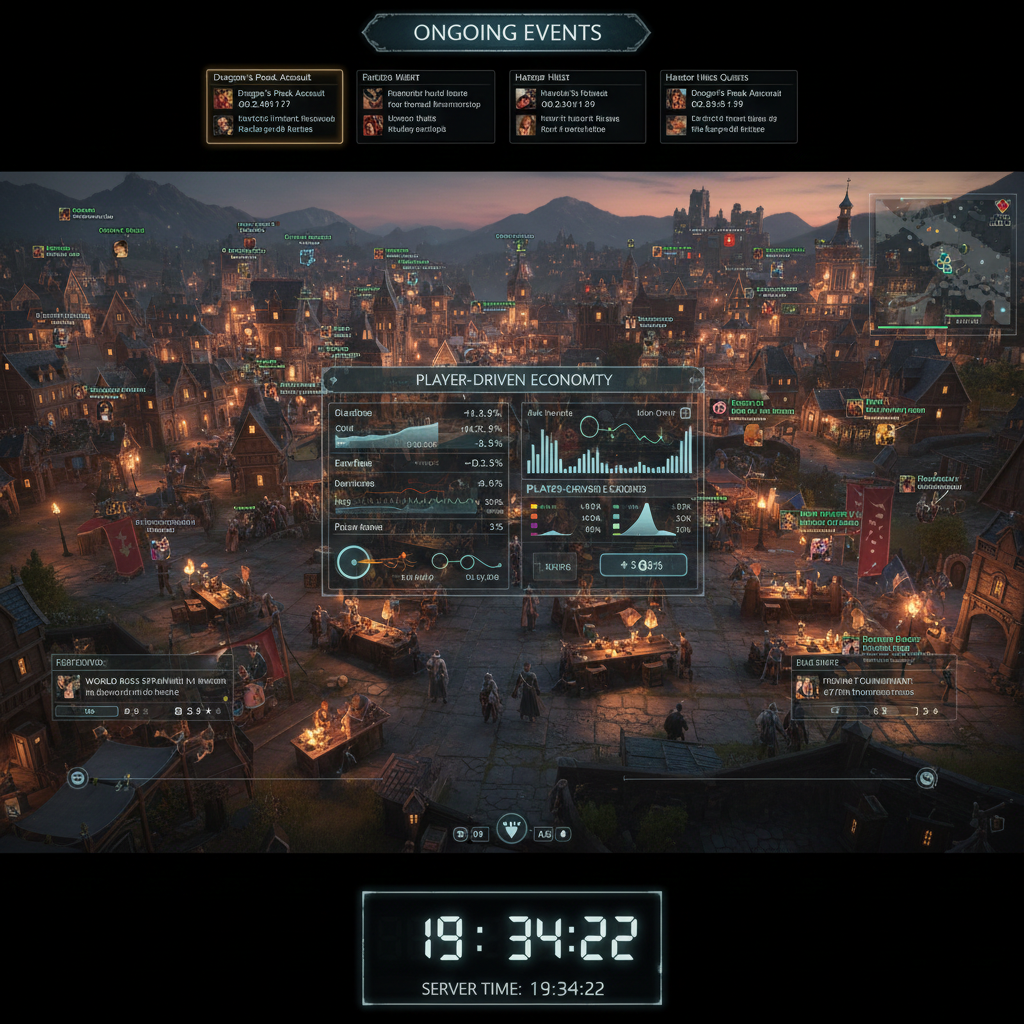
Always active game worlds keep progress running beyond individual sessions. Resource markets, timed events, and player driven economies operate continuously. Popular role playing games report higher daily return rates after adopting persistent systems. Engagement grows through scheduled updates and live content drops.
User Generated Content Platforms

Creation tools allow players to build maps, levels, and cosmetic items. Platforms reward top creators through revenue sharing programs. A major sandbox title paid over 250 million dollars to creators during a single year. Community content extends product lifespan without large studio teams.
Cross Platform Play Standards

Shared matchmaking across console, PC, and mobile expands player pools. Unified accounts track progress across devices. Data from multiplayer titles shows queue times falling by over 40 percent after cross play rollout. Social groups stay intact across hardware differences.
Digital Identity and Account Security

Single sign on systems manage profiles, purchases, and progression. Gaming accounts hold financial and social value, making security critical. Two factor verification adoption reduces account theft incidents by measurable margins. Publishers invest in identity tools to protect long term users.
Artificial Intelligence in Game Services

Automated systems manage matchmaking, moderation, and customer support. Machine learning models flag cheating patterns based on behavior data. Large publishers report faster response times after AI based ticket handling. Human teams focus on complex cases and design work.
Social Features as Core Infrastructure

Voice chat, friend systems, and shared hubs shape player retention. Games operate as social spaces rather than isolated products. Titles with integrated group tools show longer average session lengths. Communication layers influence success more than visual upgrades.
Data Driven Game Design

Player behavior data informs balance updates and feature planning. Heatmaps reveal movement patterns and failure points. Studios adjust difficulty curves using live metrics instead of assumptions. Data review cycles shorten update timelines across service based games.
Decentralized Server Distribution

Edge servers process traffic closer to players, reducing congestion. Regional deployment supports smoother gameplay during peak hours. Large scale launches rely on distributed infrastructure to avoid outages. Network planning becomes a core skill for modern game publishers.