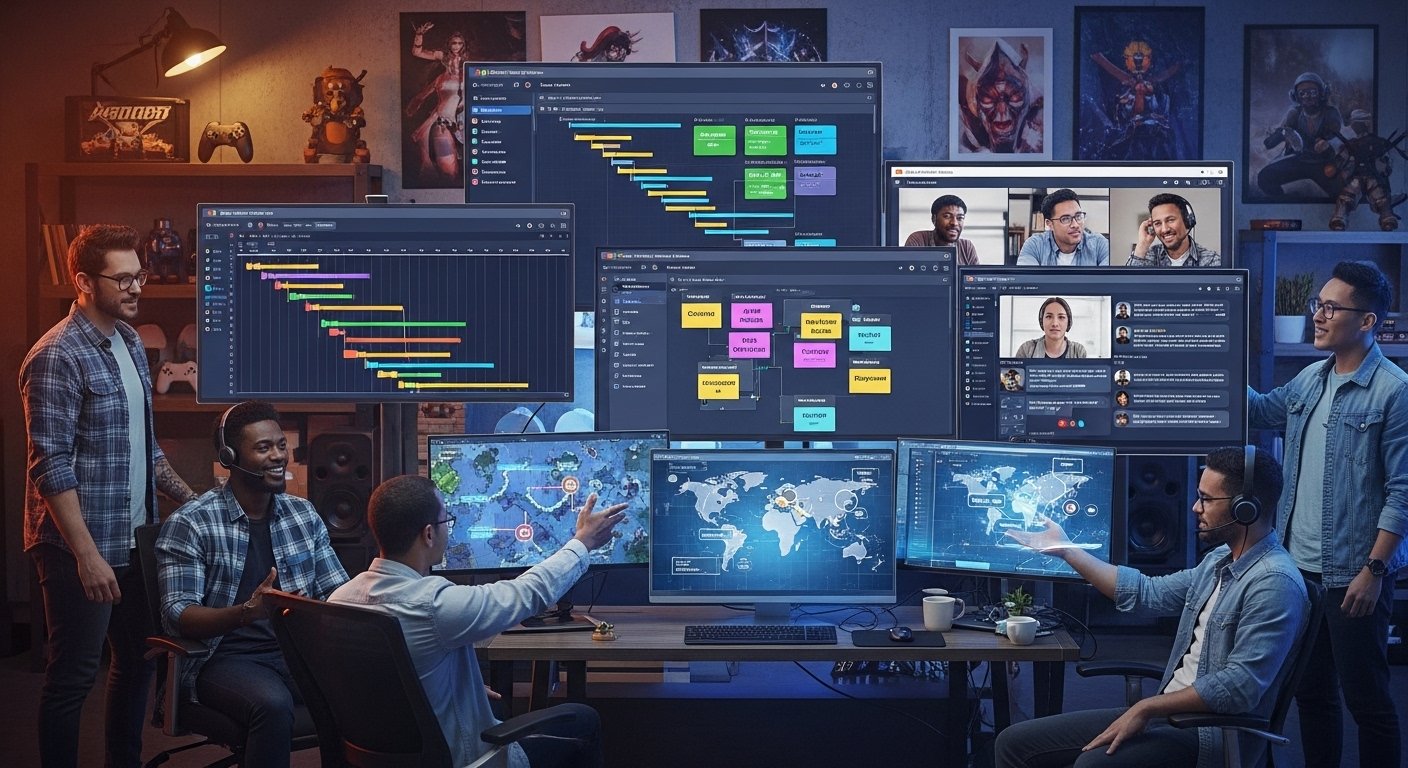
Project management in game development involves tight schedules, large asset libraries, and frequent iteration. Delays in one area often affect art, code, and testing at the same time. Tech tools reduce friction across these workflows. The following sections explain practical ways digital platforms support planning, tracking, collaboration, and delivery for gaming projects. Each section focuses on direct use cases drawn from day to day production environments.
Task Planning and Sprint Structuring
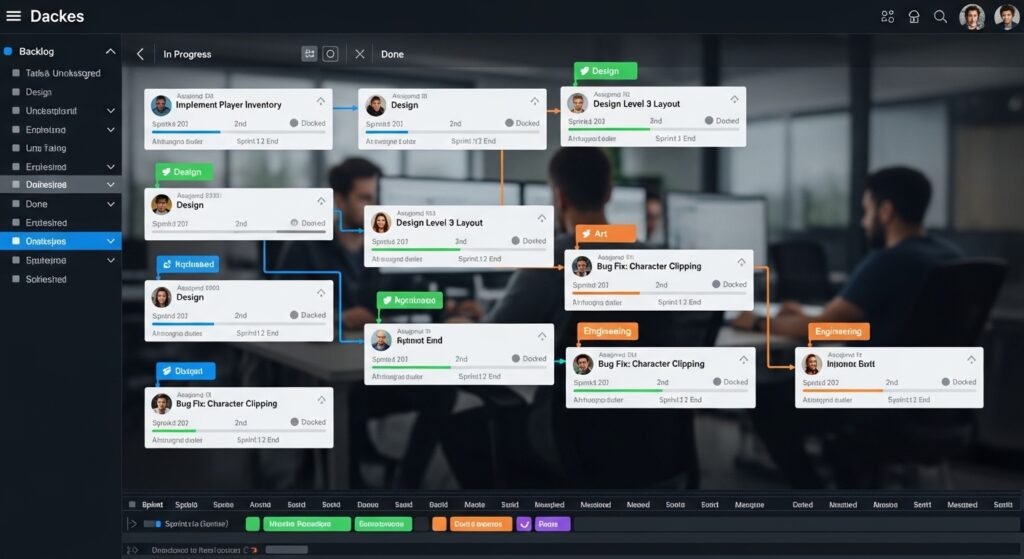
Digital planning tools support clear task breakdown for game features, levels, and patches. Producers assign tasks with deadlines tied to sprints or milestones. Visibility across backlogs reduces missed dependencies between design, art, and engineering. Teams track progress daily without relying on manual status updates.
Real Time Progress Tracking
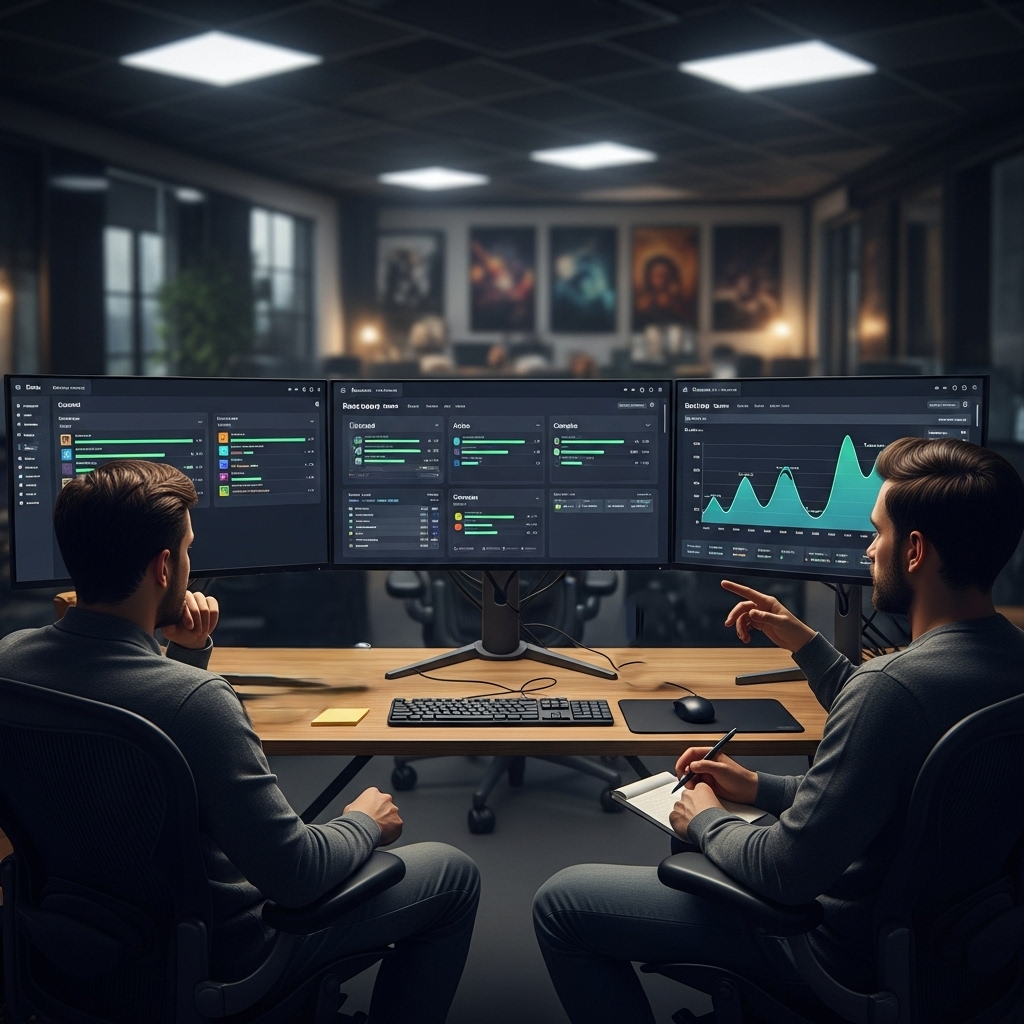
Dashboards show task states such as queued, active, or complete. Leads review progress without meetings or email threads. When animation or code tasks fall behind schedule, adjustments occur early. This structure supports predictable delivery across builds and update cycles.
Centralized Asset Management

Game projects generate thousands of files across models, textures, audio, and scripts. Centralized repositories store assets with clear ownership and version history. Artists and developers access current files without duplication. Fewer errors appear during integration and build preparation.
Team Communication Alignment

Integrated chat and comment systems link discussions directly to tasks or assets. Designers share feedback on level layouts within the same workspace. Engineers respond with implementation notes. Context stays intact, reducing confusion across time zones or shifts.
Bug Tracking and Issue Resolution

Testing tools log bugs with reproduction steps, screenshots, and severity levels. Issues route directly to assigned developers. Clear visibility into open defects supports stable builds. Testing teams spend less time repeating reports or clarifying priorities.
Time Tracking for Production Control

Time tracking features record effort spent on features, fixes, and optimization. Producers review data against estimates to improve future planning. Resource allocation improves across gameplay systems, art passes, and performance tuning tasks.
Cross Discipline Workflow Coordination
Game development requires coordination between narrative, art, audio, and engineering. Workflow tools map dependencies across disciplines. When voice acting delivery affects cutscene timing, schedules update automatically. Teams adjust without cascading delays.
Remote Collaboration Support
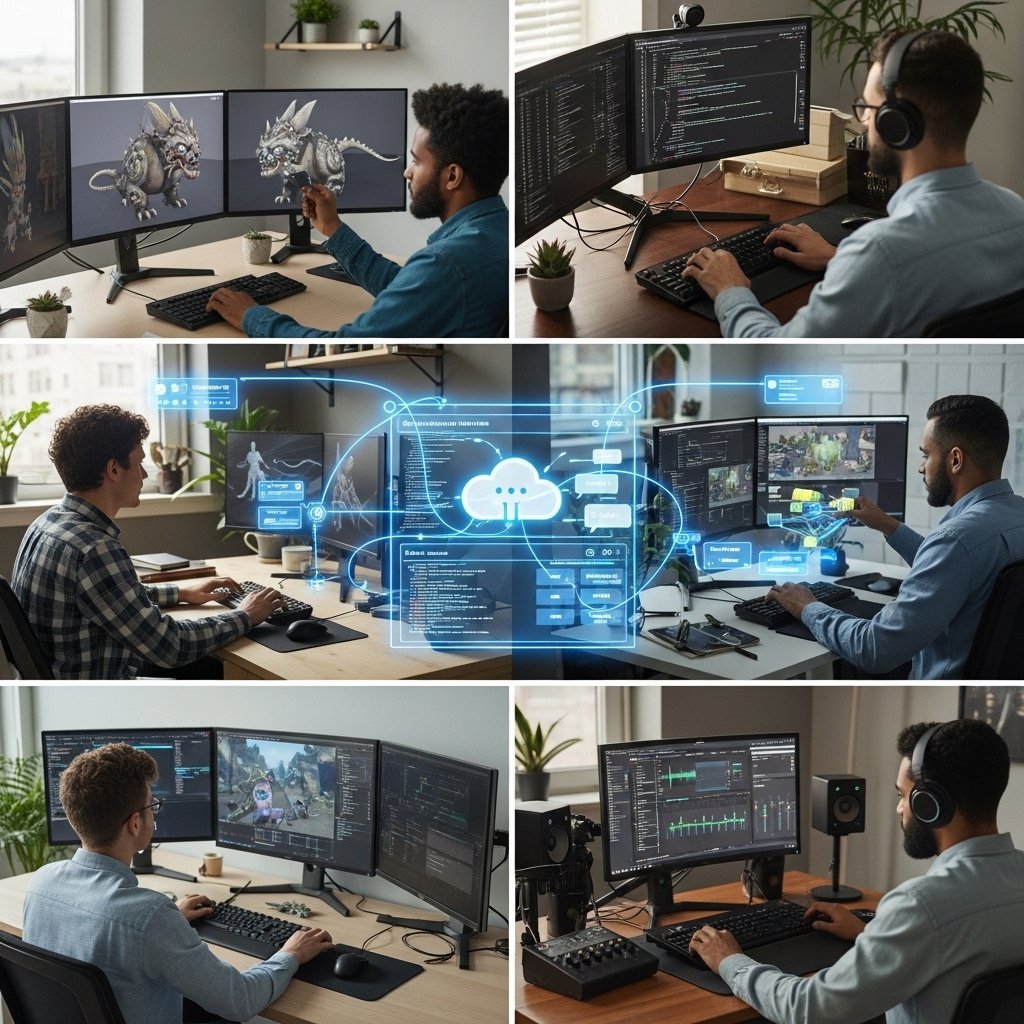
Distributed teams rely on shared platforms for coordination. Cloud based tools support file access, task updates, and reviews from any location. Studios maintain momentum during remote work without relying on local servers or in person reviews.
Reporting for Stakeholder Updates
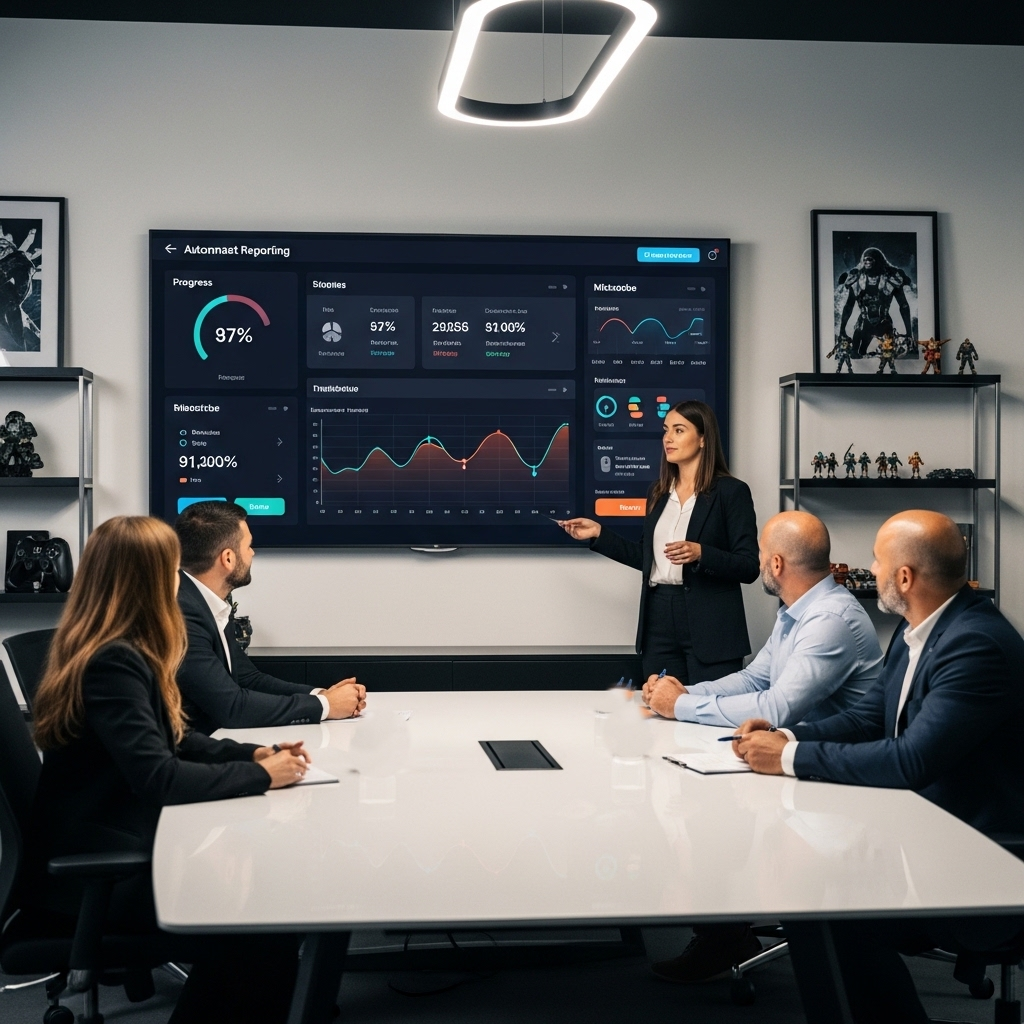
Automated reports summarize progress, risks, and milestone status. Producers share updates with studio leadership or publishers using clear metrics. Less time goes into manual slide preparation. Decisions rely on current project data.
Release and Patch Management
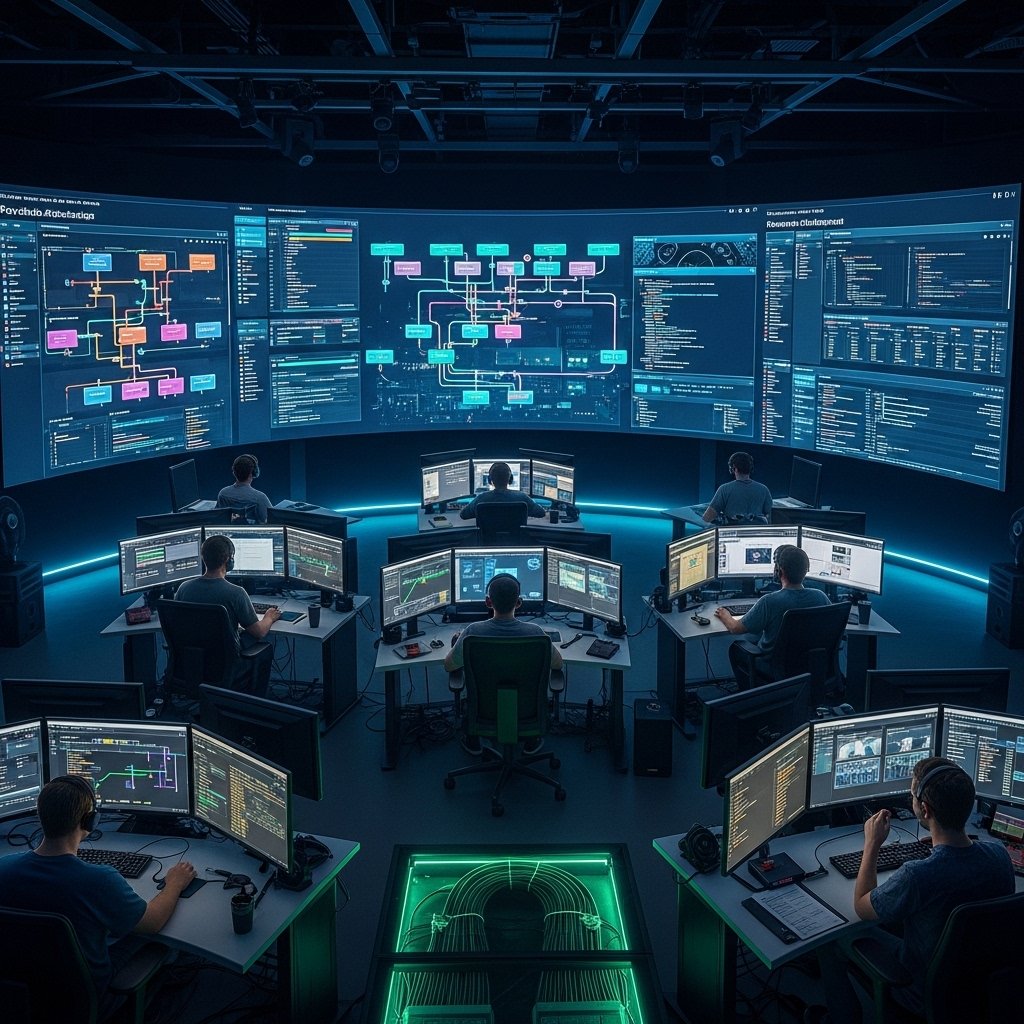
Release tracking tools manage versioning, approvals, and deployment steps. Teams coordinate hotfixes and content updates with minimal disruption. Clear timelines support smoother launches across platforms such as console, PC, and mobile.