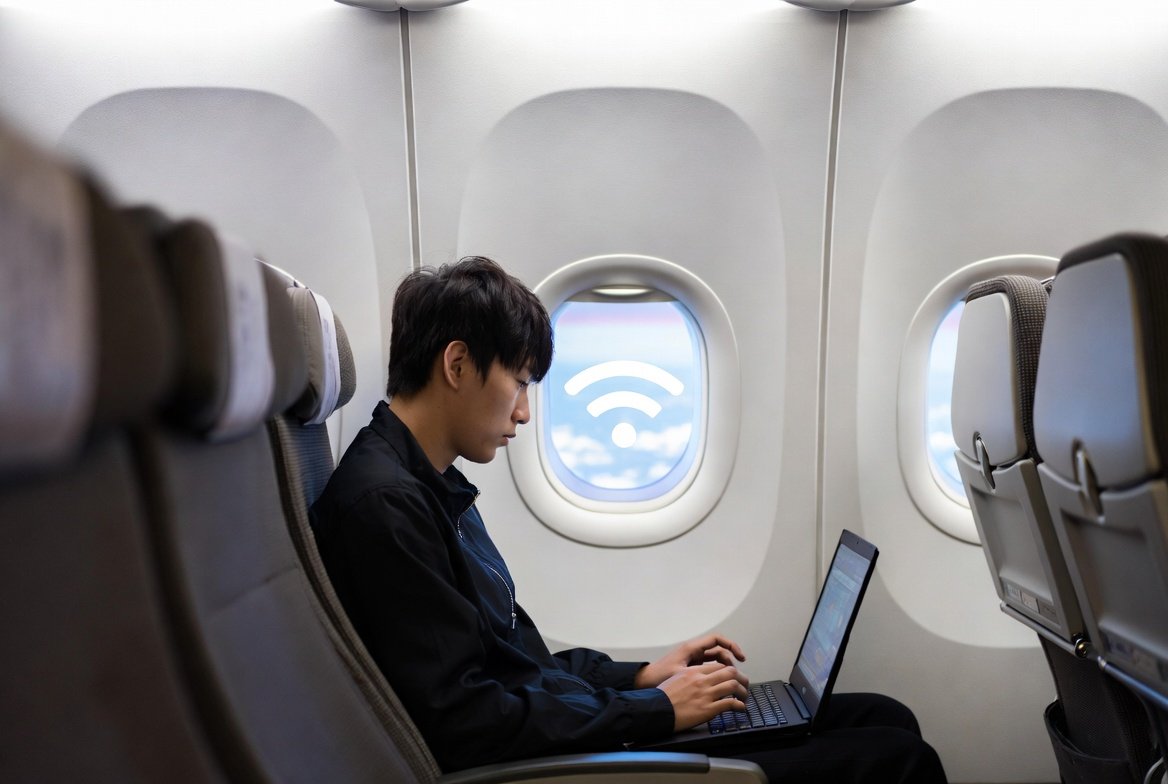
Airplane Wi Fi allows sending messages, browsing, and playing games on the plane. The system is based on a network connecting aircraft, ground infrastructure and satellites. The performance is performance by route, altitude and provider. The online games require constant throughput and good latency, thus putting a strain on the airborne networks. It is possible to comprehend the technical layers to understand why there are flights that allow multiplayer sessions and others that have difficulties connecting to the world. Explanation below is disaggregating each component in simple and working terms.
How Signals Leave the Aircraft
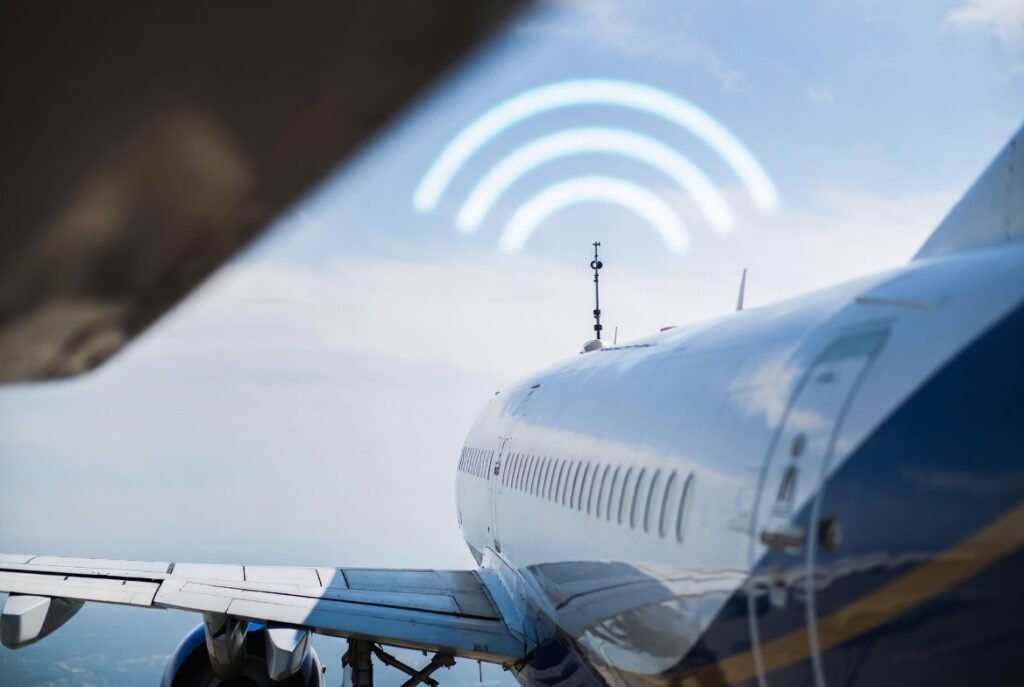
The external antennas of an aircraft are located on the fuselage. These antennas either send radio signals to the satellites or to ground towers. A device within the cabin gives the bandwidth to devices belonging to passengers. Signal strength is determined by the alignment of the antennas, the altitude and the atmospheric conditions of the route taken.
Satellite Based Connectivity
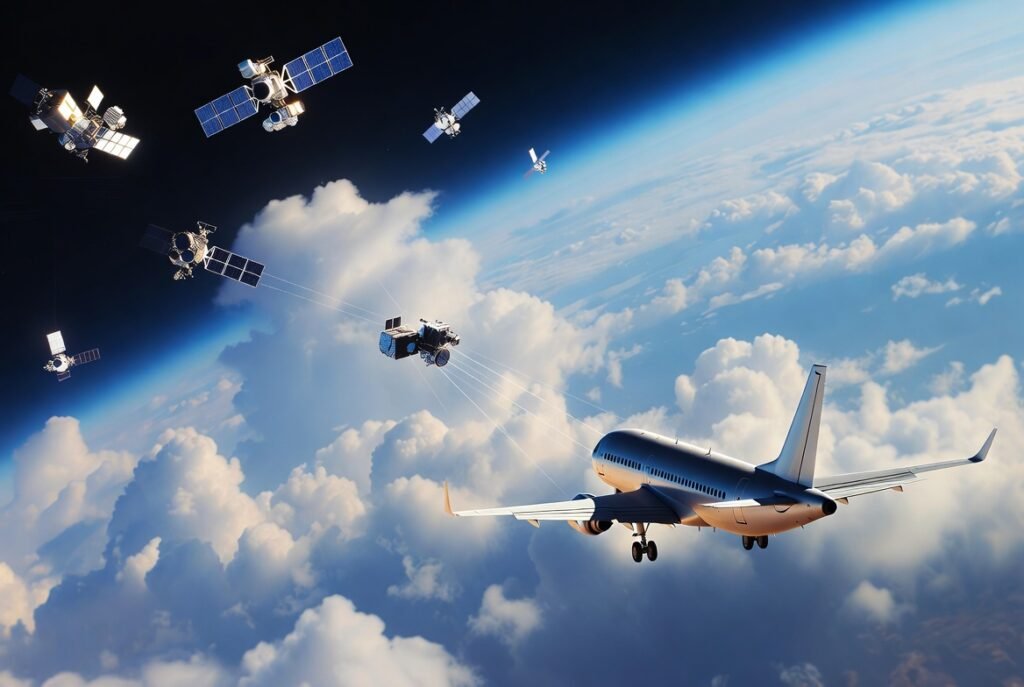
Most long haul flights rely on geostationary or low earth orbit satellites. Data travels from the aircraft to space, then to a ground station connected to the internet backbone. Round trip distance adds latency. Fast paced multiplayer games feel delay under satellite links, while turn based games remain playable.
Ground Tower Connectivity
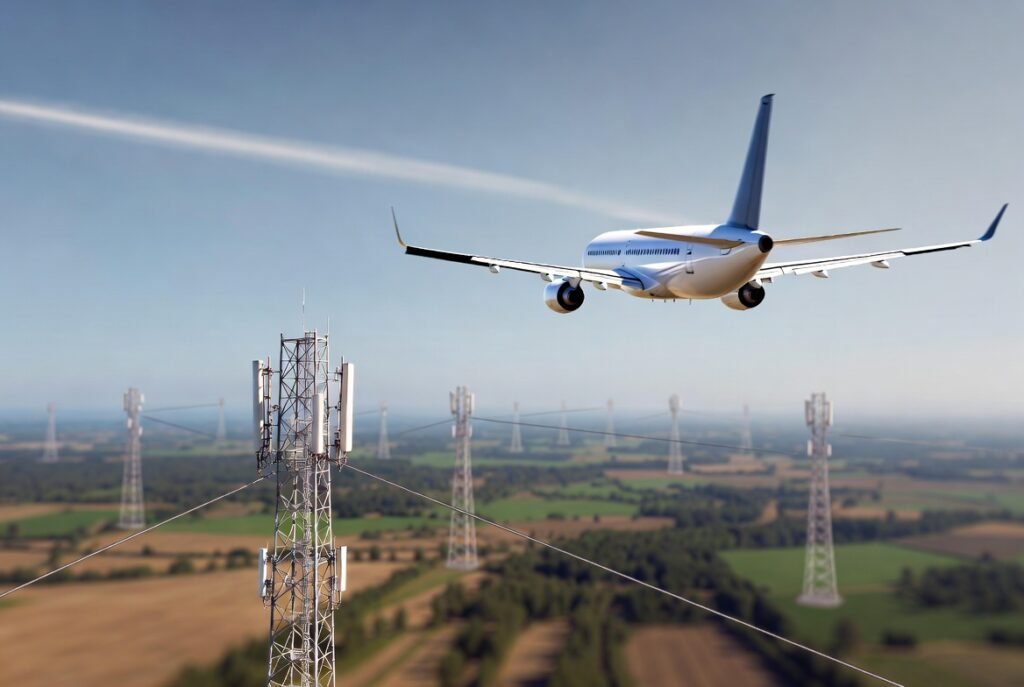
Short haul and domestic flights often use air to ground networks. Aircraft connect directly to cellular style towers placed across land. Data travels shorter distances than satellite paths. Lower latency supports competitive gaming, cloud saves, and real time voice chat during cruise segments over populated regions.
Cabin Network Management
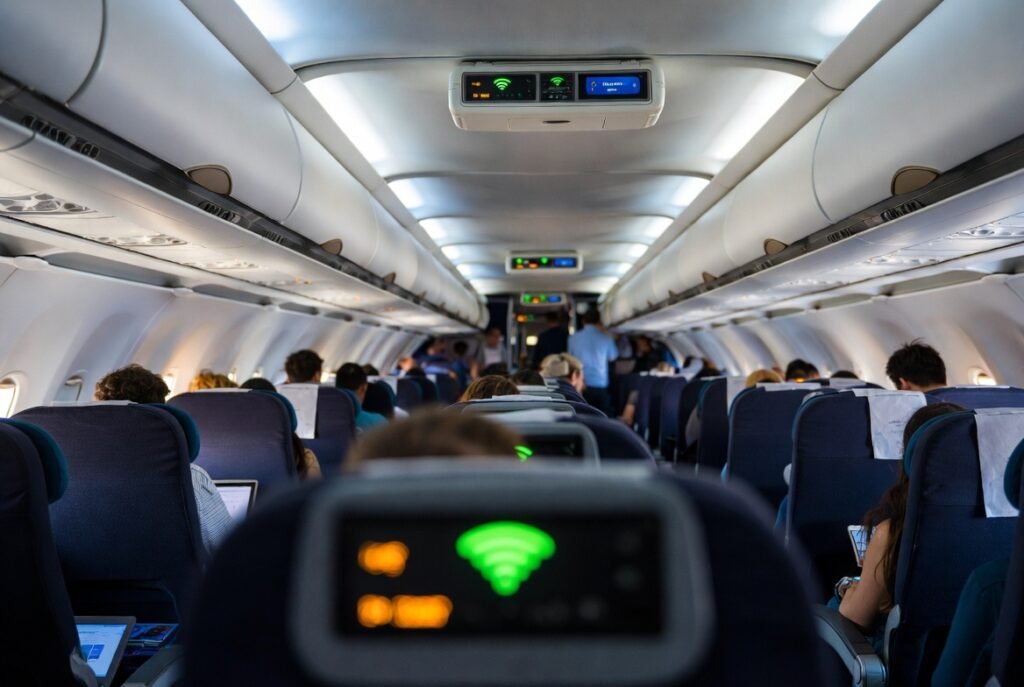
Onboard systems divide bandwidth among connected devices. Streaming, updates, and downloads compete with gaming traffic. Quality of service rules prioritize essential data such as safety systems. Gaming packets receive no special treatment, which leads to lag during peak usage times on full flights.
Latency and Online Games

Latency measures delay between player input and server response. Satellite routes add hundreds of milliseconds. Ground networks deliver lower delay. Strategy games, card games, and asynchronous titles tolerate delay better than shooters or sports simulations requiring rapid feedback loops.
Bandwidth Limits at Altitude
Total available bandwidth per aircraft remains limited. Providers sell access passes based on shared capacity. Large game patches or background updates reduce available throughput. Stable gaming sessions rely on disabling auto updates and limiting background synchronization during flight.
Why Connections Drop

Network handoffs occur as aircraft move between coverage zones. Satellite beams and ground towers change frequently. Each transition risks brief packet loss. Games with strict session persistence disconnect under such conditions, while cloud based casual games reconnect with minimal disruption.
Security and Traffic Control
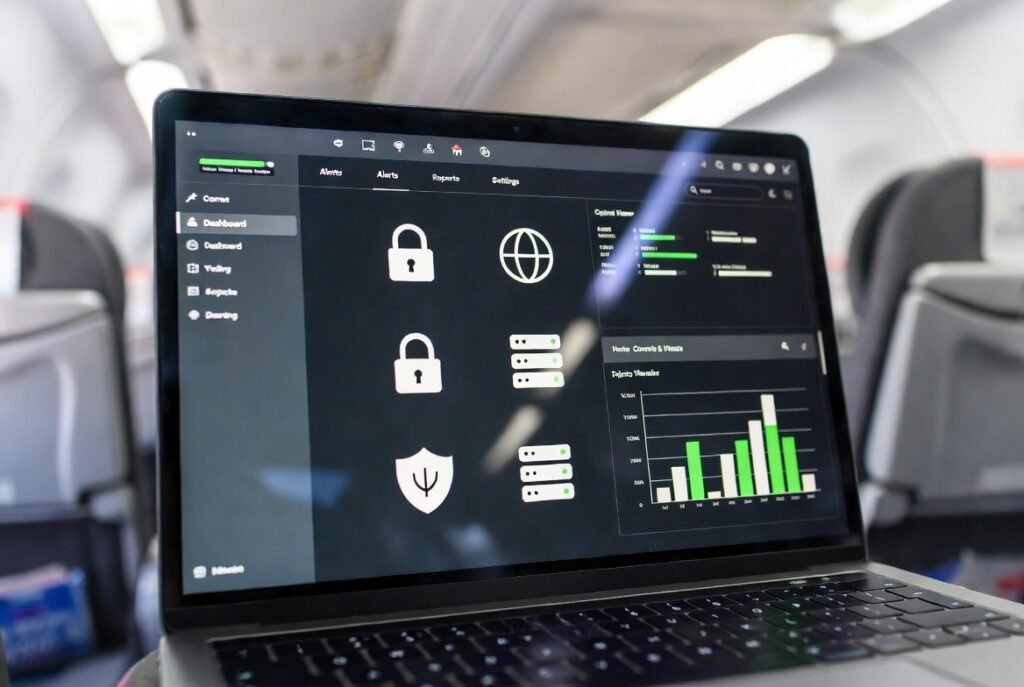
Airborne networks use firewalls and traffic inspection tools. These systems block certain ports and protocols. Some game launchers fail authentication due to restricted outbound connections. Browser based games function more reliably since standard web ports remain open across most providers.
Cost and Performance Tradeoffs
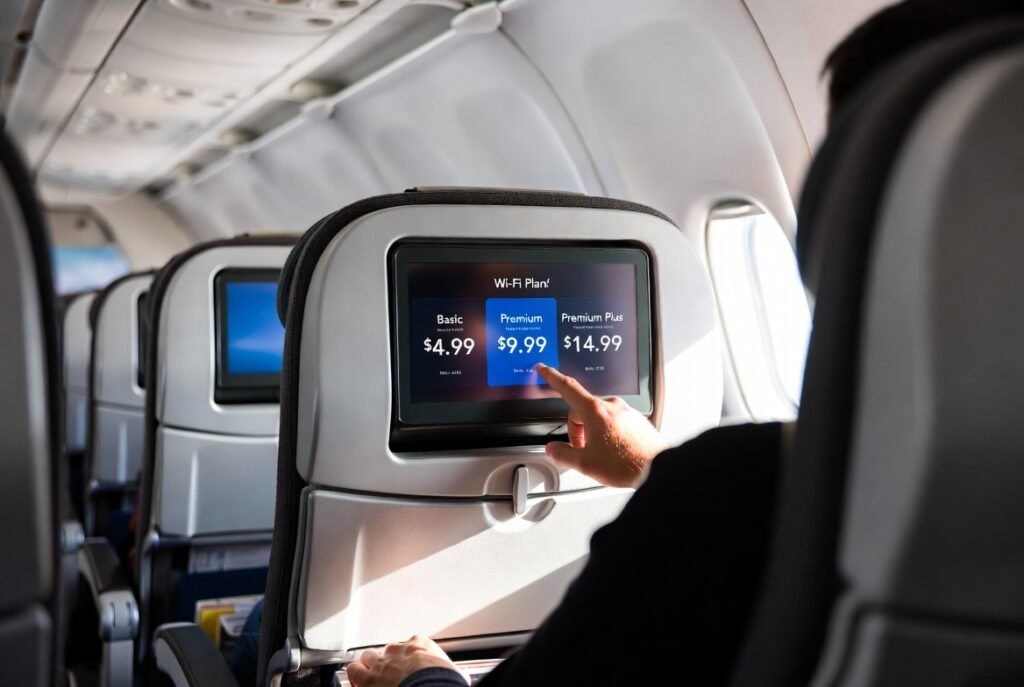
Providers balance coverage, speed, and operating expense. Satellite bandwidth costs remain high. Ground networks require dense tower deployment. Airlines choose configurations based on route economics rather than gaming performance. Premium tiers offer higher speeds, though shared usage still affects play quality.
Future Improvements for Gamers
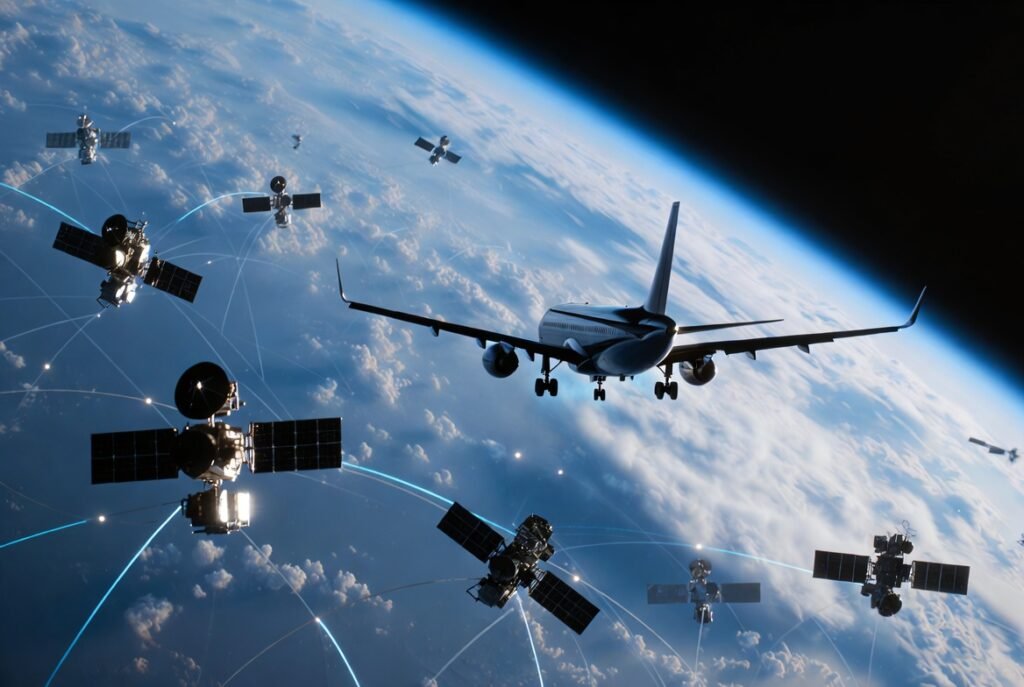
Low earth orbit satellite constellations reduce signal travel distance. Antenna tracking systems improve stability. Combined satellite and ground routing lowers latency variability. These upgrades support smoother cloud gaming, real time multiplayer sessions, and reliable voice communication during extended flights.