
Artificial intelligence now shapes how digital products respond to individual behavior. In gaming, personalization tools adjust settings, content, and feedback based on player actions. This approach improves focus, comfort, and long term engagement. AI driven apps study interaction patterns, device use, and play history. The result involves experiences aligned with specific preferences rather than generic defaults.
Adaptive Difficulty Systems
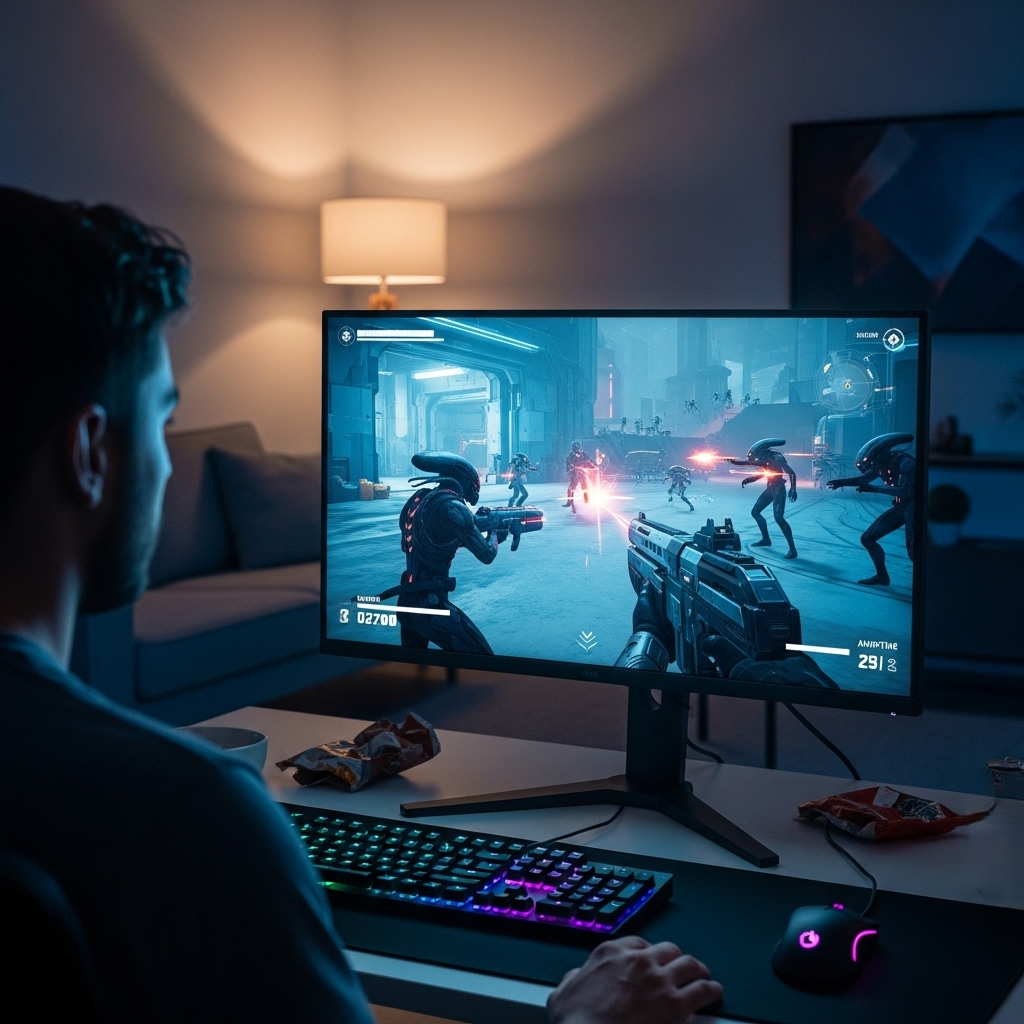
AI powered gaming apps adjust difficulty based on performance data. Metrics include reaction time, error frequency, and session length. When failure rates rise, challenge levels reduce. When performance improves, complexity increases. This method supports steady progress and limits frustration. Many mobile and console titles rely on this system to support retention across skill levels.
Personalized Control Layouts
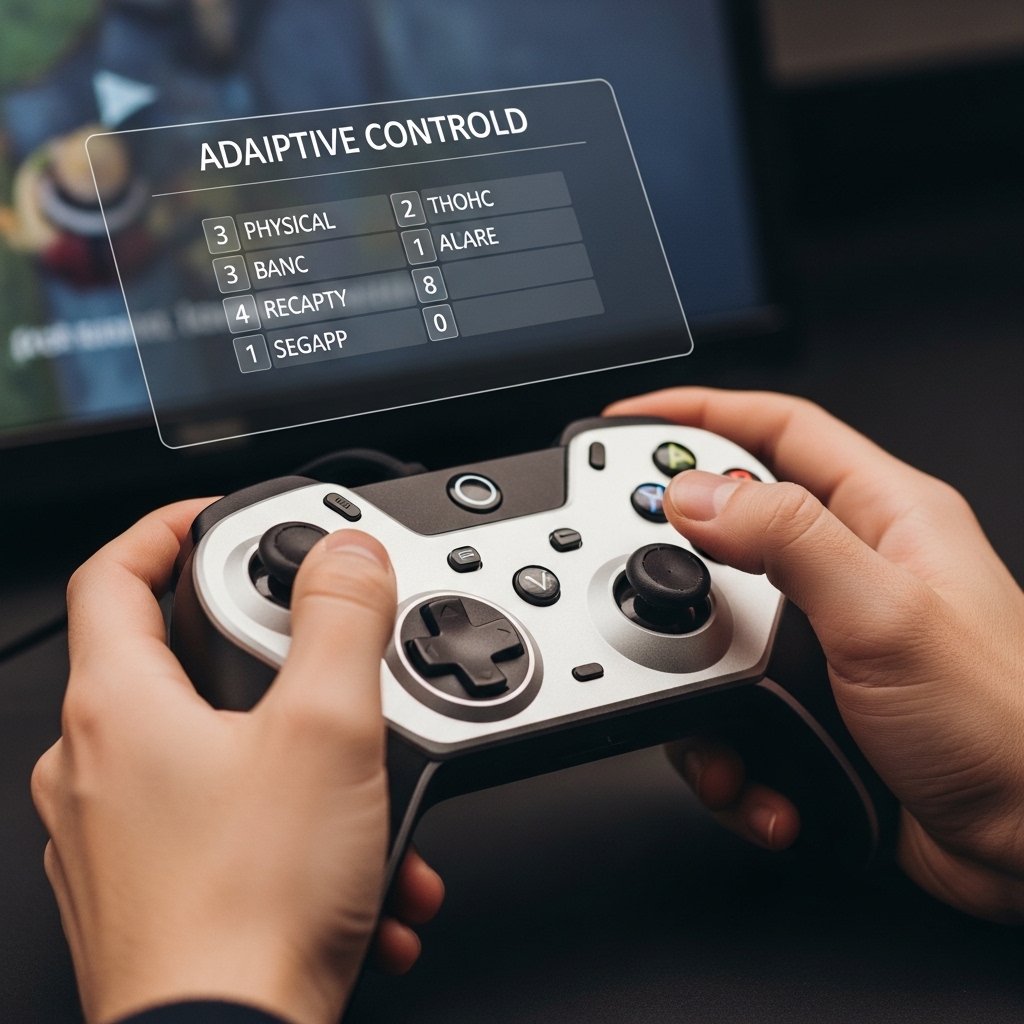
Some AI apps observe control usage patterns during gameplay. Button frequency, response delay, and hand movement data guide layout suggestions. After repeated sessions, control schemes adjust for comfort and speed. Competitive players benefit from reduced input friction. Casual players gain smoother interaction without manual configuration steps.
Dynamic In Game Recommendations
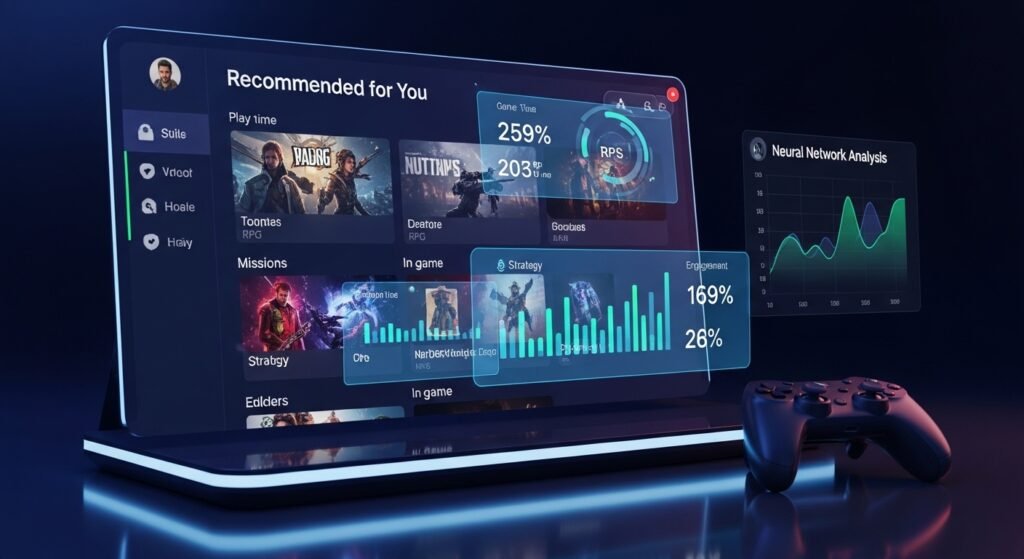
Recommendation engines inside gaming platforms study session history and genre preferences. AI models rank missions, modes, or items based on past engagement. This approach reduces menu friction and shortens decision time. Streaming platforms for games use similar logic to suggest new titles aligned with player behavior.
Player Specific Tutorials

Tutorial systems now adapt content depth using AI. First time players receive step based guidance. Experienced users see condensed prompts or none at all. Data sources include completion speed and error counts. This structure avoids repetition while supporting learning efficiency during early play stages.
Emotion Aware Feedback Systems
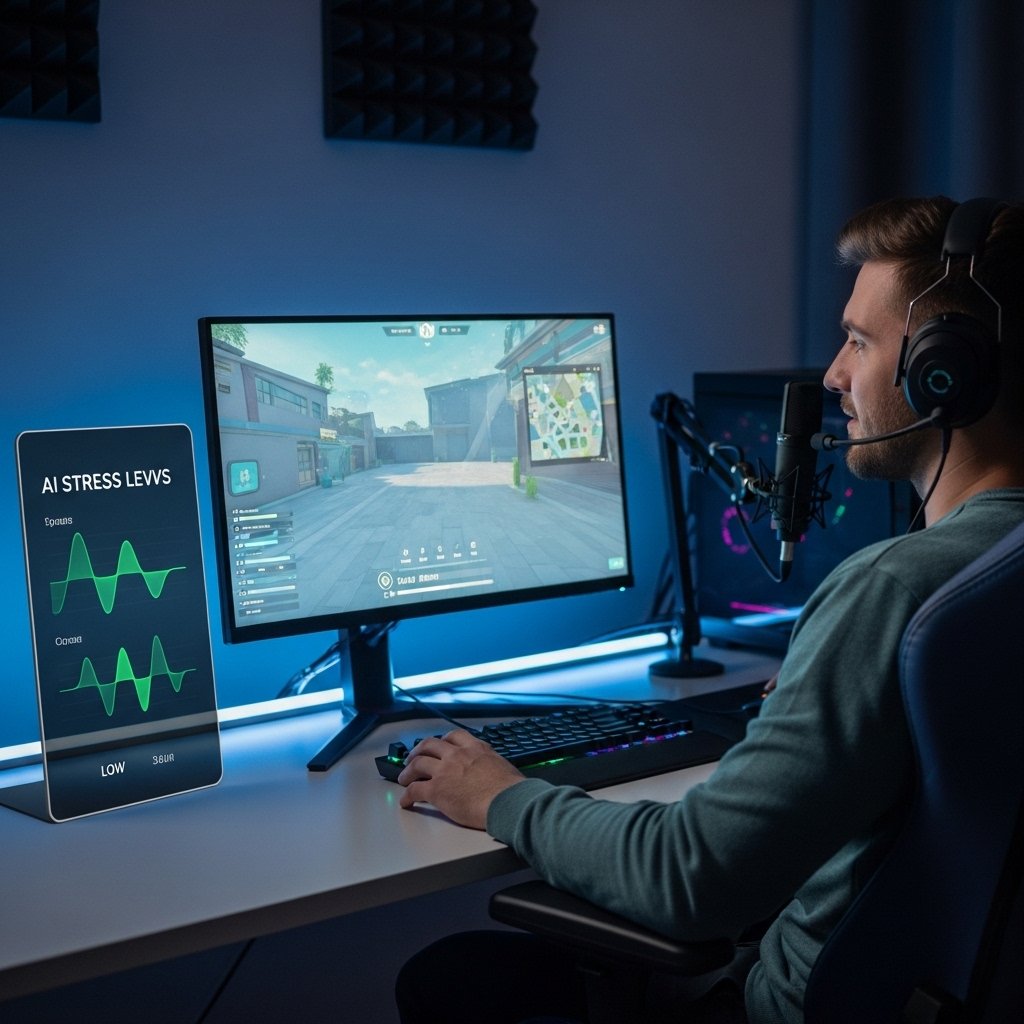
Some experimental gaming apps analyze facial cues, voice tone, or input pressure. AI models estimate stress or fatigue levels. Feedback adjusts pacing or visual intensity in response. This method supports longer sessions with lower cognitive strain. Privacy controls often restrict data storage to local devices.
Custom Audio and Visual Settings
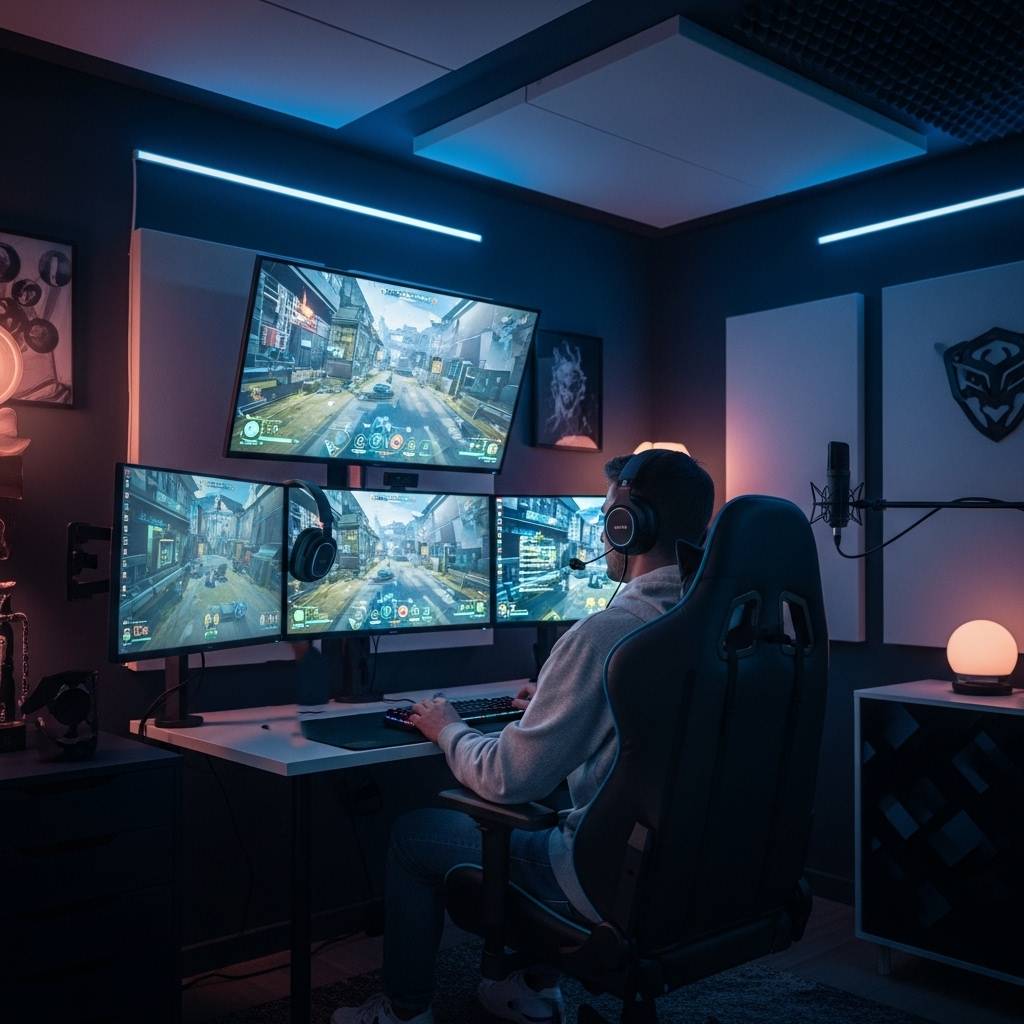
AI tools adjust sound balance, brightness, and contrast using environment data. Room lighting, background noise, and screen size guide settings. This automation improves clarity during extended play. Competitive gaming setups use similar systems to maintain visual consistency across changing conditions.
Personalized Game Narratives

Narrative driven games apply AI to track choice patterns. Dialogue tone, mission order, and character focus adapt across sessions. Players experience story paths aligned with decision history. This approach increases replay value without manual branching design for every scenario.
Skill Based Matchmaking
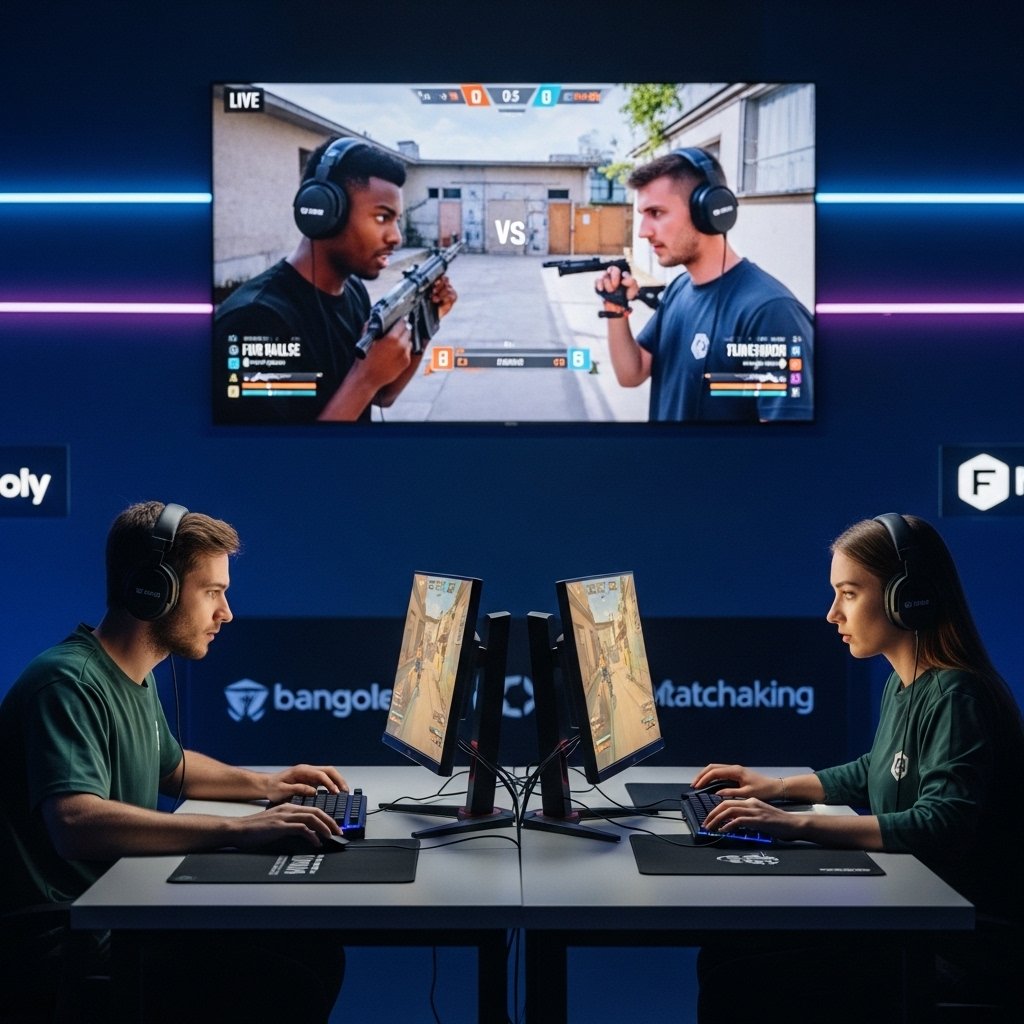
Matchmaking systems rely on AI ranking models. Data points include win rates, response timing, and teamwork metrics. Players enter sessions with others near similar skill ranges. Balanced matches reduce dropout rates and improve satisfaction during competitive play.
Learning From Cross Platform Behavior
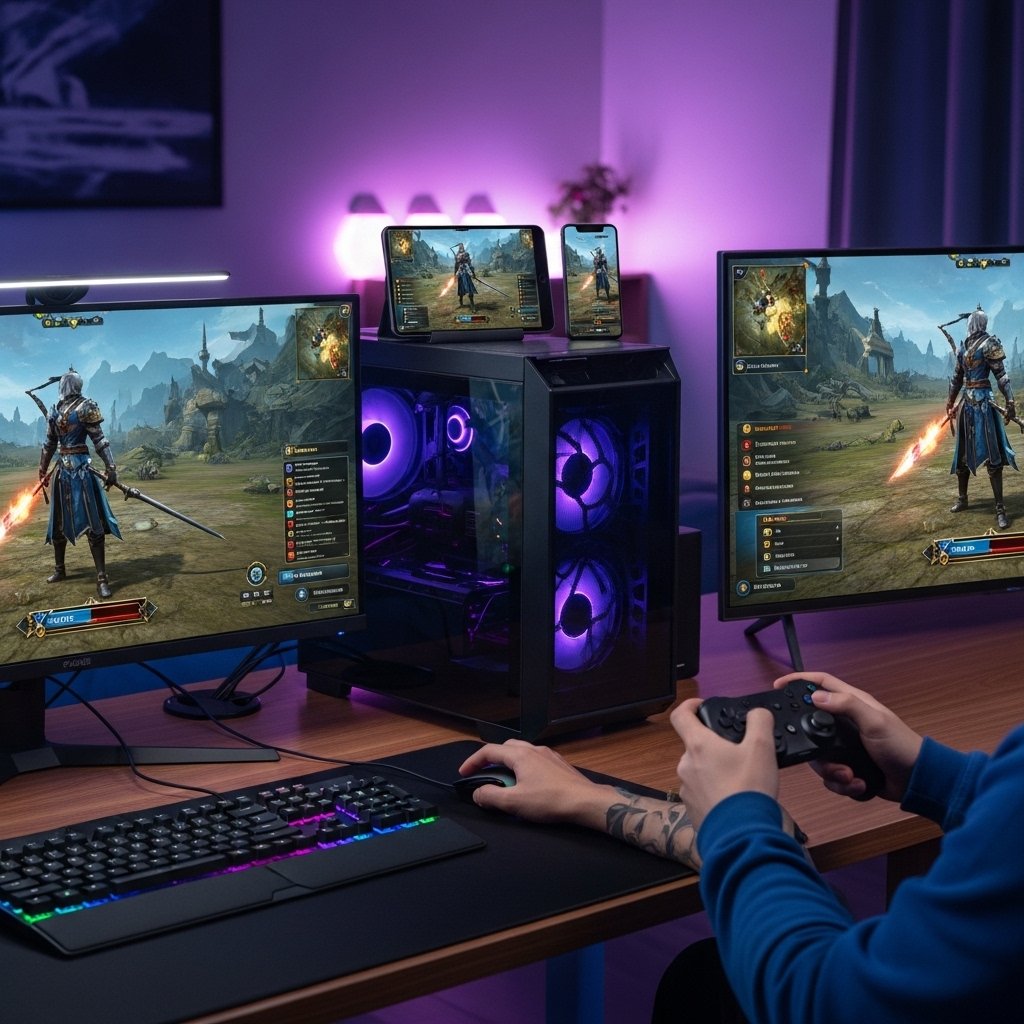
Gaming ecosystems track behavior across mobile, console, and PC platforms. AI systems unify data to personalize experiences across devices. A player switching platforms receives familiar settings and recommendations. This continuity supports engagement without repeated setup steps.
Time Management and Wellness Tools
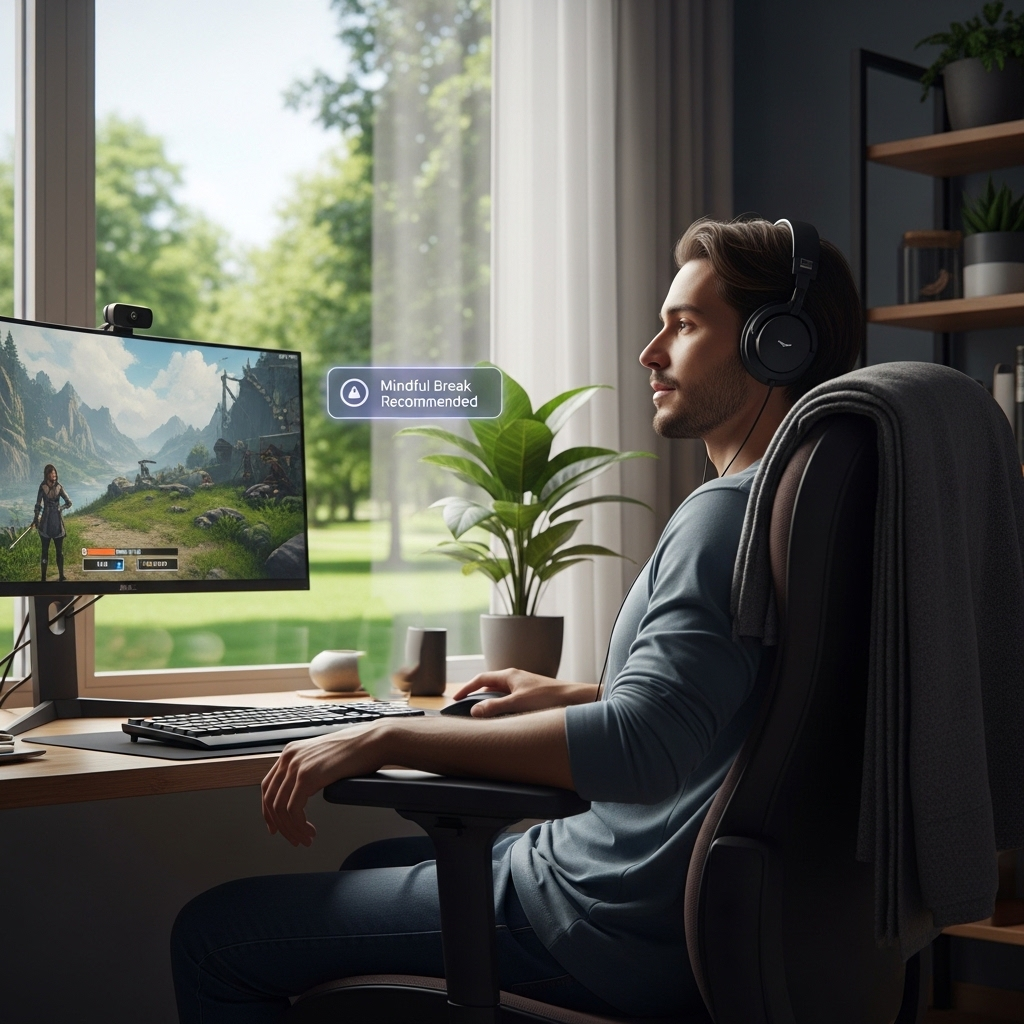
Some gaming apps use AI to monitor session duration and break frequency. Play patterns trigger reminders aligned with user habits. These systems support balance without intrusive prompts. Parental control platforms use similar logic to manage younger player schedules.