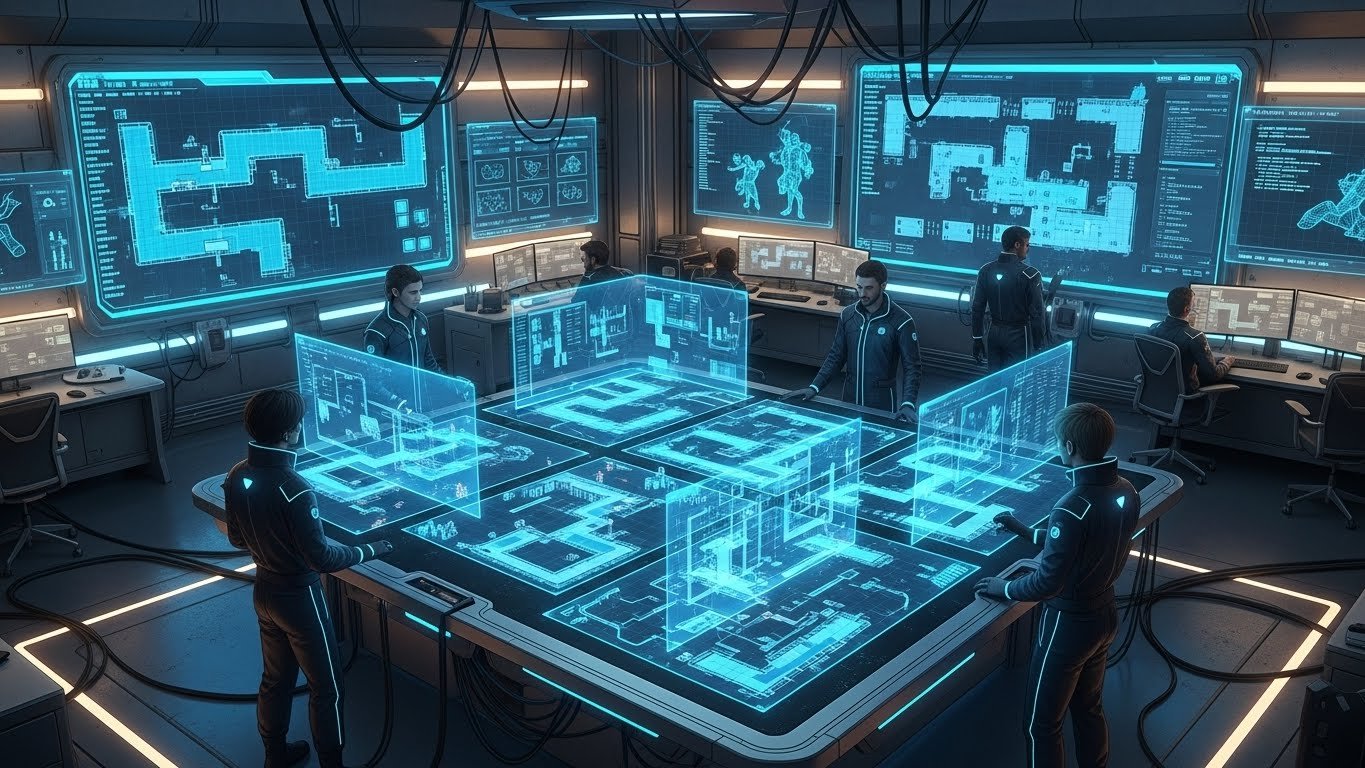
Game studios are under constant pressure to provide new mechanics, balanced systems and interesting worlds. The A.I. tools are now used in the initial stages of ideation by designers. These systems examine the behavior of players, historical information in games and patterns of designs. The output of such tools assists the creative teams and not to substitute human judgment. In the game production process, A.I. is a tool of thought stimulator, particularly in the prototype phase, and testing process when velocity and fluctuation are the most important.
Procedural concept expansion
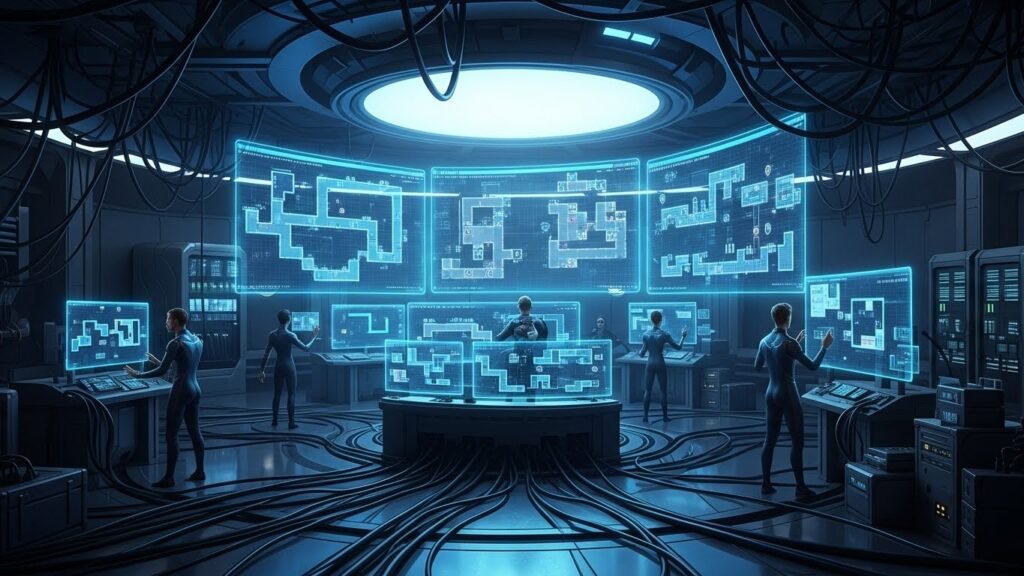
A.I. systems generate variations of levels, maps, and challenges using defined rules. Roguelike games offer clear examples, where room layouts and enemy patterns shift each session. Designers review generated options and select viable paths. This process shortens iteration cycles while preserving designer control over pacing and difficulty curves.
Player behavior driven ideation

Modern games collect telemetry such as movement paths, failure points, and session length. A.I. processes this data to surface patterns. Designers receive suggestions for new mechanics aligned with observed behavior. For example, frequent player retries near checkpoints signal design gaps worth exploration during ideation sessions.
Narrative branching support

Story driven games rely on branching dialogue and choice consequences. A.I. assists writers by proposing alternate plot paths based on character traits and prior decisions. These suggestions serve as drafts. Writers refine tone and intent, ensuring narrative coherence and emotional weight remains under human direction.
Mechanic remixing for innovation
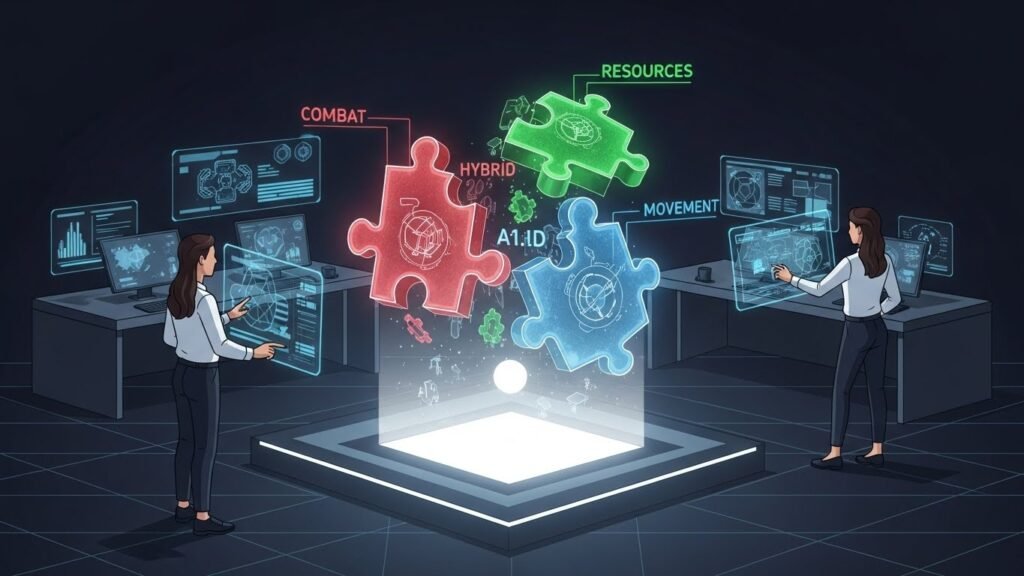
A.I. models study existing mechanics across genres. Output includes recombined rule sets such as hybrid combat systems or resource loops. Designers assess feasibility and player clarity. This approach reduces reliance on trend chasing and supports structured experimentation during pre production stages.
Balancing and economy design
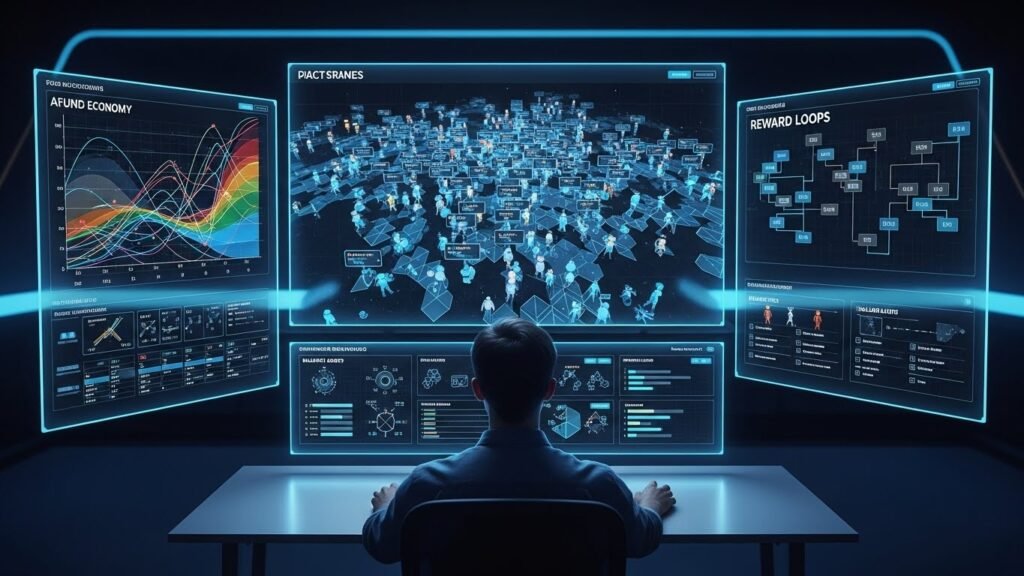
Game economies require tight balance to sustain engagement. A.I. simulates thousands of play sessions to test reward pacing and progression speed. Results highlight imbalance zones. Designers then explore new reward structures or progression ideas informed by simulation outcomes rather than guesswork.
Indie development efficiency
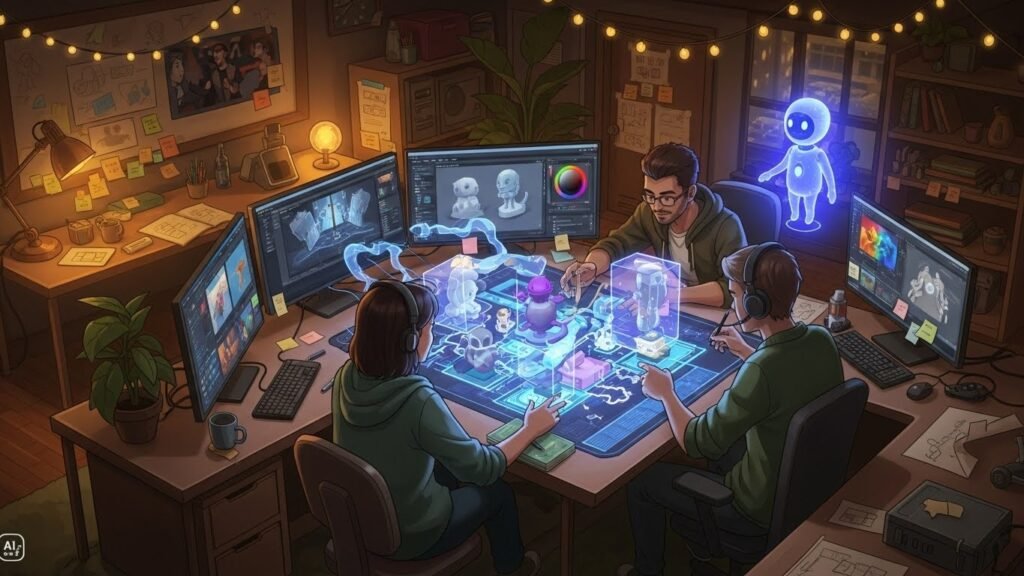
Small studios face limited time and staff. A.I. idea generation assists with early brainstorming, asset variation, and mechanic validation. This support allows teams to focus effort on polish and identity. Several indie titles already credit procedural assistance for faster concept validation.
Competitive multiplayer insights
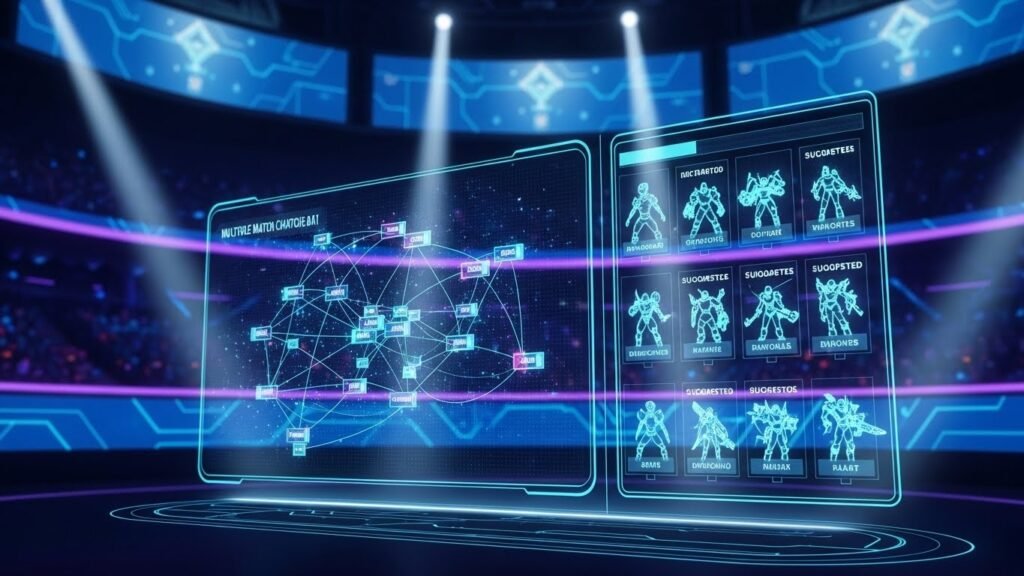
Multiplayer games demand constant evolution to avoid stagnation. A.I. reviews match data and meta shifts. Suggested ideas include new character abilities or rule tweaks aligned with observed strategies. Developers evaluate proposals through internal playtests before live deployment.
Ethical and creative boundaries

Idea generation tools follow training data and design constraints. Without careful oversight, outputs reflect existing biases or repetitive patterns. Game directors set boundaries and review outputs critically. Human judgment remains central to maintain originality and cultural sensitivity within game worlds.
Collaboration between designers and systems
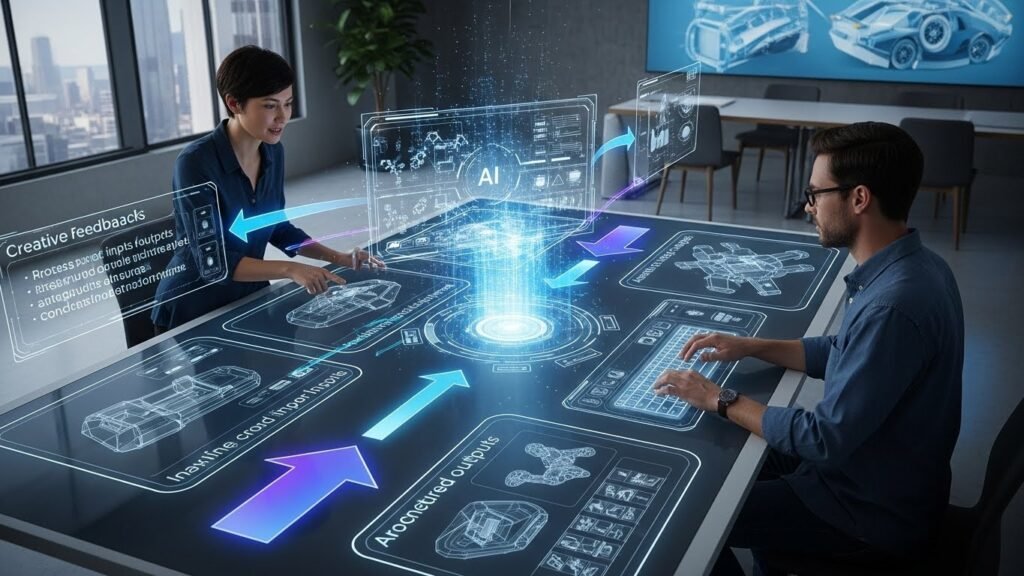
Successful studios treat A.I. as a collaborator rather than an authority. Designers provide prompts, constraints, and evaluation criteria. Systems return structured suggestions. This loop supports creativity while preserving accountability. Gaming workflows benefit most where human taste guides final decisions.
Future role in game ideation
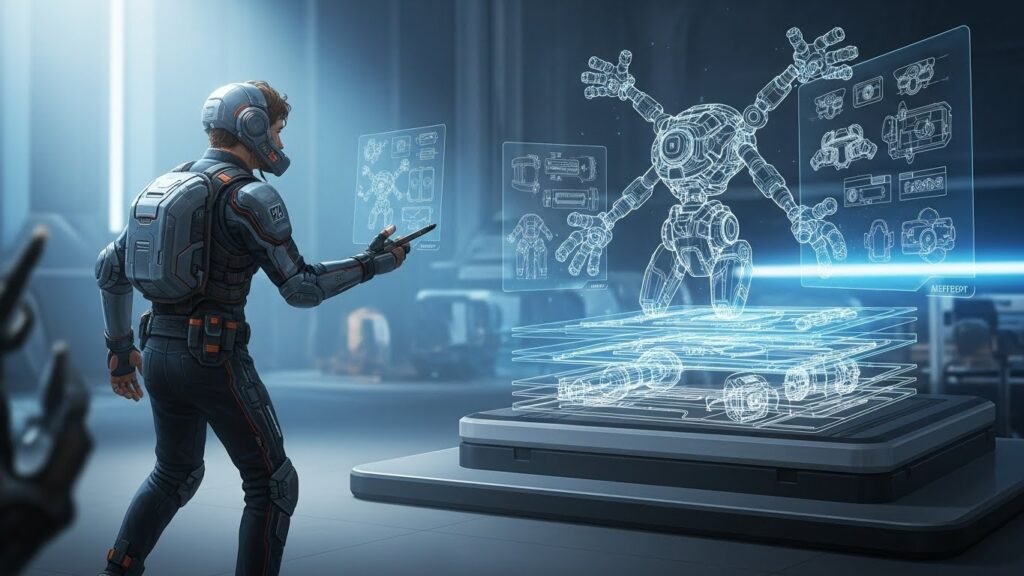
As tools mature, A.I. participation during ideation will expand. Early concept sketches, mechanic outlines, and balance simulations already show measurable productivity gains. Gaming teams adopting these systems early gain iteration speed. Strategic oversight ensures ideas serve player experience rather than automation goals.