
Many gamers rely on large platforms for news, play, and community. A growing number seek smaller sites and apps built by focused teams. These digital spaces offer fresh mechanics, original tools, and tight feedback loops. Usage data from indie directories and forum referrals shows steady growth in traffic toward niche platforms. This shift reflects demand for control, speed, and experimentation across gaming routines.
Indie Game Discovery Hubs
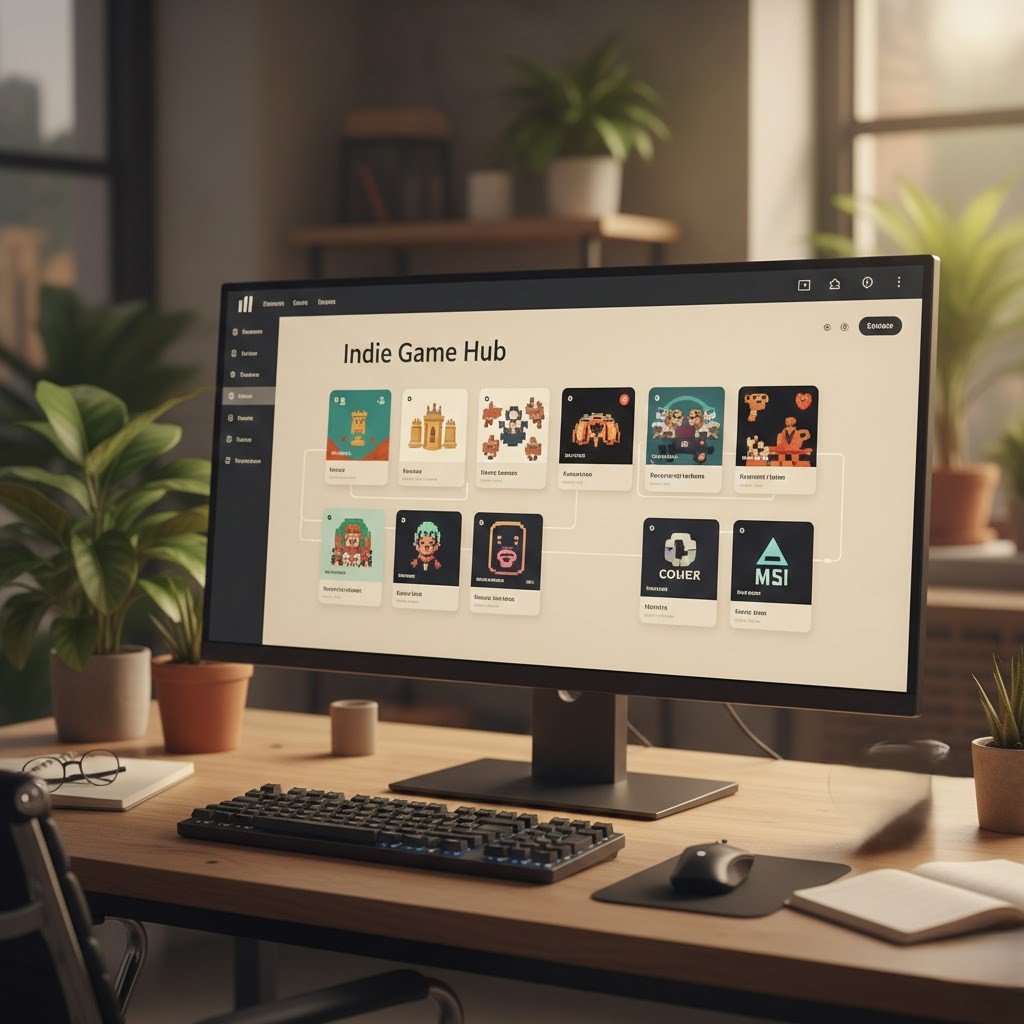
Small discovery hubs aggregate browser games, demos, and prototypes from solo developers. Traffic logs from open directories show daily uploads across action, puzzle, and strategy formats. Gamers benefit from fast access and short play sessions. Developers gain exposure without platform fees or ranking pressure tied to mass engagement metrics.
Experimental Gaming Apps

Several mobile and desktop apps test new interaction models like asynchronous play or AI driven opponents. Analytics from beta platforms show high retention among users seeking skill focused loops. These apps prioritize iteration over scale. Feedback cycles run through in app forms and community servers, improving balance and usability within weeks.
Community Driven Game Tools

Hidden tools support mod testing, map sharing, and stat tracking. Adoption data from version repositories shows steady growth among competitive players. These tools reduce setup time and improve analysis accuracy. Communities often fund hosting costs, ensuring independence from ad driven design choices.
Retro Revival Platforms

Niche platforms host classic inspired titles with modern input support. User session length reports show longer engagement compared to ad heavy retro sites. Gamers value clean interfaces and accurate emulation. Developers preserve older design philosophies while adding online features like leaderboards and time trials.
Browser Based Multiplayer Experiments

Lightweight multiplayer sites use WebSocket frameworks for real time play without downloads. Usage metrics highlight strong uptake in regions with limited hardware access. Matchmaking remains simple and fast. These sites suit short competitive bursts and testing of new rulesets before larger releases.
AI Assisted Game Creation Apps

Some hidden apps focus on level design and asset generation through guided prompts. User case studies report reduced build time for prototypes. Gamers with creative interests use these apps for personal projects and mod concepts. Learning curves remain low due to template driven workflows.
Niche Strategy and Simulation Sites

Strategy focused sites host deep simulations with smaller audiences. Engagement reports show fewer users but higher session depth. These platforms emphasize data transparency and rule clarity. Players interested in planning and optimization prefer such environments over fast paced mainstream titles.
Localized Gaming Communities

Regional sites and apps support local languages and servers. Traffic analysis shows strong loyalty and repeat visits. Gamers experience lower latency and cultural relevance. Developers adapt content to regional preferences, improving participation and feedback quality across updates.
Crowdfunded Gaming Platforms

Some platforms operate through subscriptions or donations. Financial disclosures show stable operating budgets without intrusive ads. Gamers receive early access and voting rights on features. This structure aligns development priorities with active users rather than mass appeal metrics.
Tools for Competitive Skill Tracking

Hidden apps track performance across sessions using manual input or replay parsing. Data summaries support targeted practice. Competitive players use these tools to identify weak patterns. Growth trends indicate rising demand for self analysis outside major esports ecosystems.