
Google recently removed a hidden mobile network linked to apps quietly routing phone internet traffic through external systems. The activity affected performance across everyday usage, including online games relying on stable connections. The issue highlights risks tied to background processes operating beyond user awareness. For mobile gamers, bandwidth misuse leads to lag, unstable matchmaking, and higher data costs. Google action focused on restoring control to device owners and limiting unseen network behavior.
What the Invisible Network Was

The network functioned through applications installed on consumer phones. These apps routed small portions of internet traffic through third party systems without clear disclosure. Traffic aggregation created a large distributed network powered by personal devices. Such structure relied on scale rather than speed, using millions of phones simultaneously.
How Phones Became Part of the System
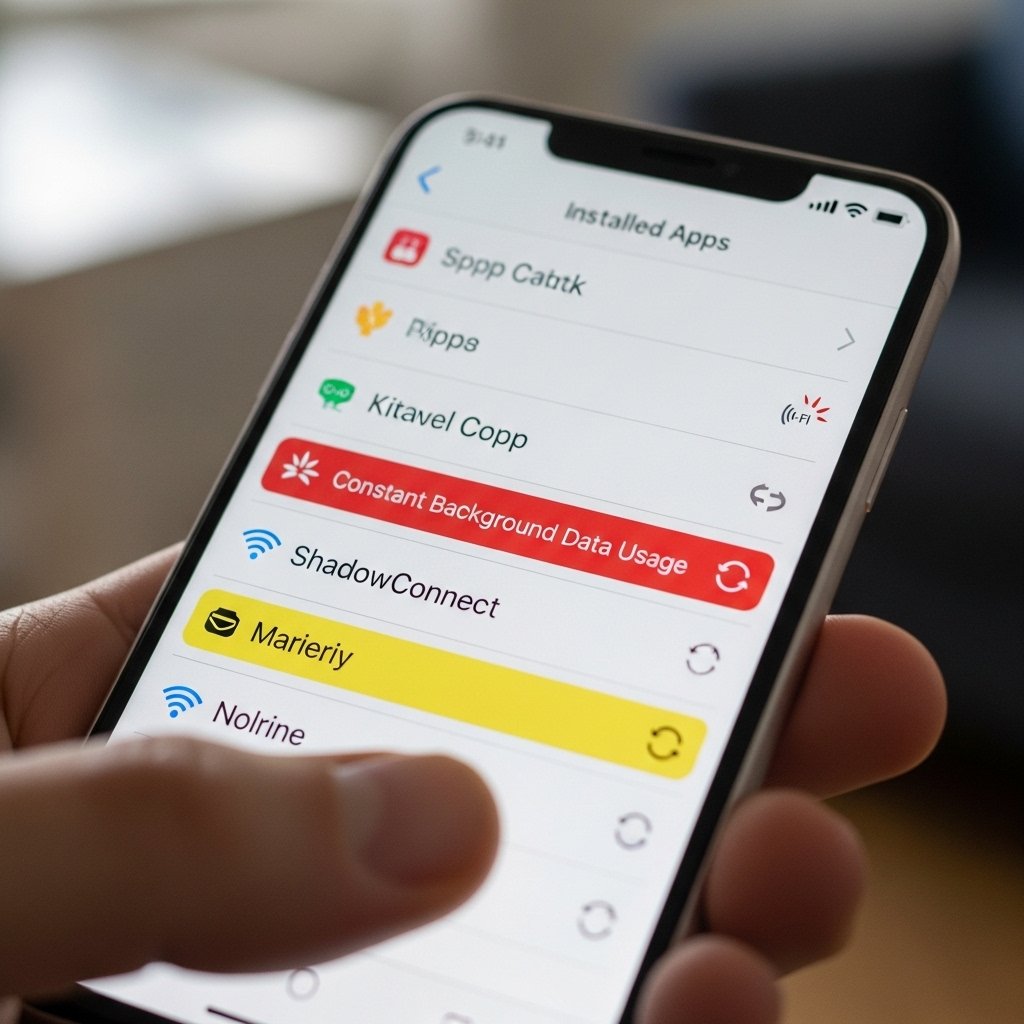
App permissions granted network access during installation. Once active, background services operated during idle periods. Data packets passed through residential and mobile connections. Users received no clear indicators of ongoing activity. Device owners noticed side effects like faster data depletion and reduced performance during high demand tasks.
Why Google Intervened
Google identified patterns violating platform policies related to transparency and user consent. The activity conflicted with standards governing background network use. Removal focused on protecting device resources and network integrity. Enforcement reduced exposure to hidden traffic routing across consumer devices.
Impact on Mobile Gaming Performance

Online games depend on low latency and consistent bandwidth. Background traffic introduced packet loss and delay. Competitive titles suffered from lag spikes and connection drops. Multiplayer matchmaking struggled under unstable network conditions. Performance degradation affected ranked play and real time interactions.
Battery and Data Consumption Effects

Continuous background networking increased power draw. Mobile data usage rose without visible foreground activity. Users reached data limits earlier in billing cycles. Battery health declined faster due to sustained network operations. These factors reduced play sessions and forced charging interruptions.
Privacy and Security Considerations

Routing traffic through unknown endpoints raised exposure risks. Encrypted data still consumed resources without direct benefit to device owners. Network misuse complicated threat detection on consumer phones. Reduced visibility weakened user control over personal connectivity.
How Google Detected the Activity
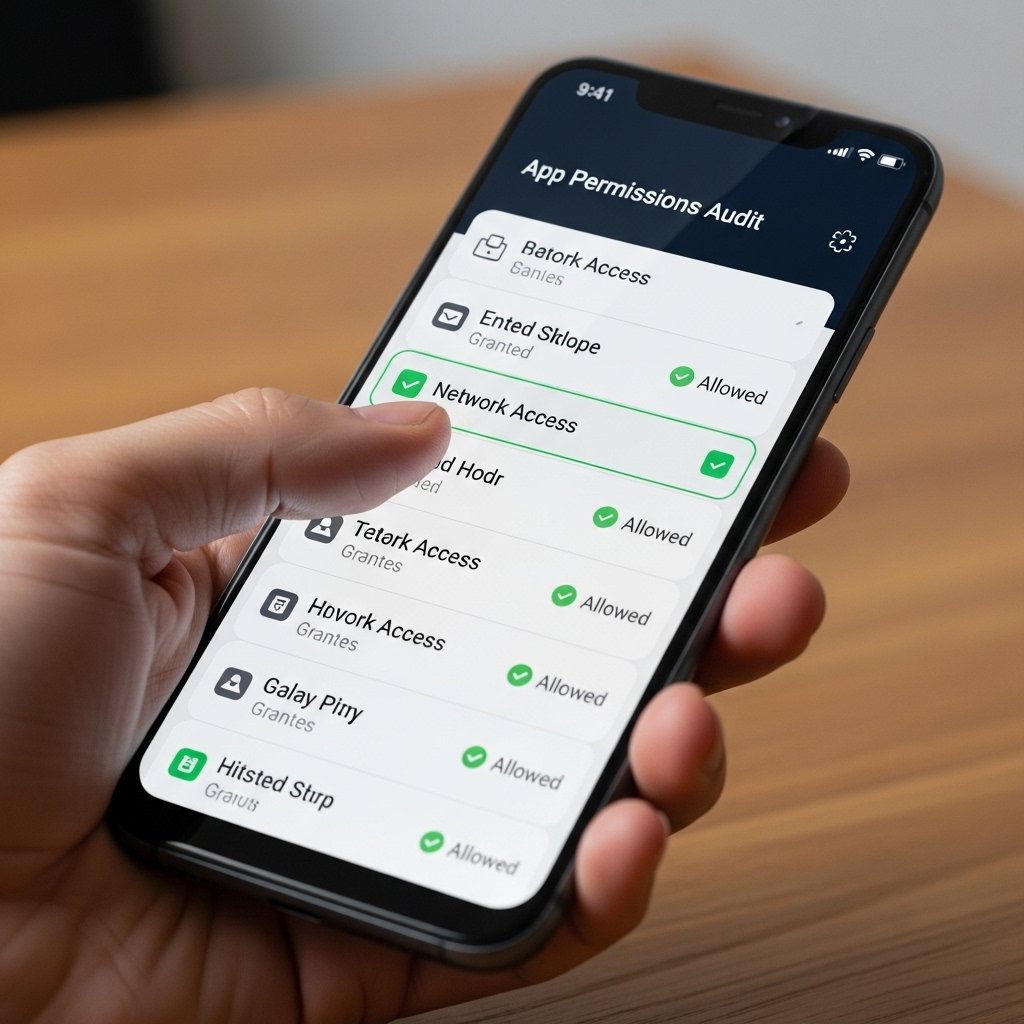
Automated analysis flagged abnormal traffic patterns across multiple apps. Behavioral signals showed coordination beyond normal app functions. Manual review confirmed hidden network behavior. Enforcement actions followed internal policy review processes designed to protect platform trust.
What Gamers Should Check on Their Devices

Gamers benefit from reviewing installed apps with persistent network access. Data usage charts reveal background consumption trends. Removing unused applications reduces exposure. Permission audits help restore performance stability. Updated system software strengthens policy enforcement.
Long Term Effects on Mobile Ecosystems

Platform enforcement sets stricter expectations for app transparency. Developers face higher scrutiny for background operations. Mobile gaming benefits from reduced bandwidth contention. Device performance aligns closer with hardware limits rather than unseen software demands.