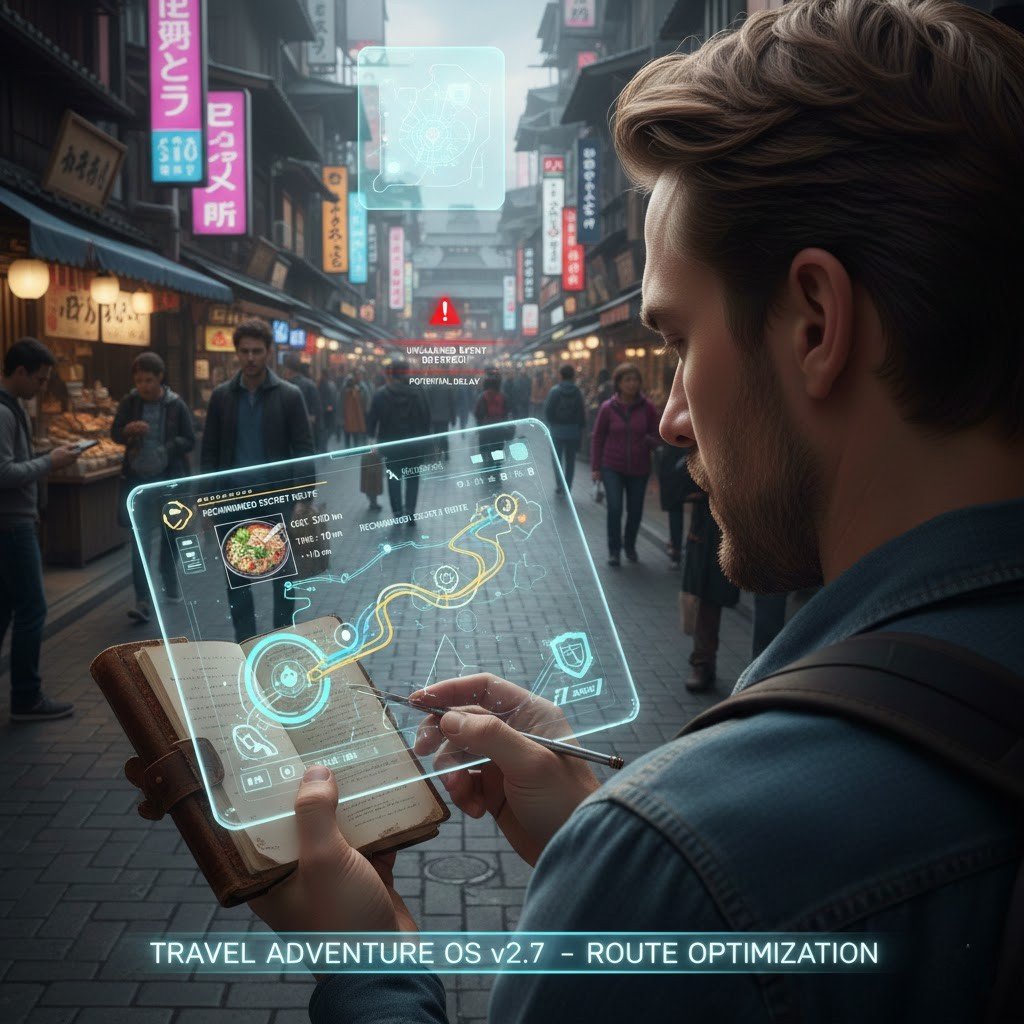
AI travel guides now mirror systems used in games. Many draw from mechanics seen in open world titles and location based play. This approach affects how travelers plan routes, costs, and timing. Awareness reduces risk during real world trips shaped by automated content.
Why Gaming Logic Shapes Travel Advice
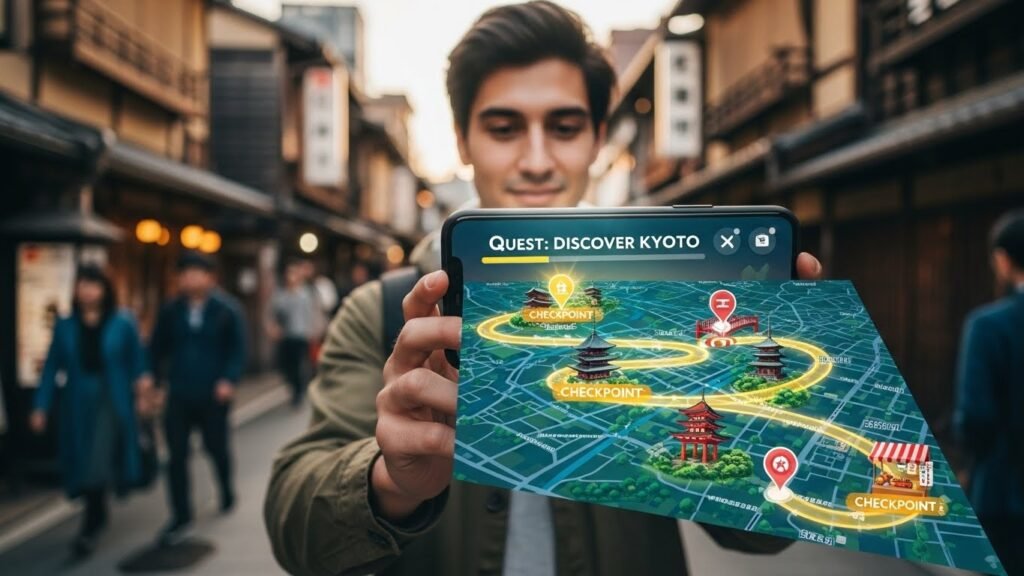
Many AI guides copy quest design from games like Pokémon GO. Routes resemble level progression rather than efficient travel. Landmarks appear as objectives without context. Travelers following such paths face delays, extra expenses, and missed transport links.
Map Accuracy Often Matches Virtual Maps
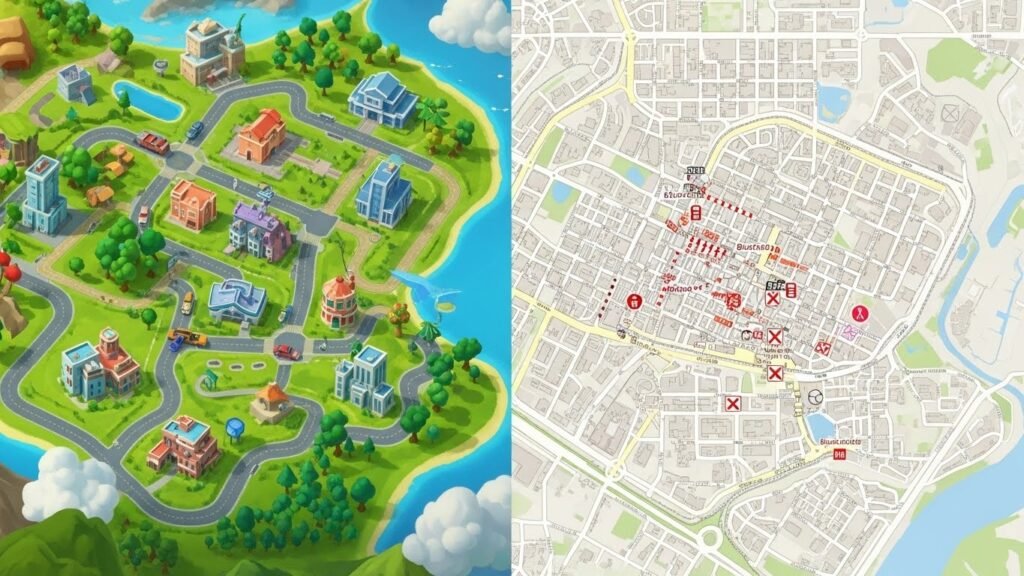
Game maps prioritize engagement over precision. AI guides trained on such data reflect similar flaws. Streets appear connected while access rules differ. Travelers reach blocked paths or private areas. Local navigation apps show different results, leading to confusion and wasted time.
Dynamic Events Replace Real Schedules

Games rely on rotating events and timed rewards. AI travel guides reuse similar logic. Opening hours and seasonal closures shift without notice. Museums and parks listed as open show locked gates. Travelers lose paid tickets due to outdated automated schedules.
Reward Focus Over Practical Value
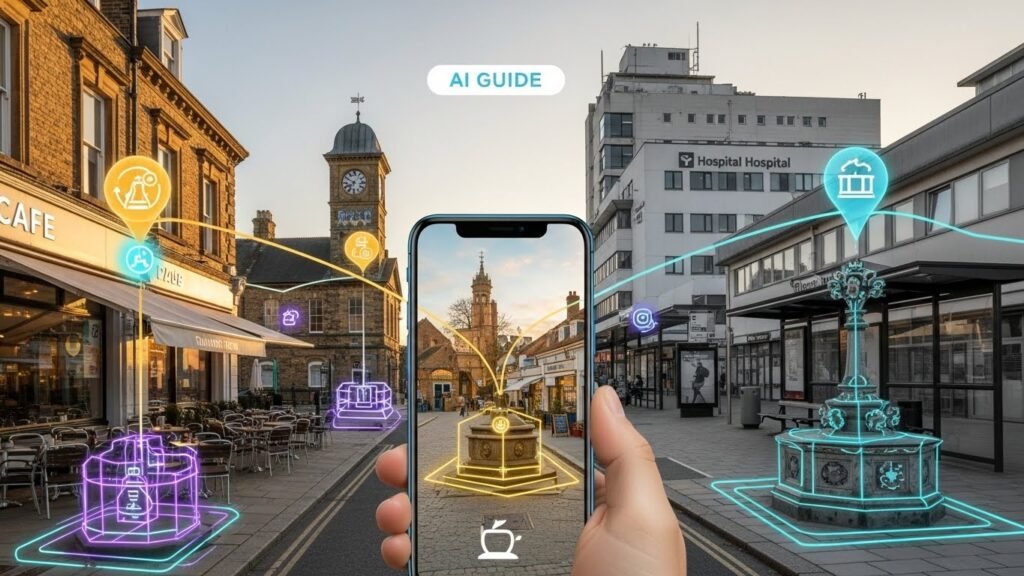
Gaming systems highlight rewards, loot, and achievements. AI guides highlight scenic spots or trending cafes without practical value. Rest stops, pharmacies, and transport hubs receive less attention. Travelers struggle during emergencies due to missing functional locations.
Non Player Character Style Reviews

Many AI guides generate reviews similar to scripted characters. Language lacks lived detail. Safety issues, crowd density, and pricing variations stay absent. Travelers trust polished descriptions and face conditions unlike expectations.
Speedrunning Travel Experiences

Speedrunning influences guide structure. AI plans pack many stops into limited hours. Transit time, queues, and fatigue receive limited weight. Travelers rush through locations and miss reservations. Real travel demands pacing rather than optimized completion.
In Game Economy Versus Real Costs
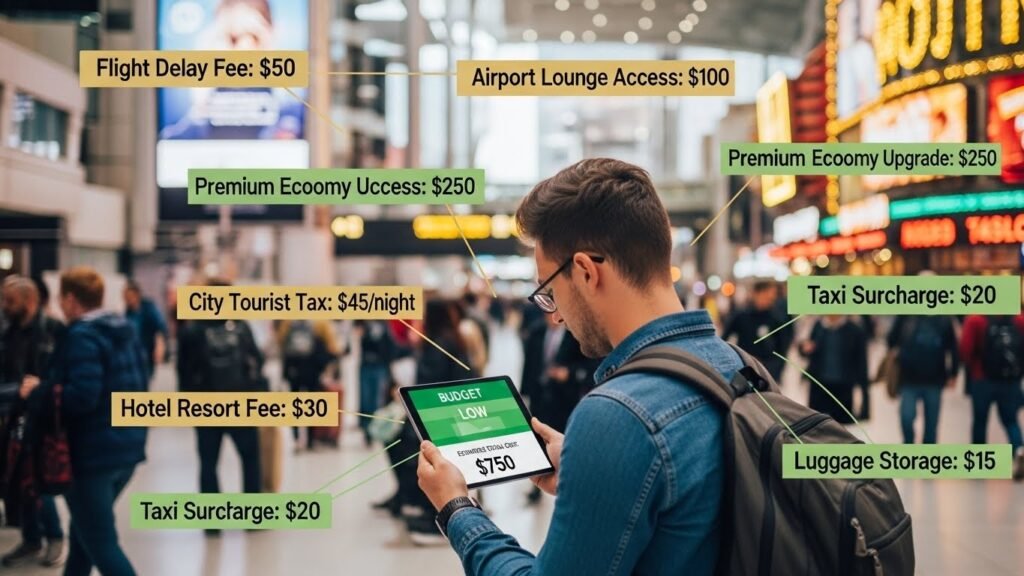
Game economies ignore taxes, tips, and local pricing rules. AI travel budgets reflect similar gaps. Currency exchange fees and regional price swings stay absent. Travelers exceed budgets due to missing cost layers.
Procedural Generation Errors

Procedural generation creates variety in games. AI guides reuse such methods for attractions. Some places listed no longer operate. Others exist under different names. Travelers reach empty lots or unrelated businesses.
Influencer Quest Chains
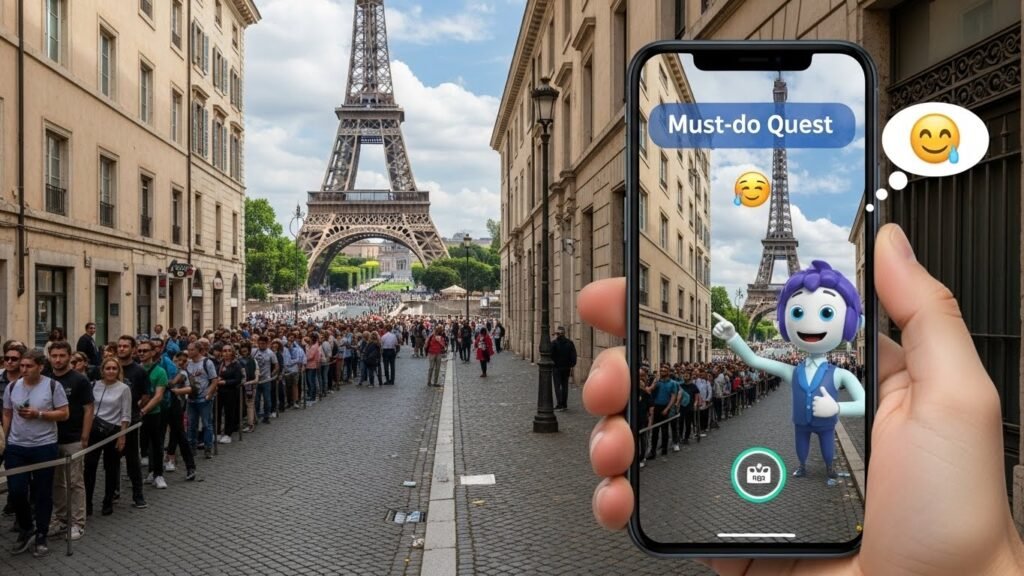
Games use quest chains guided by influencers and streamers. AI guides mirror viral travel trends. Overcrowded spots dominate plans. Quieter alternatives vanish. Travelers face long waits and reduced experience quality.
Lack of Save Points
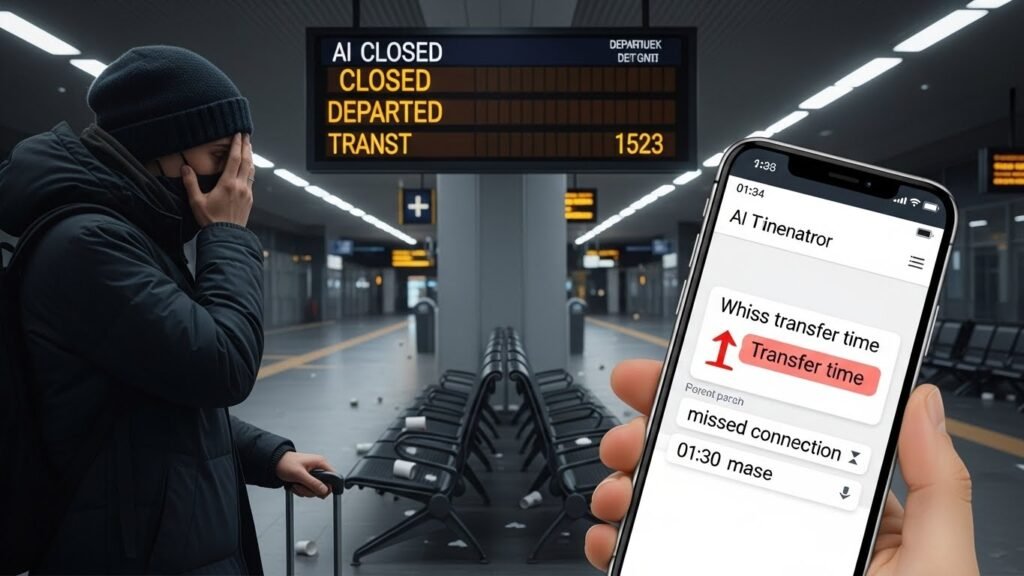
Games allow retries after failure. Real travel lacks save points. AI guides suggest risky connections and tight transfers. Missed flights and trains lead to high rebooking fees. Human planners usually add buffers.
Platform Monetization Bias

Gaming platforms push sponsored content. AI guides trained on similar data favor paid listings. Hotels and tours gain priority over suitability. Travelers receive biased options without disclosure.
How Gamers Already Know This Pattern
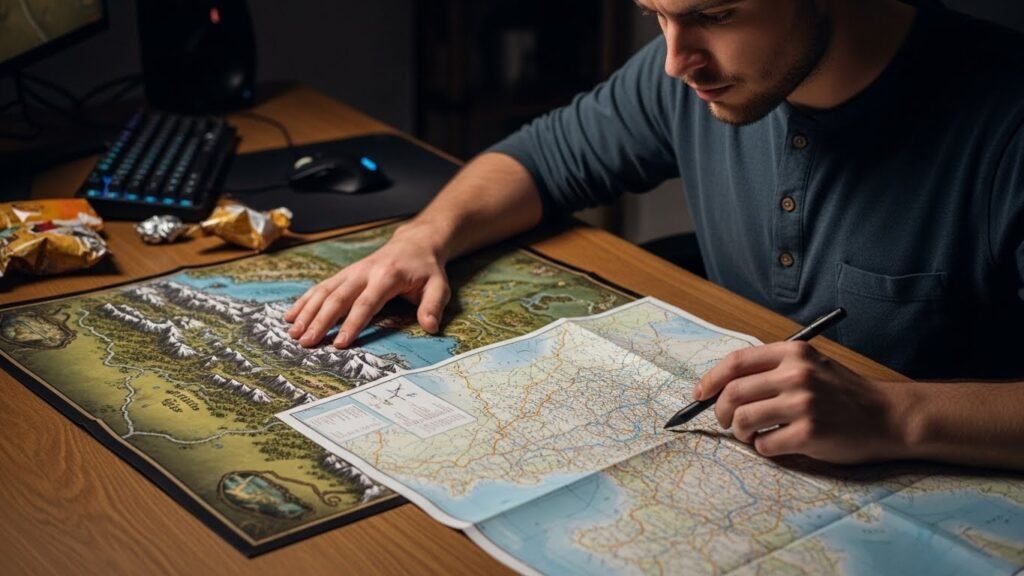
Experienced gamers recognize these systems from titles like The Elder Scrolls V Skyrim. Virtual freedom hides structured paths. Applying gamer awareness to travel planning helps identify artificial routes and misleading priorities before real money and time face risk.