
Artificial intelligence currently has a visible presence in the travel planning, booking, and on trip support. Travel applications have a data model like the video games of today. These systems respond to user behaviour, forecasting results and real time modifications. The outcome is reduced time to make decisions, unnecessary friction, and mistakes made when traveling. The logic that enhances the experience of the player is applied to the traveler in the pre-movement and in-moving.
Personalized Trip Planning Through Behavioral Data

AI travel apps study search patterns, booking history, and location data. These inputs guide route suggestions, lodging choices, and activity timing. Game recommendation engines operate in a similar way by tracking player actions. Both systems focus on pattern recognition to reduce decision fatigue and shorten planning time for users.
Dynamic Pricing and Reward Optimization
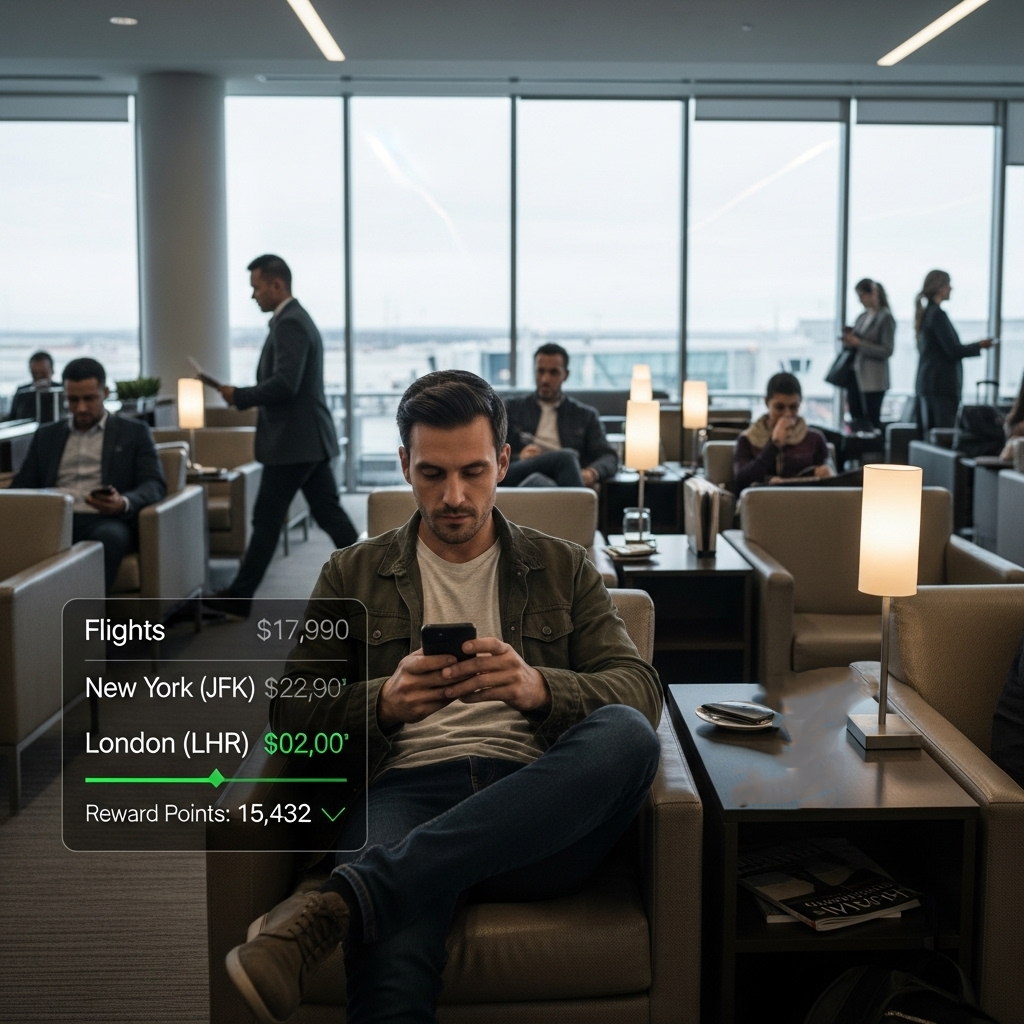
Airfare and hotel pricing shifts based on demand signals processed by AI models. Travel apps display timing suggestions to secure lower prices. Online games apply similar systems to in game economies and item pricing. Both rely on live data feedback loops to balance supply, demand, and user engagement.
Smart Navigation and Real Time Routing
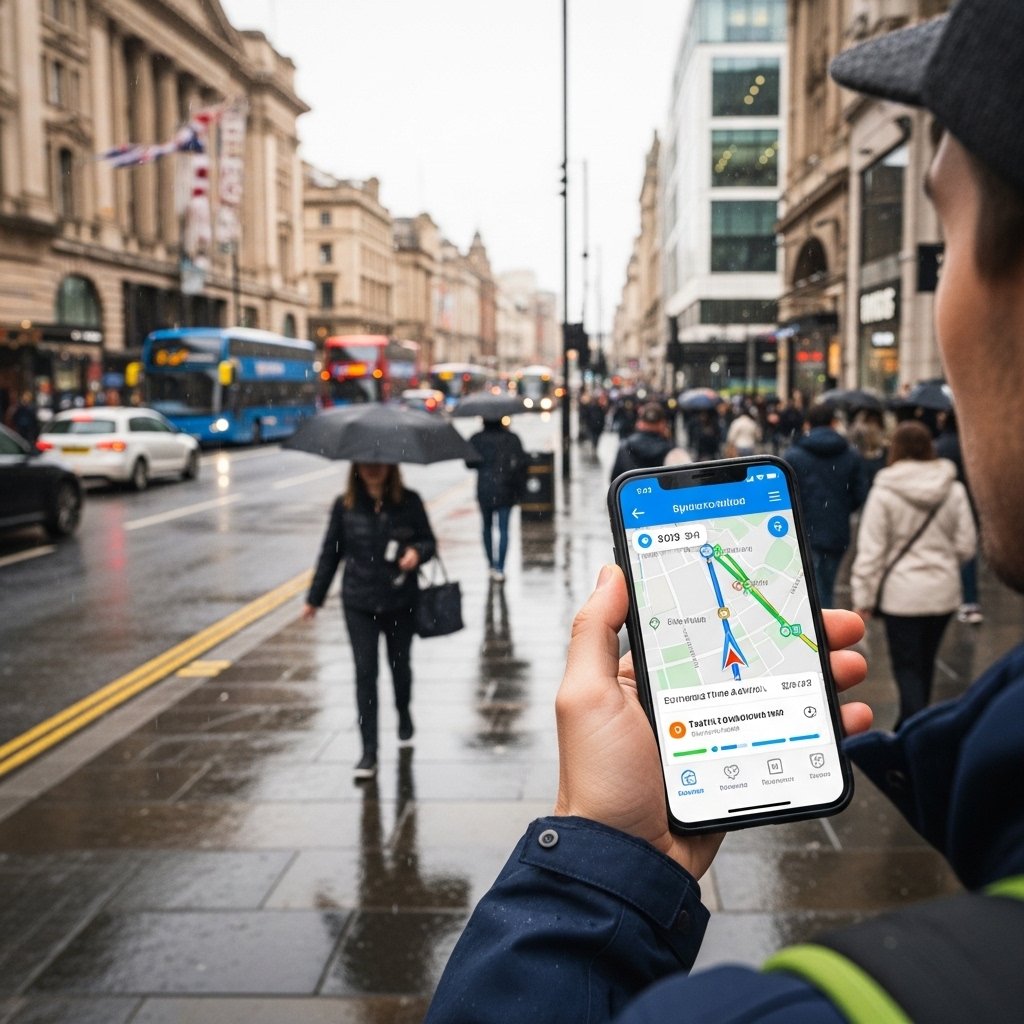
AI powered maps adjust routes using traffic density, weather data, and transit delays. This mirrors pathfinding logic used in open world games. The system evaluates multiple routes and selects optimal paths within seconds. Travelers experience fewer delays through constant recalculation during movement.
Language Translation and Voice Interaction
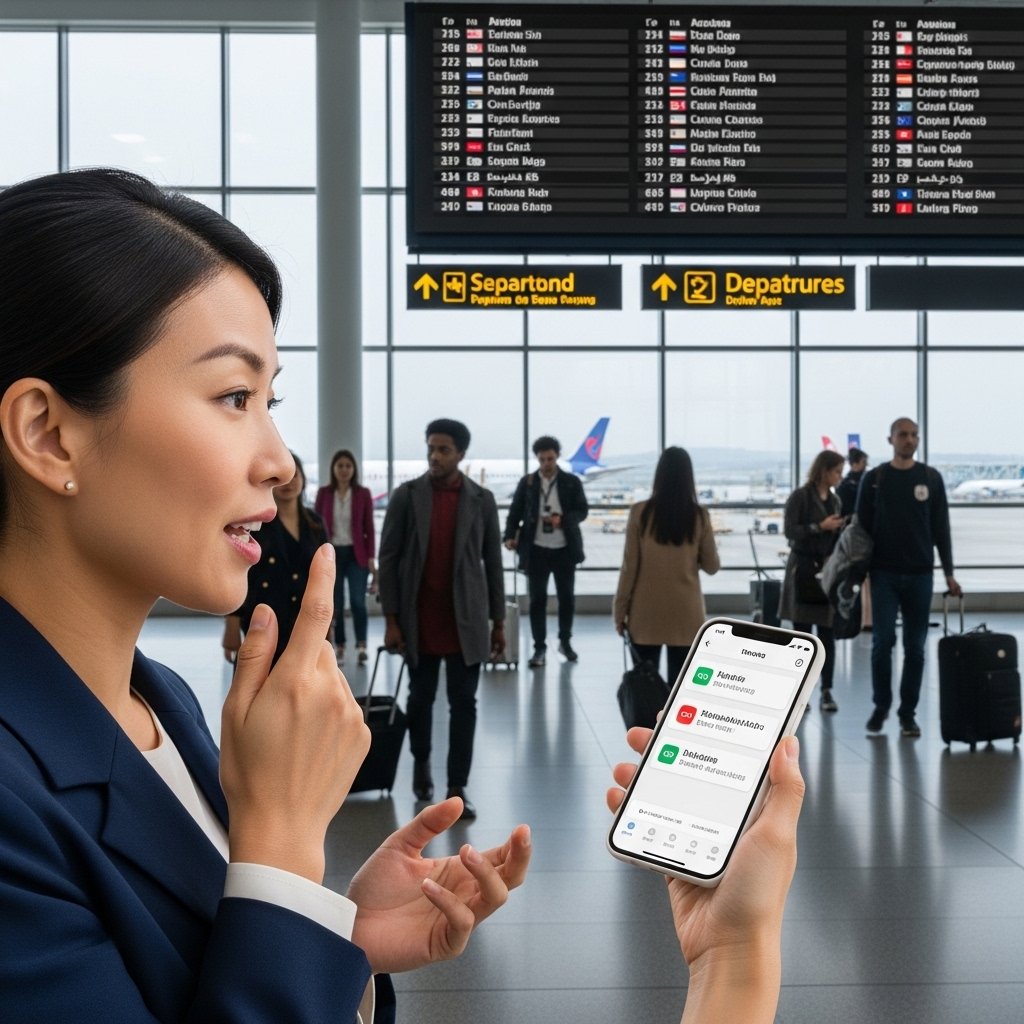
The travel apps are built with speech recognition and translation to enable live conversations. Multiplayer games have similar voice communication with players in different parts of the world. Such tools minimize airports, hotel and transport hub language friction. The accuracy enhances as a result of the constant learning of the regional accents and patterns of use.
Predictive Alerts and Travel Risk Monitoring

AI tools analyze historical delays, climate data, and congestion patterns. Apps issue early alerts for gate changes or schedule risks. Strategy games use prediction systems to forecast enemy movement. Both rely on probability modeling to support proactive decision making under uncertain conditions.
AI Powered Customer Support
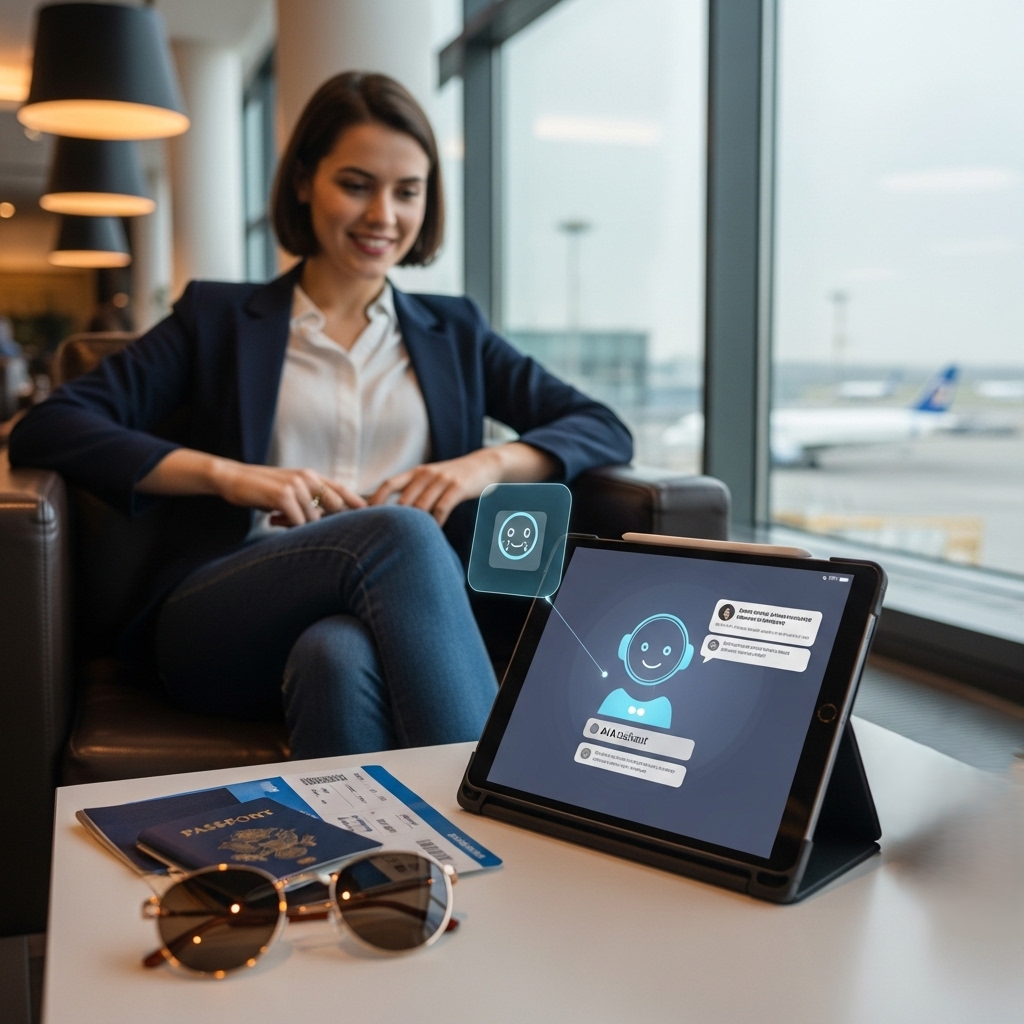
Chat based travel support resolves booking issues and itinerary changes without human delay. Gaming platforms use similar systems for account recovery and moderation requests. These tools prioritize common issues and route complex cases forward. Resolution time drops due to structured dialogue flows and intent detection.
Immersive Discovery and Destination Previews

AI generated previews help users visualize destinations before arrival. This approach aligns with game world rendering and map previews. Users assess attractions, walking routes, and nearby services through interactive views. Decision quality improves through simulated exposure rather than static descriptions.
Loyalty Systems Inspired by Game Mechanics

Travel applications use reward systems that are based on the same progression models as gaming. Users get points, unlocked levels and timed rewards. The same mechanics help game designers to keep the game interesting. The similar format will promote repeat use by allowing the visual monitoring of the progress.
Adaptive Scheduling and Time Management

AI adjusts itineraries when delays occur, reallocating time across activities. Role playing games use adaptive quest scheduling when players deviate from paths. Both systems respond to disruption without full resets. Travelers maintain structure despite unexpected changes.
Cross-Platform Sync and Cloud Profiles
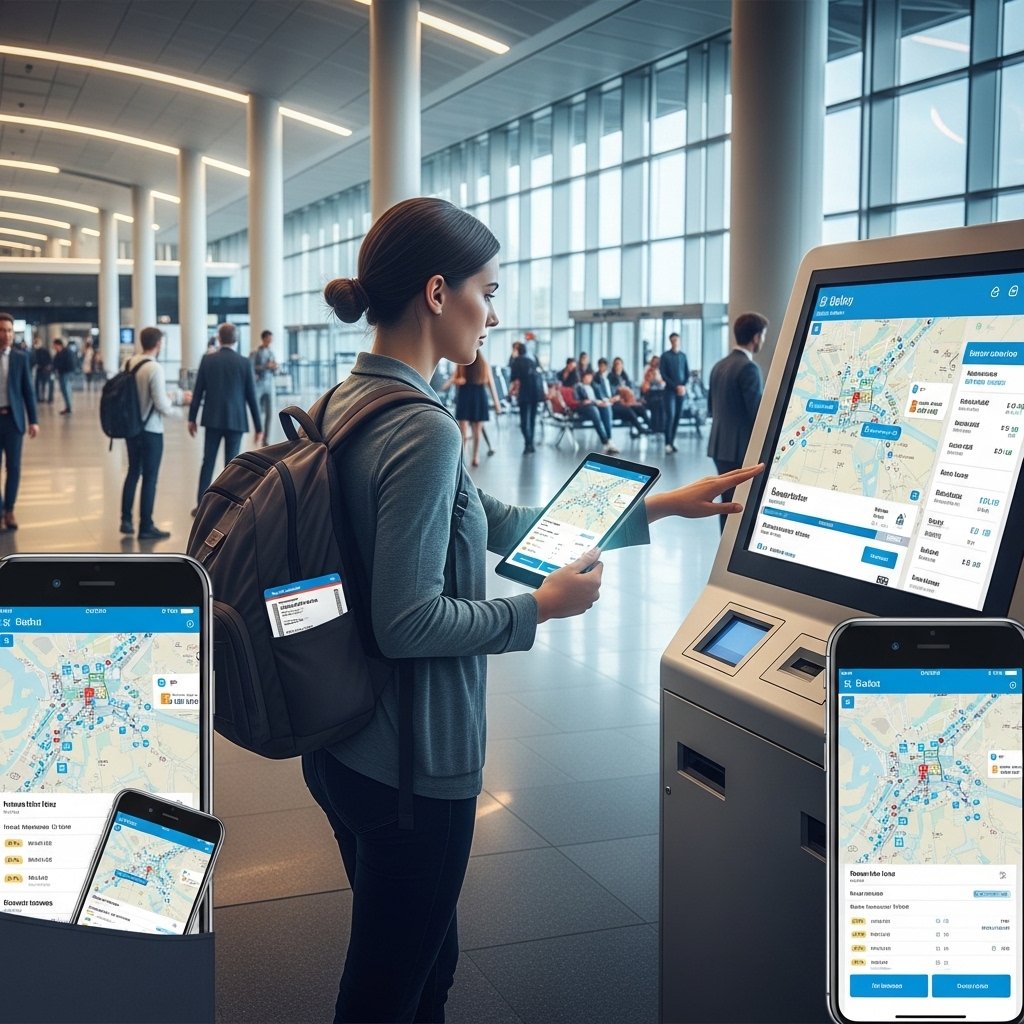
Travel apps store preferences across devices using cloud profiles. Gaming accounts follow the same model for progress continuity. A single profile supports phones, tablets, and kiosks. Consistency reduces setup time and prevents data loss during transitions.