
Mozilla Firefox introduced artificial intelligence as an optional feature rather than a default layer. Users responded with approval across productivity and gaming communities. This decision aligns with long standing expectations around browser control and transparency. Gamers in particular value predictable performance and minimal background processes. Optional AI support respects those priorities while still offering modern tools for players who seek assistance during research, streaming, or mod development.
User choice drives adoption

Firefox positions AI features behind clear opt in controls. Users decide when and where automation enters workflows. Data from user feedback forums shows higher satisfaction when features remain optional. Gamers appreciate direct control during sessions where latency and stability matter. Choice reduces friction and builds trust across technical audiences.
Performance stability matters to gamers

Background automation increases memory usage and CPU activity. Firefox avoids forced AI processes during normal browsing. Gaming users report smoother multitasking during downloads, guides lookup, and voice chat. Consistent browser behavior supports competitive play and streaming setups where system resources remain limited.
Privacy expectations remain intact
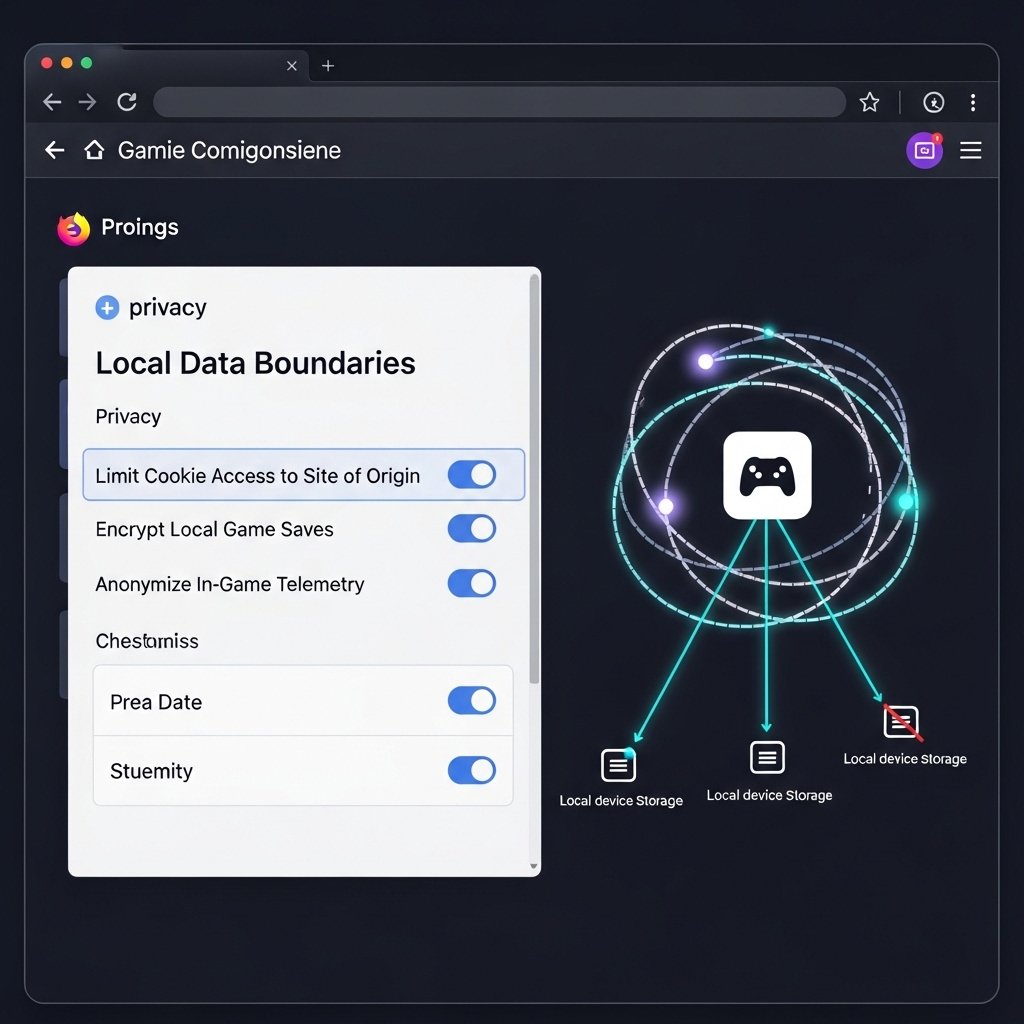
Optional AI limits background data processing. Firefox maintains clear boundaries around local activity. Gaming communities often share accounts across devices and platforms. Reduced passive analysis lowers concern around stored behavior patterns. Transparent controls align with long standing privacy expectations among technically aware players.
AI as a tool, not a gatekeeper

Firefox treats AI as an enhancement rather than a requirement. Users access features for search summaries or code assistance by choice. Mod creators and indie developers benefit during documentation review. Casual players skip automation without penalty. Equal access remains intact across skill levels.
Community feedback influences direction

Mozilla reviewed public discussion channels before finalizing deployment. Feedback highlighted frustration with forced intelligence layers across software products. Firefox responded with restraint. Gaming forums praised restraint due to past issues with background overlays affecting performance. Community input shaped practical design decisions.
Browser neutrality supports gaming ecosystems
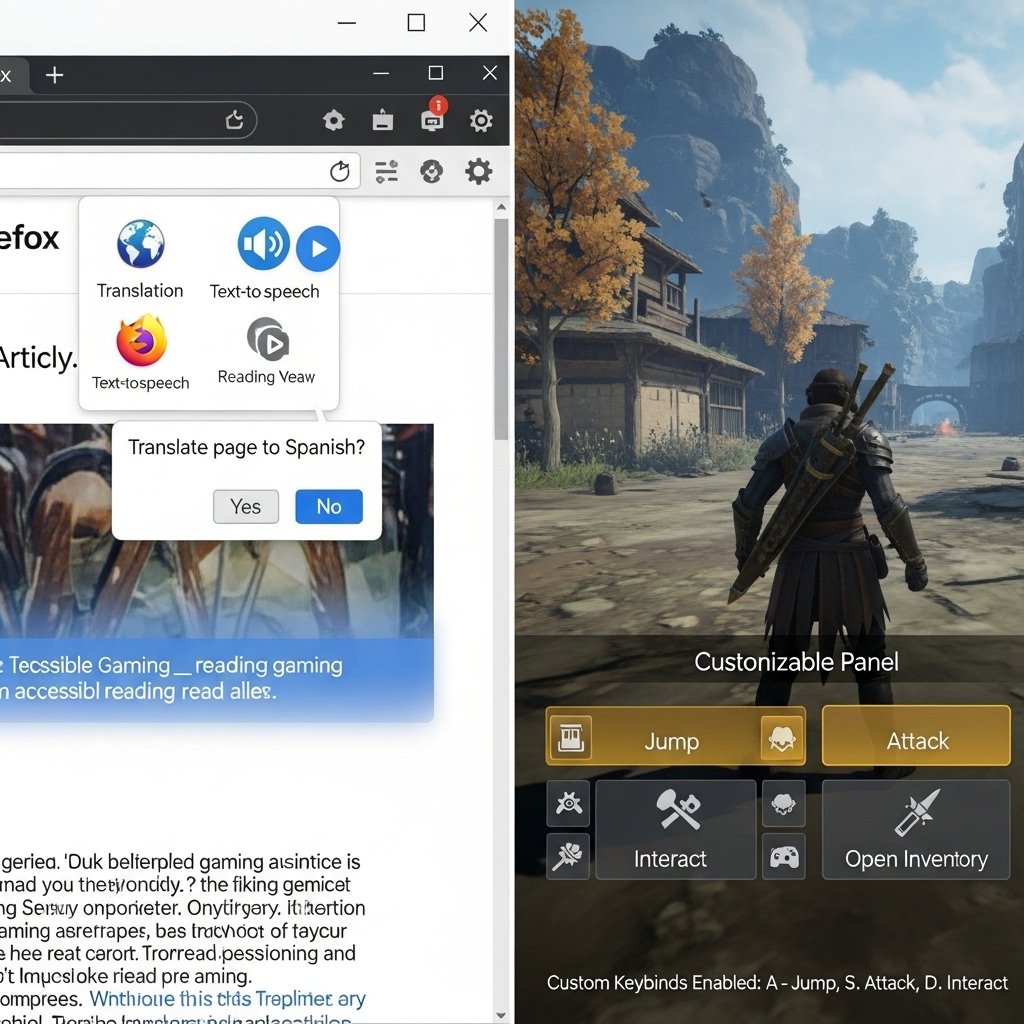
Gaming ecosystems rely on stable browsers for marketplaces, forums, and streaming dashboards. Firefox avoids bias toward AI driven discovery. Manual navigation remains primary. Players browse patch notes and esports schedules without interference. Neutral design supports diverse gaming habits across genres.
Accessibility without dependency

Optional AI assists users who seek reading summaries or translation. Firefox avoids creating dependency through forced workflows. Players with accessibility needs enable tools as required. Others retain familiar navigation. Flexibility supports broad user demographics without imposing uniform behavior.
Competitive alignment against forced automation

Other browsers integrate AI deeply into default experiences. Firefox stands apart through restraint. Competitive gamers resist unnecessary layers due to performance risks. This positioning strengthens Firefox appeal among users who prioritize efficiency over novelty. Differentiation emerges through discipline rather than excess.
Trust strengthens long term loyalty

User trust grows when software respects boundaries. Firefox demonstrates respect through optional AI design. Gaming users often remain loyal to tools that avoid disruption. Positive response signals alignment with core expectations. Long term adoption benefits from consistency and restraint.
Gaming workflows remain uninterrupted

Gaming related workflows involve guides, forums, analytics, and streaming tools. Firefox integrates optional AI without altering established routines. Users enable features during research phases only. Active sessions remain unaffected. This balance supports focused play and efficient preparation.