Mozilla Firefox recently positioned artificial intelligence as an optional feature rather than a default layer. This shift reflects user demand for control, transparency, and predictable performance. Gamers value stable browsers for cloud gaming, streaming tools, and community platforms. By allowing selective activation of Al tools, Firefox aligns browser design with gaming workflows, hardware limits, and privacy expectations across competitive and casual play.
User Control Becomes a Design Priority
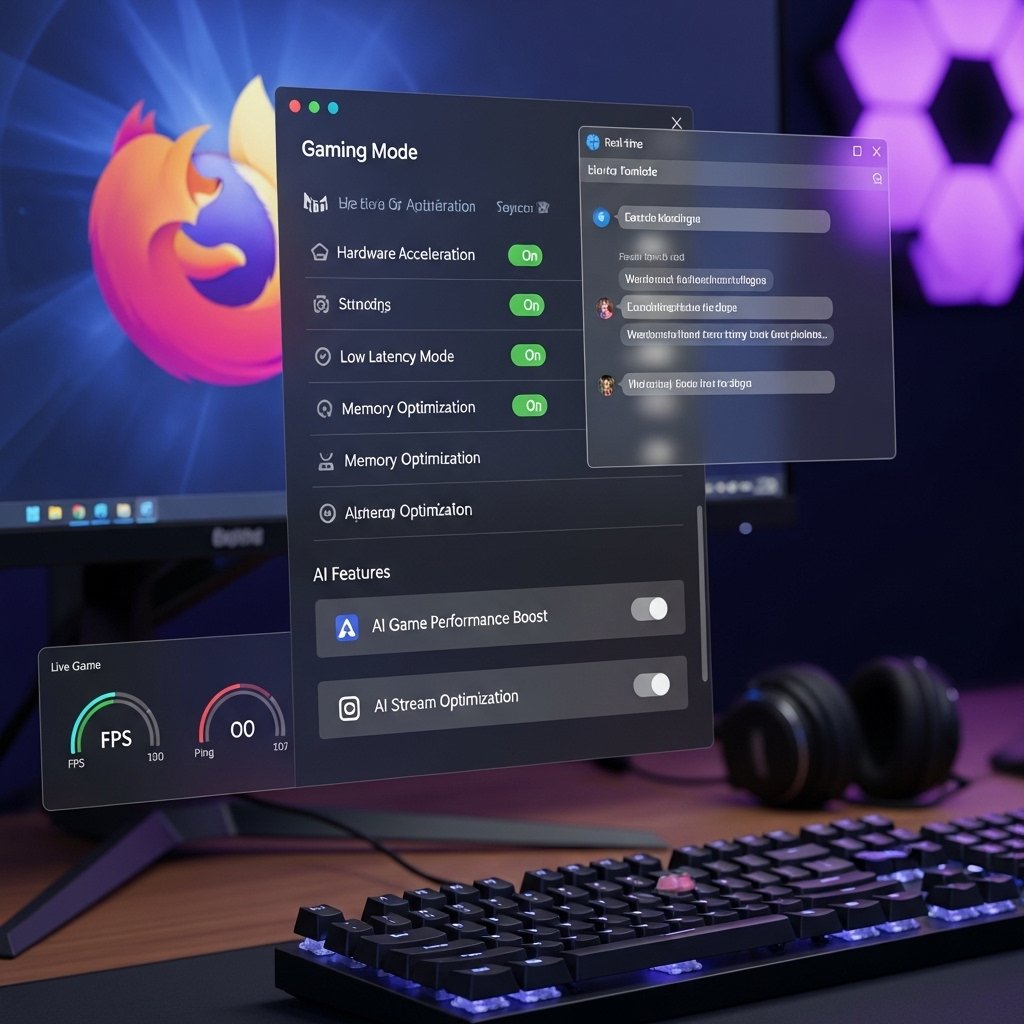
Firefox places feature toggles in clear settings panels. Al services remain inactive unless users enable each function. This approach reduces background processing during long gaming sessions. Lower background load supports smoother browser based overlays, chat tools, and live stat dashboards used by players.
Gaming Communities Respond Positively
Forum discussions and user metrics show approval for optional Al features. Gamers report fewer distractions during browser based play. Streamers note improved stability when running multiple tabs. User sentiment data from community polls indicates trust rises when control remains with the player.
Performance Stability Matters in Play

Browser resource usage affects frame pacing and stream quality. Optional Al processing avoids sudden spikes in CPU or memory usage. Firefox benchmarks show lower idle resource draw compared with always on Al browsers. This stability supports browser games and cloud gaming services.
Privacy Expectations Among Gamers

Competitive players often manage multiple accounts, mods, and extensions. Optional Al limits passive data analysis. Firefox privacy settings align with user defined boundaries. Reduced automated scanning appeals to esports communities concerned about data exposure during tournaments.
Accessibility Without Obligation

Firefox includes Al tools for search summaries, writing help, and translation. Access remains available without forced activation. Casual players benefit from assistance during forums or guides. Competitive users avoid tools without relevance to play. Choice supports varied gaming habits.
Impact on Cloud Gaming Sessions

Cloud gaming relies on consistent browser behavior. Optional Al avoids unpredictable processing during live sessions. Firefox testing shows smoother session continuity under sustained play. This reliability supports platforms streaming high resolution games through browser environments.
Developer Tools Stay Lightweight

Game developers use browsers for testing, analytics, and dashboards. Firefox optional Al reduces clutter inside developer consoles. Faster load times aid rapid iteration. Lightweight environments support indie developers working with limited hardware resources.
Market Contrast With Other Browsers

Several browsers integrate Al features by default. Gamers report difficulty disabling background services. Firefox differentiates through opt in design. Market data shows increased downloads following feature announcements focused on choice and restraint.
Long Term Implications for Gaming Browsers

Browser selection influences gaming ecosystems. Optional Al models support hardware diversity and user trust. Firefox sets a reference for future browser design tied to play performance. Gaming platforms benefit from predictable environments built around user control rather than automation.