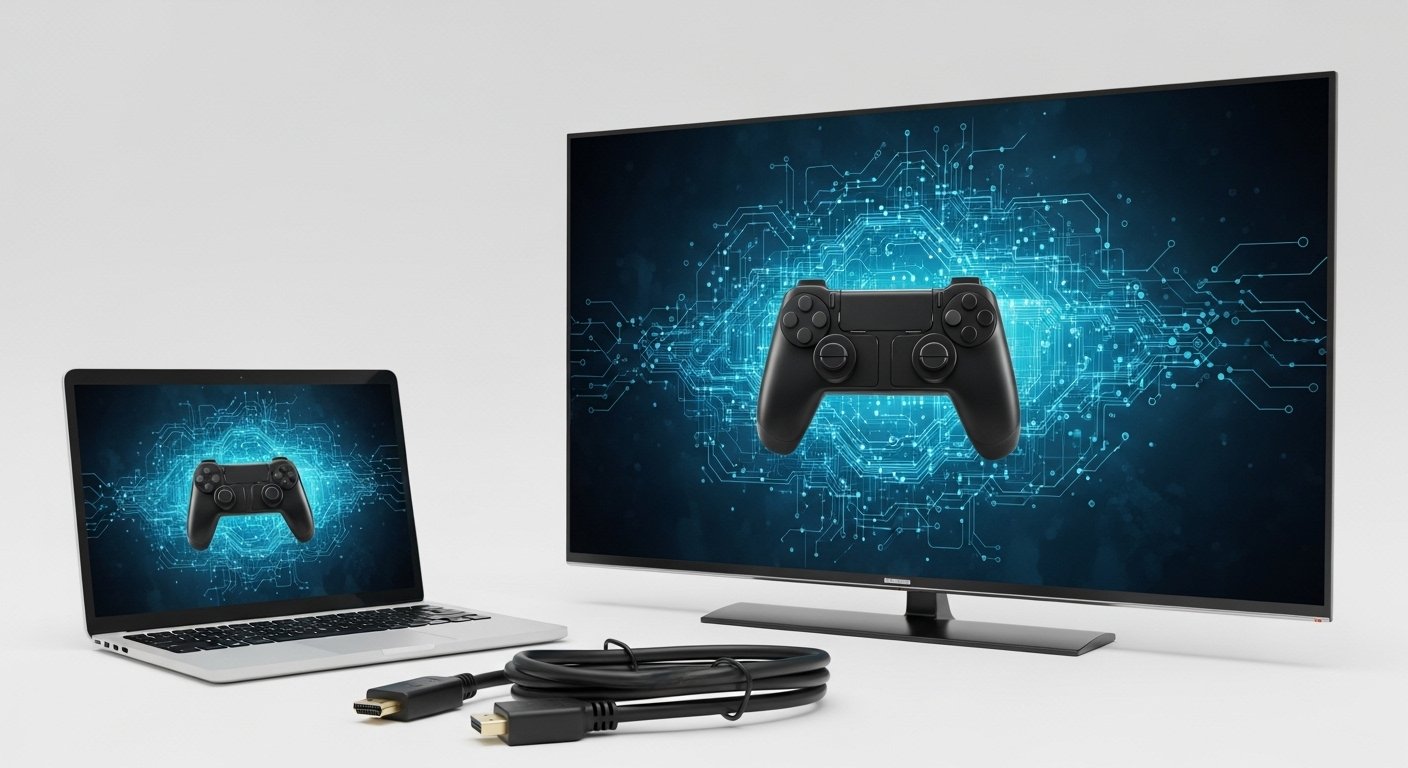
Anything can turn out to be a trigger in the already nervous setting of the world it appears that cyber threats do lurk behind every single click and even such a rather basic cable like HDMI can cause people to become nervous. You connect your laptop to the TV, or your device used to play games to the screen and then you wonder to yourself: is it what can end up getting the cable into my machine? It is not surprising to feel scared when you read about use of viruses in the form of flash drives and the blogging chargers. Along with the introduction of smart TVs, among other appliances that can be connected to the internet, the grey area between what is perceived as a safe technological action and what should be regarded as a dangerous technology may exist. However, it is imperative to know how HDMI works so that one does not make a premise that it is the worst.
What HDMI Is Designed For

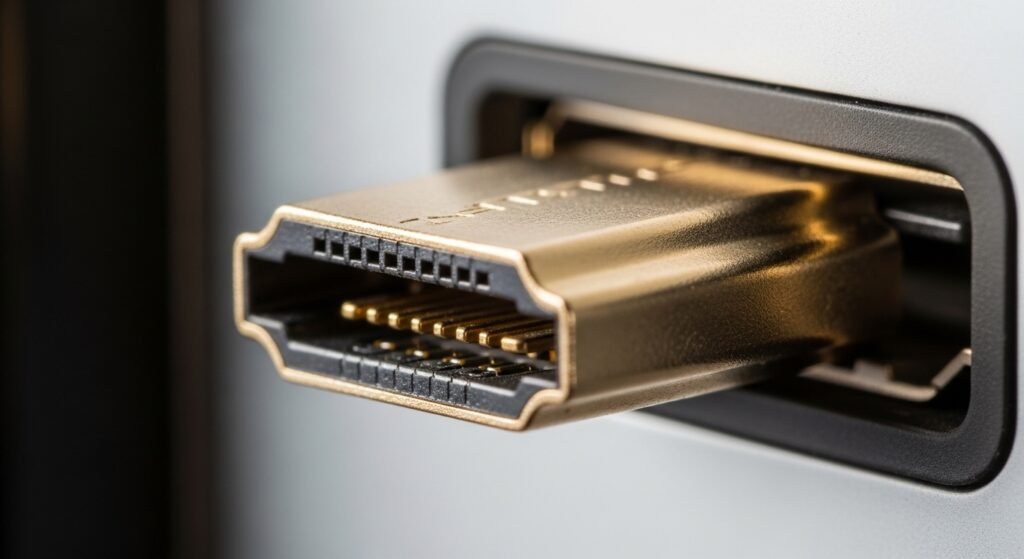
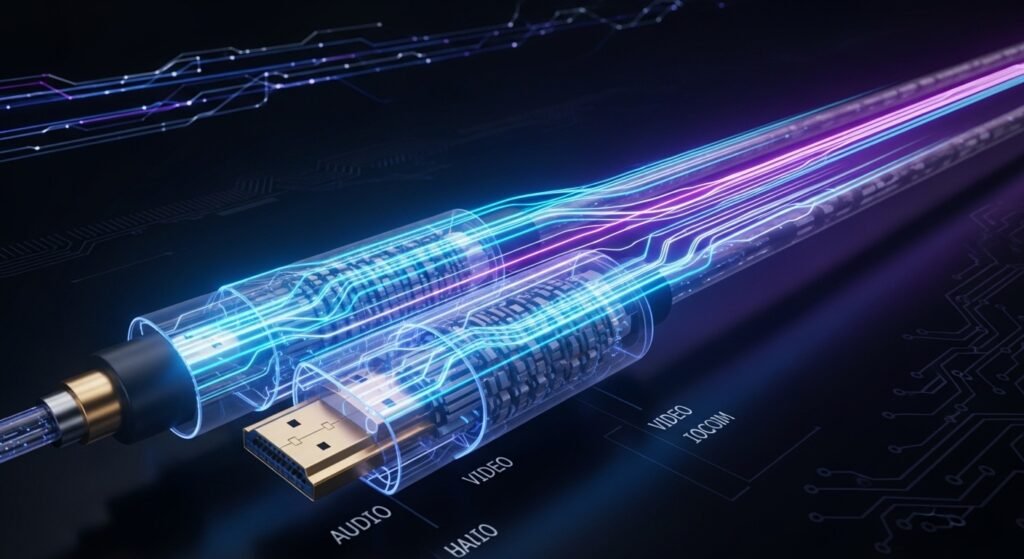
The HDMI (High-Definition Multimedia Interface) is developed to transmit good audio and video signals between devices. Its main business should not be file transfer and software installation, but be good images and audio.
None of the Traditional File transfer
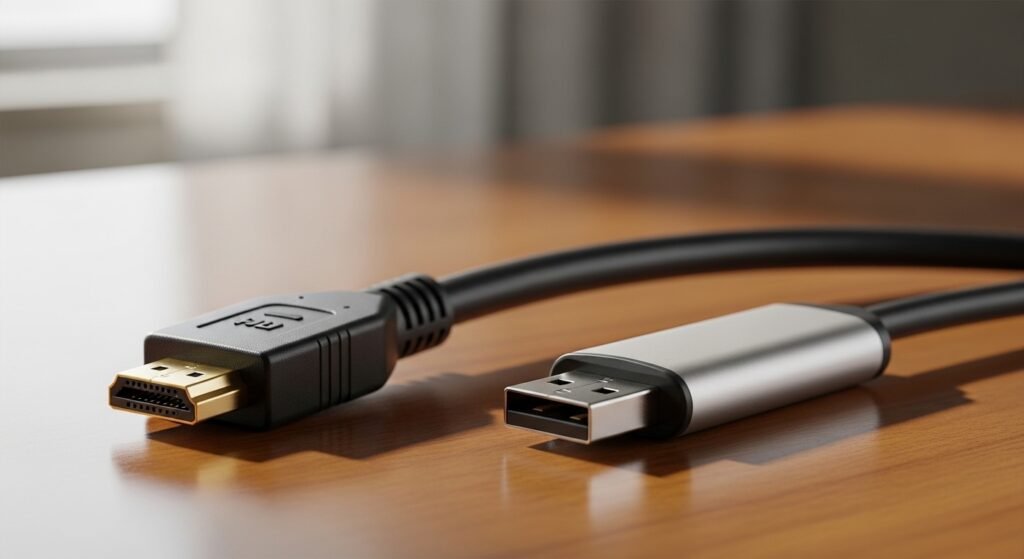
Unlike USB connections, HDMI is not a generic data-sharing device. It does not copy files, programs, commanding programs of technology between the tools and this limits its applicability to the spread of malwares.
Why the Myth Exists
This fear is attributed to the growing awareness on cybersecurity risks. Since there is lack of security of other cables and ports, people are likely to think that HDMI is equally susceptible to attack, even though the functionality of the cable is absolutely different.
Intelligent Devices Moving Things a Notch Higher.
The current TVs and consoles are computers in their literal sense. Samsung, Sony and LG are the companies that are engaged in the production of smart internet connected and application based gadgets. It includes these features, which leave potential vulnerabilities – not HDMI.
Firmware vs. Cable Risk
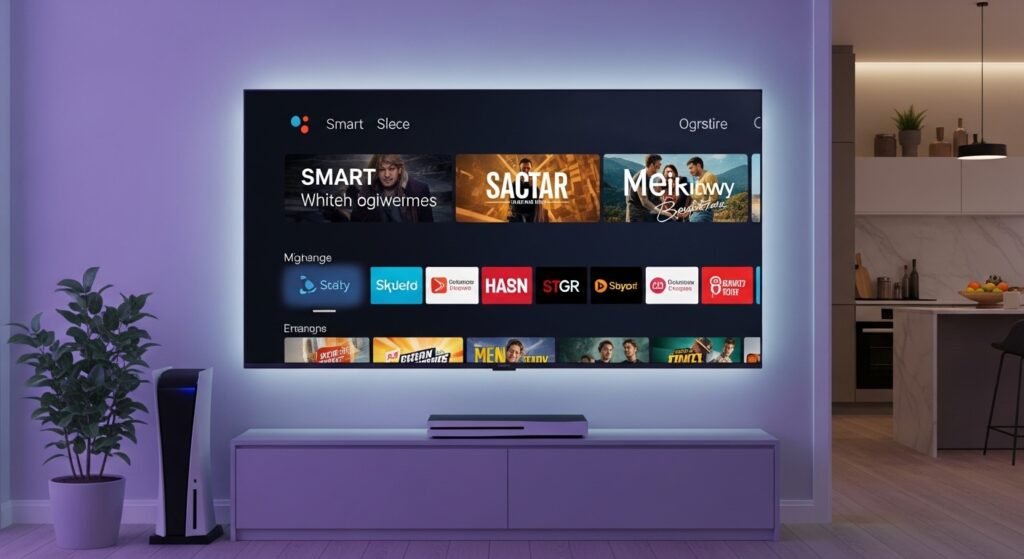
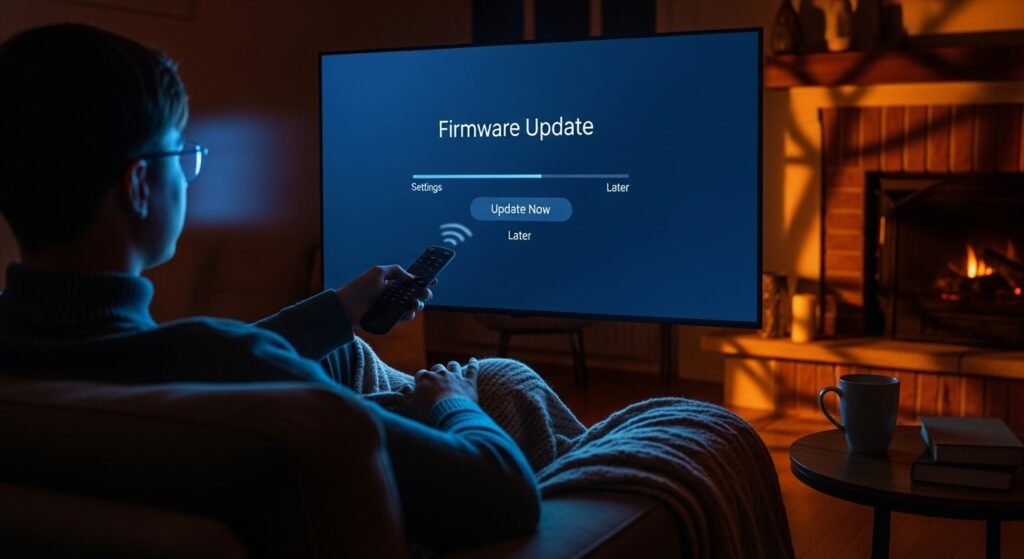
Should there be a hack to a smart TV / console, it is typically an old firmware, malicious application or weak network security. The HDMI cable itself is not executing a running code or transferring some concealed files.
HDMI-CEC Concerns
With HDMI-CEC the devices can control the other devices like turn off a TV when a console is turned on. Security flaws in the features are reported in infrequent research cases, although the actual life occurrences are exceptionally rare.
Where You Should Be Careful
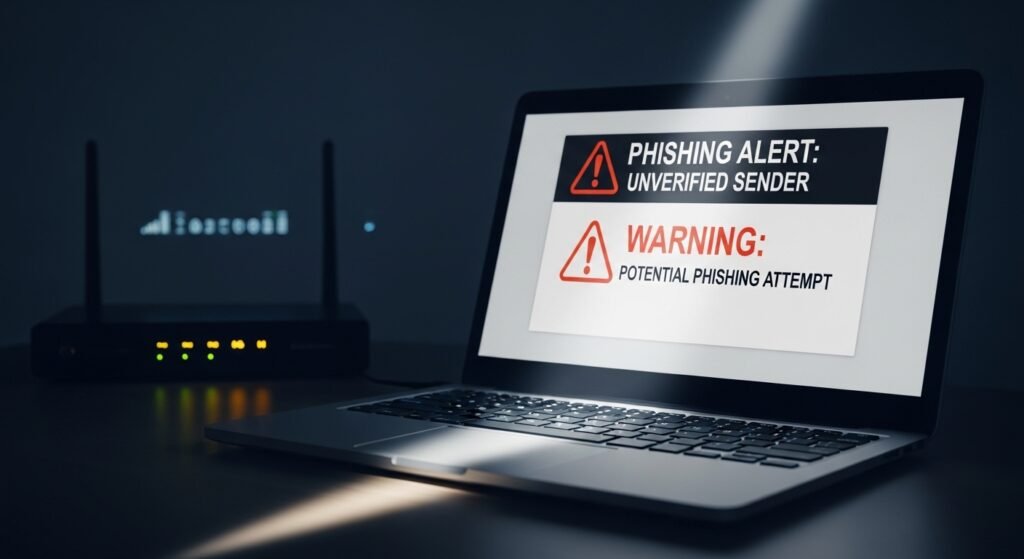
Malicious downloads, emails containing phishing attacks, USBs, or unsecured WLAN networks are also likely to be the actual cybersecurity threats. These are the tried and tested and common attack directions.
Simple Safety Habits
It is always up-to-date with the newest versions of the device software, always download programs in authorized stores, use combined passwords and buy gadgets in credible stores. By attacking these habits they will be literally covered and HDMI cables are not an issue.