Cybersecurity threats are evolving faster than ever, and the most dangerous hack currently targeting individuals and businesses isn’t a complex virus or a Hollywood-style break-in. The primary threat of today comes from AI-Powered Deepfake Phishing. The attackers use voice recognition technology to replicate trusted individuals, which they use to deceive users into revealing confidential details.
The Rise of Voice Cloning
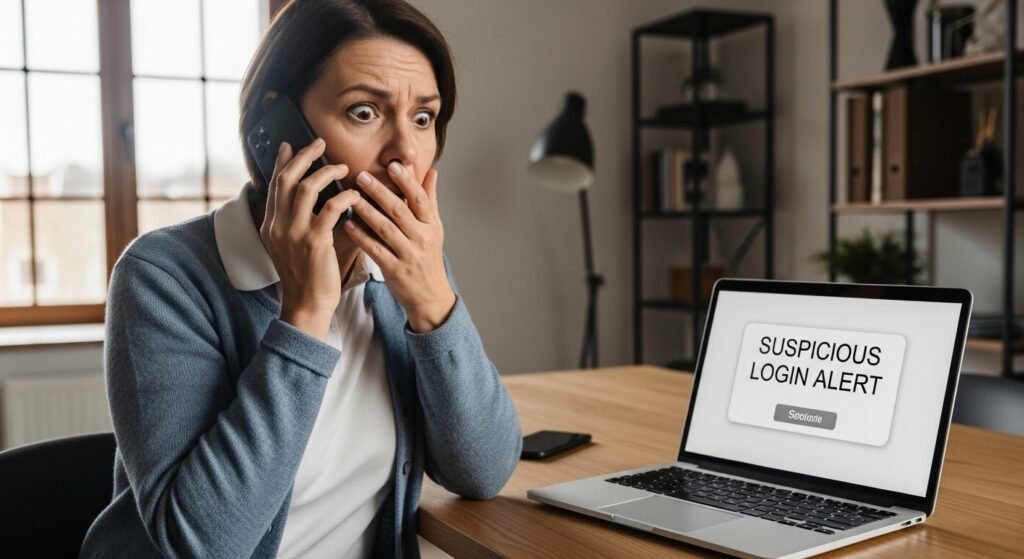
Hackers now use AI to record just a few seconds of a person’s voice—often from a video posted on social media. Using the recorded voice, they create a fake phone call which they use to deceive family members and coworkers. They commonly create false emergencies to force victims into making financial or password disclosures.
Video Deepfakes in Meetings

Scammers now join video calls by using actual executive AI filters which create fake identities of their company executives or friendly associates. These “digital masks” are so convincing that employees have been tricked into transferring millions of dollars to fraudulent accounts during what they thought was a routine business meeting.
Hyper-Personalized Messages

People no longer receive emails from “princes” who request help through poorly spelled messages. AI can now scan your public social media profiles to write emails that mention your recent vacations, your pets, or your specific job title. The messages create a feeling of high authenticity because they contain private information which only you and your close friends should possess.
The “Urgency” Trap

Every version of this hack relies on creating a sense of panic. Scammers might say your bank account has been frozen or a loved one is in trouble. The design of this psychological manipulation trick makes you act without properly thinking or confirming the identity of the caller.
Bypassing Multi-Factor Authentication
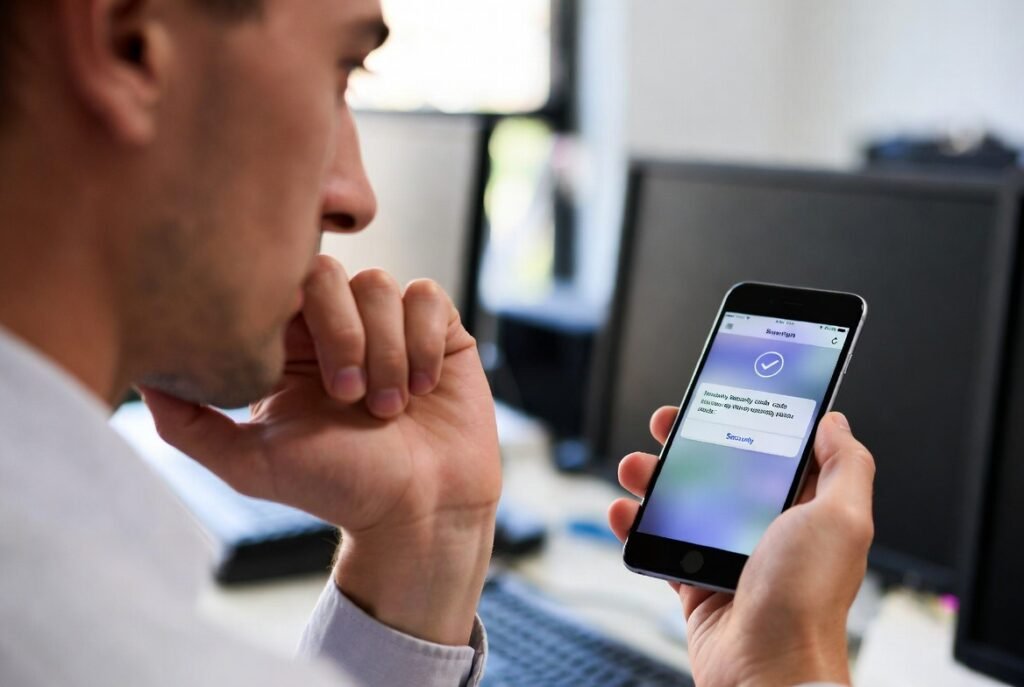
Hackers have developed methods to capture or exhaust security codes which companies send through mobile devices. The person on the phone pretends to be technical support and requests you to provide the code by saying it is necessary for identity verification. The hackers use that code to access all your online accounts because it serves as the primary security protection for most users.
Malicious “Clean-Up” Tools
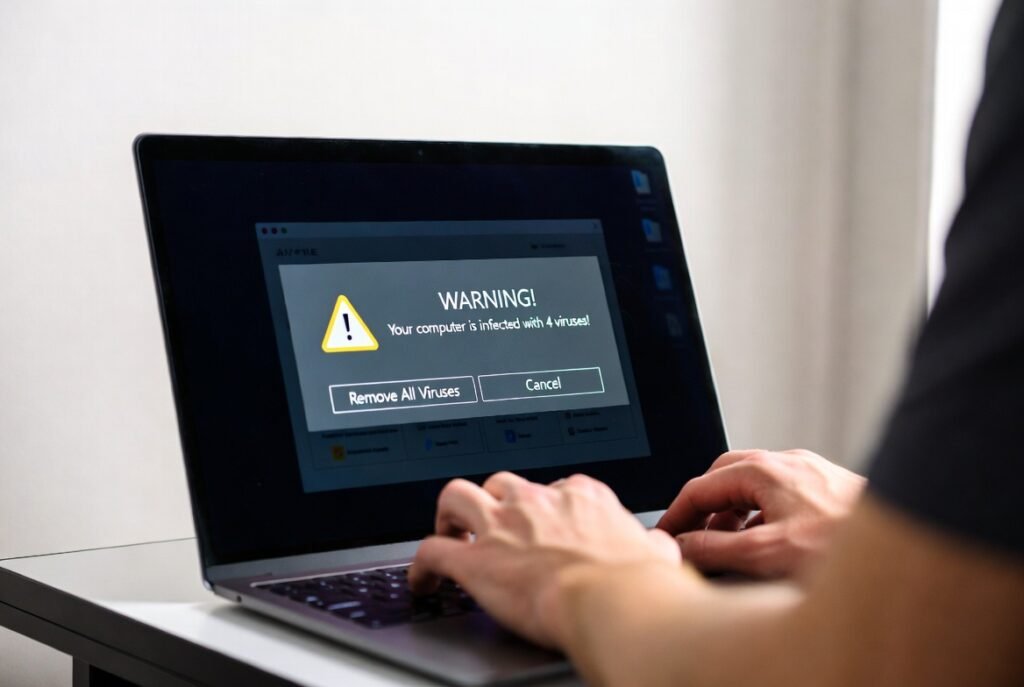
Some scams start with an alert saying your computer is already hacked. They present a “free tool” which should fix the identified issue. The tool operates as a hack because it will capture all your typing activities while you use their program.
Targeting Smart Home Devices
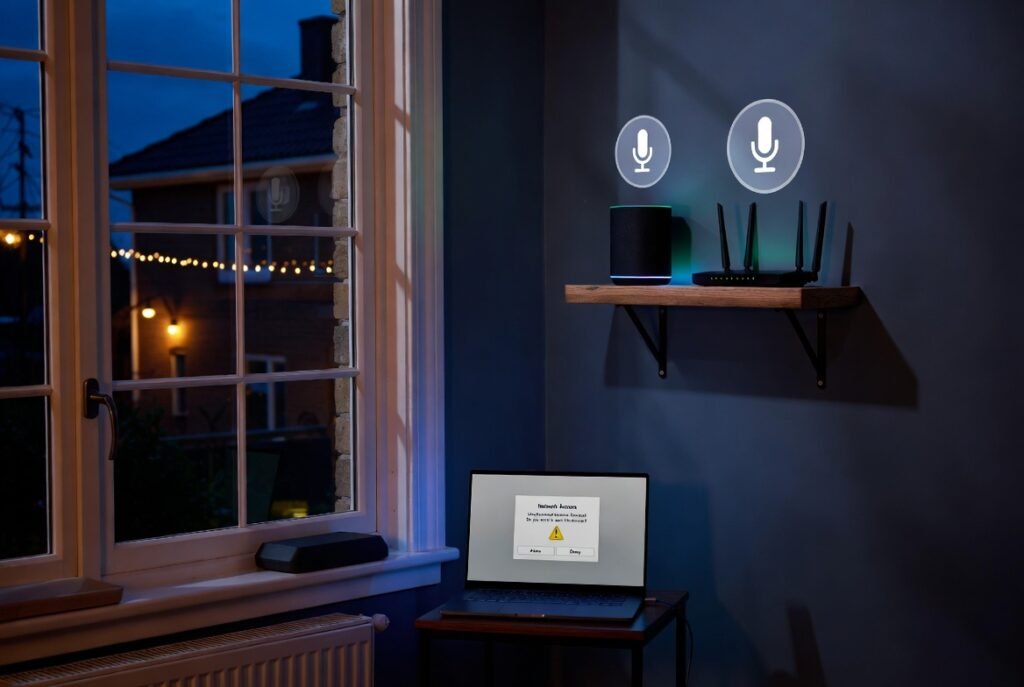
Hackers search for entry points in smart home equipment which they can exploit as more residences connect to the Internet. Default or simple passwords on these devices enable hackers to access your home network, which they use to reach your secured devices such as laptops and phones.
QR Code Scams
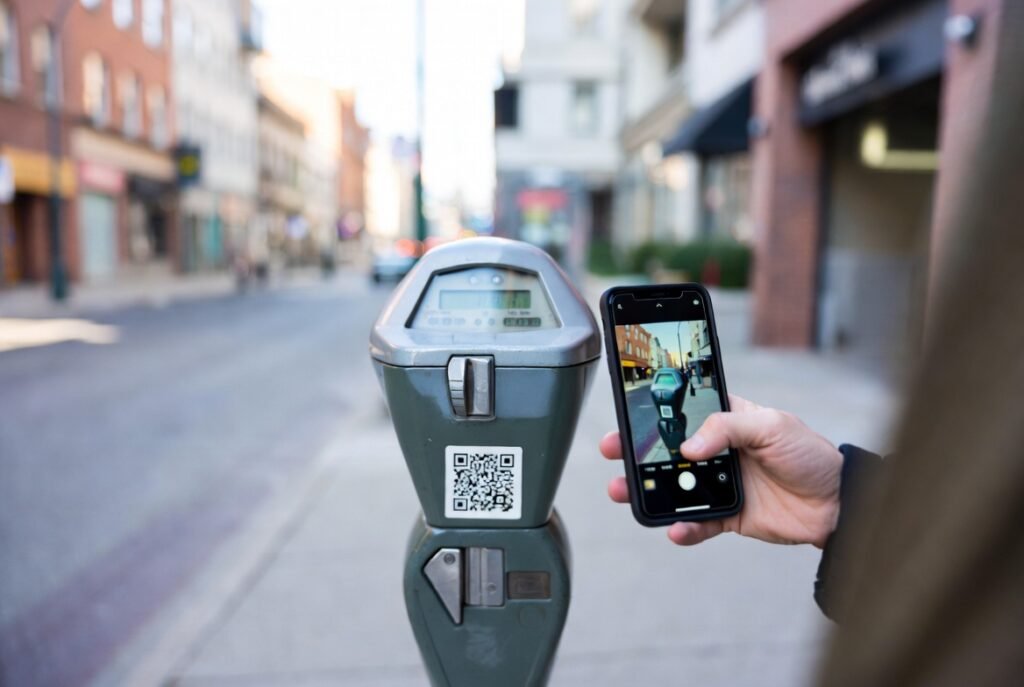
People refer to this scam method as “Quishing” when scammers put fake QR code stickers over authentic QR codes which exist in public places such as parking meters and restaurant menus. The scanning process sends you to a fraudulent payment site which collects your credit card details.
Check the “From” Address Carefully
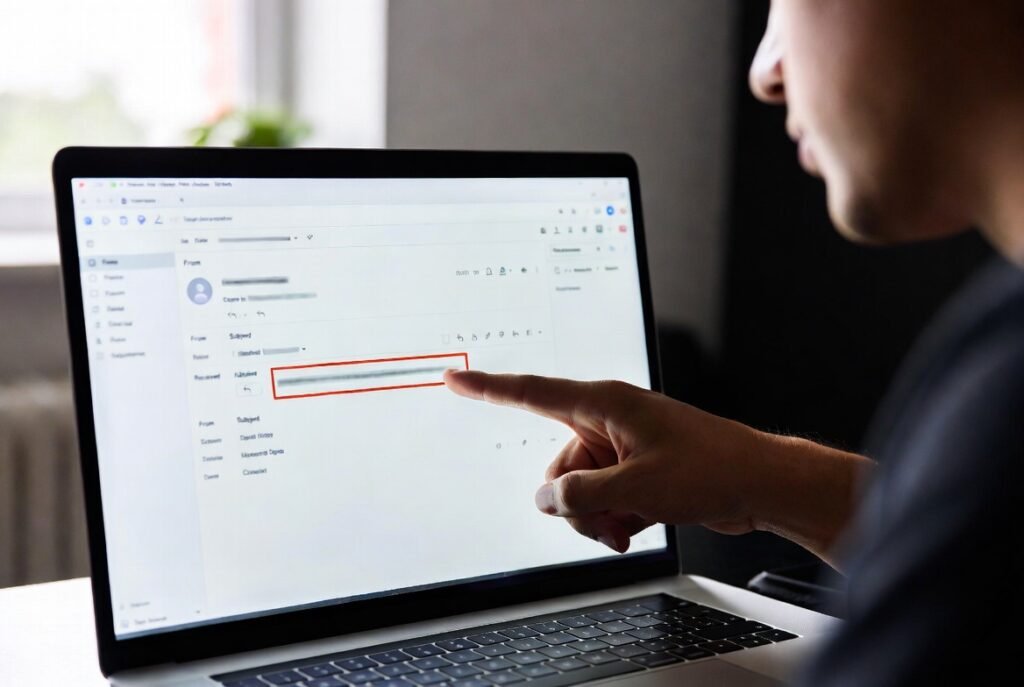
AI can mimic the tone of a person, but it can’t always mimic their exact email address. Scammers use email addresses which differ from the correct address by one letter (like “support@g00gle.com”). The sender’s name contains a hidden actual address which you can reveal by hovering over it.
Create a “Family Code Word”

To beat voice and video cloning, many people are establishing a secret code word with their families. People should request the secret code word when they receive a call from their family member asking for financial help or sensitive information. The caller needs to provide the code word for you to continue the conversation.