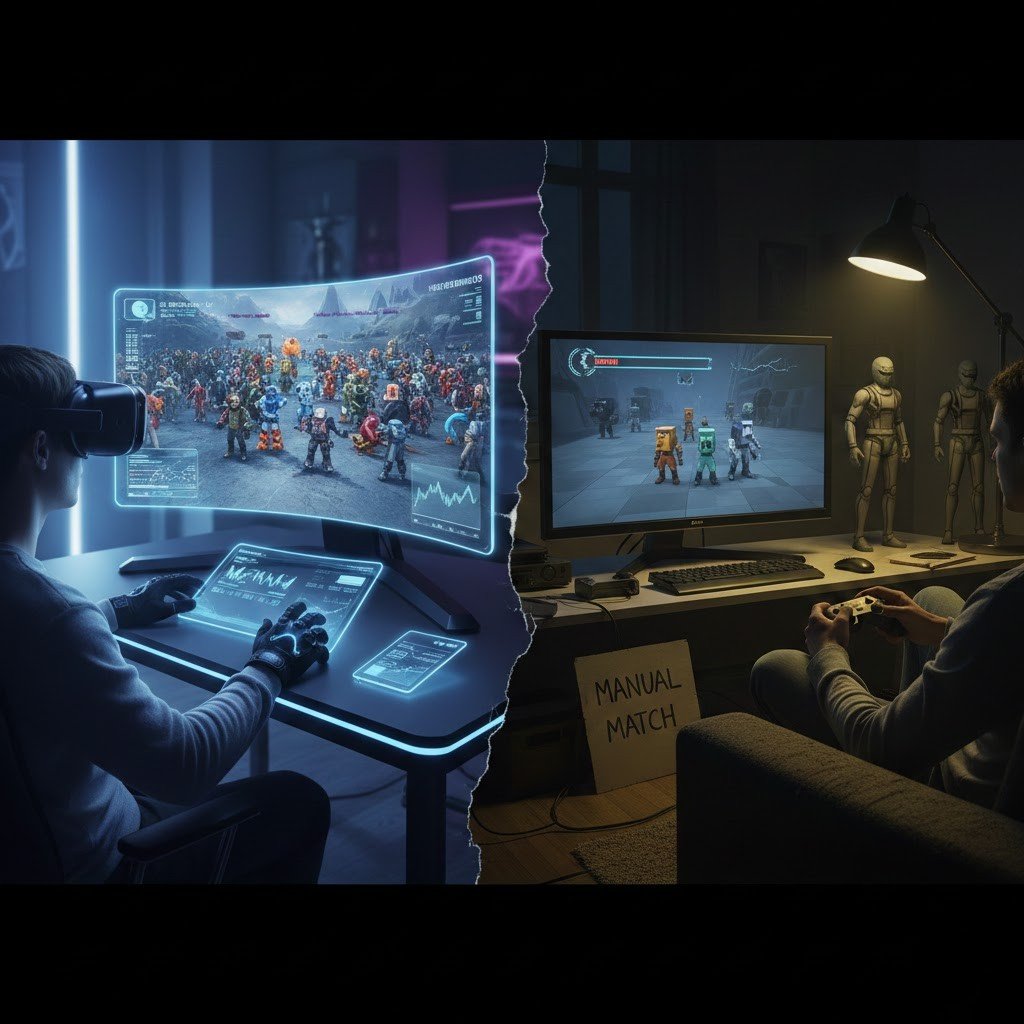
Artificial intelligence already shapes daily digital experiences, with gaming serving as a clear example. Advanced systems guide non player characters, matchmaking, and virtual economies. Access varies by region, budget, and platform. Large studios deploy advanced tools while smaller teams rely on limited automation. Players notice uneven quality across titles. This gap shows artificial intelligence presence today without uniform reach across the gaming space.
AI Appears First Where Money Concentrates

Large game studios adopt artificial intelligence early due to higher budgets. Machine learning supports animation blending, voice generation, and player behavior analysis. A major studio often assigns millions of dollars toward data pipelines. Smaller developers lack similar resources. Results appear uneven across releases from different publishers.
Hardware Determines Player Experience

Artificial intelligence features depend on hardware capacity. High end consoles and gaming PCs process complex models locally. Entry level devices rely on simplified routines. A player using older hardware receives fewer dynamic interactions. Hardware cost directly shapes access to advanced features during play.
Regional Infrastructure Shapes AI Access
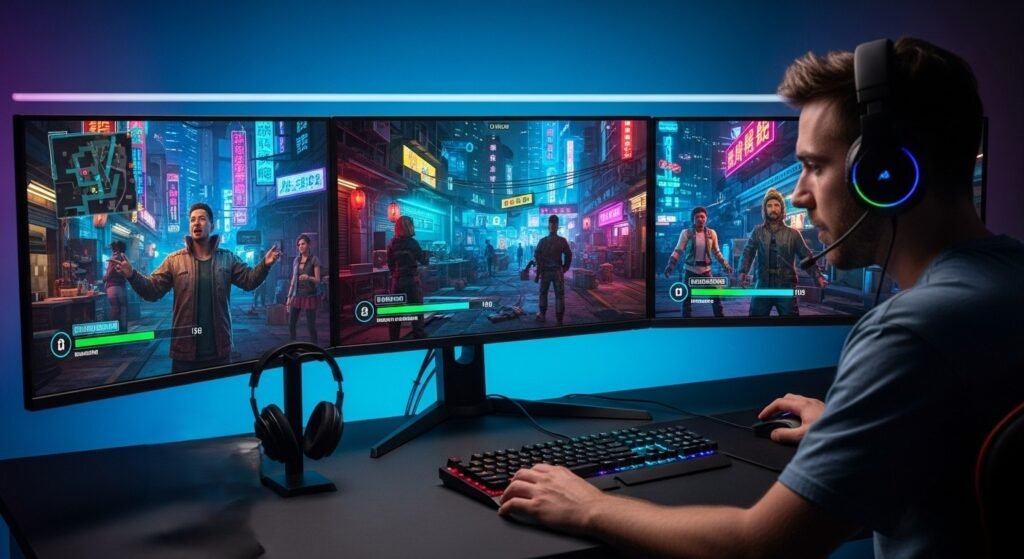
Internet speed and cloud availability affect artificial intelligence delivery. Cloud based systems power real time moderation and adaptive events. Regions with limited bandwidth face delays or feature removal. Multiplayer titles adjust systems by geography. Players in urban regions experience more responsive environments.
Player Data Drives Smarter Design

Artificial intelligence improves through data feedback. Popular games gather millions of play sessions. This volume refines difficulty scaling and content pacing. Niche titles lack similar datasets. Design improvements progress slower in smaller communities.
Live Service Games Gain Advantage

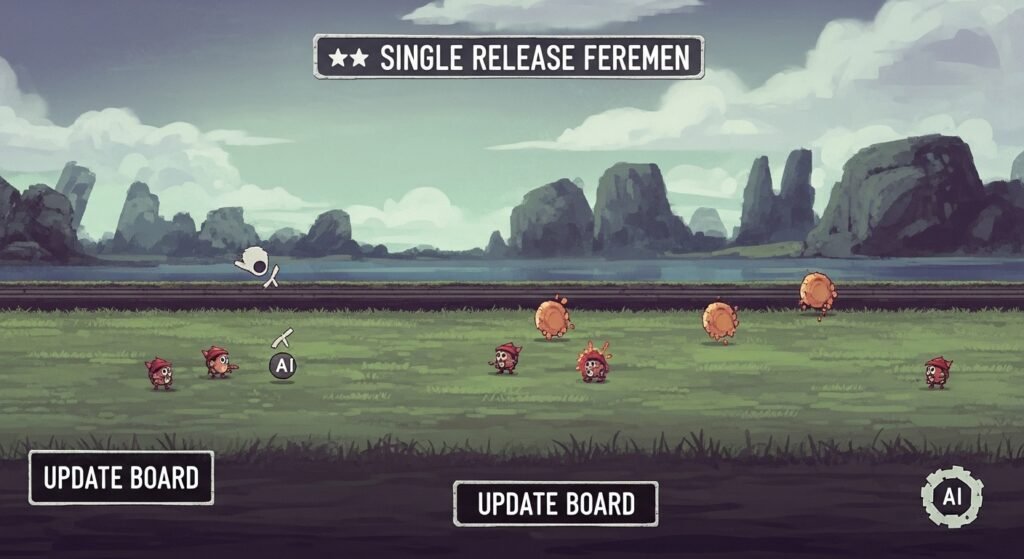
Ongoing games receive constant artificial intelligence tuning. Developers monitor behavior patterns daily. Balance changes follow real usage metrics. Single release games freeze systems at launch. Live service models widen the intelligence gap between titles.
Accessibility Tools Show Uneven Progress

Artificial intelligence assists accessibility through speech input and visual aids. Large studios implement adaptive interfaces. Smaller teams skip such systems due to cost. Players with accessibility needs face limited options depending on publisher scale.
Competitive Gaming Highlights Disparity

Esports titles apply artificial intelligence to detect cheating and optimize matchmaking. These systems require constant updates. Smaller competitive games struggle with fairness. Players migrate toward platforms with stronger oversight tools.
Modding Communities Fill Gaps

Community mods extend artificial intelligence features in older games. Volunteer developers add smarter enemies or improved companions. Quality varies widely. Official support determines long term stability. Mods reduce gaps yet lack consistency.
Future Distribution Depends on Tools
Artificial intelligence access will expand through shared tools and cloud services. Middleware providers lower entry barriers. Education resources train smaller teams. Equal access depends on pricing and openness across platforms. Gaming remains a clear indicator of uneven distribution today.