
Artificial intelligence shapes daily operations across multiple sectors, with gaming offering a clear reference point. Development teams rely on data systems, pattern analysis, and automated decision tools to manage scale and complexity. This shift focuses on speed, accuracy, and cost control. Observers across manufacturing, health services, and logistics note similar methods. Gaming provides a practical lens due to constant user interaction, measurable outcomes, and rapid feedback cycles.
AI and Game Development Workflows
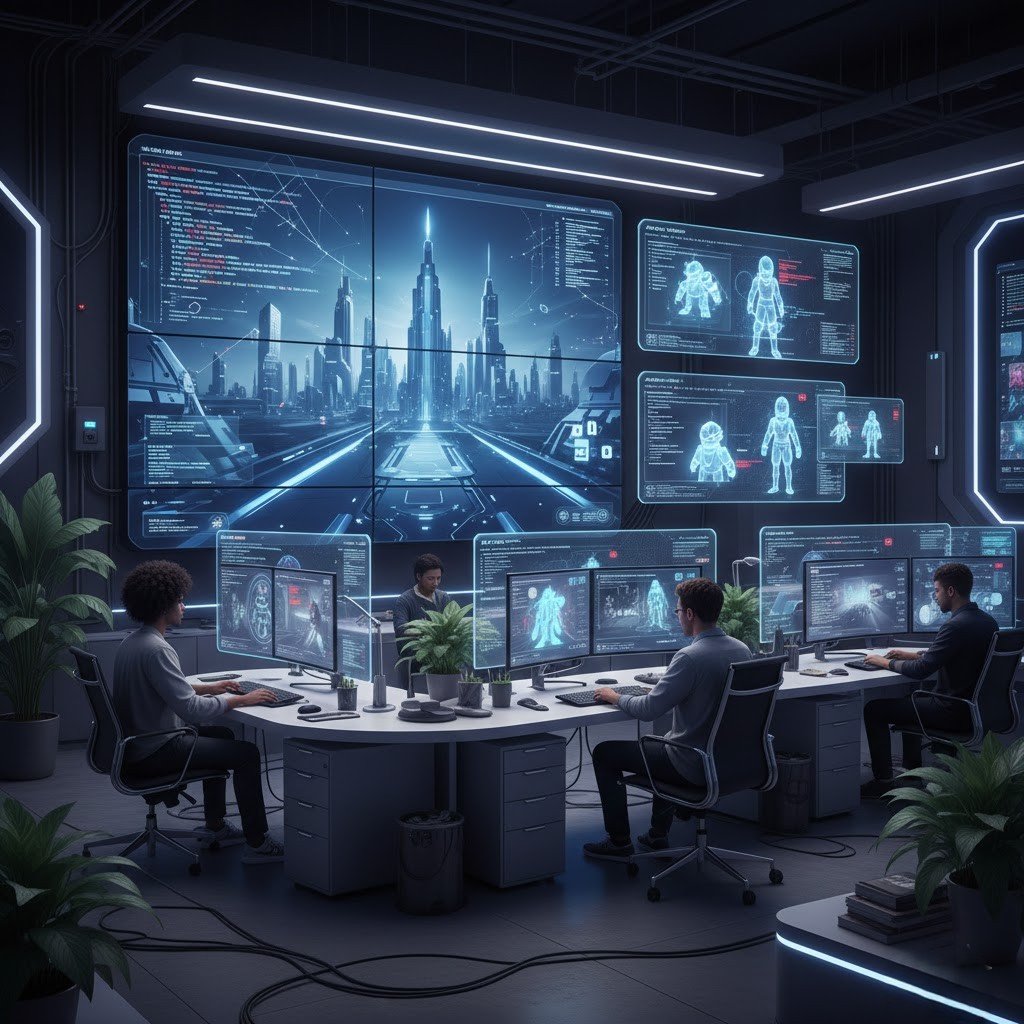
Studios apply artificial intelligence to level design, asset testing, and bug detection. Automated testing tools review thousands of scenarios during short build cycles. Teams reduce manual review time and focus on creative planning. Comparable workflows appear in software engineering and industrial design, where simulation systems shorten production timelines.
Player Behavior Analysis at Scale
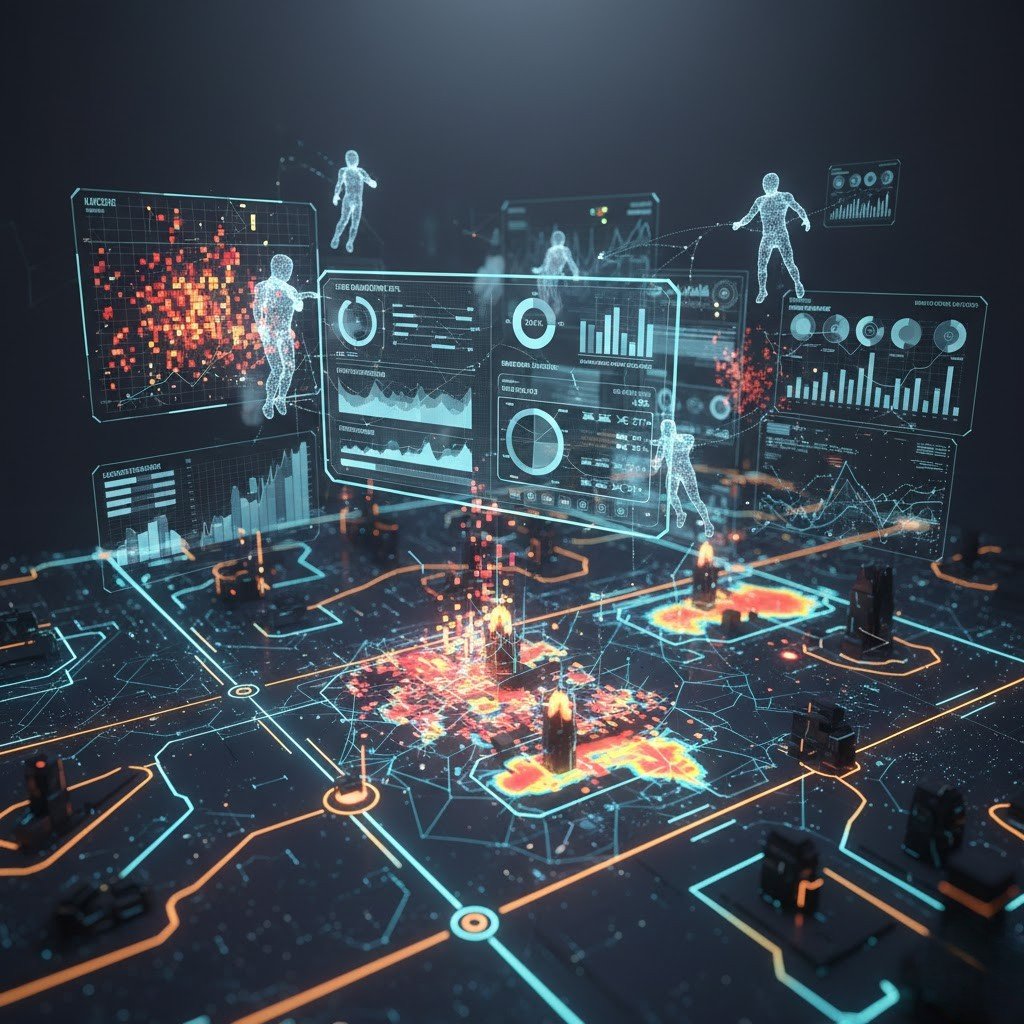
Modern games track movement, timing, and decision patterns during play sessions. Artificial intelligence systems process this data to adjust difficulty, pacing, and rewards. Retail platforms use similar analysis to study buyer behavior and session length. Data driven adjustments improve engagement metrics without manual tuning.
Real Time Personalization Systems

Gaming platforms adapt content based on user history and skill progression. Artificial intelligence assigns challenges, items, or tutorials aligned with observed behavior. Education platforms adopt the same structure for lesson sequencing. Personalization systems support retention by matching content to measured performance.
Fraud Detection and Fair Play Controls

Online games rely on artificial intelligence to monitor unusual activity such as input timing or resource accumulation. Automated systems flag accounts for review with defined thresholds. Financial services apply parallel methods for transaction monitoring. Consistent rule enforcement protects system integrity across sectors.
AI in Game Testing and Quality Assurance

Quality assurance teams use artificial intelligence to simulate player paths and stress test servers. Automated agents repeat actions across varied conditions. This approach reduces regression risks before release. Manufacturing and logistics sectors apply similar testing through digital twins and scenario modeling.
Cloud Infrastructure Optimization

Large scale games depend on cloud systems for matchmaking and data storage. Artificial intelligence predicts peak usage and allocates resources accordingly. Energy providers use equivalent forecasting models for load balancing. Predictive allocation reduces downtime and operating costs.
Non Player Character Behavior Systems
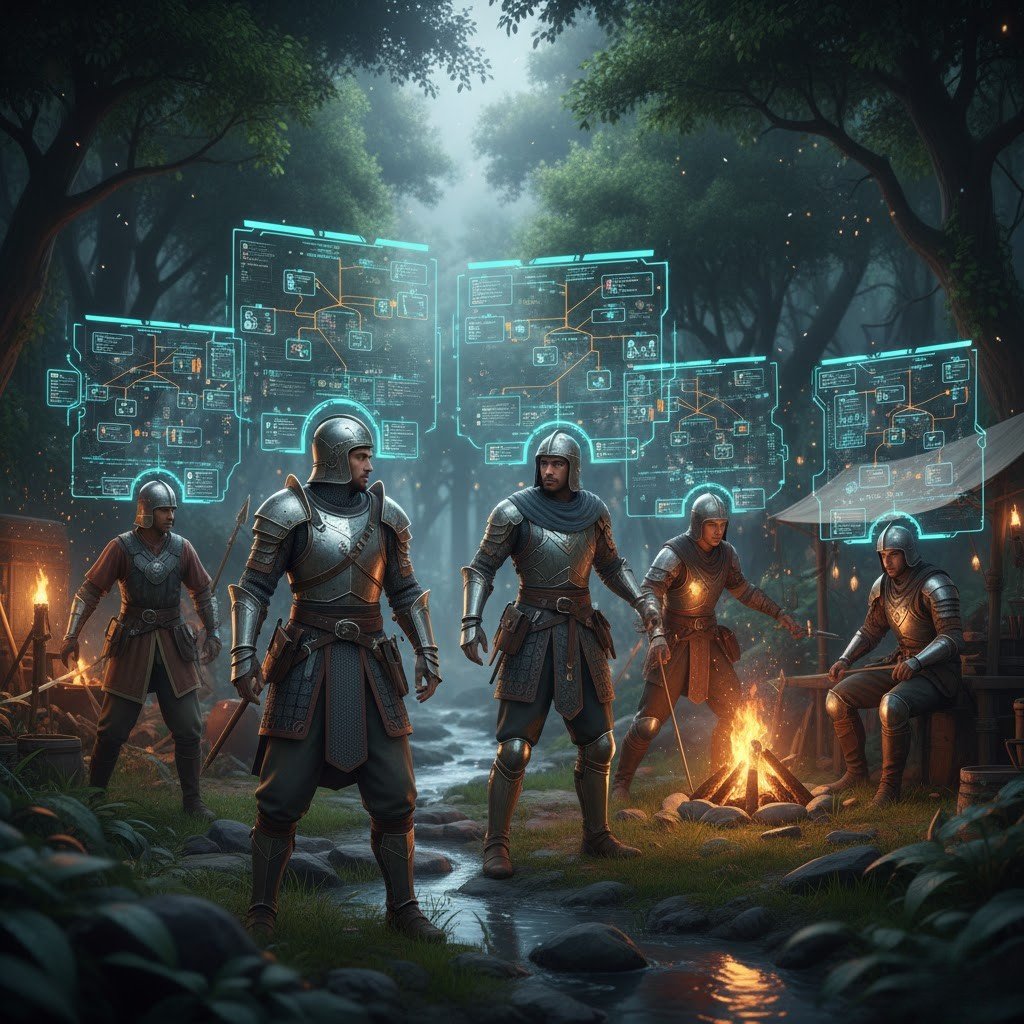
Artificial intelligence controls non player character responses through rule based learning and context analysis. Behavior appears consistent and responsive to player actions. Training simulators for aviation and healthcare use comparable agents. Controlled environments support safe skill development.
Monetization and Pricing Models
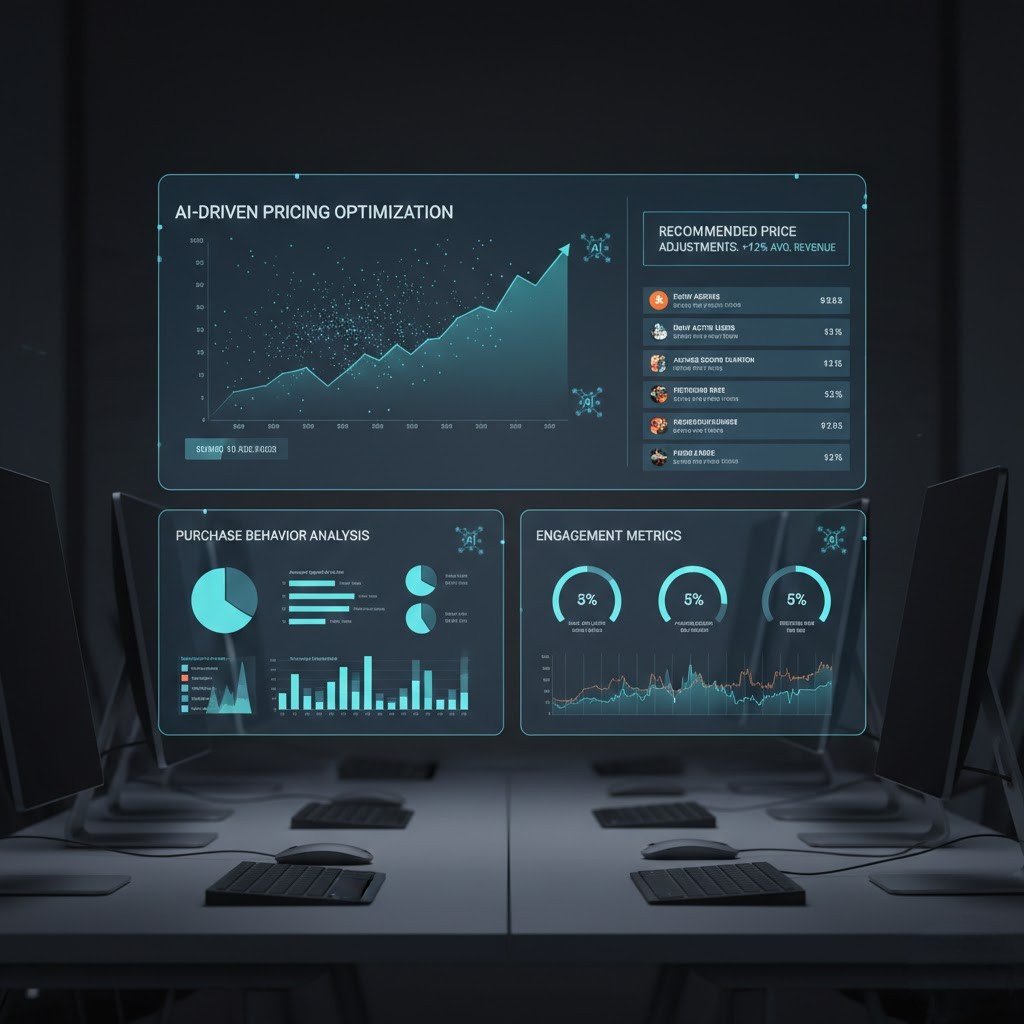
Game publishers apply artificial intelligence to study purchase timing and item usage. Pricing models adjust based on demand patterns and engagement duration. Subscription services follow similar practices. Data guided pricing supports revenue planning without reliance on fixed assumptions.
Cross Industry Skill Transfer
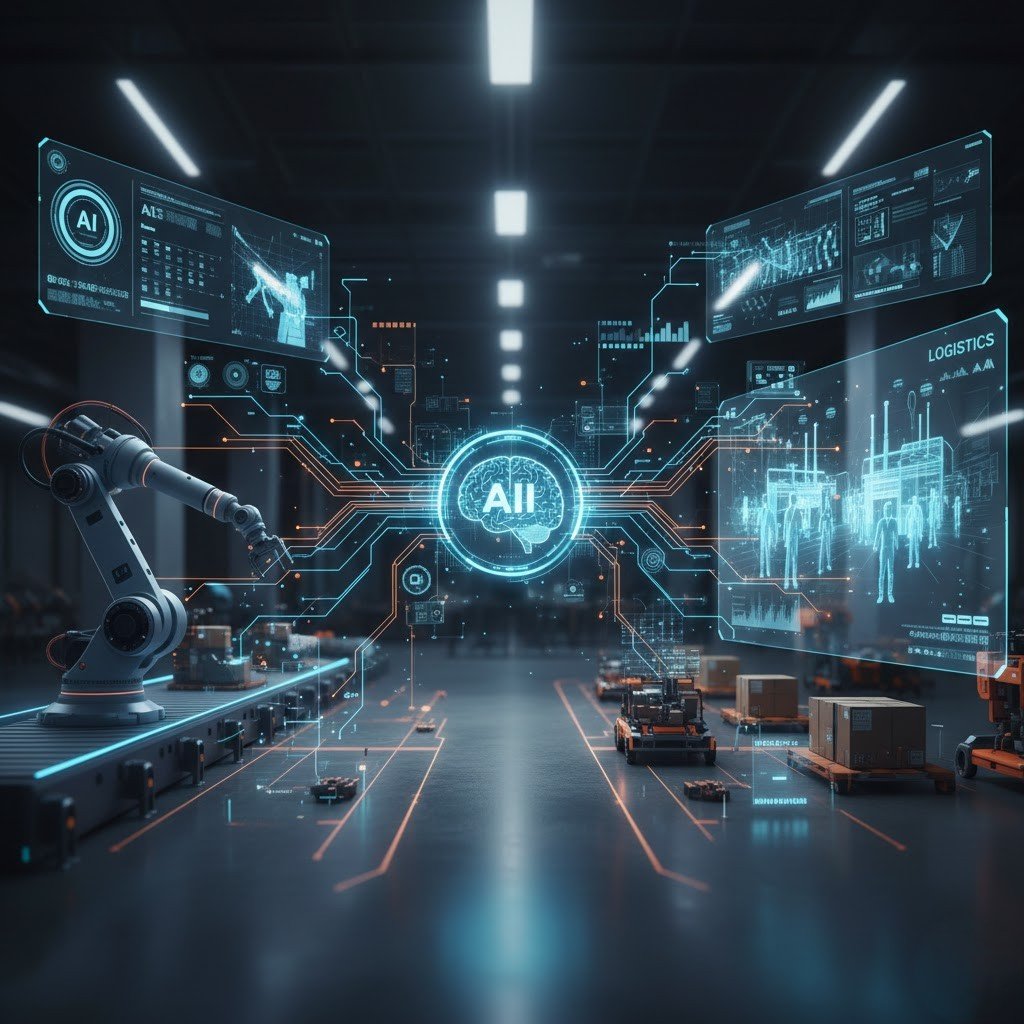
Professionals trained on gaming artificial intelligence systems transition into robotics, defense simulation, and logistics planning roles. Shared tools include reinforcement learning and predictive analytics. Gaming functions as a testing ground for scalable systems with real time constraints.
Workforce and Role Evolution

Artificial intelligence shifts team roles toward oversight, data interpretation, and system tuning. Entry level tasks involve model supervision rather than manual repetition. Similar changes appear in customer support and supply chain management. Skill development focuses on analytics literacy and process design.