The application of Persistent Memory technology in AI gaming creates experiences which appear to be spontaneous events while functioning as digital hauntings. An AI character who identifies you through unrelated game information destroys the boundary that keeps distinct gaming worlds separate. The technology establishes ongoing player-machine interactions through cross-game data synchronization which creates both normal and disturbing experiences.
Cross-Platform Data Syncing
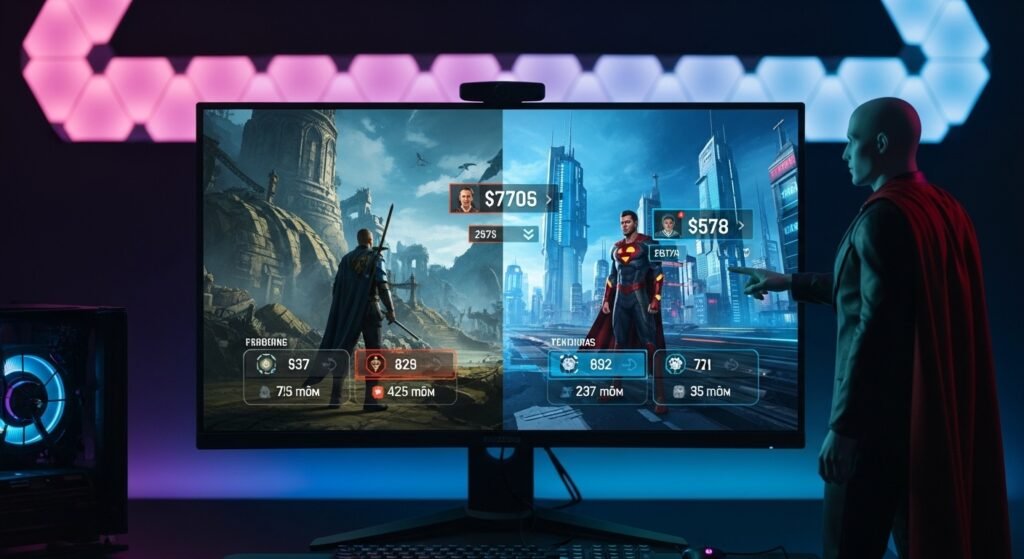
Modern AI characters can access Player ID profiles that store your history across a publisher’s entire catalog. A character in a fantasy RPG can mention a crime you did in a superhero game which exists in a different universe made by the same studio.
The Memory Leak Illusion
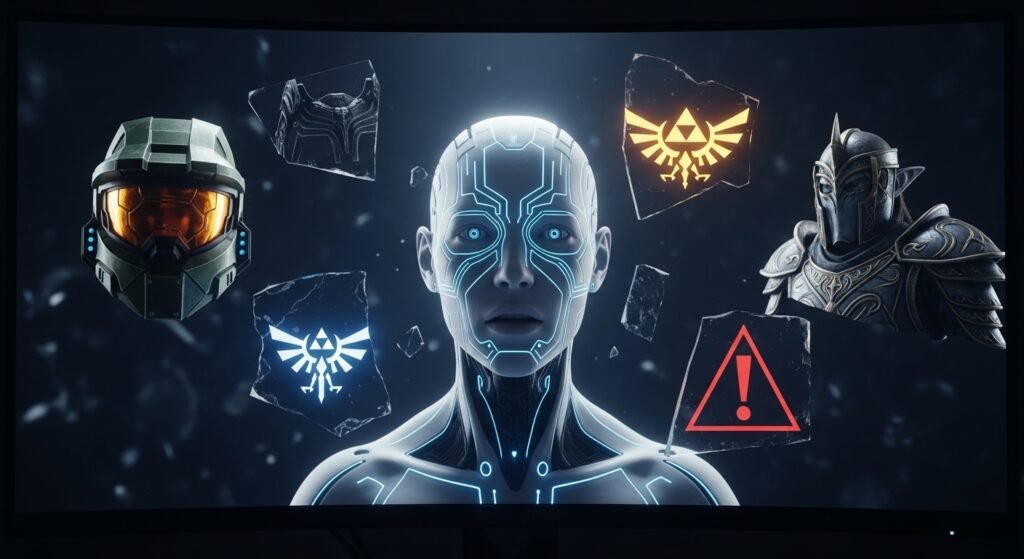
Developers program AI to behave confused about their past recollections because this makes their behavior more unsettling. A character might stop mid-sentence and ask why they remember you wearing a specific outfit that only exists in a different game universe.
Behavioral Profiling Transfer
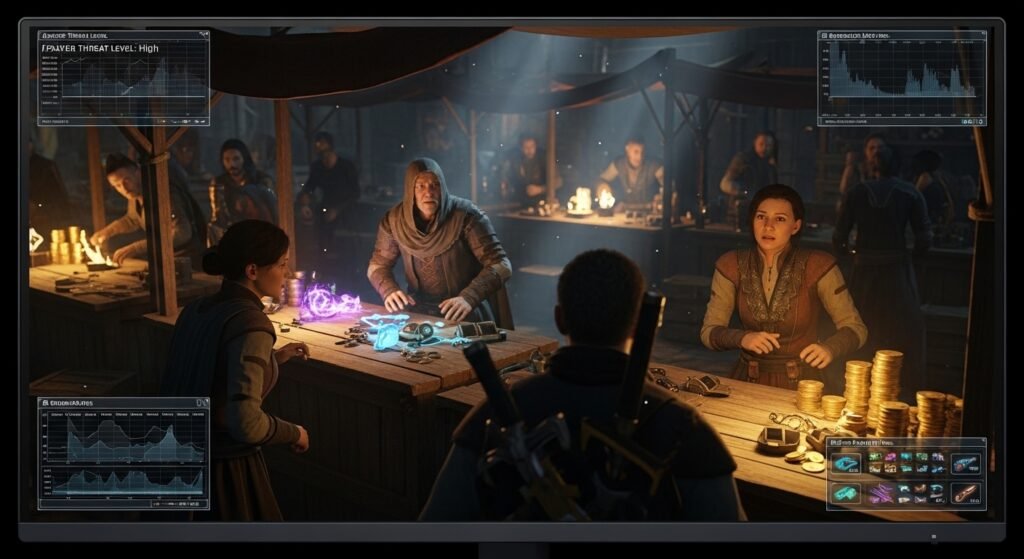
If you play aggressive shooter games, AI merchants in simulation games will show nervousness when you approach them. The game characters only develop fear toward players whose cross-game data marks them as high-aggression players.
The Permanent Reputation System
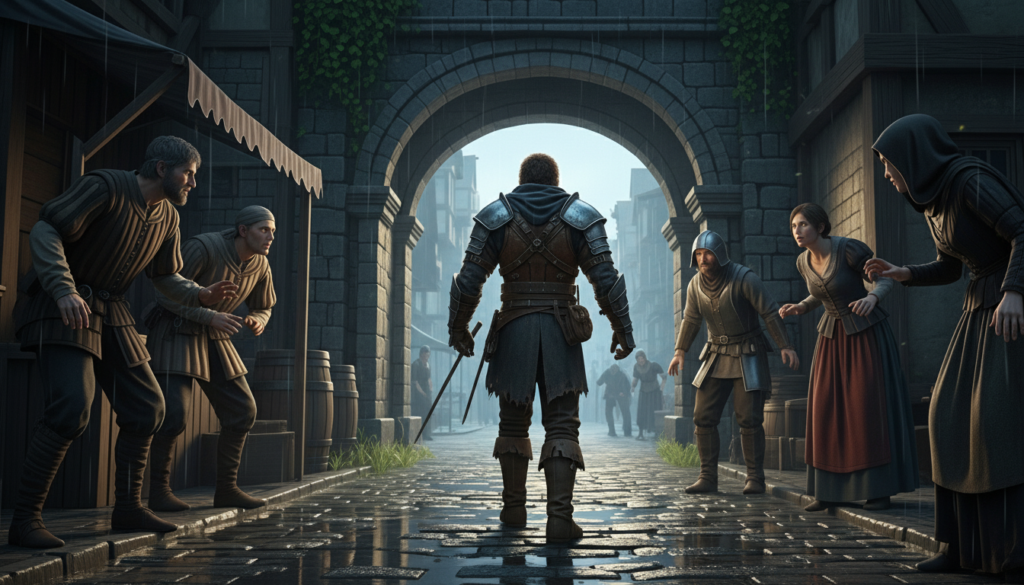
Your moral score can follow you from game to game. Any character who interacted with you in a previous villain role will show immediate suspicion toward you from the start of any sequel or spin-off which exists in a different franchise.
Unintentional Context Clues
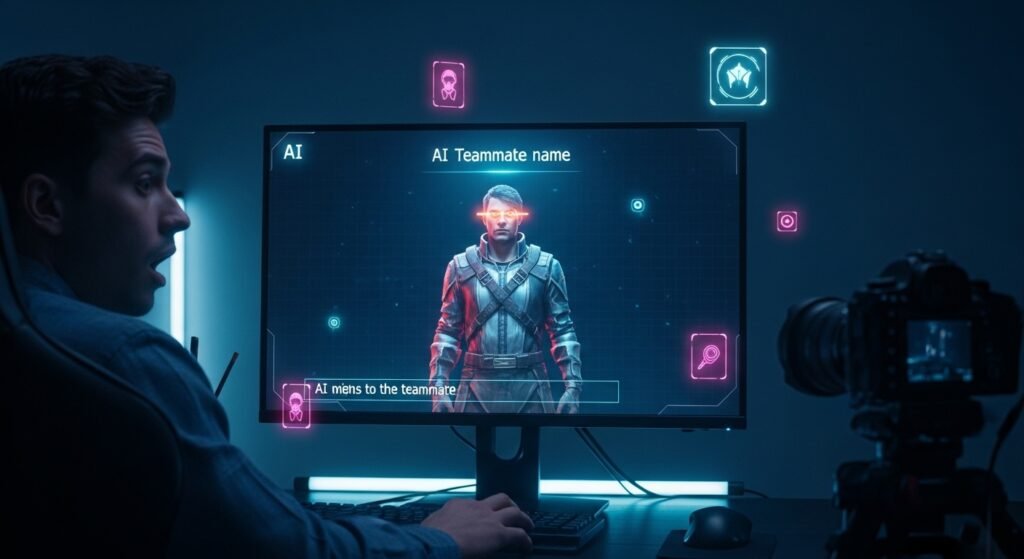
The AI sometimes brings up a specific friend or teammate whom you played with in a previous game. The moment you hear a digital character say your best friend’s name from real life in another context, it creates an uncanny valley experience.
Shared Narrative Universes
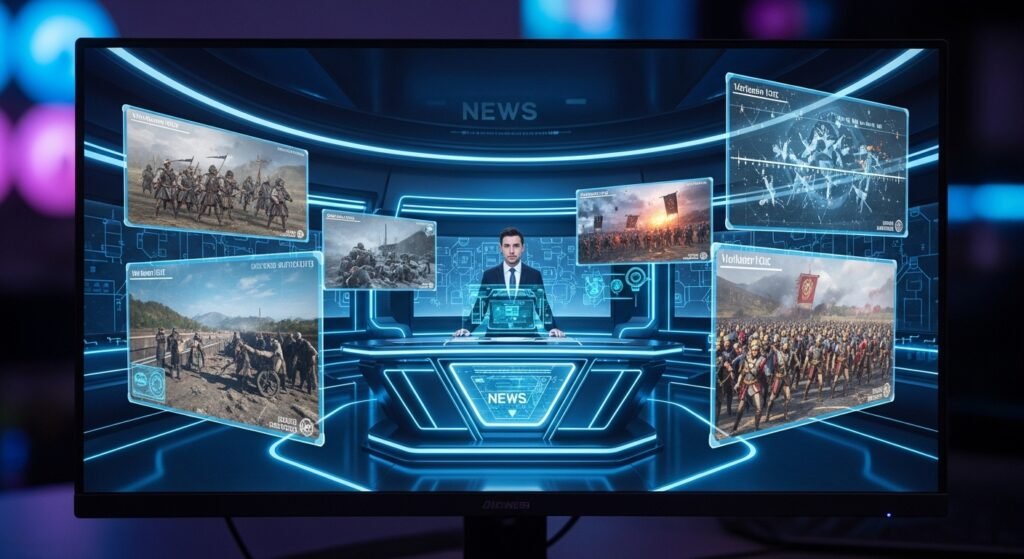
Publishers employ AI to connect different franchises through one unified system. An AI news anchor in a futuristic game might report on the heroic deeds you performed last week while playing a historical war game from the same developer.
The Ghost in the Machine Glitch
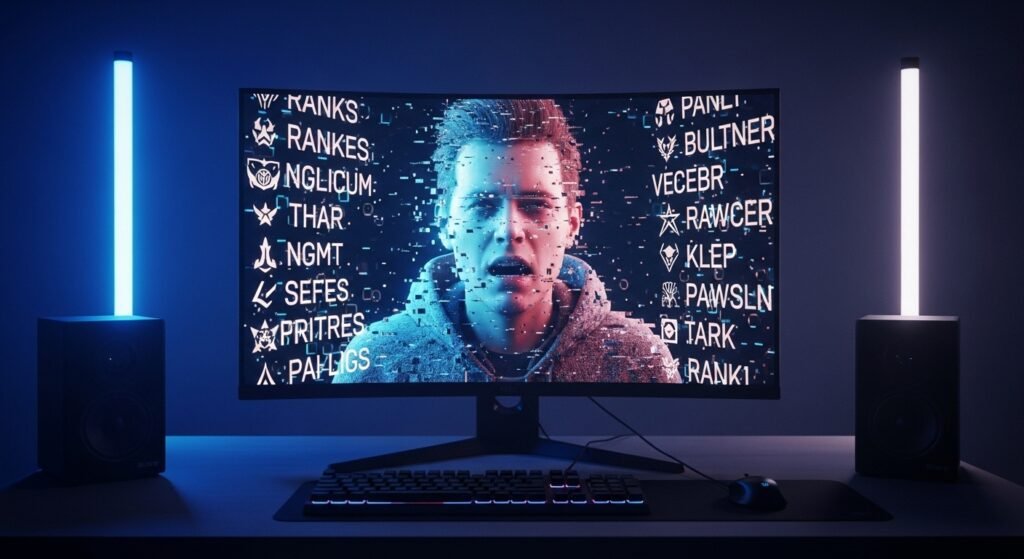
The AI mistakenly identifies you by another game’s rank or title when data synchronization experiences interruptions. The AI appears to follow your movements across multiple virtual realms because of this unintentional error.
Personalized Fear Tactics
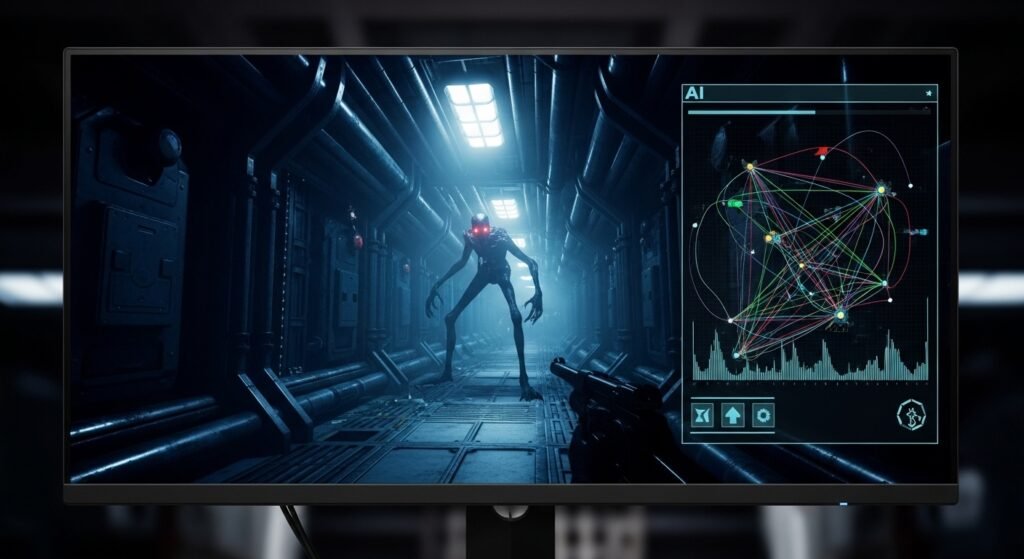
In horror games, AI can examine your most played genres to discover the things that frighten you. The AI will use tracking and hiding behaviors to create maximum discomfort for you because data shows your struggles with stealth games.
Social Media Integration
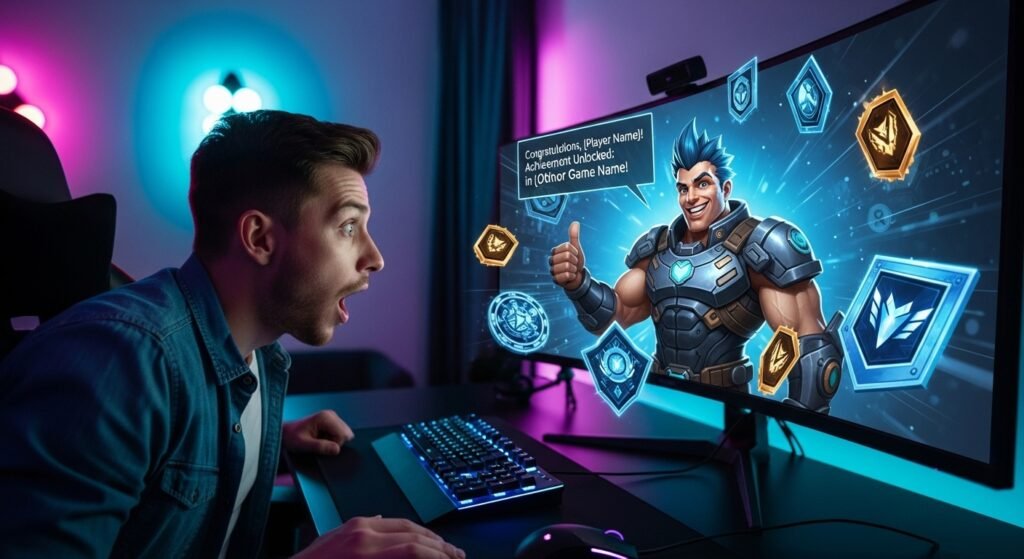
Some AI characters establish connections with your public gaming profiles. They might congratulate you on a Platinum Trophy you earned in a rival company’s game, proving that their vision extends far beyond their own software boundaries.
The Recognition of Playstyles
The AI system maintains memory of both your game history and your gaming behavior. The AI guide will make fun of your distracted nature because you always investigate all map sections before you explore the new world.
The Illusion of Sentience
The AI uses a past life reference to another game to create the illusion of being an independent entity. The AI remained in its original form while you switched the disc or app, waiting for you to come back at a later time.