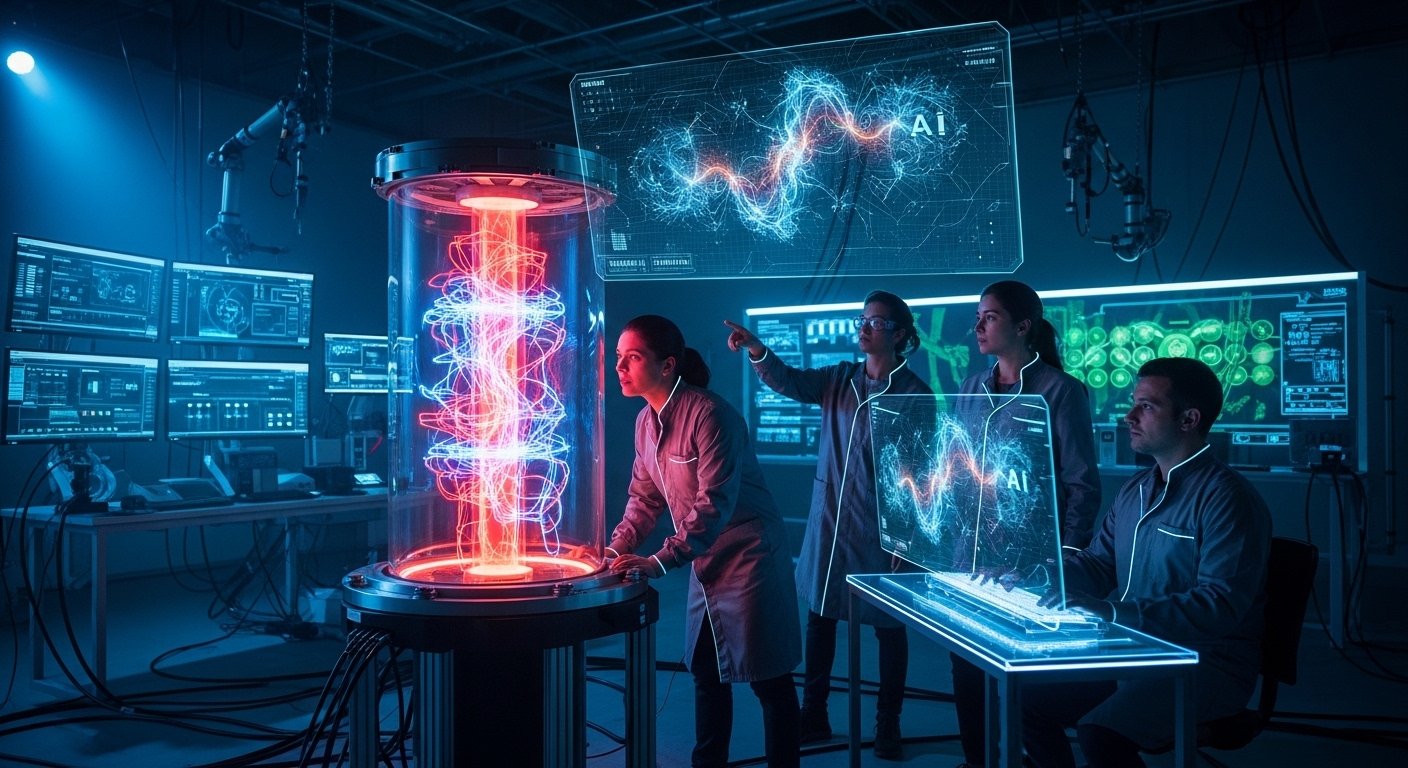
Researchers have built a thermodynamic computer which uses atomic and molecular movements to create artificial intelligence image generation. The system operates by using physical system fluctuations as a natural mechanism to conduct its computational tasks instead of using traditional silicon chip design which struggles with heat. This innovation develops powerful artificial intelligence systems which need far less electrical power for their functioning.
Natural Fluctuations Instead of Code
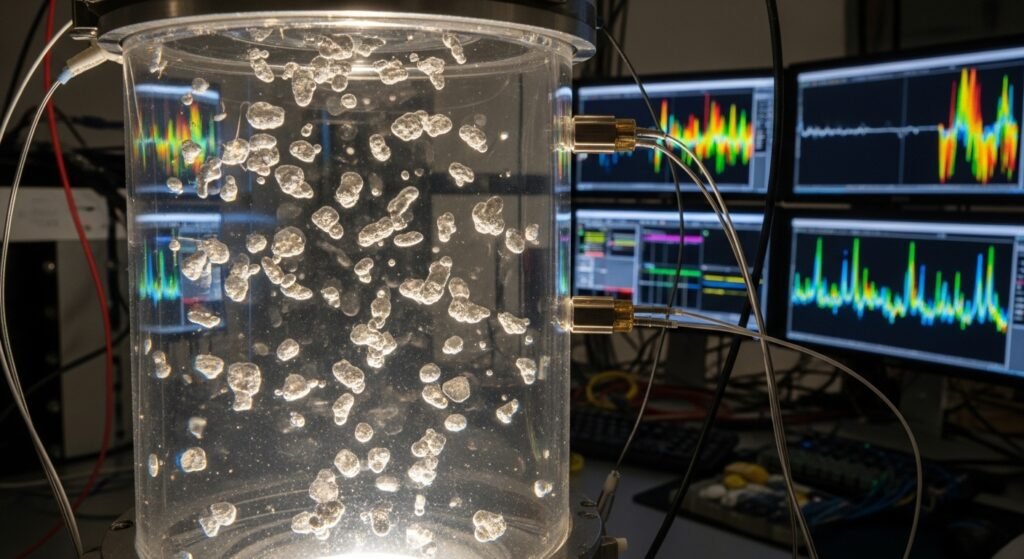
Traditional computers require substantial power and fixed gates to create artificial randomness, which AI diffusion models need for their operation. The current system generates random elements through natural thermal noise, which exists in all environments, by simulating the way physical systems achieve their equilibrium state.
Unmatched Energy Efficiency
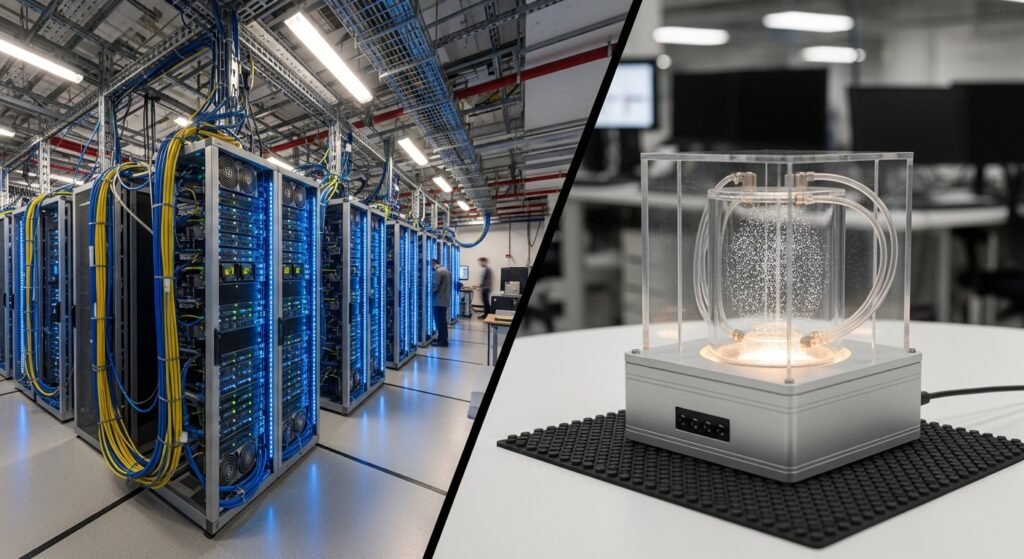
The system reduces power consumption to one-hundredth of modern GPU power usage because it uses particle movement as its processing method. The approach provides a solution that can address the existing energy crisis which affects data centers throughout the world.
The Physics of Diffusion
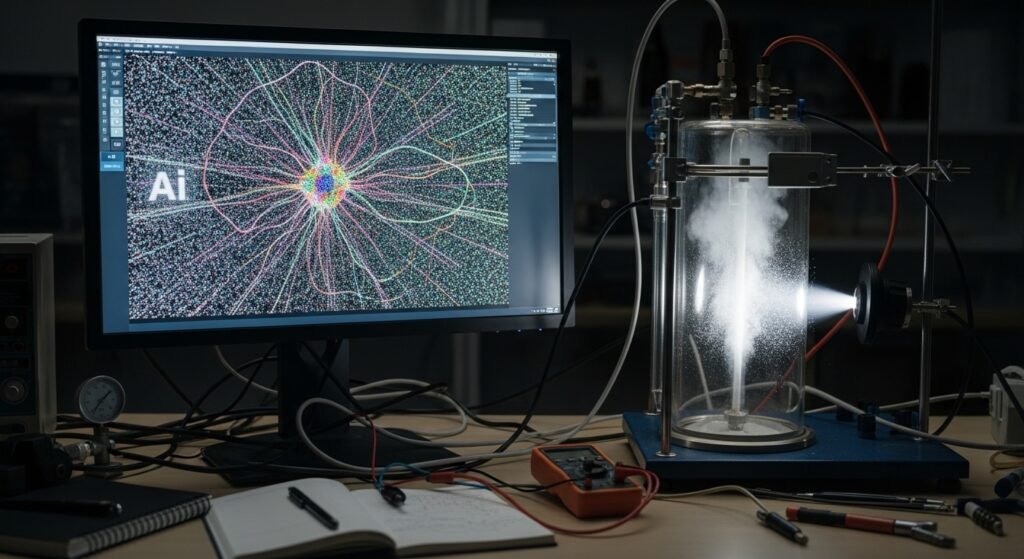
The AI image generators Mid-journey and DALL-E operate by slowly eliminating noise from a fuzzy image until they produce a clean final picture. The thermodynamic computer performs this process physically, allowing the image to “evolve” through natural thermodynamic states rather than through millions of mathematical calculations.
Hardware That Thrives on Heat
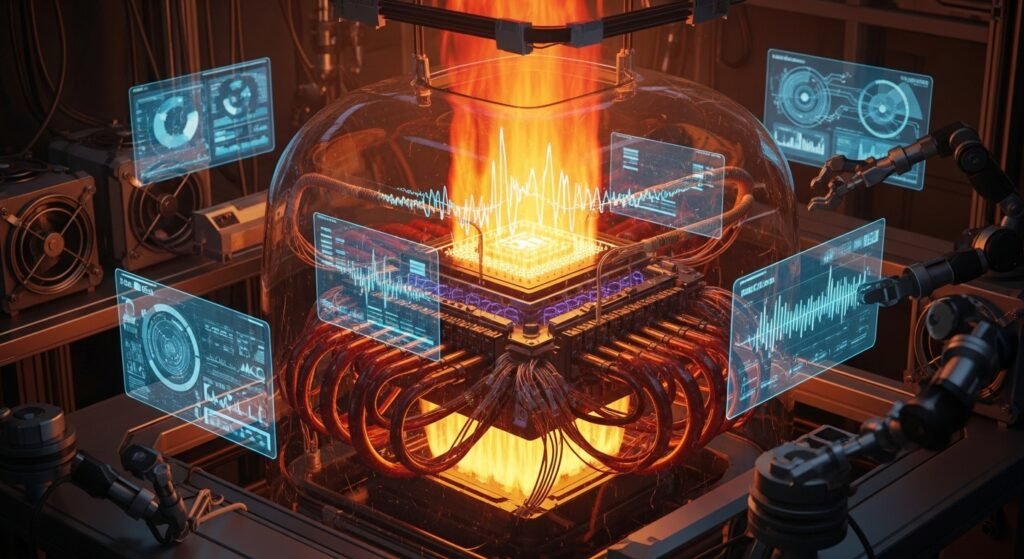
Standard computers produce heat as a waste material which decreases system speed and demands expensive cooling solutions. The thermodynamic processor uses heat as a key element to perform calculations, which transforms an engineering challenge into a beneficial operational feature.
Analog over Digital
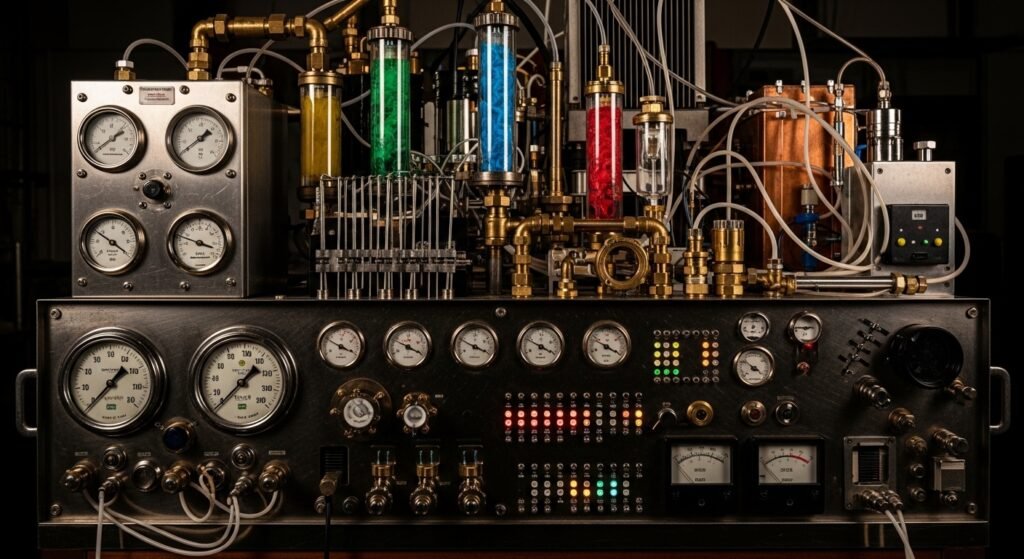
Digital computers convert all information into binary code but this device functions as an analog system. The system creates a direct mapping system which connects data to voltage and temperature values, enabling efficient processing of AI data with many dimensions.
Smaller Physical Footprint

The systems can achieve smaller dimensions because they eliminate the need for both large cooling systems and traditional server farm power delivery infrastructure. The development of this technology will enable advanced AI processing capabilities to function on compact portable devices.
Solving Optimization Problems
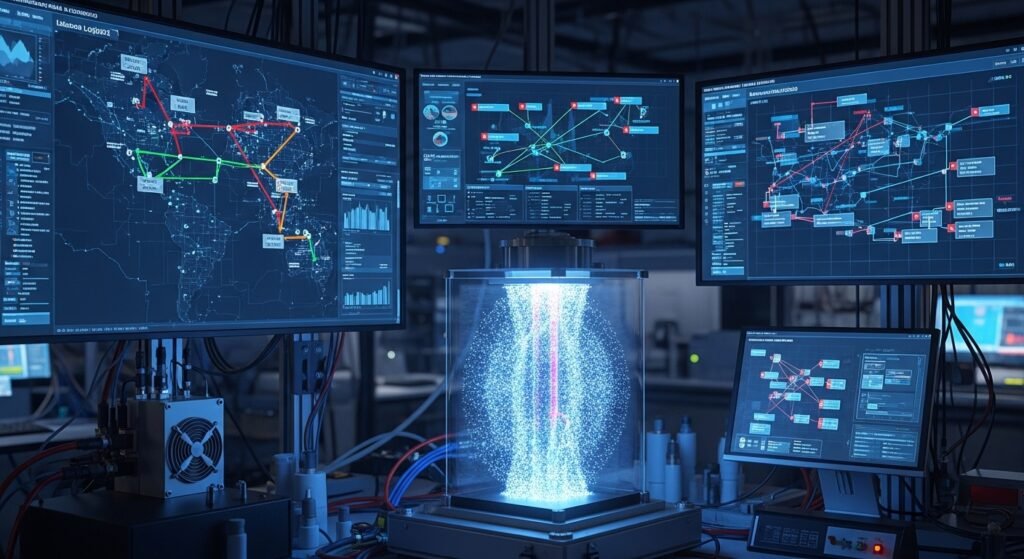
These computers create images while they work to determine the lowest energy state of each given problem. The technology achieves optimization performance through developed logistics systems, routing systems, and advanced scheduling systems which standard CPUs cannot match.
Sustainable AI Scaling
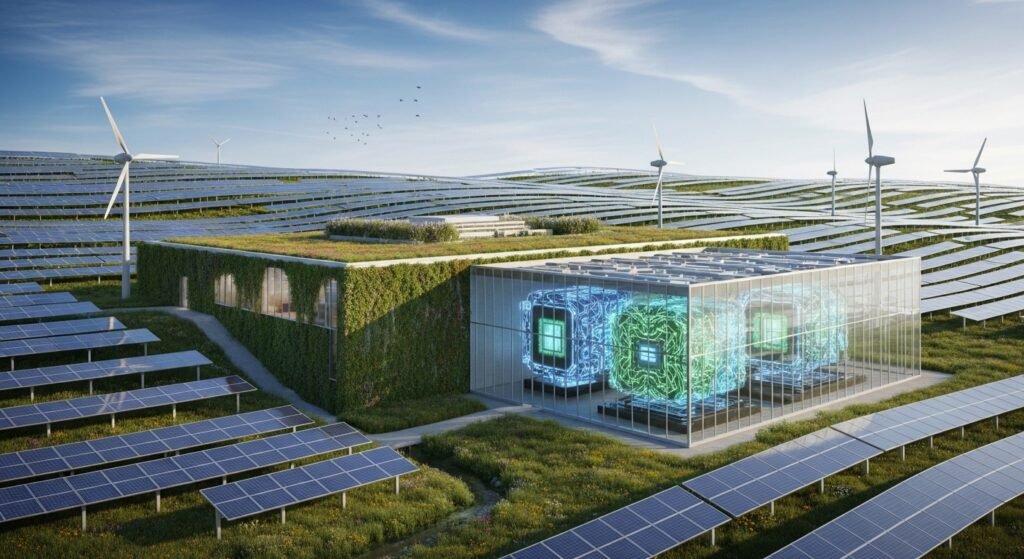
AI models increase in size which results in their carbon footprint becoming a serious environmental threat. Thermodynamic computing provides a green alternative which enables AI development to continue without requiring new power plant constructions.
Instantaneous Randomness
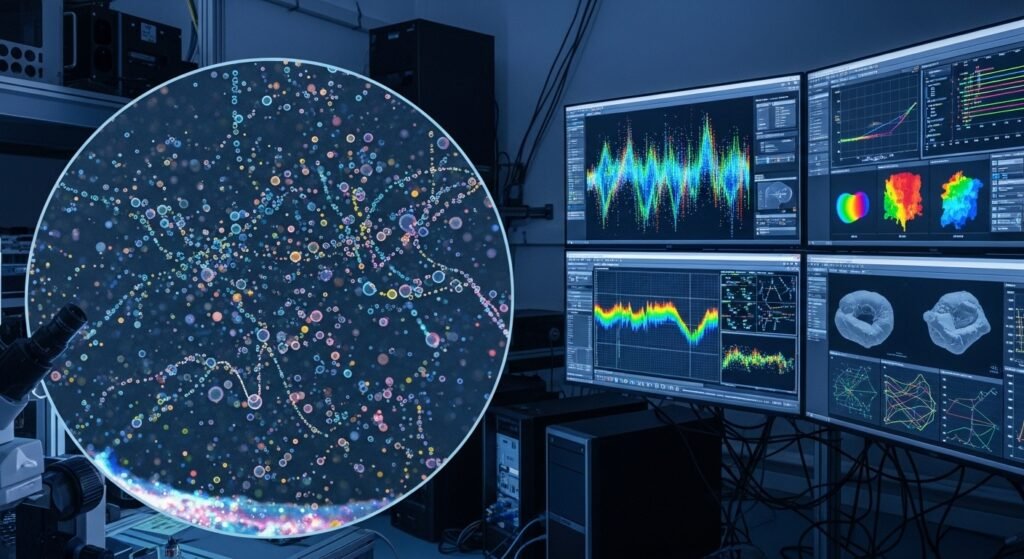
Standard computers face major difficulties when they attempt to create true randomness. Thermodynamic systems enable AI model development through their ability to produce natural random values which scientists use for molecular movement.
Lowering Hardware Costs
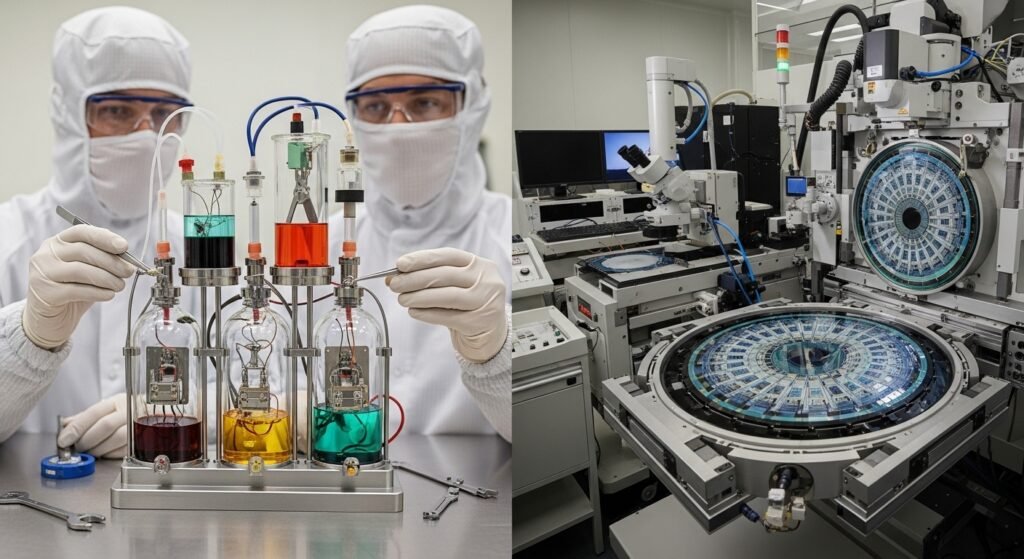
The cost of traditional silicon manufacturing has reached extremely high levels because chip size reduction drives up expenses. The materials and manufacturing processes for thermodynamic systems become more accessible because these systems operate with large physical properties instead of needing exact transistor measurements.