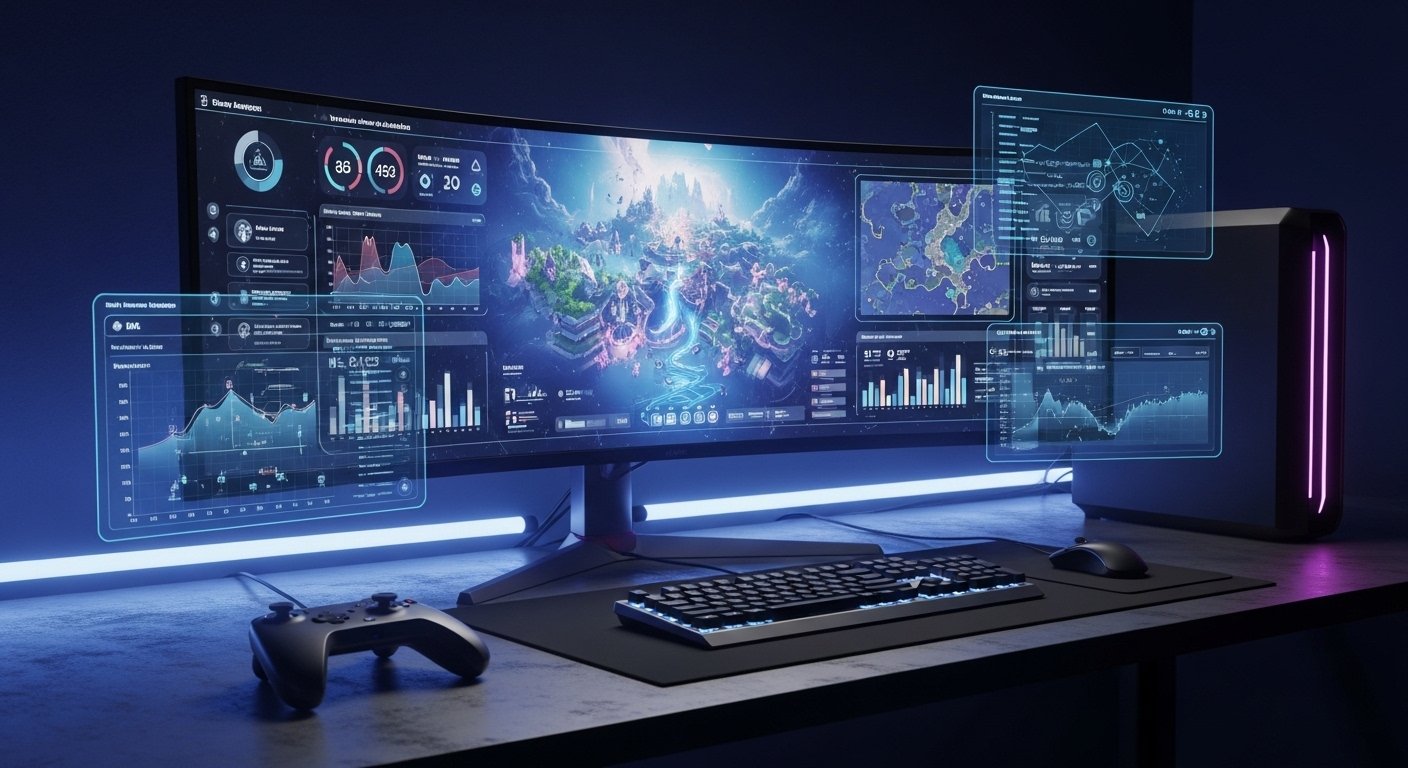
The gaming industry is undergoing a vast “silent” transformation because its entire operation requires hidden changes. Developers now stop their work on public marketing because they want to develop technologies which will improve their operational efficiency and player retention and hyper-personalized gaming experiences.
The Move to “Zero-Trust” Anti-Cheats
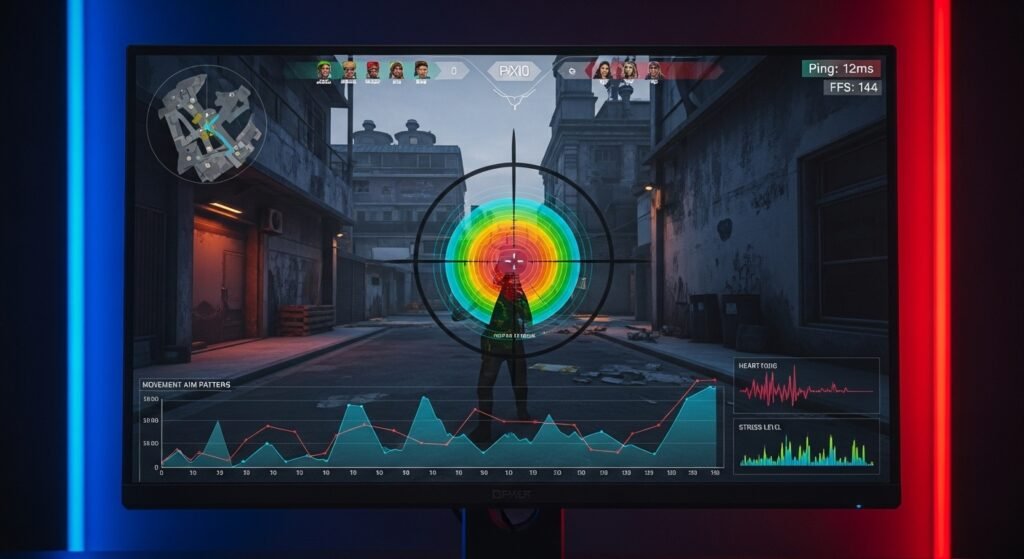
Traditional anti-cheats work by scanning your computer for any files which appear to be suspicious while the new 2026 systems employ “Zero-Trust” architecture. The system detects potential cheaters by assuming every player will cheat while it uses AI to monitor player movement at sub-millisecond intervals. The system automatically detects your aiming pattern when it exceeds the expected range for your network latency without conducting any hard drive scanning.
AI-Driven “Dynamic Difficulty” Scaling
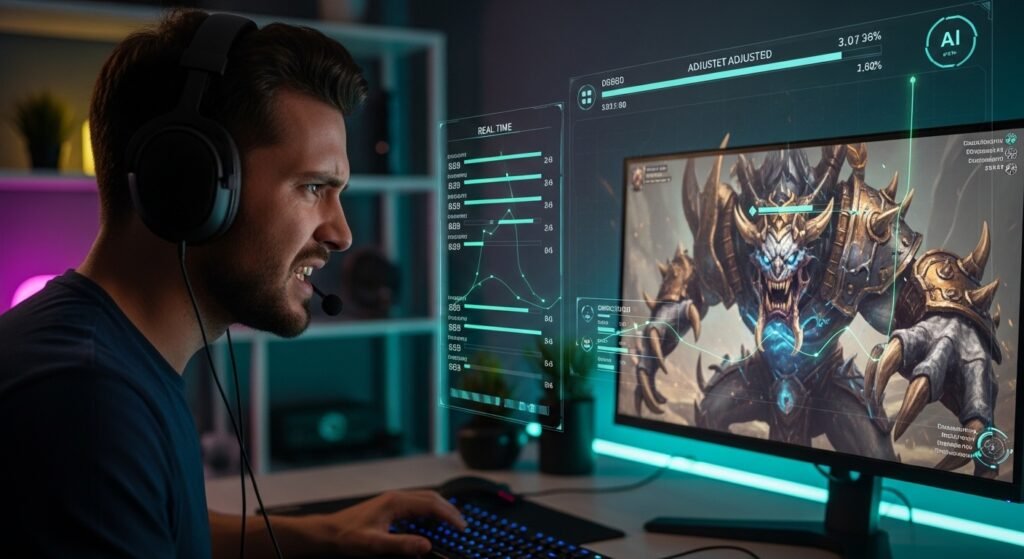
AI developers design their games to extend playtime by changing game difficulty based on player frustration in real-time. The game will reduce the boss’s health while increasing your chance to hit critical hits when it detects you are about to quit after your tenth death.
The “Invisible” Game Engine Shift
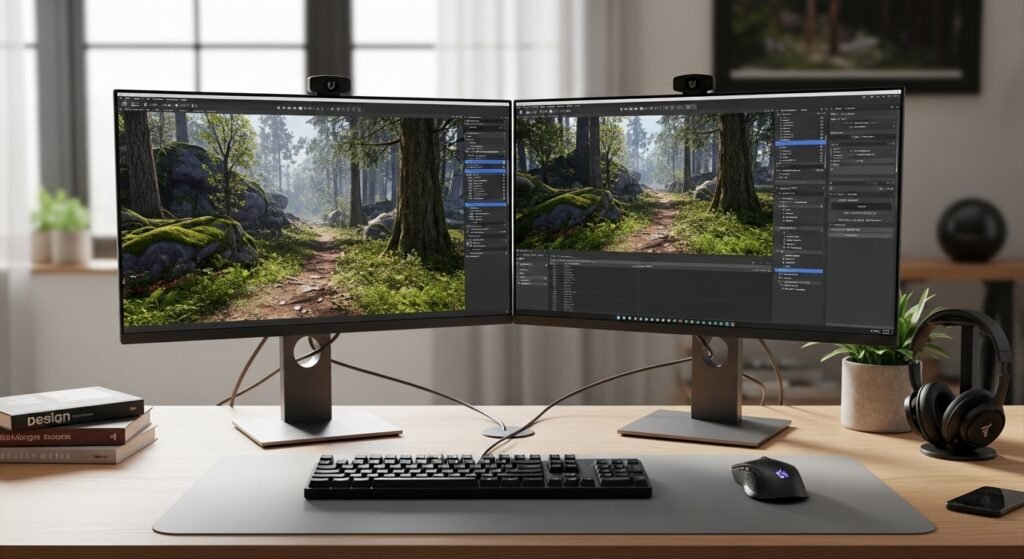
The gaming industry has now become uniform because most developers select Unreal Engine 5 or Unity as their default choice. Developers prefer to use pre-built assets and lighting systems which they already own instead of developing new solutions because they want to gain operational advantages. The majority of new 2026 games share a common visual appearance despite having different storylines.
TMR Sensors: The End of Controller Drift
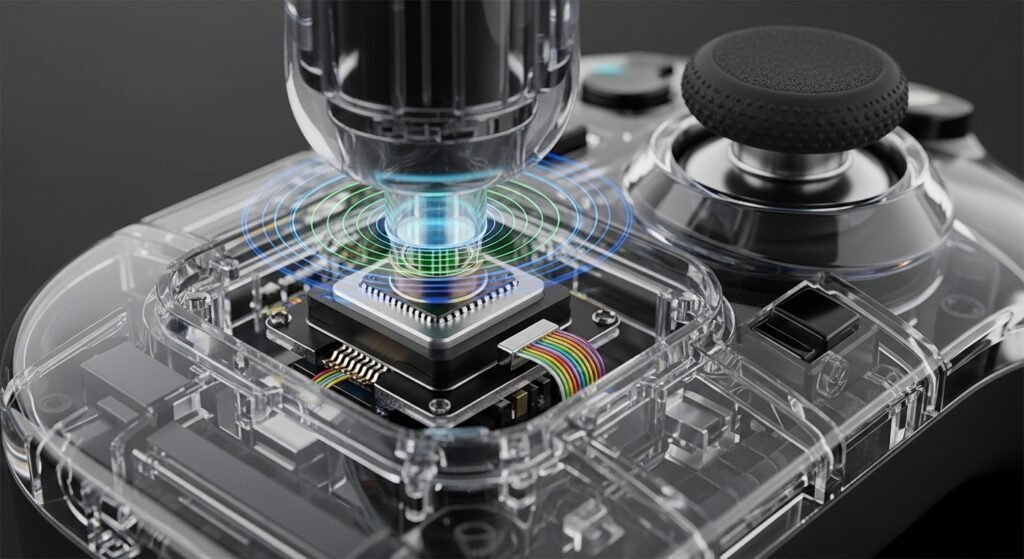
The era of the “analog stick” is finally dying. Manufacturers have begun to adopt Tunnel Magnetoresistance (TMR) sensors as their new standard. TMR sensors use non-contacting magnets which eliminate the need for contact-based components making your 2026 controllers capable of functioning indefinitely without any breakdowns.
Procedural “Micro-Storytelling”

Writers create “narrative seeds” which AI uses to develop thousands of unique dialogues that match the player’s specific game actions. The game allows two players to interact with the same non-player character yet they will receive completely different voice-acted content which the game generates in real-time.
“Cloud-Native” Asset Streaming

The gaming industry has stopped using 200GB download sizes because they now use “Nano-streaming” technology. The engine fetches only high-resolution textures from the current room instead of downloading all game content. The system enables players to explore extensive and intricate environments which can operate on low-performance devices such as smartphones and smart TVs.
Automated “Bot” QA Testing
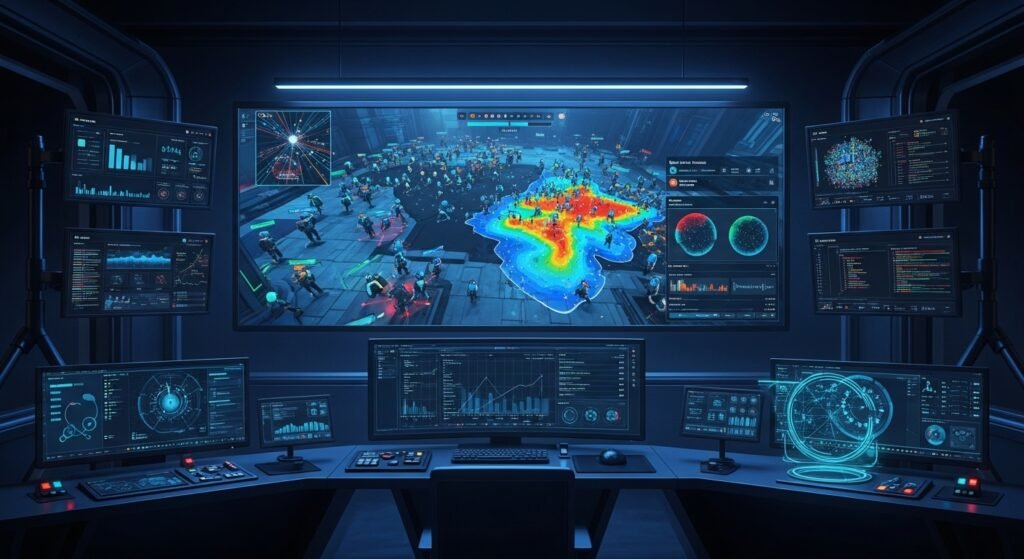
Human game testers have become extremely rare in the industry. Developers now use thousands of “AI agents” to play the game millions of times overnight. The bots are capable of discovering bugs while they map out “boring” parts of a level and forecast which locations players will abandon before any human interaction occurs.
Interoperable “Player-Owned” Assets
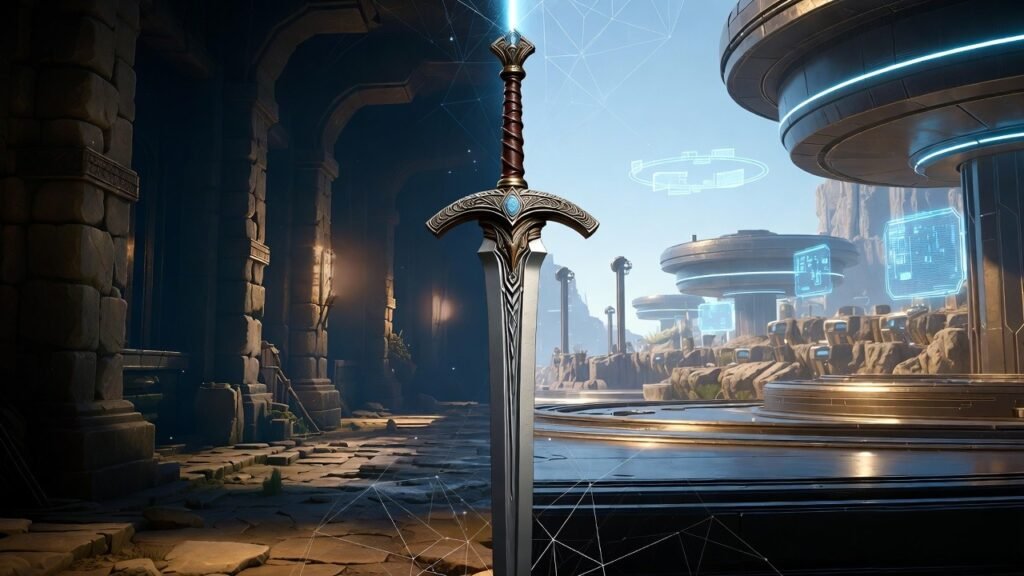
The “NFT” craze has lost popularity but the underlying technology still powers “Interoperable Skins” applications. Major game developers are building systems that allow players to transfer swords and character outfits obtained in one game to other games which fall within the same game publisher’s ecosystem.
Haptic “Emotional” Feedback
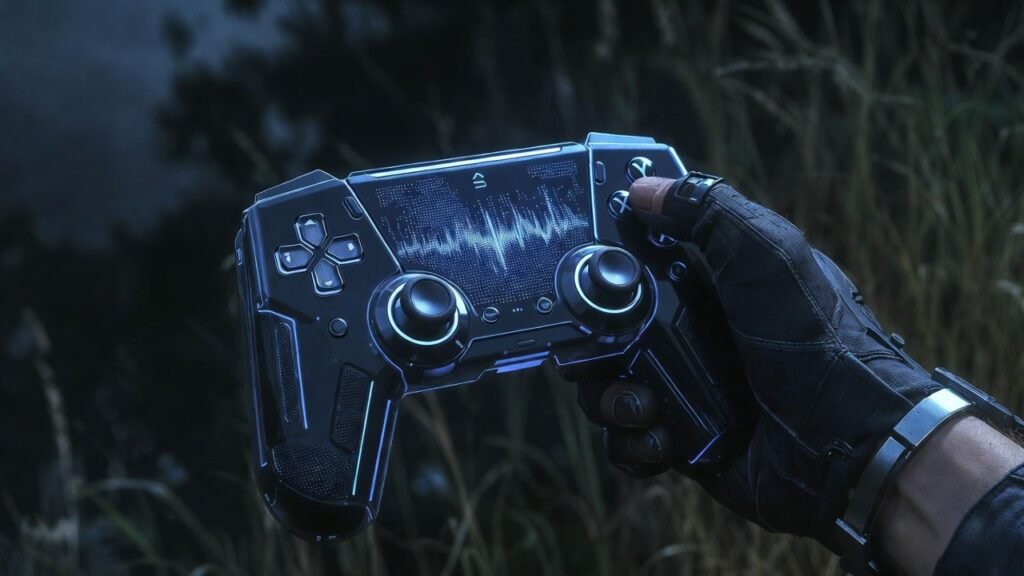
2026 controllers use localized haptics to create “emotions” which extend beyond standard vibrations. The controller mimics a rapid heartbeat when your character experiences fear and the controller lets you feel the “rustle” of tall grass through your palms, which creates a deeper connection to your character.