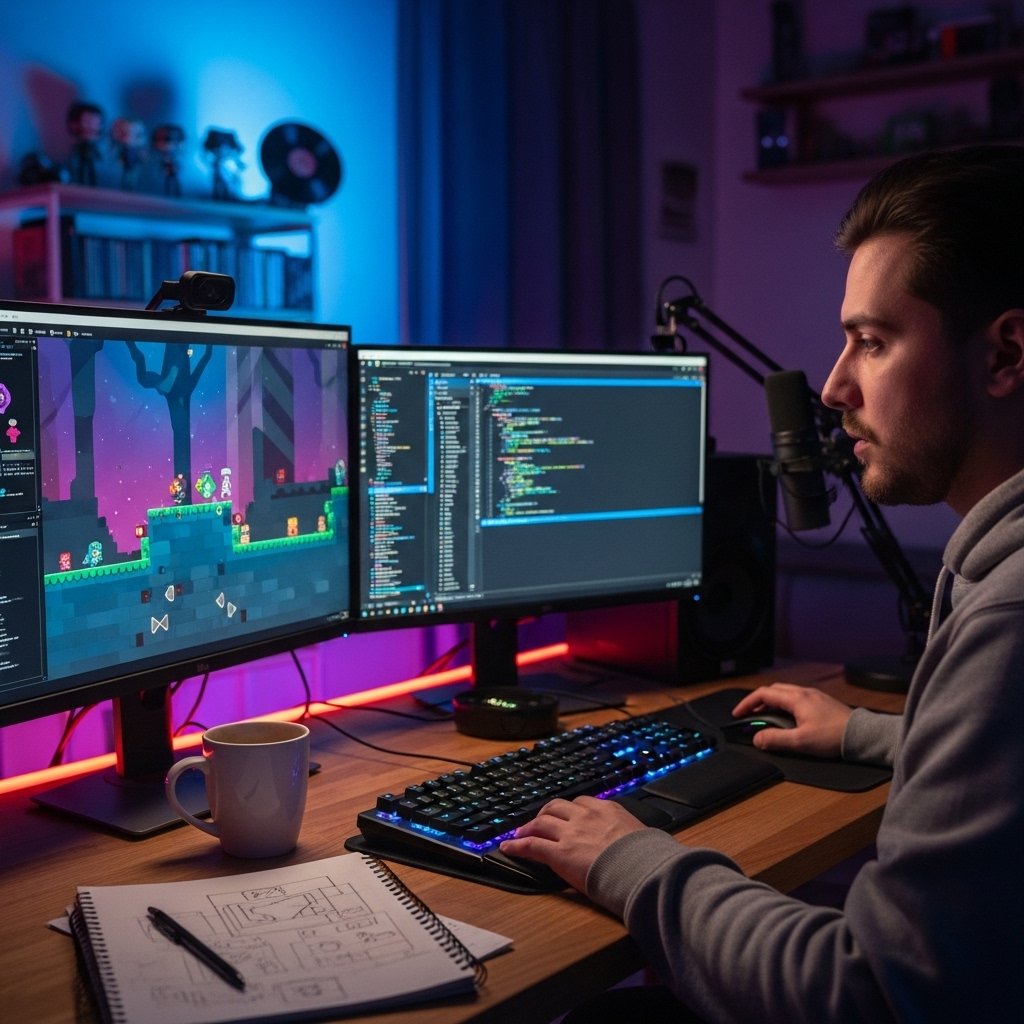
The gaming industry is experiencing a substantial transformation of its power structure. The conversations now center on small independent developers who work from home with only a few employees while large studios which produce “AAA” games no longer dominate the discussions. Social media platforms now enable innovative concepts to reach wider audiences at a faster rate than traditional marketing methods that require high costs.
Creative Risk-Taking

Big studios often play it safe because they have hundreds of millions of dollars on the line. Big studios handle their projects by selecting either existing successful formats or creating new sequels. Indie developers, however, have the freedom to try “weird” or experimental ideas. Social media users tend to discover new things through these novel concepts which they have not encountered before their current experience of seeing everything.
The Power of “Viral” Mechanics
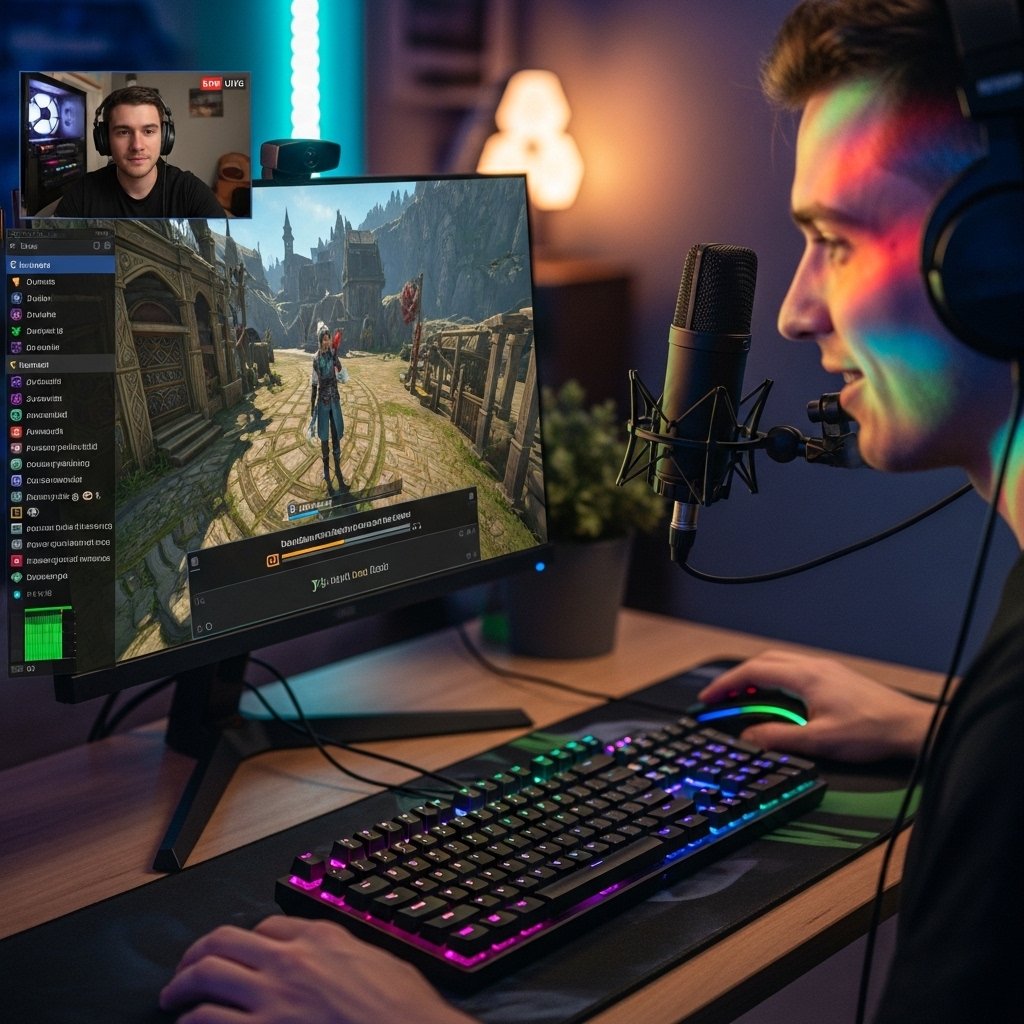
Indie developers create their games with the intention of players sharing those games with others. The games include a physics glitch which players find humorous and a special art style and a dramatic plot twist which create ideal “clips” that users can share on TikTok and Instagram. A 10-second video of an indie game can reach millions of people overnight for free.
Direct Connection with Players

Small developers often talk directly to their fans on Discord or X (formerly Twitter). The loyal community develops through this transparent relationship between fans and developers. Players feel like they are part of the journey, whereas big studios use press releases to create their presence.
Agility and Speed

A massive studio might take six months just to approve a small change in a game. An indie developer can see a trend on social media and update their game to match it in a few days. The fast-moving digital culture requires these updates for their products to maintain relevance.
The “Streaming” Effect
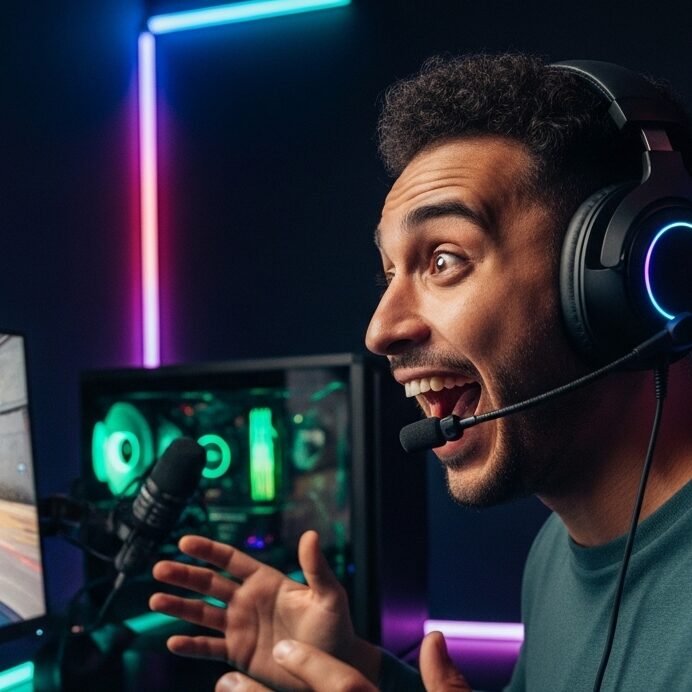
Twitch and YouTube creators love indie games because they are often more “watchable.” The new indie game offers a special gameplay element which delivers superior audience entertainment value compared to the tenth version of a standard military shooter. The indie title can become an instant chart-topping success when a main streamer plays it.
Lower Price Points
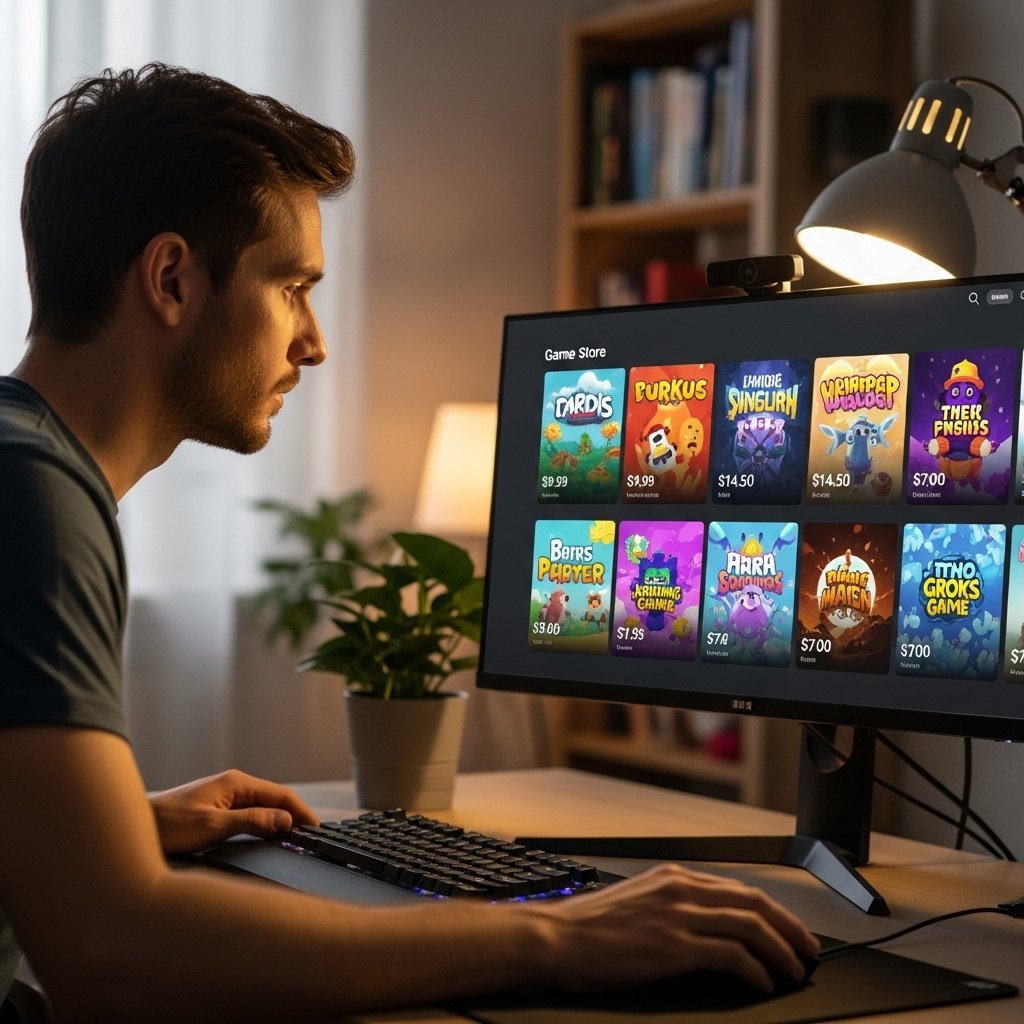
With the rising cost of living, many gamers are hesitant to spend $70 on a big-studio title that might be full of bugs. Indie games usually cost between $10 and $30 which makes them an “impulse buy” that feels like a low-risk investment with high-reward potential.
Focus on “Fun” Over “Graphics”
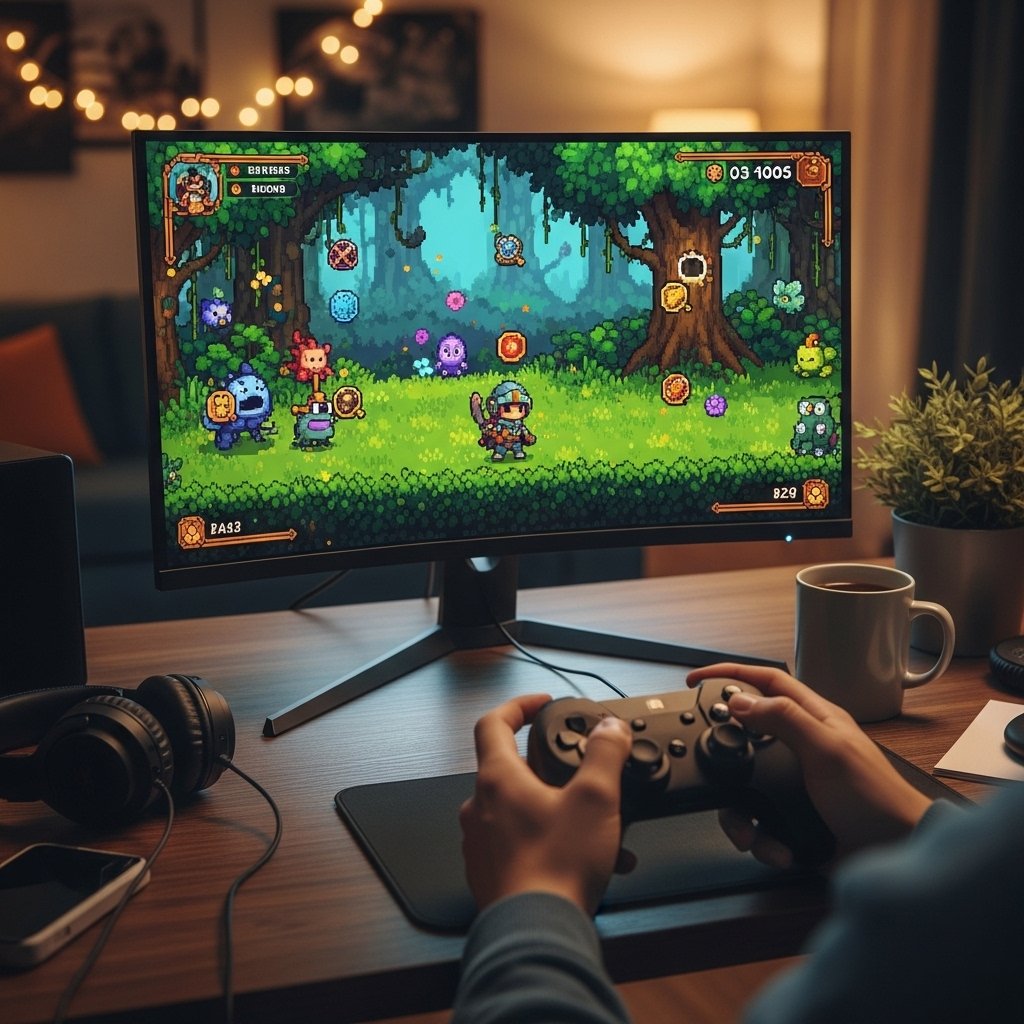
Big studios dedicate multiple years to building games which achieve photorealistic visuals yet these games do not guarantee enjoyable experiences. Indie games often use stylized “pixel art” or simple 3D shapes. The game makers developed a system which provides players with deep gameplay experiences that lead to greater enjoyment.
The Rise of “Niche” Genres
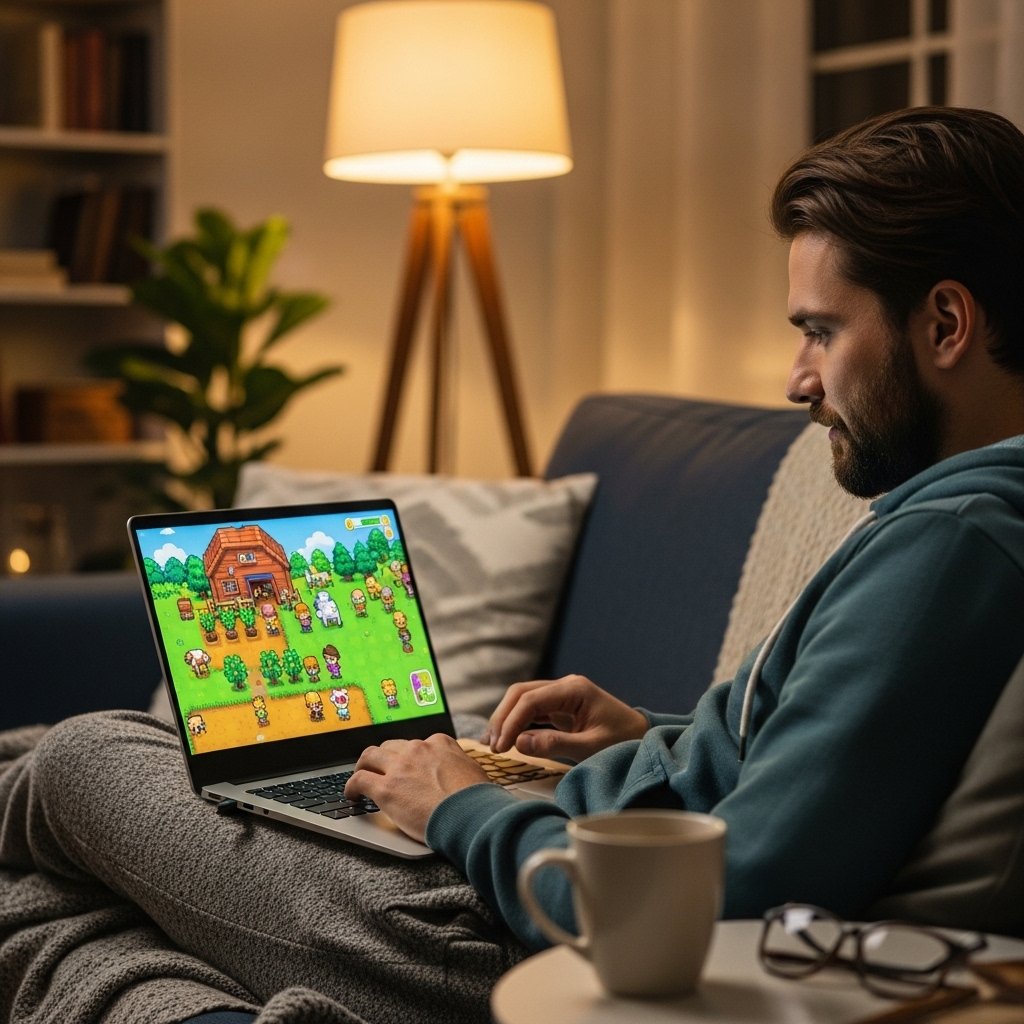
Indie developers thrive by serving specific groups of people—like fans of cozy farming sims, difficult deck-builders, or retro horror. Big studios often try to make a game for “everyone”, which can result in producing a game that turns out as dull and uninteresting.
Modern Game Engines
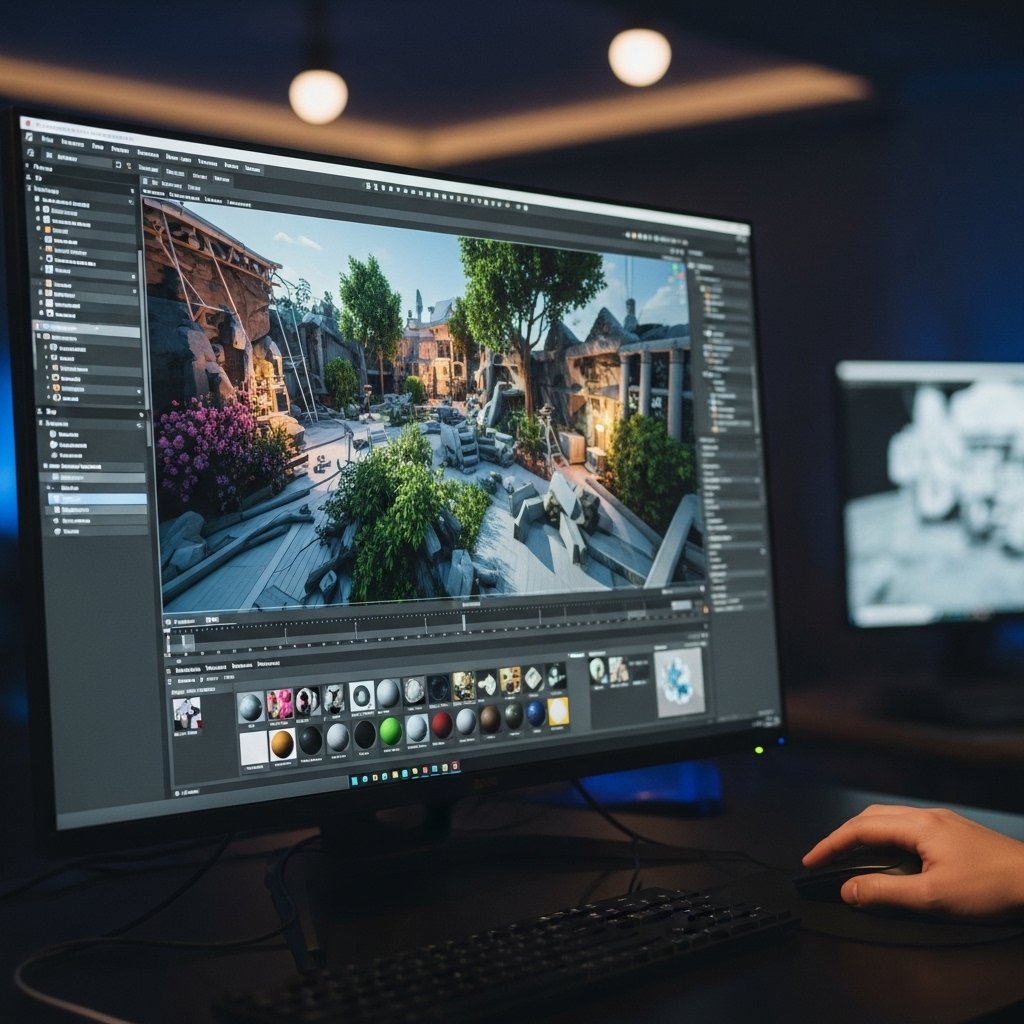
Developers can use Unity and Unreal Engine as tools which enable them to create visually appealing games with high-quality performance through small team efforts. A professional game can now be developed without requiring a team of 500 people to manage the production process.
Burnout in Big Tech

The top developers from big studios are leaving to establish their own indie game development studios. The employees who work in “crunch” conditions need creative control of their work. The most talented workers are moving away from big corporations to join smaller indie teams that have a stronger passion for innovation.