
The current AI development requires electricity to operate its systems which uses all available power resources from silicon chip technology. The rising complexity of AI models results in their training and operational energy needs which scientists now need to study alternative power sources beyond electricity. The solution may lie in “photonic computing” which uses light (photons) instead of electricity (electrons) to process data.
Speed of Light Processing

The movement of electricity through computer chips occurs at a pace which is significantly lower than the speed of light because electrons must travel through solid materials. Photonic chips process information at the speed of light, allowing AI models to complete complex calculations in a fraction of the time required by today’s fastest supercomputers.
Massive Parallelism
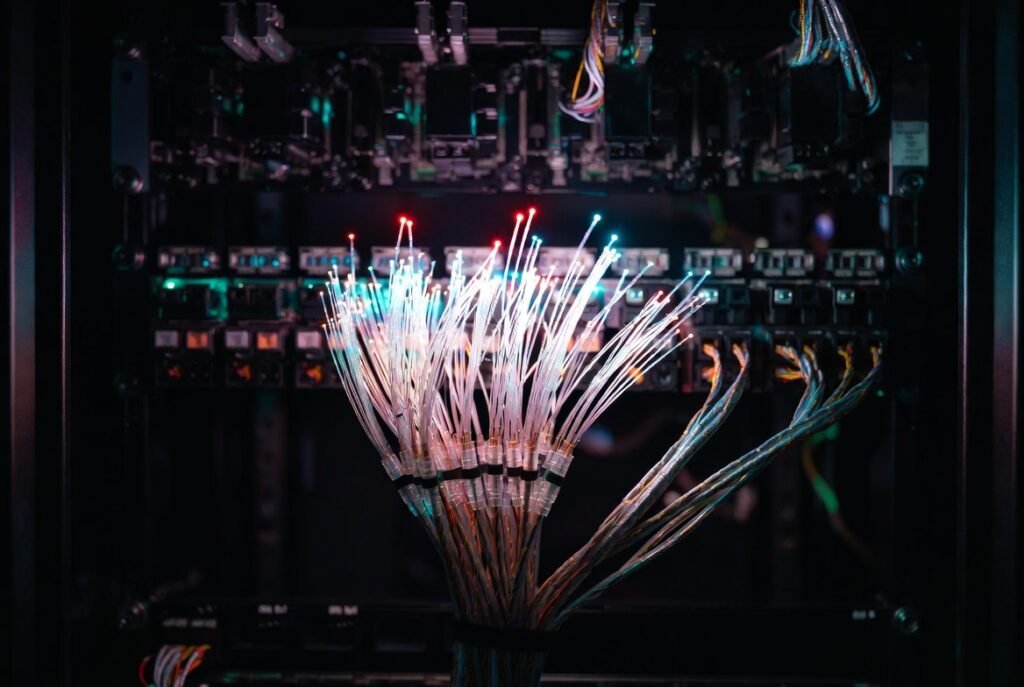
When electrical signals travel through wires their signals start to interfere whenever they come too close to each other. Light, however, can be sent at different wavelengths (colors) through the same path simultaneously without getting jumbled. This technology enables a single photonic “wire” to transmit data at a rate which exceeds standard electrical connections by a thousandfold.
Lower Power for Matrix Multiplication
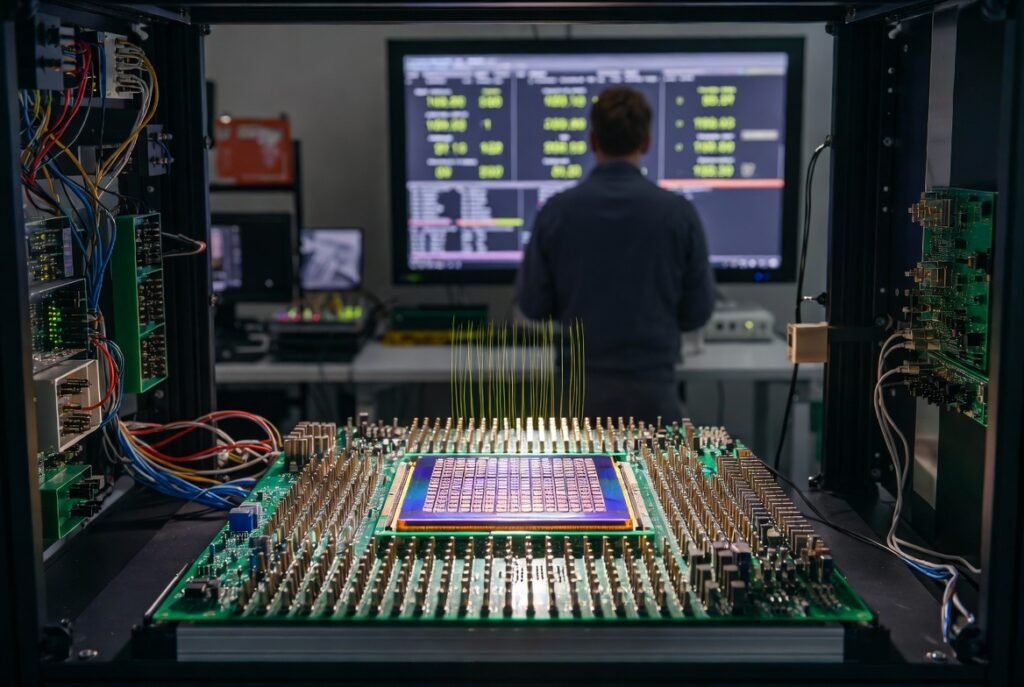
AI primarily functions as an extensive operation that processes continuous sequences of matrix multiplications which involve complex mathematical calculations between vast numerical grids. Light enables immediate execution of all mathematical functions which require multiple calculations to complete because its waves overlap and interact.
Reduced Need for Cooling
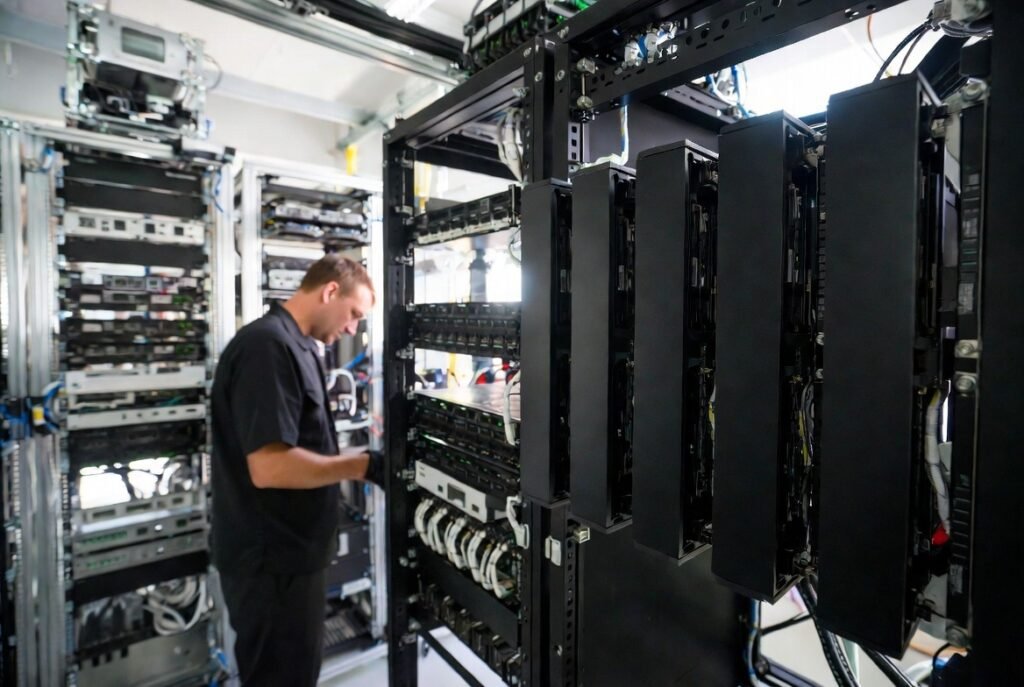
AI data centers use 40% of their total power to operate fans and liquid cooling systems which protect chips from heat damage. The facility’s entire operation becomes more efficient because light-based processors produce almost no heat which eliminates the major energy consumption resulting from cooling systems.
No More “Data Bottlenecks”
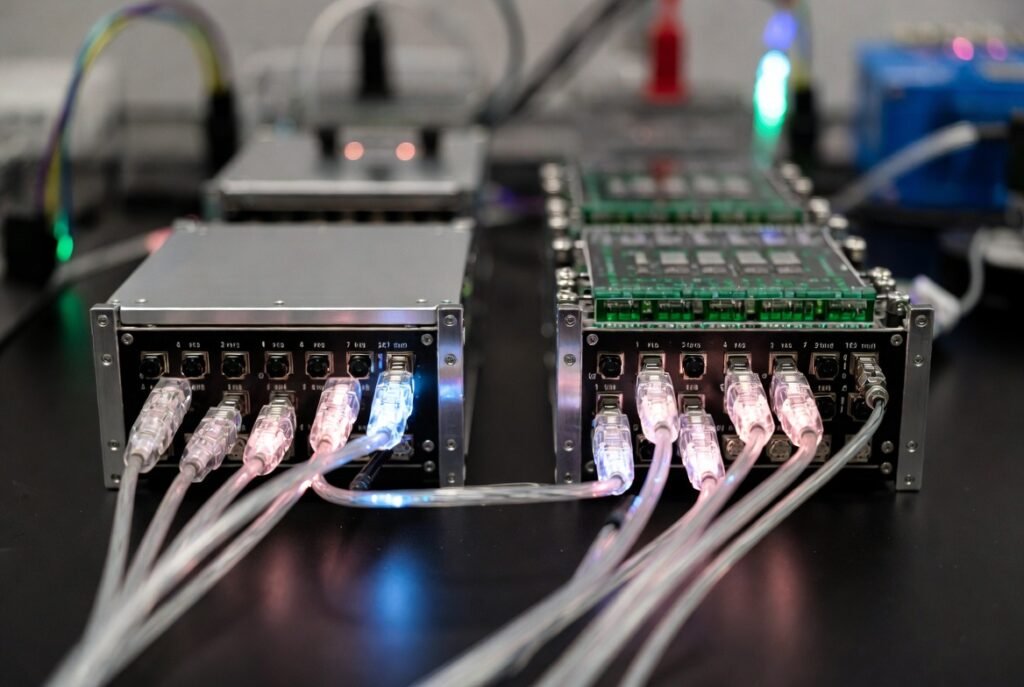
The memory processor data transfer process represents the main power-consuming activity in AI systems. Short-distance electron movement consumes power at an extremely high level. Light enables data transmission between computer components with energy-efficient operation because it prevents current AI systems from experiencing performance drops due to bottlenecks.
Better for the Environment
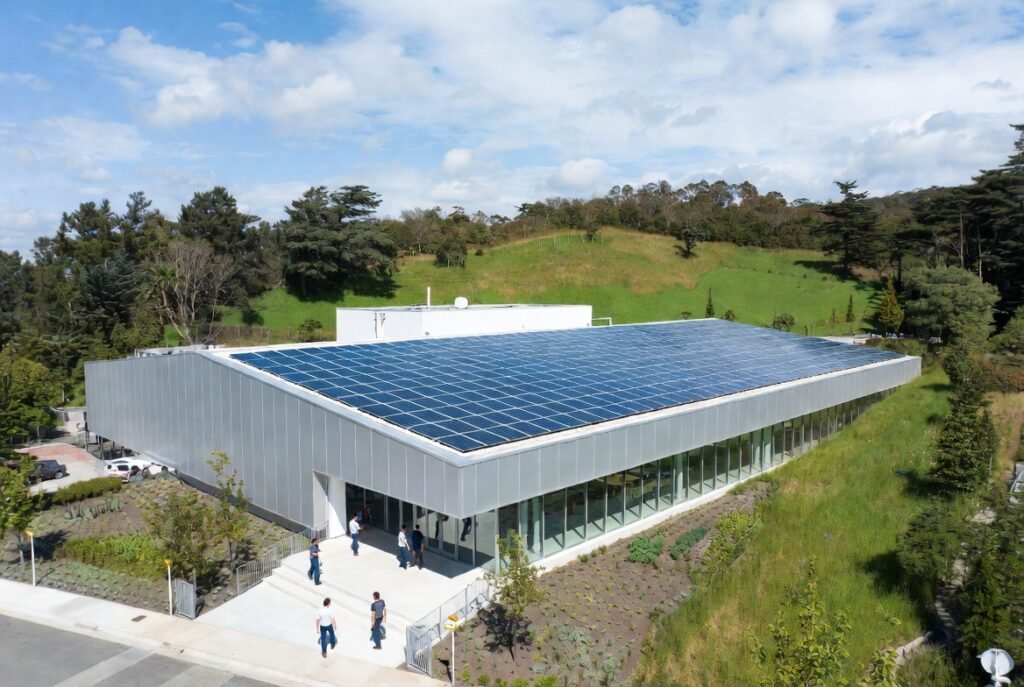
AI systems which operate across all fields of engineering have started to increase their carbon emission levels. The tech industry could achieve significant power grid independence through light-powered computing which enables planet-friendly AI operations at large scale.
Smaller Physical Footprint
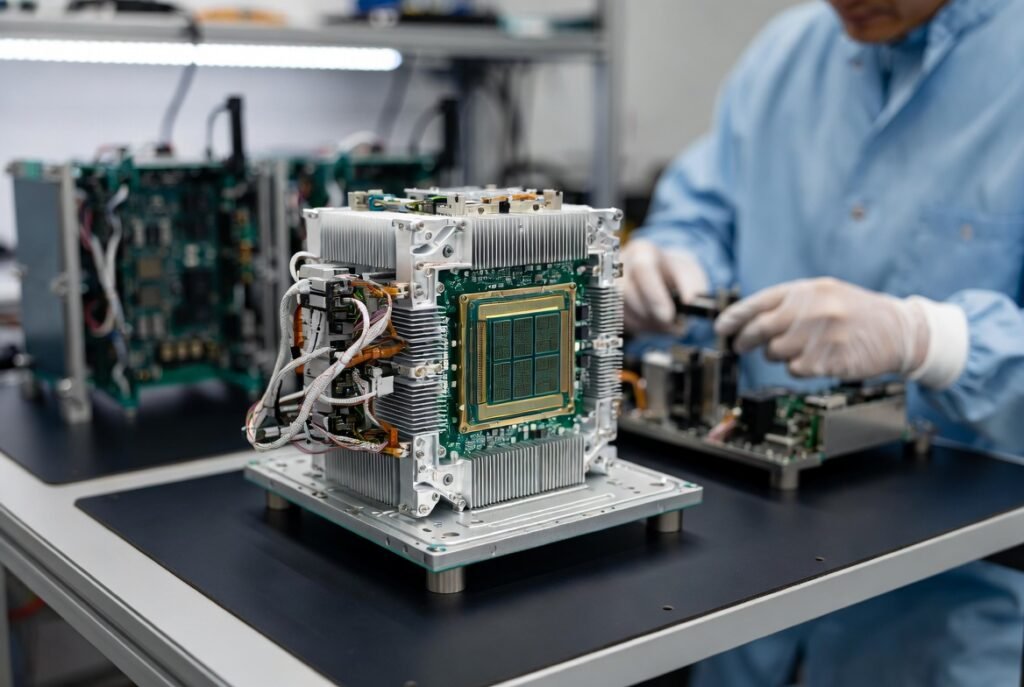
Photonic chips eliminate the need for large heat sinks and cooling pipes which allows their hardware to be arranged in a more compact design. This technology enables more powerful AI “brains” to operate within smaller devices which opens up possibilities for advanced AI technology to run on smartphones while consuming minimal battery power.
Integration with Existing Fiber Optics
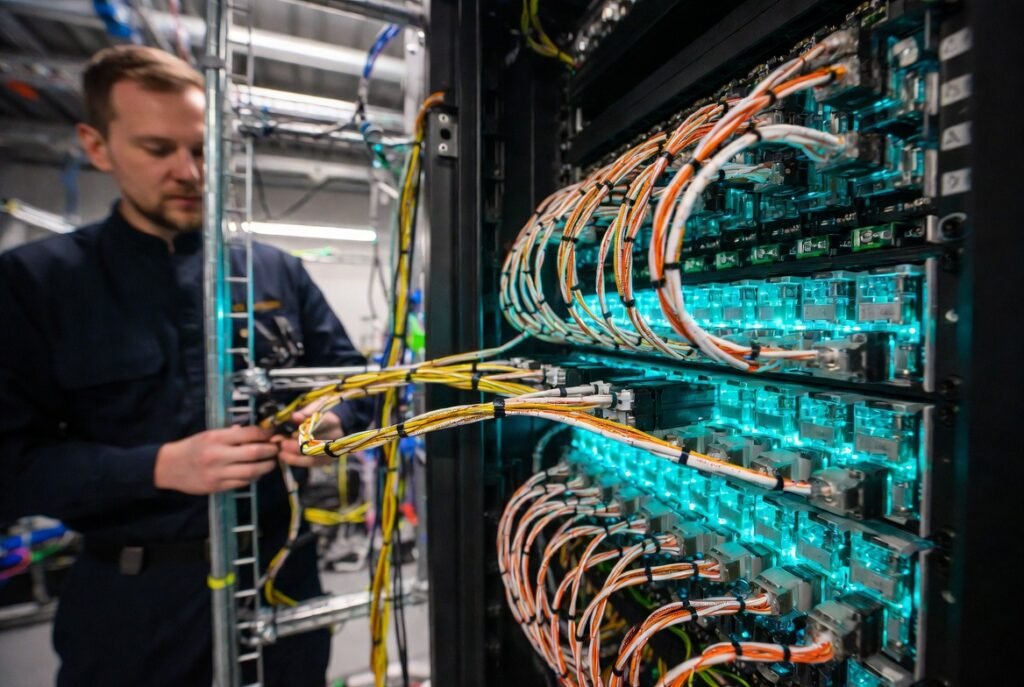
Light travels through fiber-optic cables which currently serve as the basis for internet connections around the globe. Light-powered computers can connect directly to these networks which eliminates the need for light signal conversion into electricity and back. This “direct” communication saves energy every time data is sent across the web.
Passive Computing Possibilities
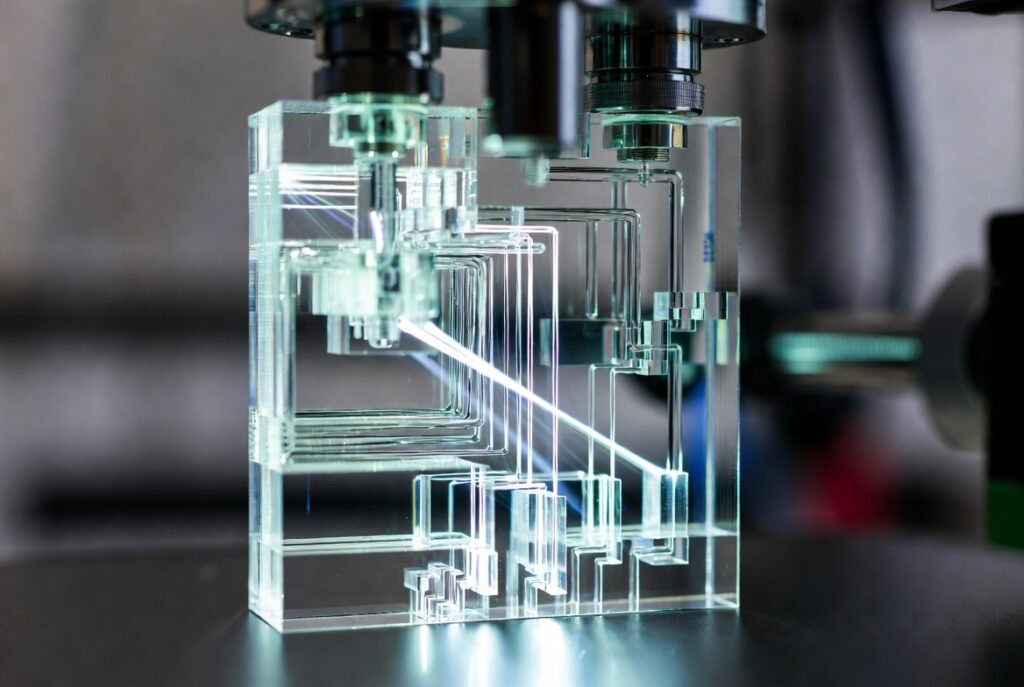
Some photonic designs allow for “passive” computing, where the math is done by the physical structure of the chip itself as light passes through it. The chip consumes no energy during the calculation process because it only requires power to generate light.
Enhanced Reliability
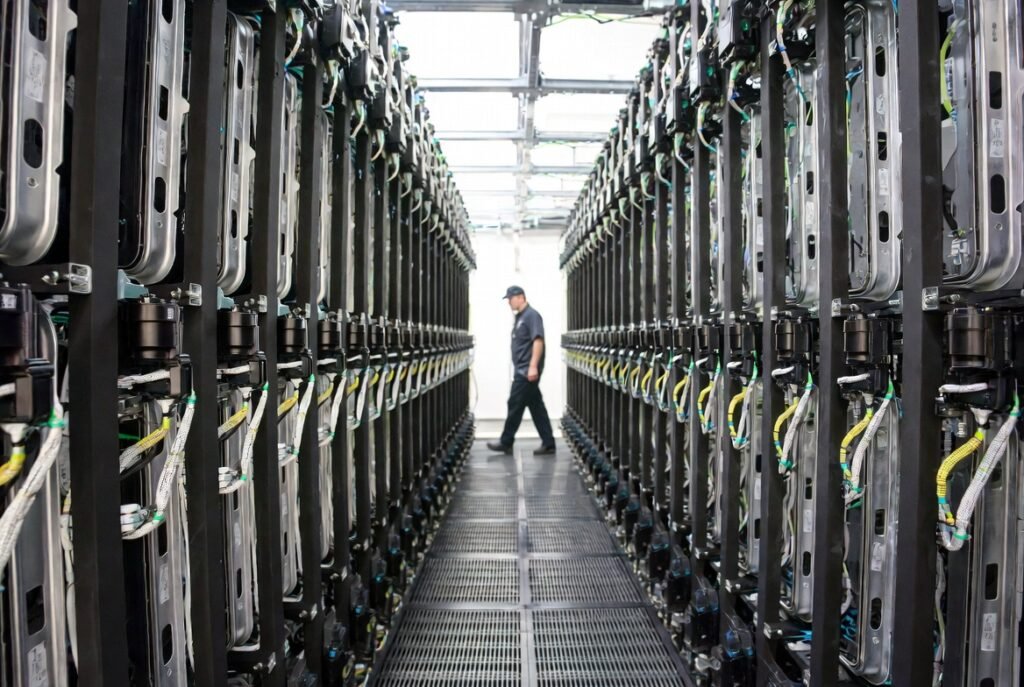
Computer hardware components experience major failure because of thermal energy. Photonic chips show better durability than traditional silicon chips because they do not produce thermal energy. The process of handling hardware in massive server farms requires fewer resources because of this reduction in energy and material needs for both production and replacement activities.