

The present time requires AI systems to demonstrate their usefulness beyond their initial period of popularity. The future of AI depends on its transition from a creative tool into a digital assistant that serves essential functions.
Moving from Answers to Action

The current AI systems work as “reactive” machines which respond to user questions. The system requires “proactive” behavior to function as an actual assistant, the system needs to detect flight delays and then propose new hotel and ride-share arrangements after showing your flight status.
Handling Complex, Multi-Step Tasks

Party tricks are usually one-off requests. The digital assistant executes extensive reasoning tasks. The system should execute a birthday party planning process which includes calendar checking, invitation sending, RSVP tracking, and cake ordering as an integrated operation.
Reliability and Trust

AI systems must achieve complete reliability to function as assistants. People do not trust assistants who create false information. AI systems need to function as trusted tools which users can depend on for handling financial and scheduling tasks.
Seamless Voice Integration

People find it easier to perform tasks instead of typing into chat boxes, true assistants need to be “hands-free” and capable of understanding natural, messy human speech in real-time, whether you are driving, cooking, or walking.
Managing Digital Overload

The current situation has resulted in an overwhelming number of notifications and emails which we receive. The AI assistant will filter the 50 emails that arrived during your sleep by summarizing their contents before identifying three messages which need your immediate focus.
Emotional Intelligence

A party trick doesn’t care if you’re stressed, but an assistant should. AI systems will develop the ability to identify both tone and urgency. Panic-prone users require accelerated service while casual users can experience a more relaxed conversation with extended information delivery.
Bridging the Physical and Digital Worlds
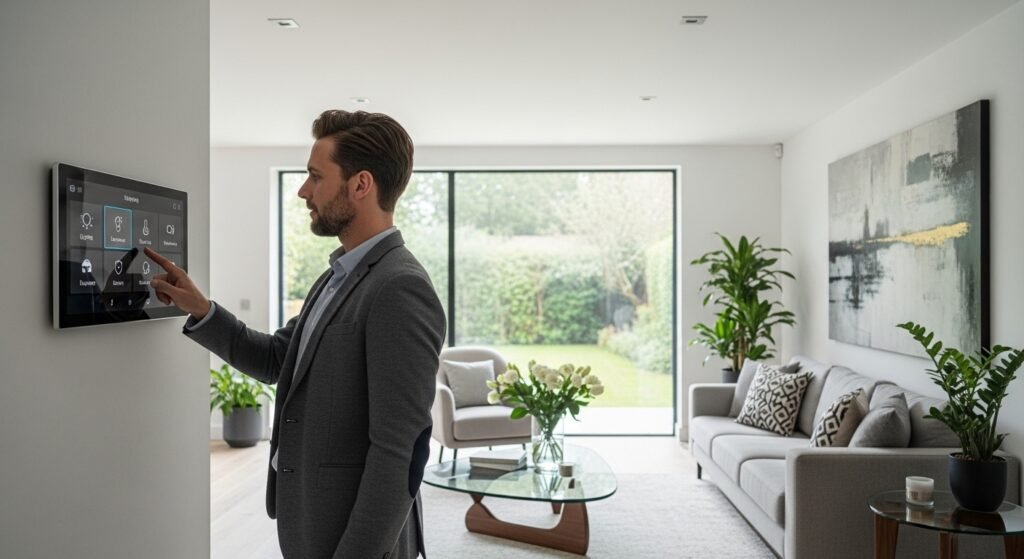
True assistants will live in our “smart homes.” The system will identify when the refrigerator needs replenishment and when the entrance door has been opened. The physical world connection transforms AI from a digital platform into a physical assistant who oversees your home.
Privacy-First Design

No one wants a “spy” for an assistant. People will use AI assistants only when data processing happens on their devices or through encrypted methods which keep their personal information secure. The future relies on implementing “Privacy by Design” methods instead of just gathering user data for advertising purposes.
Helping with Decision Fatigue

We make thousands of small decisions a day. A digital assistant can narrow these down. The system should present three restaurants to users, which it believes they will enjoy, while two restaurants currently have available tables.
Becoming a “Life Operating System”
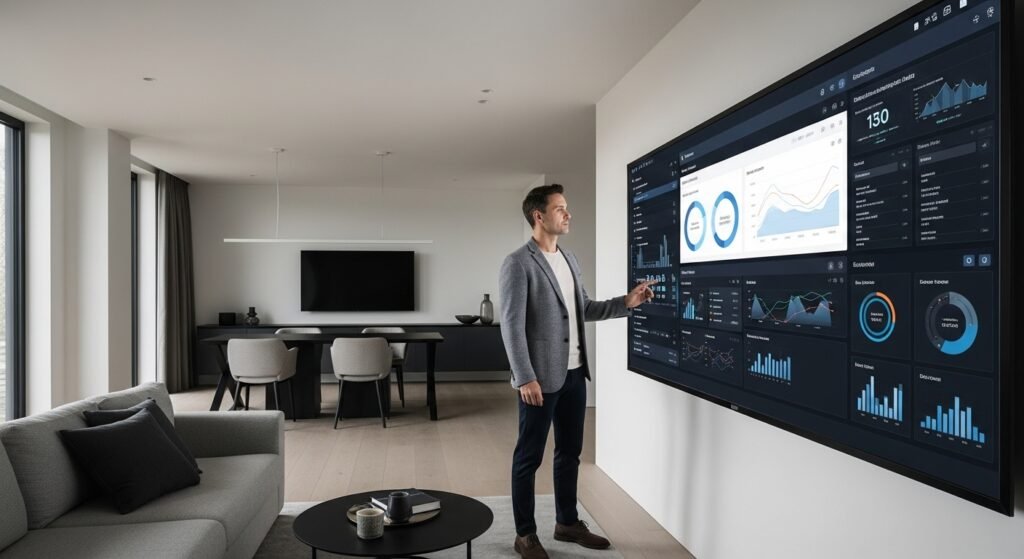
The current shift requires a transition from “Search” to “Support.” The AI platform should serve as our primary resource for time management while providing tools for handling health and social interactions.


