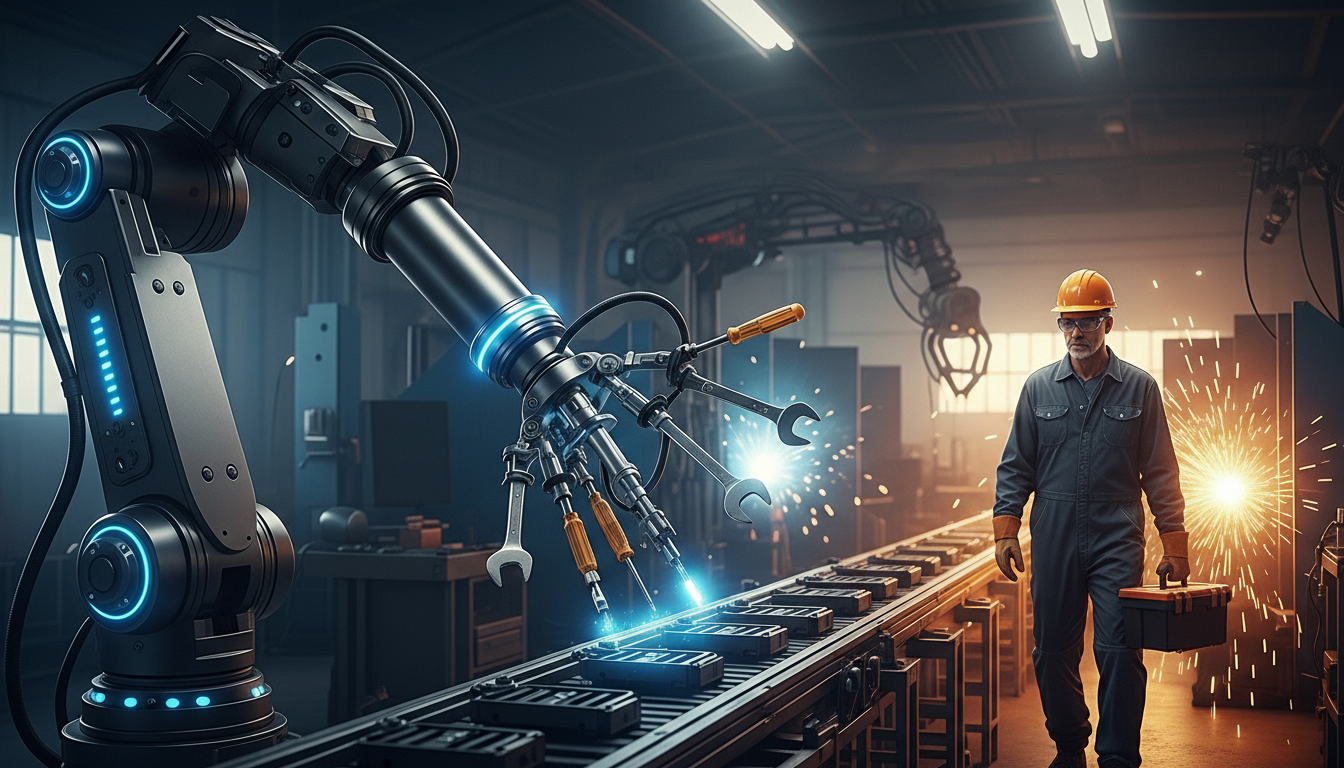
From remote teams to fresh ventures and neighborhood shops, something subtle is shifting behind the scenes. Not always front-page news, yet one kind of artificial intelligence – generative AI helpers – has jumped from curiosity to routine fast. Its influence, day by day, quietly changes how people handle tasks nationwide.
What This AI Tool Actually Does

Now picture an AI doing your email writing, sketching out report drafts, crafting ads, noting down what happened in meetings, building code from scratch, digging into numbers – even answering customers’ questions. What used to take long stretches of attention from people now wraps up fast. It slips through the cracks of old workflows too quietly for leaders to dismiss.
Customer Support Is Changing Fast

What stands out first is how customers get help. Instead of people, artificial intelligence often answers basic questions fast. Whether someone checks where a shipment is, or recovers an account password, replies come right away. Machines work through the night just like during the day. Because of this, fewer human helpers are needed to keep things running.
Marketing and Content Roles Are Evolving
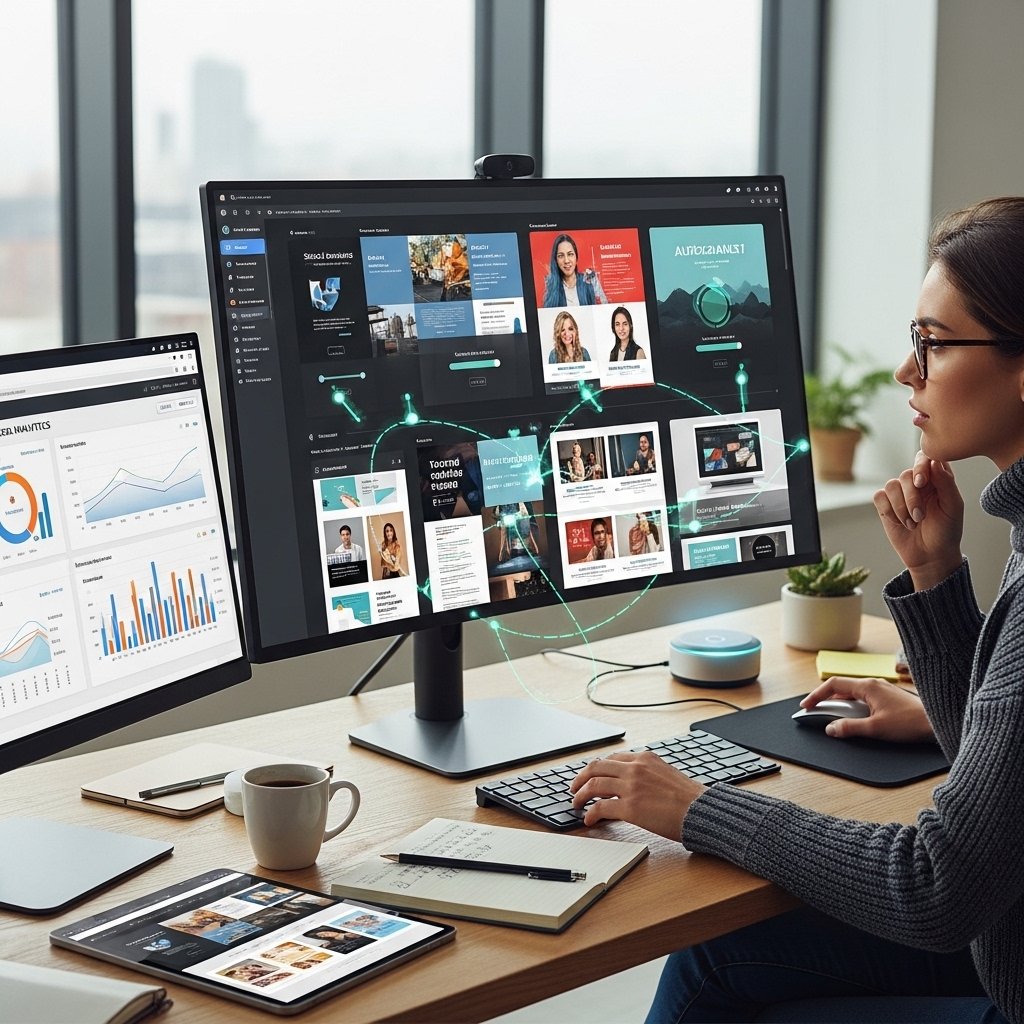
More companies now turn to artificial intelligence when planning ads or shaping messages online. Instead of free-form imagination, tools like language generators often draft key copy pieces today. Still, writers shape posts and slogans after initial prompts come through algorithms. Even as robots help craft headlines, real humans review tone before launch. Search engine rankings depend heavily on data-driven tweaks made daily by software – yet someone must track results locally.
Administrative Work Is Being Automated

One time, administrative helpers handled tasks like booking appointments, shaping papers, recording notes, also putting numbers into systems. Today, smart software does those same jobs – writing summaries after meetings, controlling time schedules, preparing messages inside a company, plus keeping records neat. Firms believe using such tech cuts expenses.
Coding and Technical Work Aren’t Immune

Change touches everything now. Out of nowhere, code writers with artificial intelligence start producing working lines fast. These tools catch mistakes better than before while nudging better versions of programs too. Still, people matter just as much – they watch progress, handle messy designs, keep things running. Simple coding jobs? More and more fall into machines’ reach quietly.
Why Companies Are Adopting It So Quickly
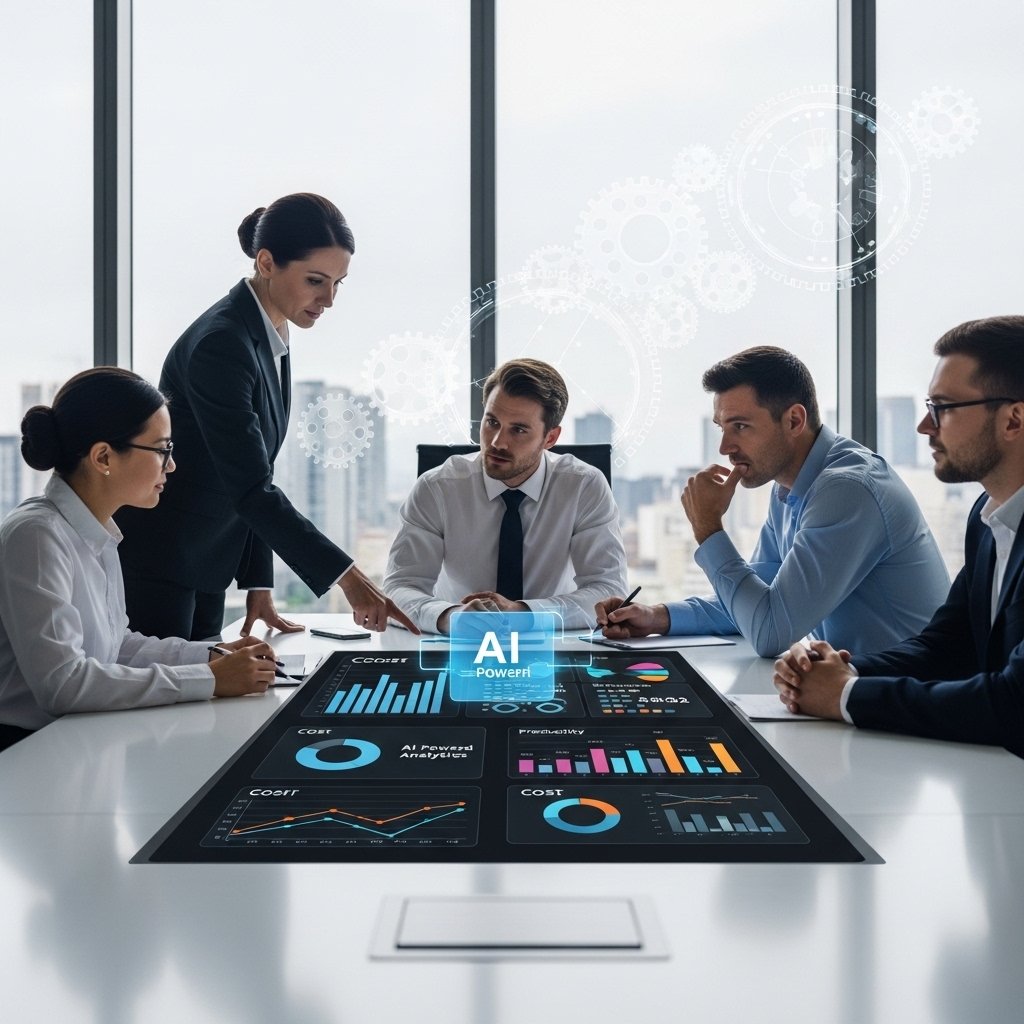
Faster results, room to grow, also fewer bills to handle. When money gets tight, companies look where work costs less. Tools that boost output but skip extra paychecks start sounding good. AI doesn’t need holidays, health plans, or long hours – that saves cash. In fast-paced scenes, that kind of edge can tip the scale.
Not Just Replacement—Redefinition

Few jobs truly vanish, yet they evolve in purpose. Workers now lean into bigger responsibilities – planning, guiding, watching – as machines take over routine actions. Change isn’t destruction; it’s how things now bend.
The Skills That Matter Now

With AI spreading wider, strengths such as careful reasoning, empathy, forward-thinking goals, and handling tough challenges matter more now. People adapting to work alongside AI – not just against it – tend to discover fresh paths opening up.
What Comes Next Is Even Bigger Than We Think
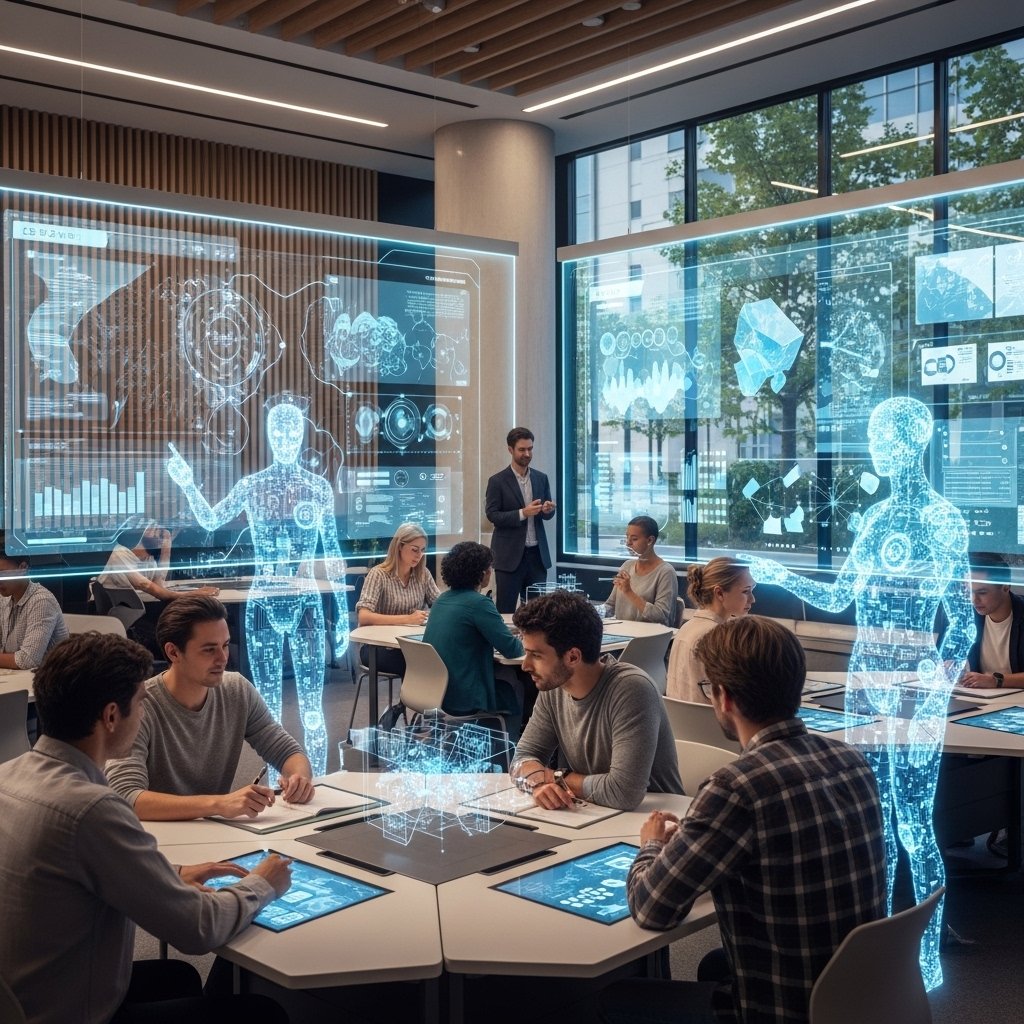
Change like this pushes up fresh doubts on learning paths, money rules, also how workers get ready. When AI moves forward, schools plus workplaces need to shift too – so humans stand prepared for jobs robots can’t handle well.