
Touch controls have been viewed as an inconvenient and irritating means of communication with the machine. It has had missed taps, swipe-ups, and lagging responses among other causes that prompted many users to desire using physical buttons or keyboards. However, recent years have seen the development in technologies that transformed the touch controls to be even faster and smarter and more reliable. Today, the touch interfaces are more user-friendly and error free more than ever before.
Touch controlled devices have finally met the expectations of users as far as cars and home appliances are concerned with better hardware and intelligent software.
Large Responsive touch screens.
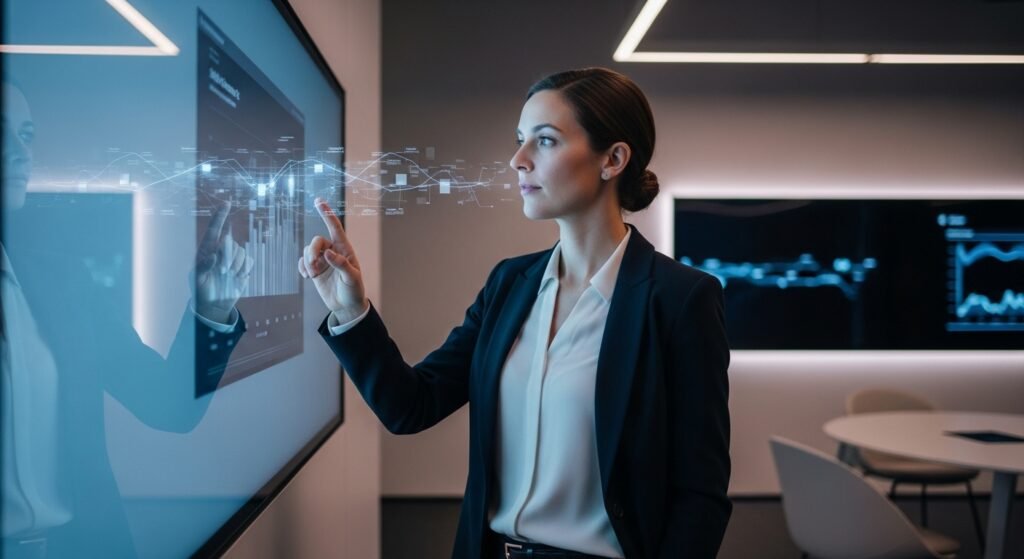
The existing touch screens are more precise when receiving their input. The high refresh rates and improved sensors also allow the devices to view even light tabs instantly to reduce the lag and make the devices more responsive.
In other parts of the globe, gesture recognition was enhanced through use of gesture to learn and communicate i.e. audio, video or prevent the spread in case of infection outbreak.
Smarter Gesture Recognition
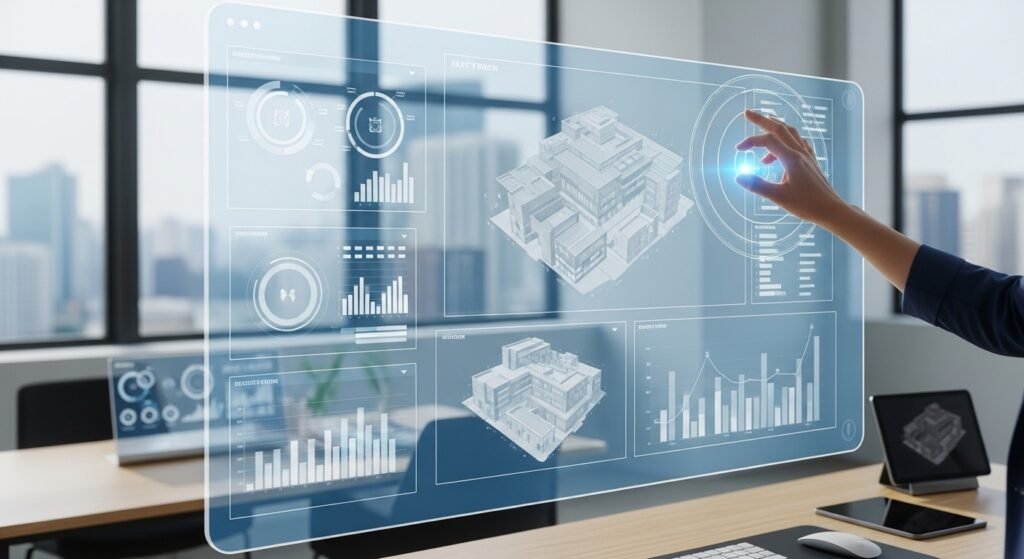
Touch systems have been developed to be able to recognise more difficult gestures which include multi-finger gestures, pinches and long press. By means of the sophisticated algorithms, one is able to distinguish between intentional movements and unintentional touches and streamline the interactions and make them more natural.
Improved Palm Rejection
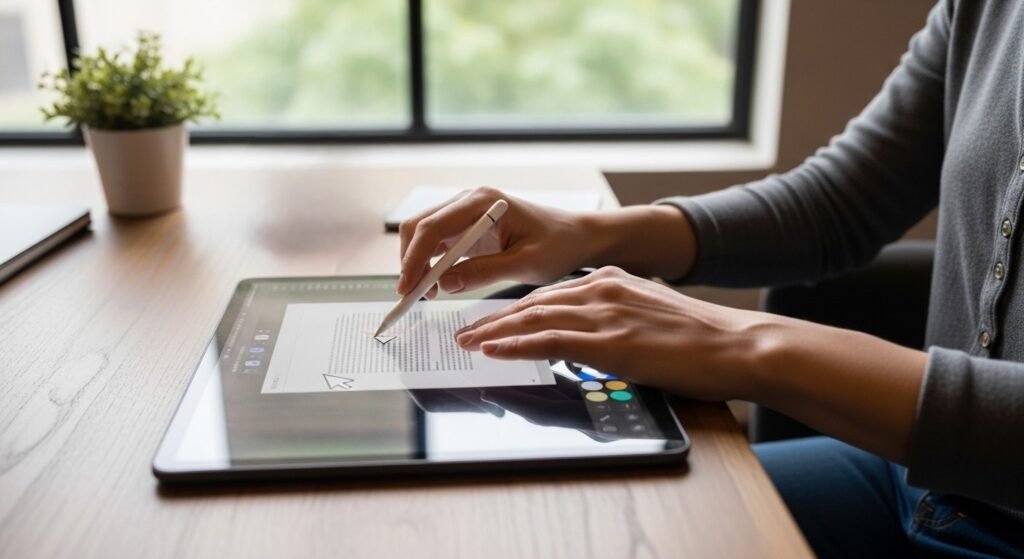
Fingers or palms lying on the touch screens were in most cases not read correctly by the previous touch screens. The new technology can even overlook contact not intended which proves to be useful with tablets, laptops, and gadgets with styluses.
Better Haptic Feedback
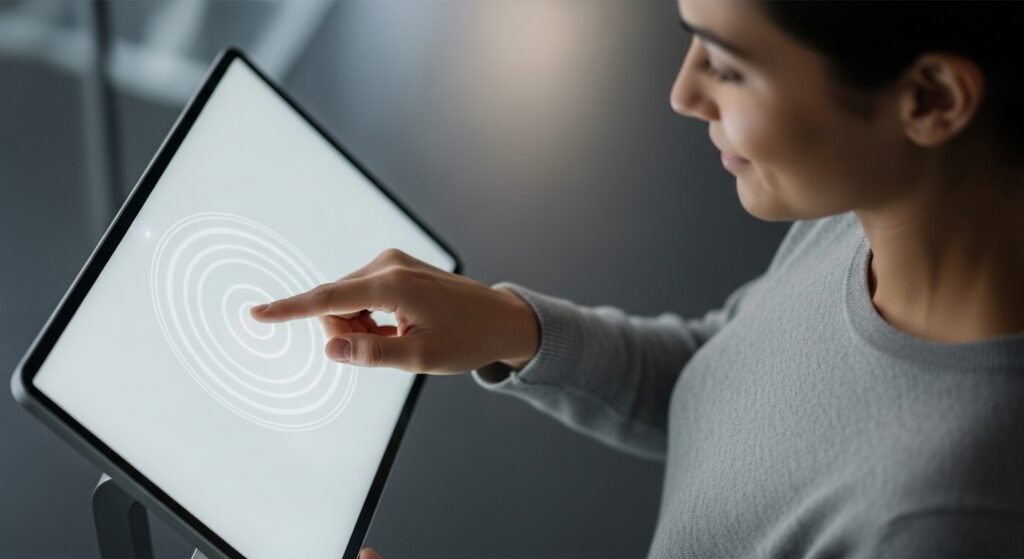
It is also possible that the haptic technology has developed and began giving clean vibrations when it comes to simulating physical buttons. This kind of feedback ensures that touch interaction becomes more interactive and enjoyable since users receive feedback that some action has been taken.
Adaptive Touch Sensitivity
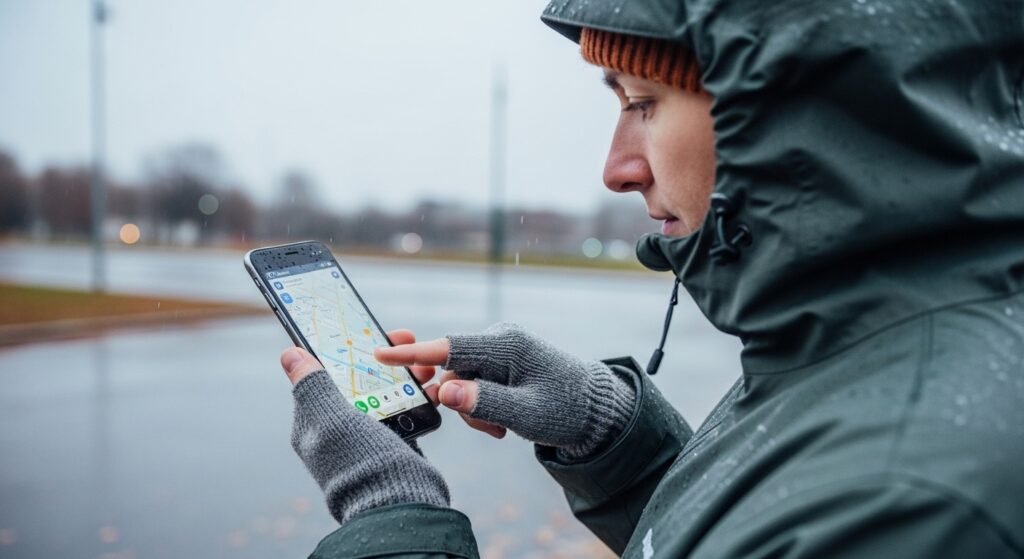
Majority of devices have become touch-sensitive according to the use. Touch controls are also becoming more flexible, not only when wearing gloves, with the use of stylus, but in a wet environment, it becomes usable.
AI-Powered Touch Processing
Artificial intelligence helps in making predictions about the will of the user upon a trend of interaction. It helps to remove errors and improve speed especially when typing at a rush or making impromptu movements.
Improved Touch Layout Design.
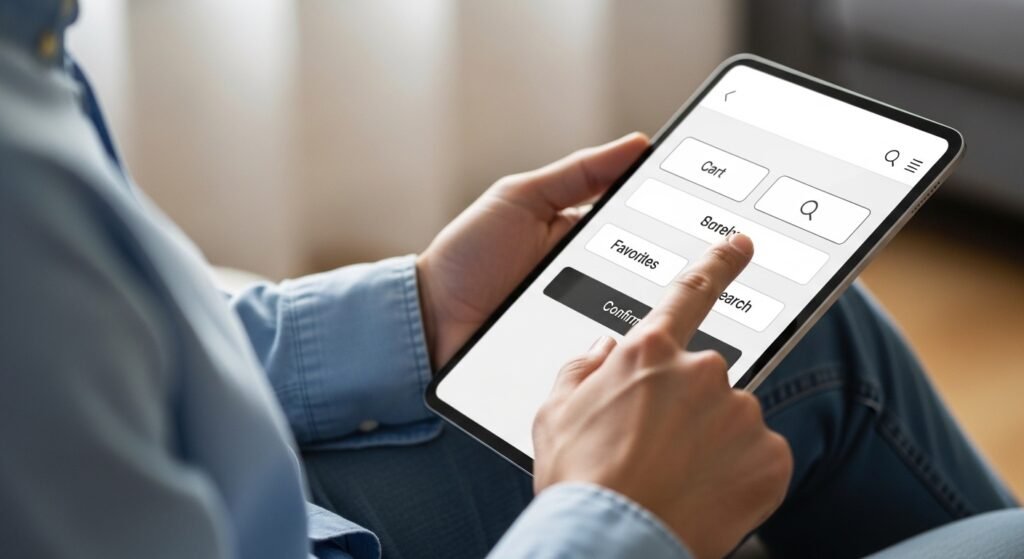
It is a far more thoughtful location of buttons and interactive equipment on the designers part. Larger touch screens, larger spacing as well as smarter designs eliminate the accidental touch and increase ease of use.
Increased Performance in any circumstances
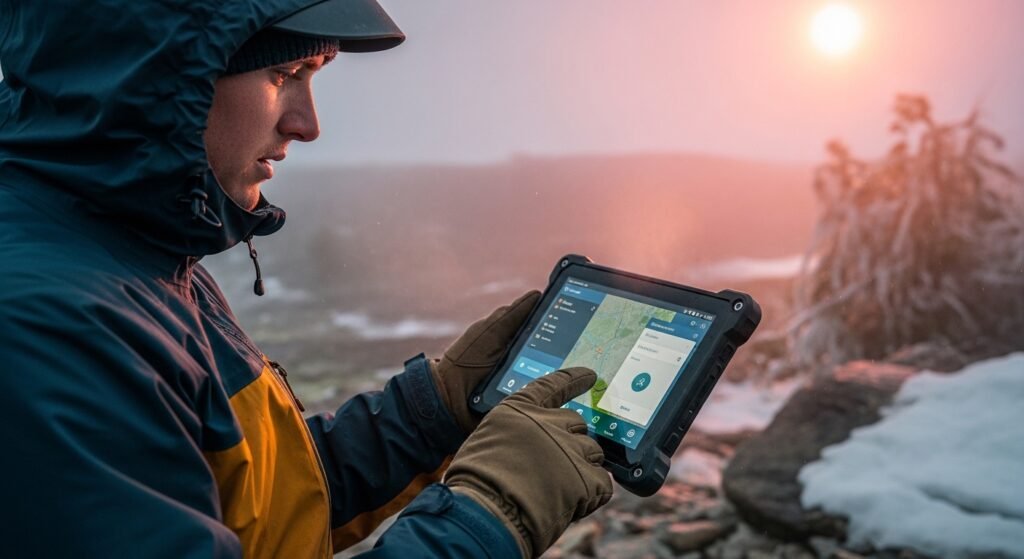
New coatings and the use of other types of screens have now ensured that touch controls are reliable to work under rain, sweat, heat and cold. This makes modern touch screens more dependable in the real life environments.
Incorporation of Voice and Physical inputs
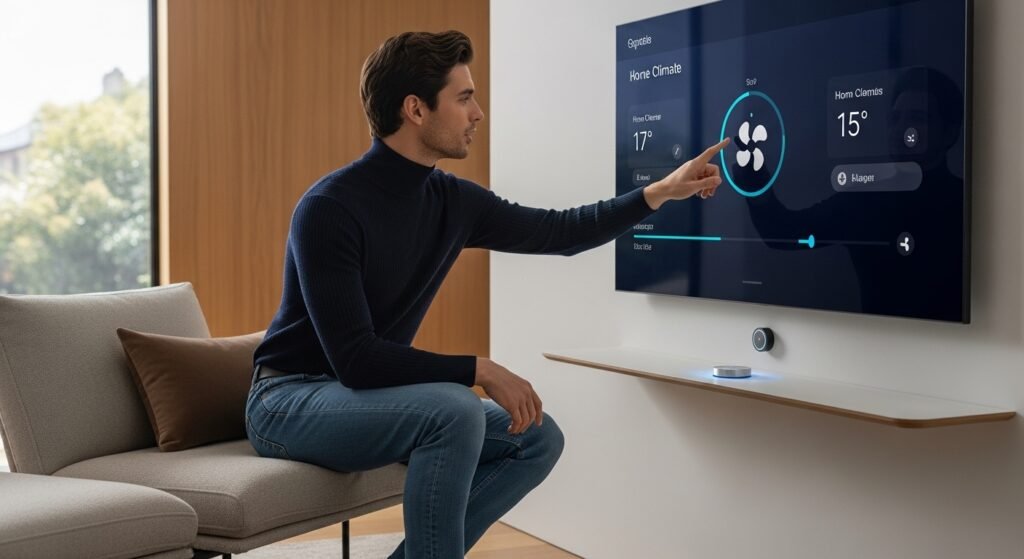
There is no more separation of touch controls. They are now strongly incorporated together with voice recognition, keyboards and physical buttons to enable them to have a little freedom in communicating with the devices.
Reduced Touch Fatigue

Fewer taps or gestures Minimized interaction and rapid response necessitate fewer few taps or gestures by the user. It makes it less difficult and more comfortable working during a long period of time.