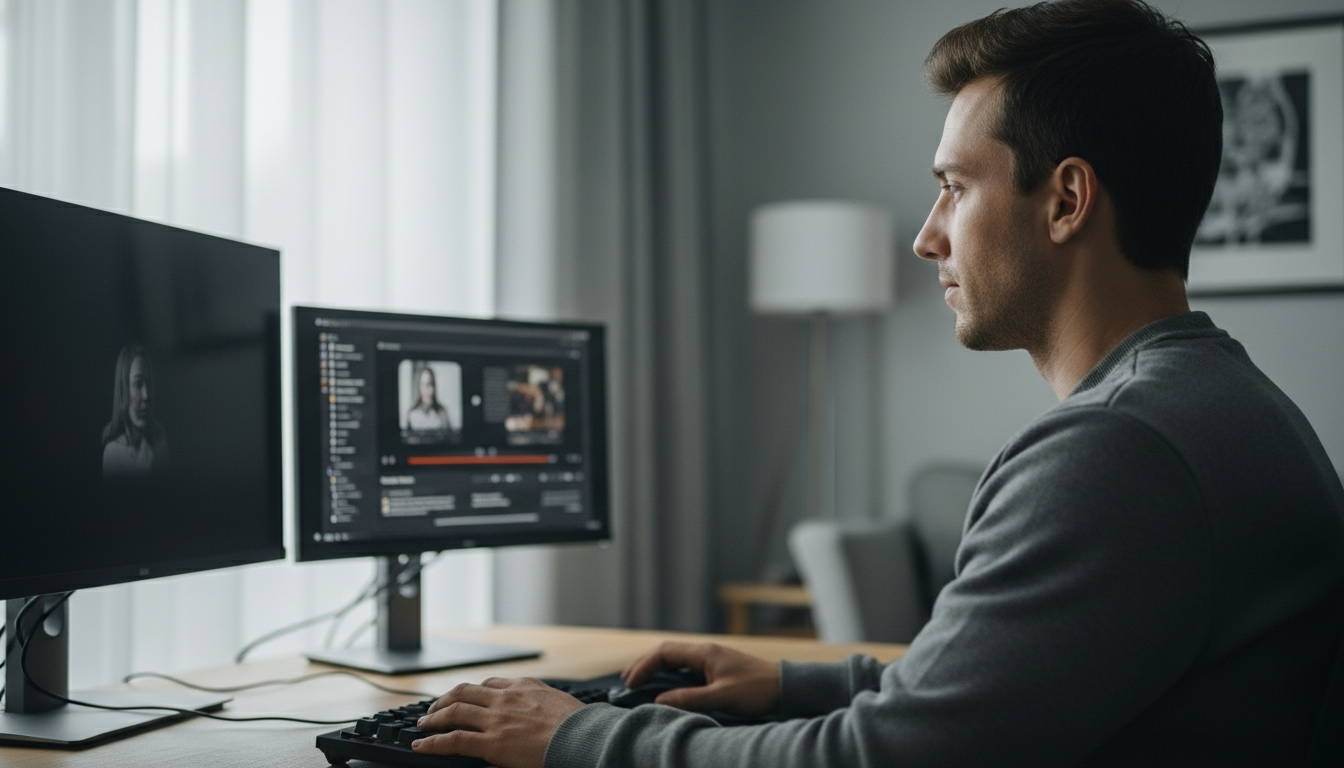
Music selection plays a steady role during long gaming sessions. Playlist changes often interrupt focus and timing. Spotify introduced an AI DJ feature with text based song requests. This update allows players to request tracks without browsing menus. The feature aligns with modern gaming habits where multitasking support matters. Voice chat, streaming tools, and background audio now operate together. Text requests offer a direct method for shaping soundtracks during matches, practice runs, or casual play.
Text Requests Replace Manual Playlist Control

The AI DJ accepts typed song requests through the app interface. A player sends a short text such as mood, artist, or genre. The system responds with tracks aligned to the request. This process reduces time spent outside gameplay. Fewer app switches support longer uninterrupted sessions.
Designed for Long Gaming Sessions

Extended gaming sessions often exceed two hours. Research from gaming behavior studies shows music reduces perceived fatigue during play. The AI DJ feature supports adaptive listening across long periods. Text requests allow fast adjustments between matches. Soundscapes remain aligned with focus needs.
Adaptive Music for Different Game Modes
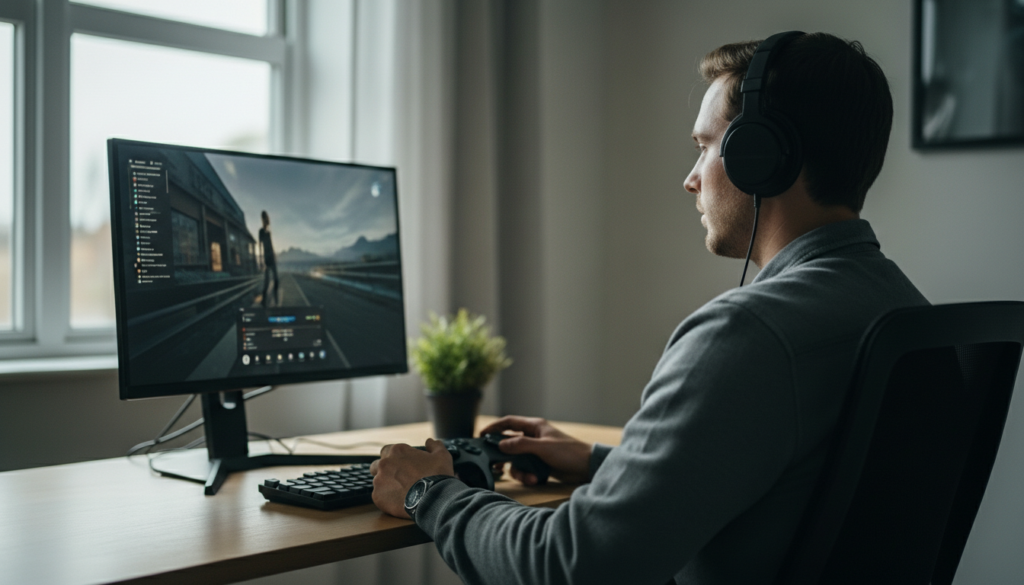
Different game modes require different audio energy levels. Competitive modes favor steady tempo tracks. Exploration or building modes favor slower music. The AI DJ adjusts selections based on short text prompts. Players maintain consistent immersion without manual curation steps.
Hands Free Focus During Gameplay

Keyboard shortcuts and controllers already manage complex inputs. Adding music control through menus breaks flow. Text based requests reduce distraction. A quick message between rounds controls audio output. Focus remains on gameplay mechanics and timing rather than app navigation.
Integration With Streaming Setups

Many players stream gameplay while managing overlays and chat. Audio balance matters for viewer retention. The AI DJ supports fast music changes during live streams. Text requests prevent awkward pauses. Streamers maintain consistent pacing without verbal interruptions.
Learning Player Preferences Over Time

Spotify tracks listening behavior across sessions. The AI DJ references prior listening data. Repeated text requests shape future selections. Over time the system aligns closer to player habits. Gaming soundtracks evolve without repeated setup steps.
Reduced Cognitive Load While Playing

Cognitive load increases with multitasking demands. Game mechanics, communication, and strategy already compete for attention. Simplified music control lowers mental overhead. Text requests shorten decision paths. This supports better reaction timing during high intensity play.
Music Matching Competitive Intensity

Tempo and rhythm affect reaction speed. Studies in esports training environments show moderate tempo improves focus. The AI DJ adjusts pacing based on request tone. Competitive players request high energy tracks. Practice sessions shift toward calmer selections.
Cross Platform Consistency

Gaming often spans console, PC, and mobile devices. Spotify operates across platforms with shared profiles. Text requests sync across devices. A player switches hardware without losing music continuity. Session flow remains stable across environments.
Future Use in Social Gaming Spaces

Social gaming relies on shared atmosphere. Music sets tone during cooperative sessions. Text requests allow group driven selection without debate. One player submits a prompt. The AI DJ supplies neutral choices. Shared sessions maintain balance and engagement.