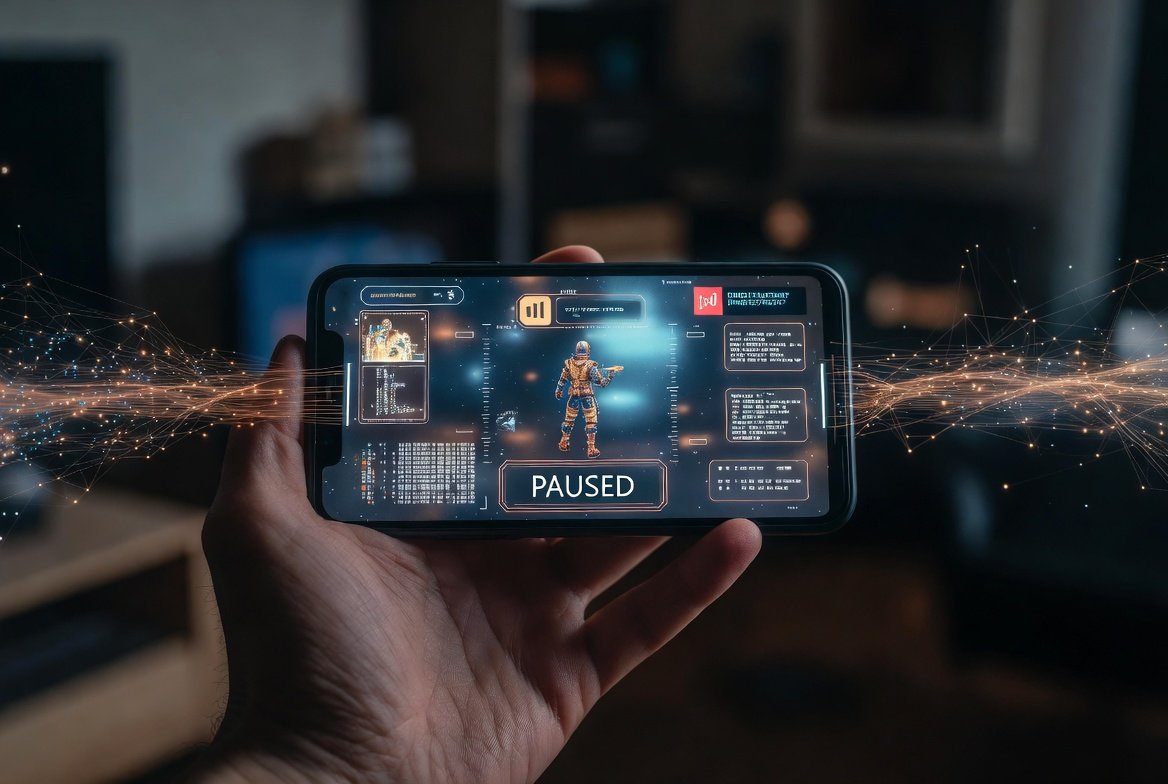
Smartphones play a central role in mobile gaming. Many games rely on sensors, network access, and background services. These features support performance and social play. The same features also collect behavioral data. Much of this activity occurs outside direct awareness. Tracking often continues during idle moments, menu screens, or background sessions. Awareness begins with understanding where collection starts and how signals leave the device.
App Permission Drift After Game Updates

Game updates often request expanded access. Location, storage, or microphone access appears during routine patch installation. Many users approve quickly to resume play. Older consent settings shift without review. Data collection expands through updated scopes. Competitive games with frequent updates show this pattern more often due to live service models.
Background Analytics During Gameplay

Mobile games run analytics services during active play. These services record session length, tap patterns, and response timing. Developers use metrics to tune difficulty and monetization. Data transfer continues even during single player modes. Competitive ranking systems rely heavily on behavioral profiles built from these metrics.
Sensor Access Outside Active Play

Phones contain accelerometers, gyroscopes, and proximity sensors. Some games access these sensors during pauses or minimized states. Motion data reveals posture, travel habits, and daily routines. Fitness based and augmented reality games use sensors most aggressively. Access often persists after sessions end.
Ad Network SDKs Inside Games

Many free games include third party advertising libraries. These SDKs track device identifiers, network details, and app usage patterns. Data flows toward multiple external servers. Players rarely receive clear disclosure during installation. Ad driven games show higher tracking density than premium paid titles.
Location Estimation Without GPS

Some games estimate location through Wi Fi networks and IP routing. This approach bypasses explicit GPS permission prompts. Regional matchmaking and event scheduling rely on such estimates. Accuracy improves over time through repeated sessions. Players often assume location tracking requires visible GPS indicators.
Voice and Audio Sampling Risks

Multiplayer games with chat features access microphones. Audio sampling sometimes continues beyond active chat windows. Background noise patterns reveal environment details. Competitive voice coordination increases permission acceptance. Few players review audio access logs after sessions end.
Device Fingerprinting Through Performance Data

Games collect hardware performance metrics. Frame rate stability, battery drain, and thermal behavior create unique device profiles. Fingerprinting persists even after identifier resets. Anti cheating systems frequently rely on such signals. Competitive titles collect more granular performance data.
Cloud Sync and Cross Platform Profiles

Game accounts sync progress across devices. Cloud profiles store play style, purchase habits, and session timing. Cross platform play increases data aggregation. Console, mobile, and PC activity merges into unified profiles. Tracking continues beyond a single phone environment.
Push Notification Engagement Tracking
Game notifications track open rates and response timing. Each interaction feeds engagement models. Late night or early morning opens signal routine patterns. Competitive event reminders rely on such insights. Notification access grants ongoing behavioral monitoring.
Operating System Level Telemetry

Mobile operating systems collect app usage statistics. Gaming sessions contribute heavily due to long runtimes. System telemetry links app behavior with device activity. Data supports performance optimization and ad targeting. Players often focus on game settings while ignoring system level tracking.