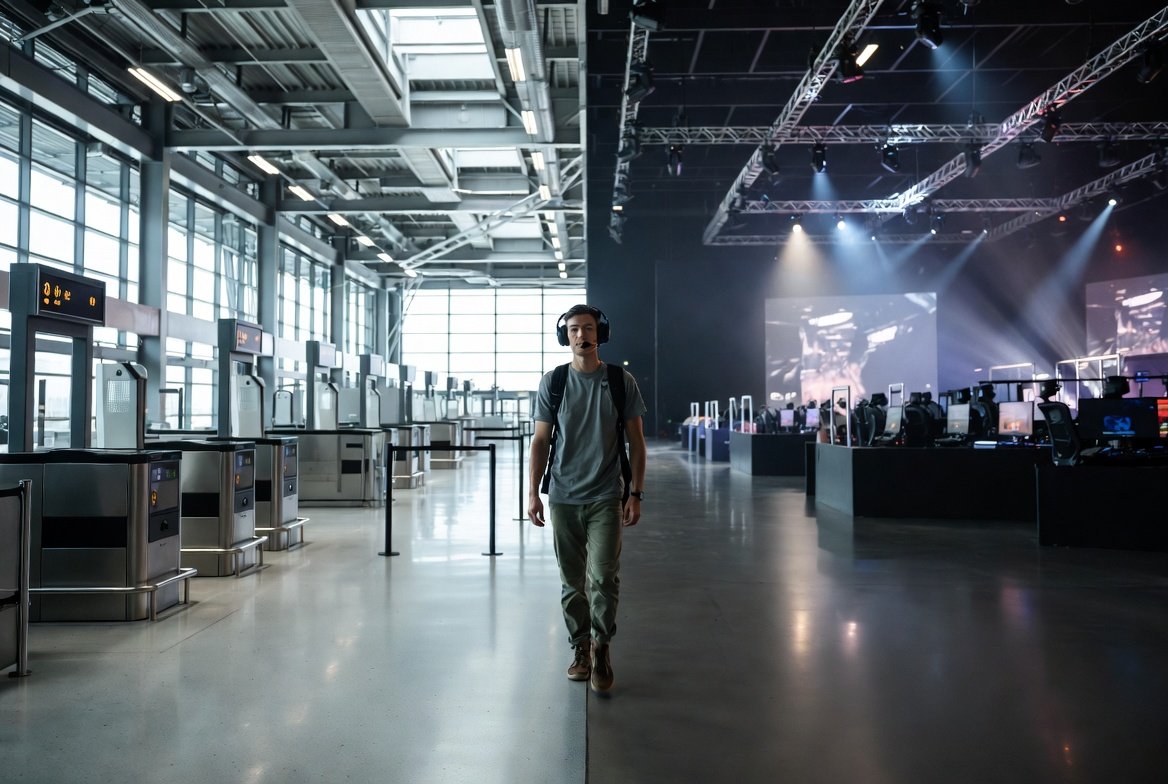
Identity checks shift toward facial recognition across airports, hotels, and large venues. Cameras now confirm identity faster than cards or documents. Similar systems operate within gaming platforms, esports arenas, and online tournaments. Shared identity tools connect physical travel and digital play. Speed, access control, and security processes evolve together as biometric verification becomes part of everyday movement and competitive participation.
Facial Recognition at Modern Check In
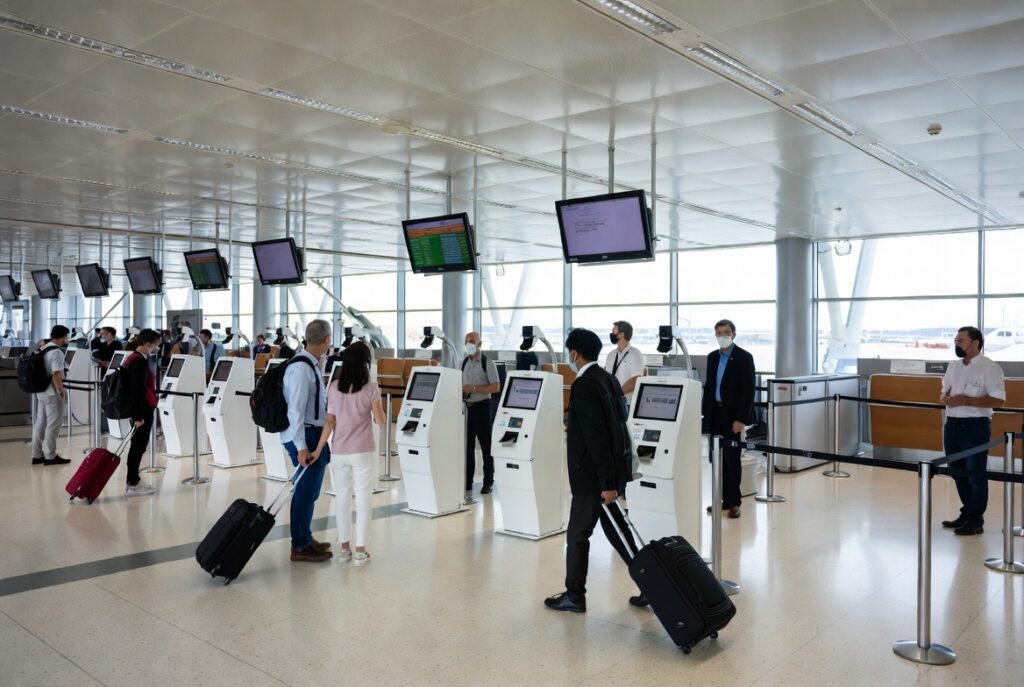
Airports deploy facial scanners to verify travelers against passport records. The process reduces manual checks and speeds boarding flow. Trials across major hubs report queue time reductions near 25 percent. Gaming expos adopt similar entry gates for badge collection. Faster access supports tight schedules during tournaments and launches.
One Face Scan Across Multiple Access Points
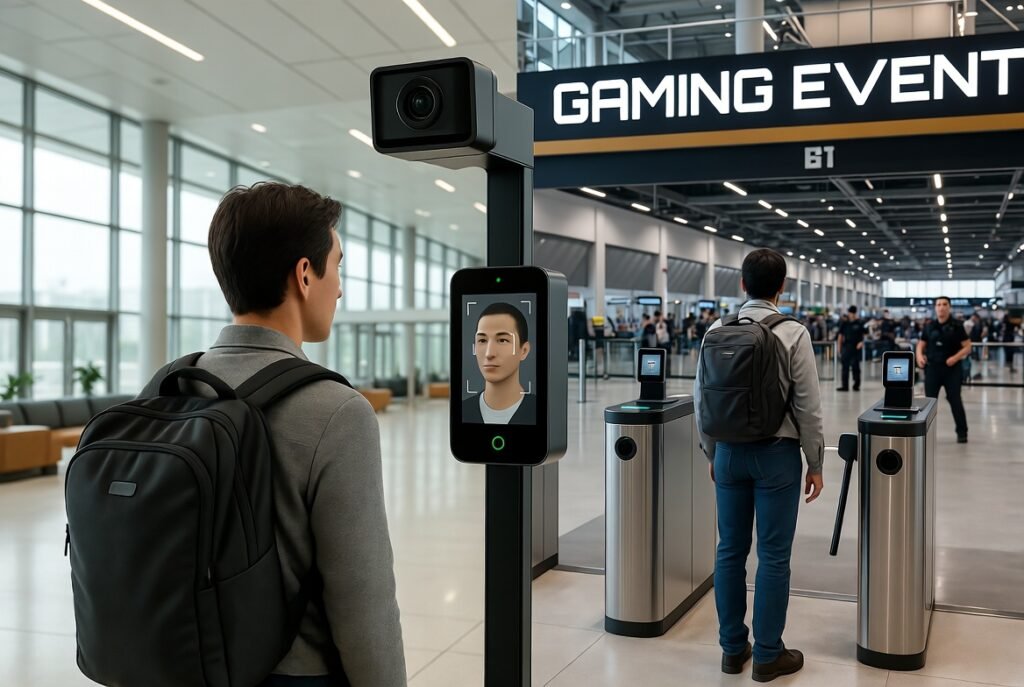
A single facial scan unlocks several checkpoints during travel. Boarding, lounge access, and hotel entry rely on the same biometric record. Gaming events apply similar logic for stage access and staff zones. Centralized verification limits repeated checks and lowers administrative overhead during crowded events.
High Throughput for Peak Crowd Periods
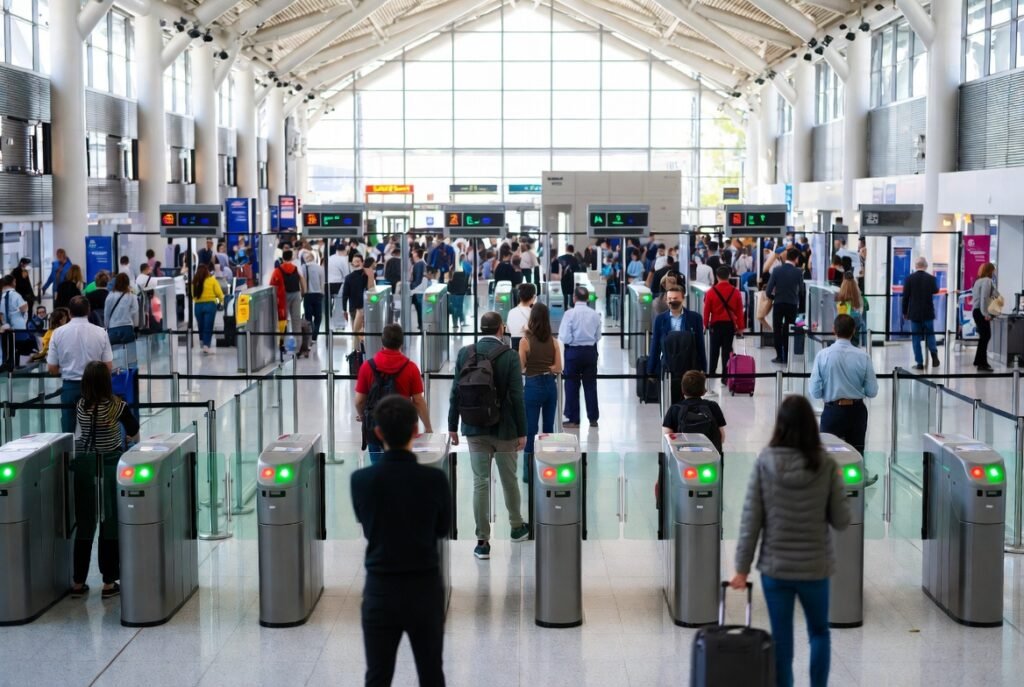
Large airports manage thousands of passengers per hour. Facial systems process identities within seconds under controlled lighting. Esports finals attract similar crowd density. Rapid verification shortens entry delays and supports precise match timing. Organizers gain predictable flow during peak arrival windows.
Reduced Dependence on Physical Credentials
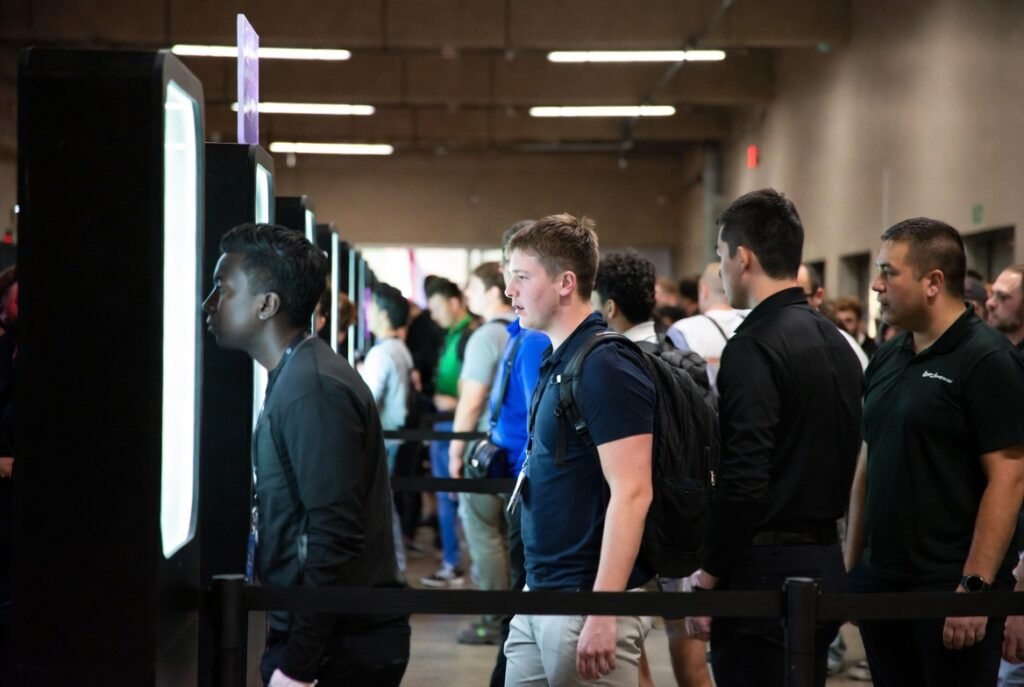
Physical badges and tickets face loss and misuse risks. Facial recognition removes reliance on tangible items. Airports link biometric scans to official identity databases. Gaming platforms apply face checks for account recovery and tournament entry. Shared identity enforcement reduces impersonation during competitive play.
Accuracy Standards and System Reliability

Current facial systems reach accuracy rates above 99 percent in optimal conditions. Poor lighting and motion increase mismatch risk. Airports address errors through multi camera setups. Gaming venues control lighting near entry zones. Redundant verification paths support reliability during heavy traffic periods.
Consent and Data Handling Practices
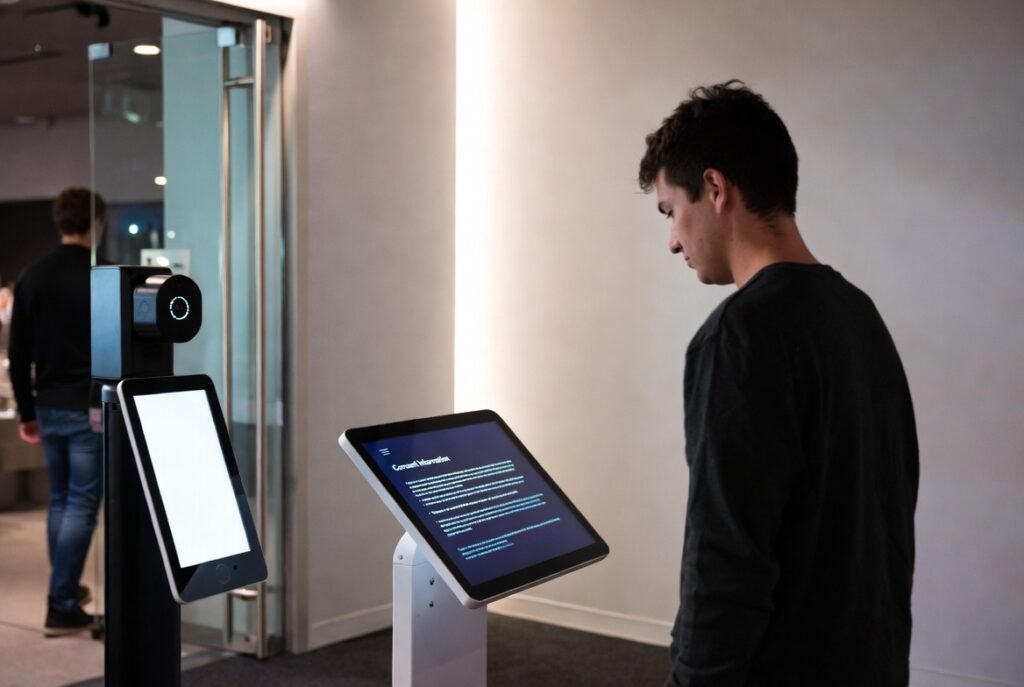
Biometric identity requires clear permission processes. Airports operate under national data protection frameworks. Gaming events follow similar disclosure rules. Storage duration remains limited to operational needs. Attendee notices explain collection purpose. Transparent handling builds trust among travelers and players alike.
Operational Lessons Shared Across Sectors

Gaming operators study airport biometric workflows for scalable access control. Travel authorities observe esports crowd management strategies. Both sectors exchange methods for throughput planning and user flow design. Shared experience reduces rollout risk. Cross sector learning accelerates adoption across venues and platforms.
Influence on Online Gaming Security

Online gaming services integrate facial checks for identity verification. Face scans support age validation and competitive eligibility. The approach mirrors travel security practices. Stronger verification limits account sharing and fraud. Competitive environments benefit through verified player identity across matches.
Cost Structure and Infrastructure Needs

Facial recognition requires cameras, servers, and network capacity. Initial investment remains significant. Airports offset expense through staffing efficiency gains. Gaming events justify costs through reduced credential abuse and faster entry. Long term value depends on event scale and frequency.
Expansion Toward Global Player Mobility

Competitive gaming involves frequent international travel. Biometric boarding systems support smoother movement across borders. Players transition between airports, hotels, and arenas using consistent identity verification. Unified facial ID frameworks reduce friction across travel and play. Global tournaments benefit from seamless access control across regions.