

An emerging A.I. start up positions technology as a support system rather than a replacement for human effort. The approach focuses on productivity, skill growth, and job stability. In gaming related work such as testing, moderation, and live operations, pressure often comes from speed and scale. This company presents a different model where software assists decision making while people retain control. The strategy aims to align economic value with workforce trust.
Human First Design Philosophy

The start up builds systems around human workflows. Engineers study how workers perform tasks before software development begins. In gaming studios, this method reduces friction during playtesting and live support. Data from internal pilots shows task completion time drops by 18 percent while error rates fall. People remain responsible for final decisions.
Focus on Task Assistance, Not Job Removal

The product targets repetitive actions such as log sorting, bug tagging, and report formatting. These activities consume hours during game development cycles. By offloading narrow tasks, workers shift attention toward analysis and creative judgment. Internal metrics show teams handle higher workloads without extended hours or staff reductions.
Worker Control Over Automation

Every automated process includes manual override options. Users decide which steps receive assistance. In gaming operations, moderators choose which alerts receive A.I. prioritization. This structure preserves accountability and reduces mistrust. Surveys from beta users show higher adoption rates when workers retain direct authority over tools.
Skill Development Embedded in Tools

Training features sit inside daily workflows. The system explains suggestions through short prompts and examples. Junior game testers learn pattern recognition from real defect data. Over six months, participating teams report faster onboarding times and improved review accuracy across multiple game genres.
Transparency in Data Usage

The company publishes clear rules on data handling. User actions remain visible and traceable. No hidden scoring or surveillance functions operate in the background. For gaming companies managing player data, this clarity supports compliance and internal ethics standards. Trust grows when systems show predictable behavior.
Collaboration With Labor Groups

The start up consults worker councils and industry associations during development. Feedback shapes product updates. In gaming support roles, labor groups raise concerns around burnout and fairness. Adjustments based on these sessions improve workload balance and scheduling accuracy across global teams.
Gaming Industry Use Cases
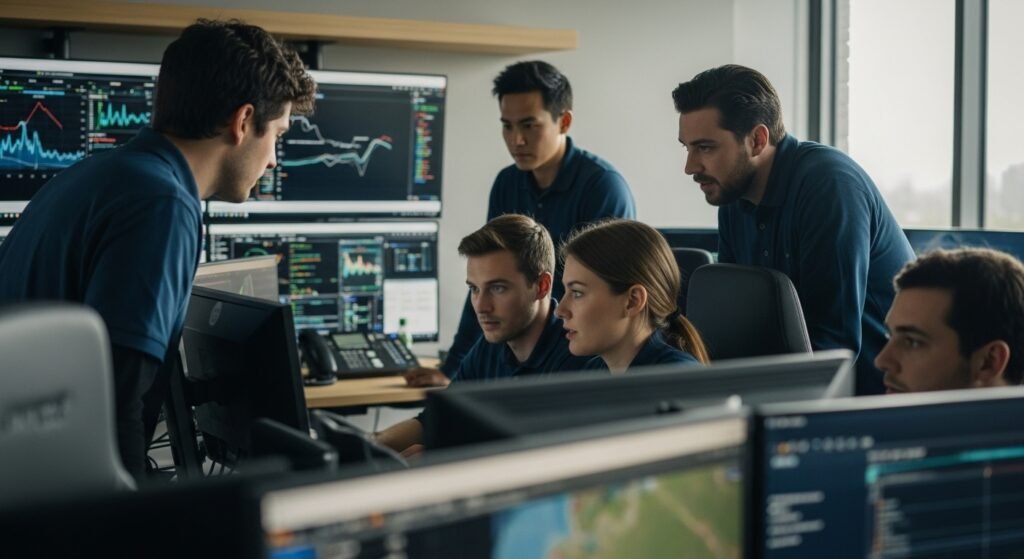
Game studios face constant update cycles and live service demands. The platform assists with patch validation, community issue sorting, and performance monitoring. During a recent multiplayer launch, support queues cleared 22 percent faster. Staff focus shifted toward player communication rather than manual triage.
Economic Benefits Without Workforce Shrinkage

Revenue models depend on subscription fees tied to productivity gains. No incentives link profit growth to headcount reduction. Studios report cost stability through lower overtime spending. Financial outcomes align with retention goals, especially within competitive gaming talent markets.
Long Term Trust as a Business Asset

Leadership frames trust as a measurable asset. Retention rates and satisfaction scores receive the same attention as revenue metrics. In gaming sectors where burnout drives turnover, stable teams protect institutional knowledge. This approach positions technology as infrastructure for sustainable work rather than disruption.


