Online gaming relies on fast connections, stable servers, and personal accounts tied to real value. Many players and small gaming groups expose services directly to the internet for convenience. Password strength often receives focus, while exposure risks receive less attention. Direct exposure increases attack surface and failure points. Private network design reduces disruption, data loss, and account takeover risks across competitive and casual gaming environments.
Remote game servers and admin panels
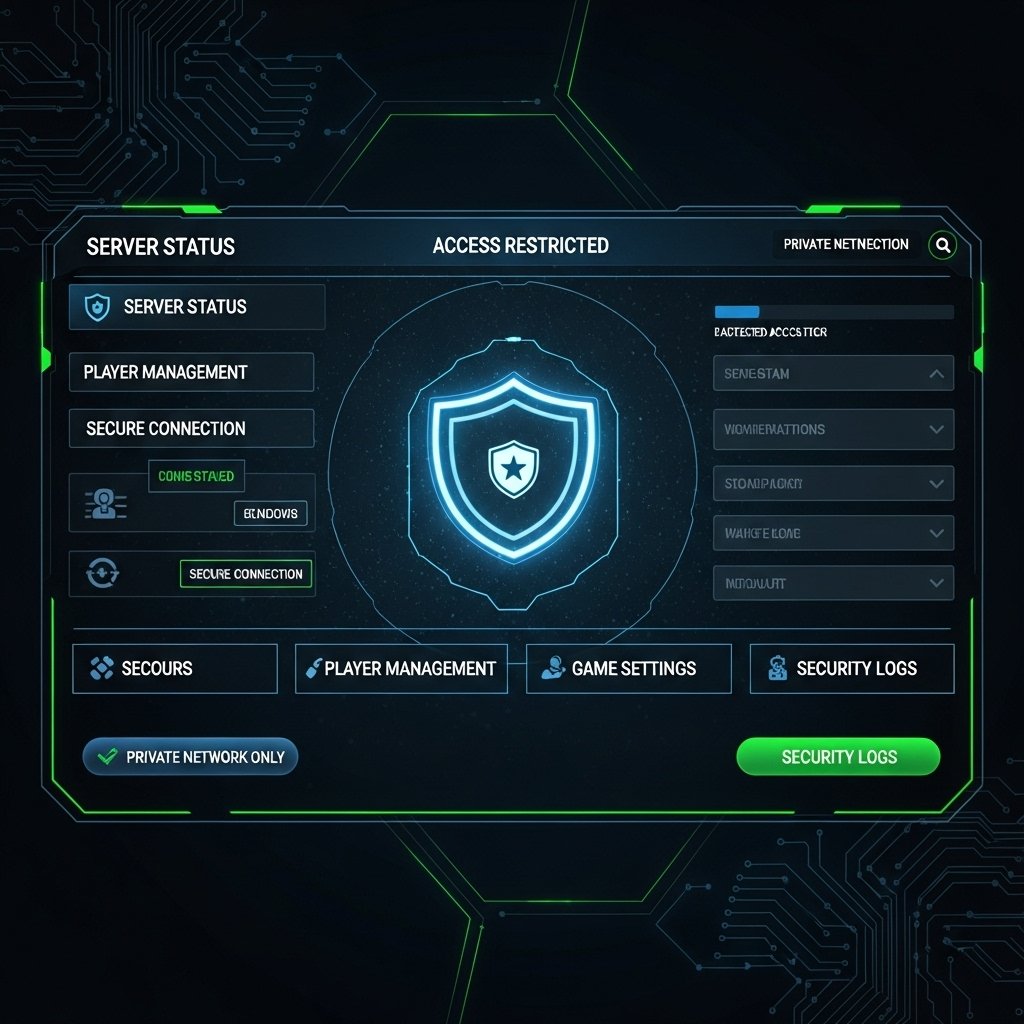
Private game servers often expose control panels to the public internet. These panels manage restarts, mods, and player access. Public exposure attracts automated scans. Password strength alone fails against credential reuse and brute force attempts. Network level isolation limits access paths and reduces downtime during peak play hours.
Voice chat servers

Self hosted voice platforms support competitive coordination. Public internet exposure invites abuse, flooding, and account probing. Attackers target weak configurations rather than weak passwords. Restricting access through private networks or trusted gateways protects session quality. Stable voice communication directly affects match outcomes and team coordination.
Game streaming dashboards

Streaming software dashboards often run on home networks. Public access exposes stream controls, overlays, and chat moderation tools. Unauthorized access disrupts live sessions and damages audience trust. Network isolation combined with local access policies prevents external interference during broadcasts and competitive showcases.
Mod management systems
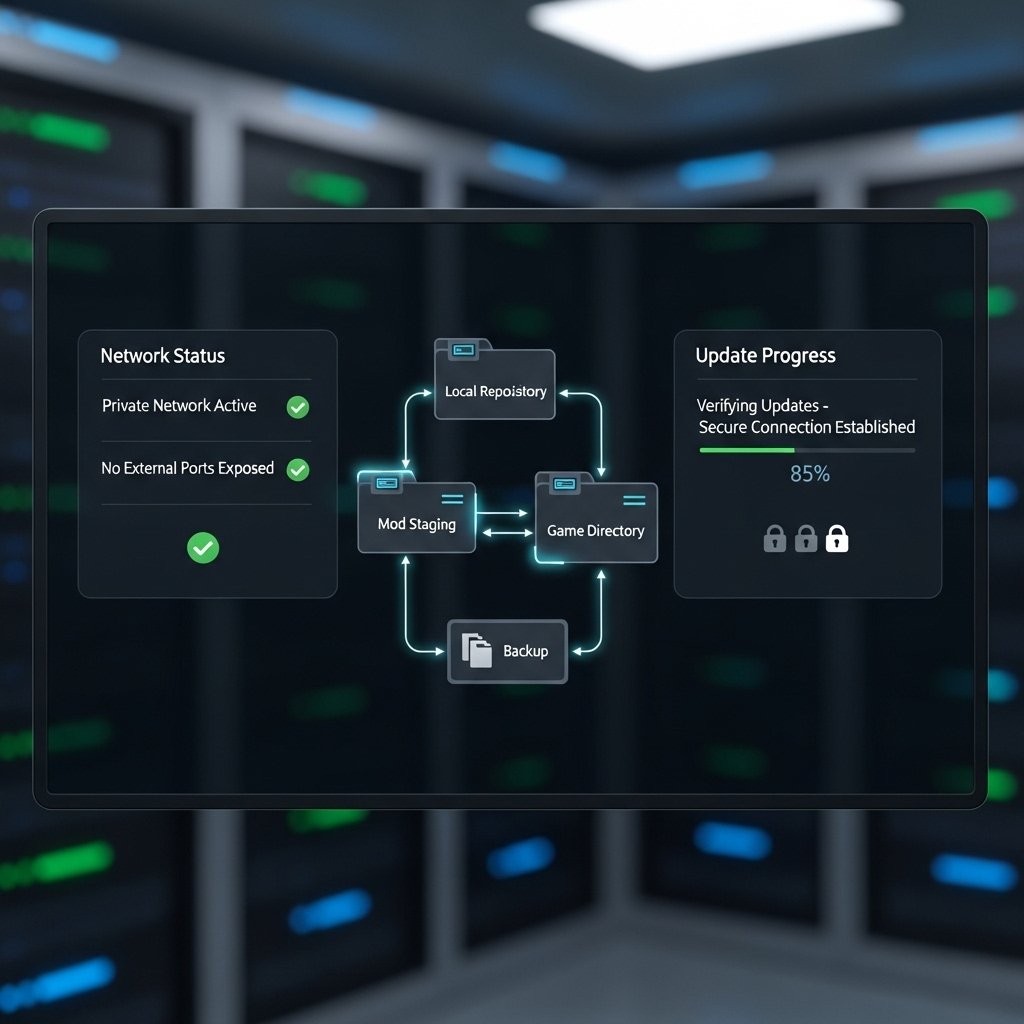
Mod repositories and update services often run with open ports. These services distribute files directly into game directories. Public exposure increases risk of tampered uploads and corrupted assets. Private access channels ensure controlled updates and reduce crash frequency during gameplay sessions.
Player statistics databases
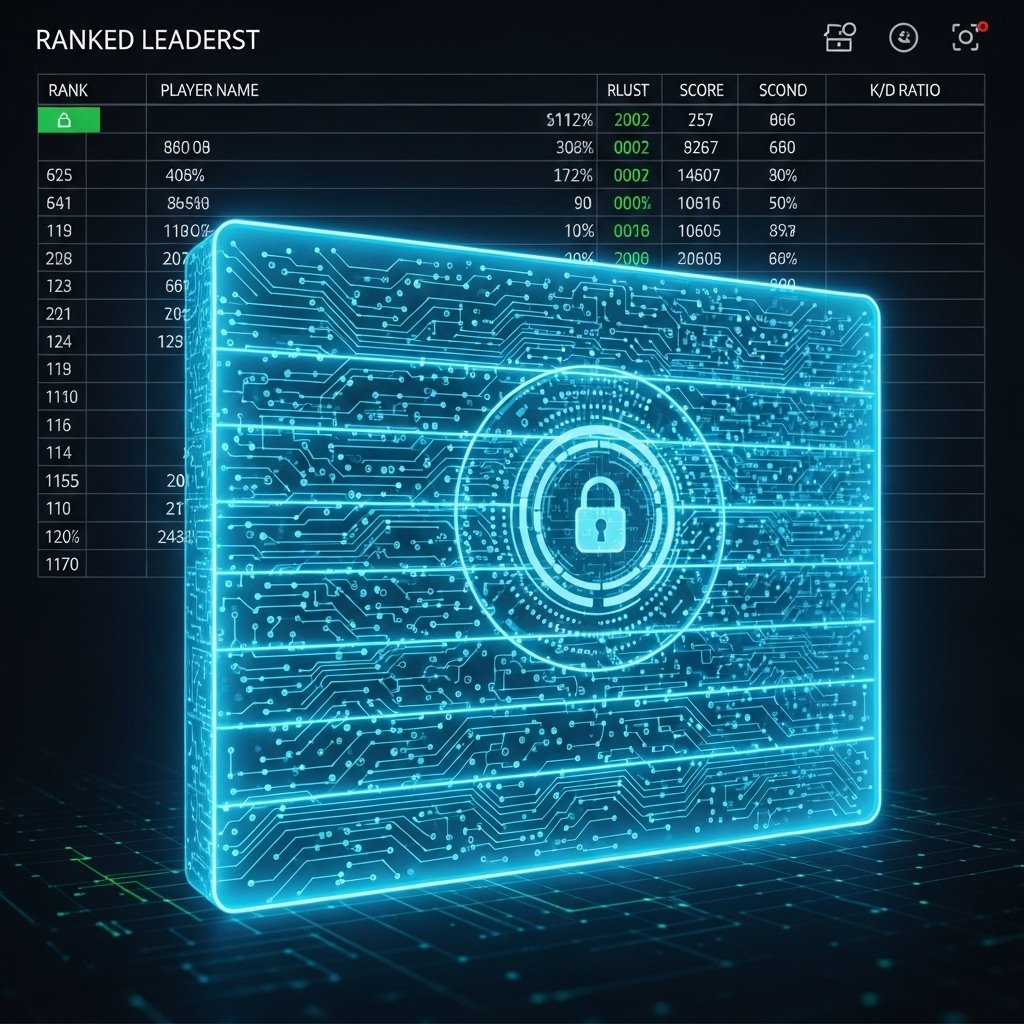
Match history and ranking data holds competitive value. Public facing databases attract scraping and tampering attempts. Password protection alone fails against misconfigured endpoints. Network segmentation protects data integrity and preserves fair ranking systems within multiplayer communities.
Home hosted matchmaking services

Small gaming groups host custom matchmaking tools. Public exposure increases latency abuse and denial attempts. Private tunnels restrict access to invited players only. Reduced exposure improves matchmaking reliability and reduces dropped sessions during tournaments.
Development and test servers
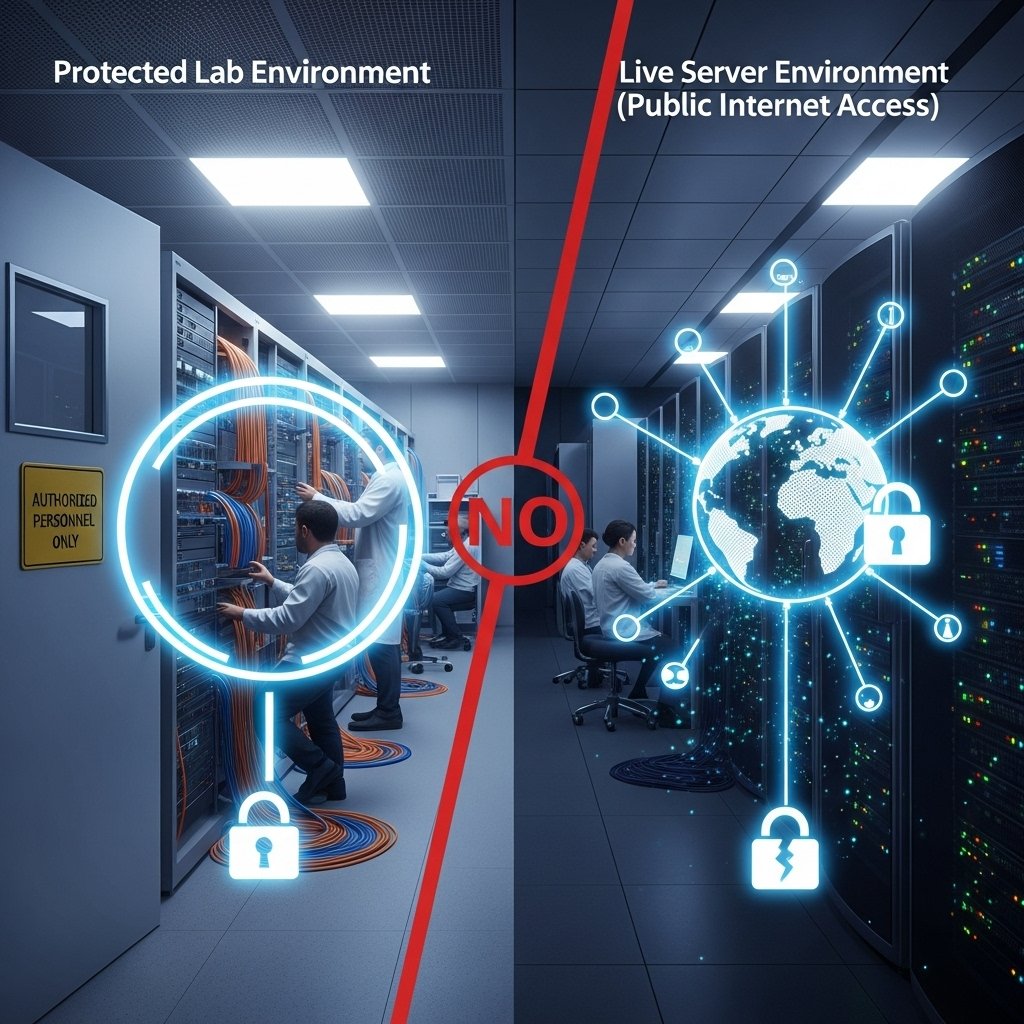
Test environments often mirror production settings. Public exposure turns test servers into easy targets. Attack activity spills into live services through shared credentials or configs. Private access keeps experimentation isolated and protects live player experiences.
Authentication backends

Login services handle session tokens and account validation. Public exposure increases probing attempts and token abuse. Even strong passwords fail under sustained automated pressure. Network isolation reduces attack volume and protects linked gaming accounts and digital purchases.
Patch distribution tools

Patch servers deliver updates before matches or events. Public exposure invites bandwidth abuse and incomplete downloads. Restricted access ensures stable delivery and prevents forced updates during live play windows.
Why passwords alone fail in gaming setups

Passwords protect accounts, not services. Exposed services face scanning, enumeration, and protocol abuse. Gaming environments value uptime and low latency. Network level protection reduces noise and preserves performance. Private access design supports competitive integrity and smoother play without constant security firefighting.