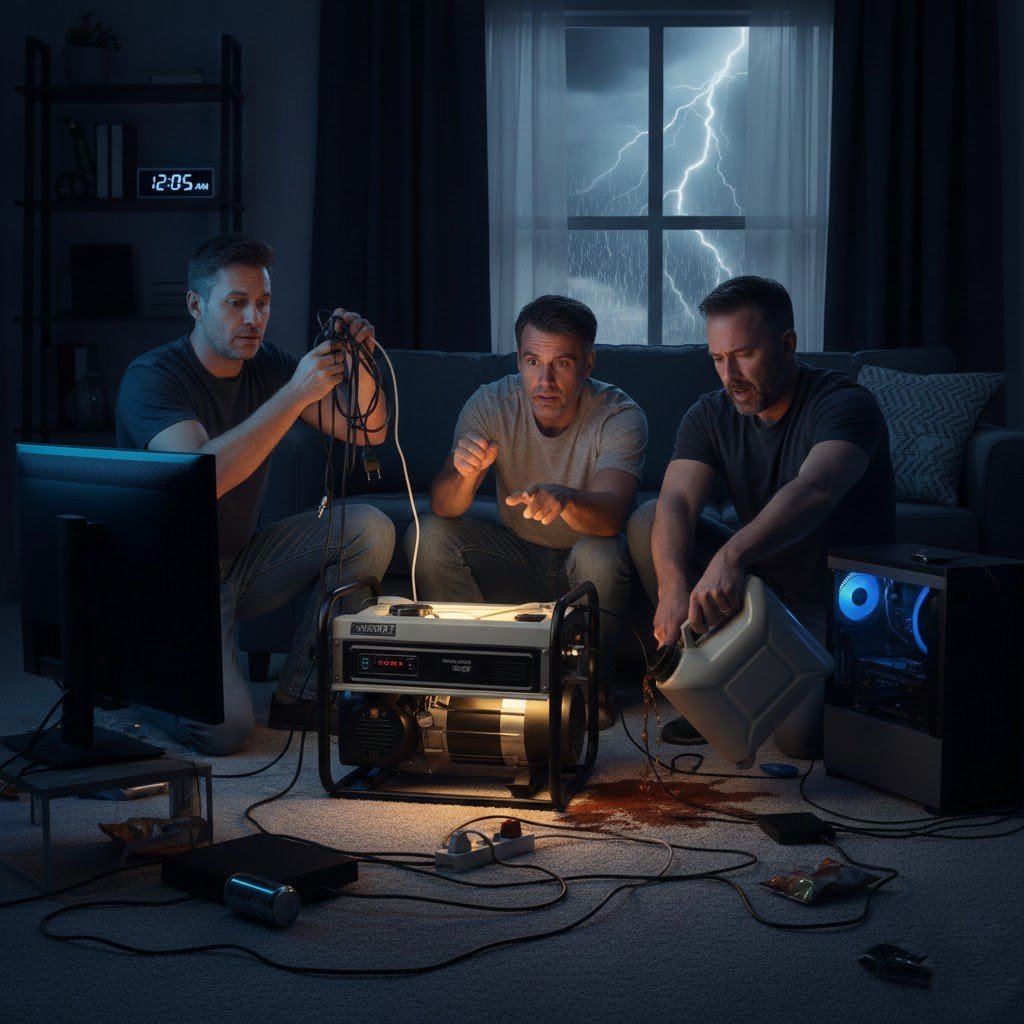
Gaming setups depend on stable electricity. A generator feels like a safe fallback during outages, yet poor connection choices create serious risks for consoles, PCs, and accessories. Voltage swings, uneven loads, and grounding gaps place sensitive gaming hardware under stress. The following guide lists devices no gamer should connect to a generator. Each section focuses on practical risks tied to gaming rooms, streaming desks, and home setups used for long play sessions.
High end gaming PCs
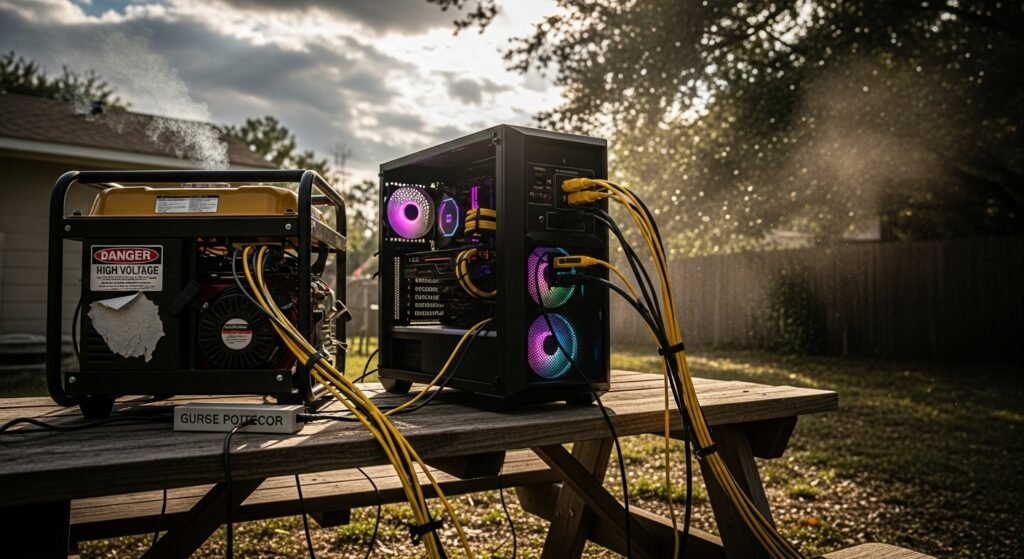
Gaming PCs draw fluctuating loads due to GPUs and CPUs ramping power under load. Generators deliver uneven voltage during load changes. Such instability stresses power supplies, motherboards, and graphics cards. A UPS with line conditioning stands as a safer buffer, while direct generator connection exposes expensive components to long term degradation.
Gaming consoles during active play
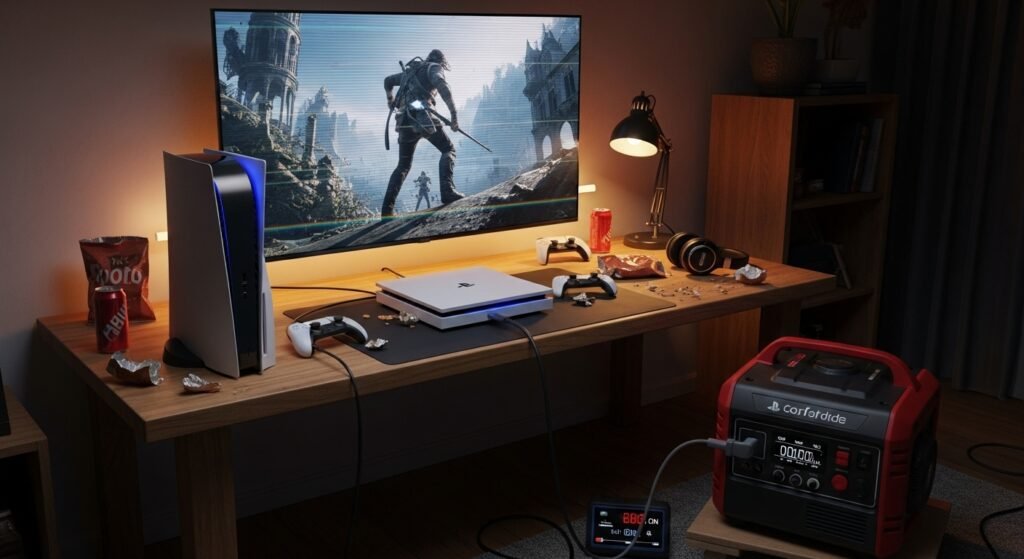
Consoles appear modest in wattage yet demand consistent frequency and clean power. Generator output varies under changing loads from lights or appliances. During gameplay, sudden dips disrupt storage operations and firmware processes. Repeated exposure increases data corruption risk and shortens console lifespan.
Gaming monitors and high refresh displays
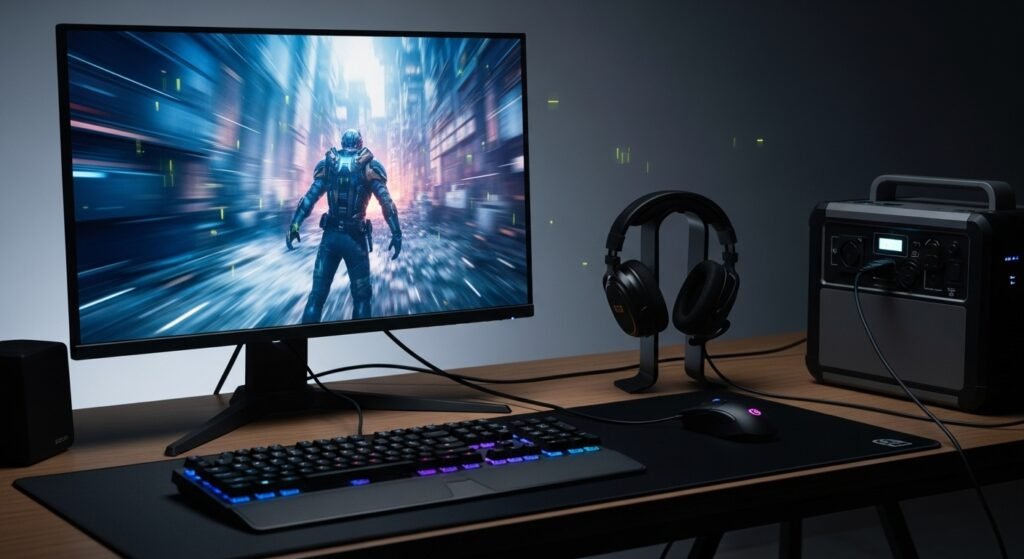
Modern monitors rely on precise voltage regulation, especially high refresh panels used for competitive gaming. Generator fluctuations strain internal power boards. Screen flicker, backlight failure, or permanent panel damage often follow. A surge protected inverter source suits displays better than raw generator output.
External hard drives and capture storage
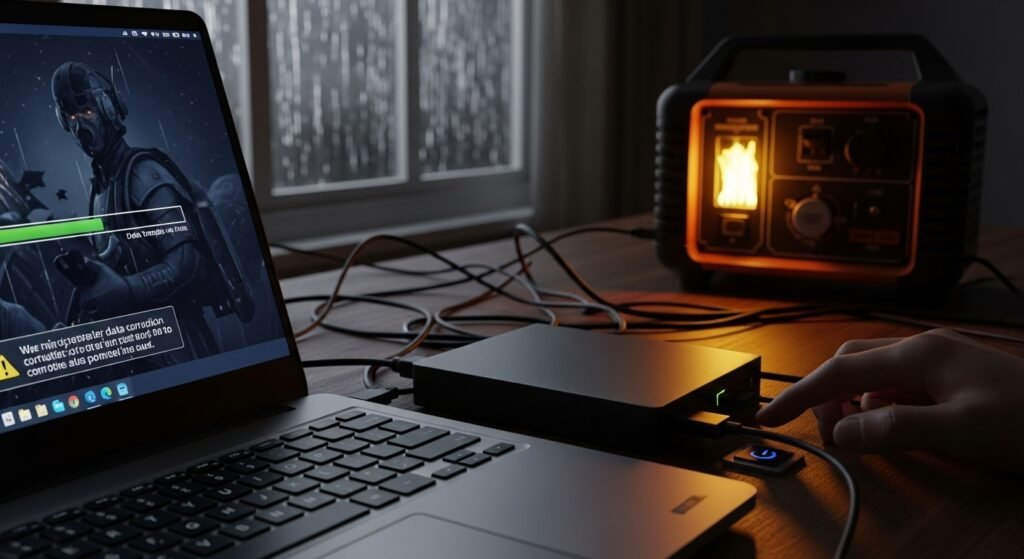
Recording gameplay or storing libraries relies on stable read write cycles. Generator irregularities interrupt transfers and spin cycles. File systems suffer silent corruption without immediate warning. For streamers and content creators, data loss risk outweighs any short term convenience from direct generator use.
Audio interfaces and DAC equipment
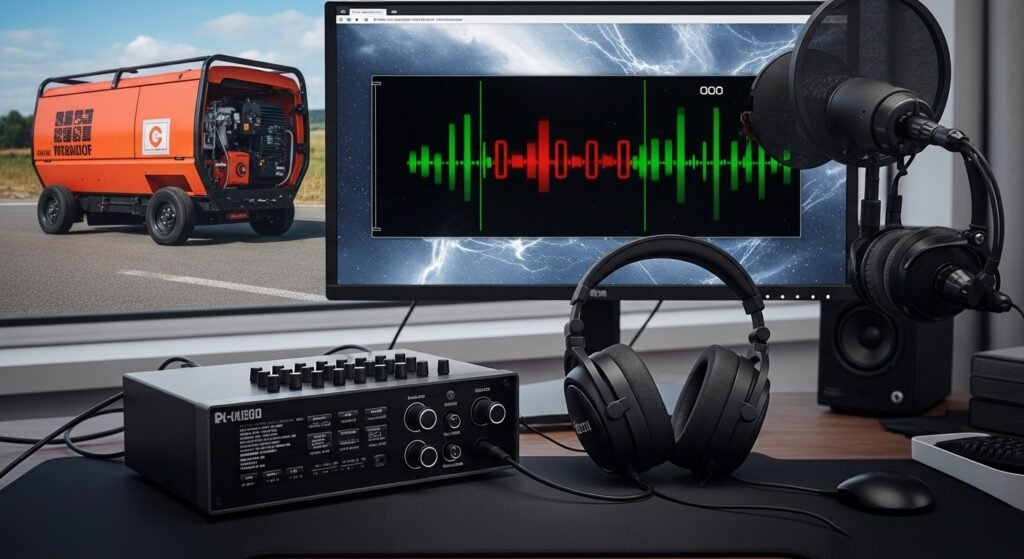
Gaming headsets with USB DACs and standalone audio interfaces rely on clean electrical signals. Generator noise bleeds into audio circuits. The result includes hum, distortion, and degraded microphone quality. Competitive players and streamers lose communication clarity during matches and broadcasts.
Routers and gaming network gear
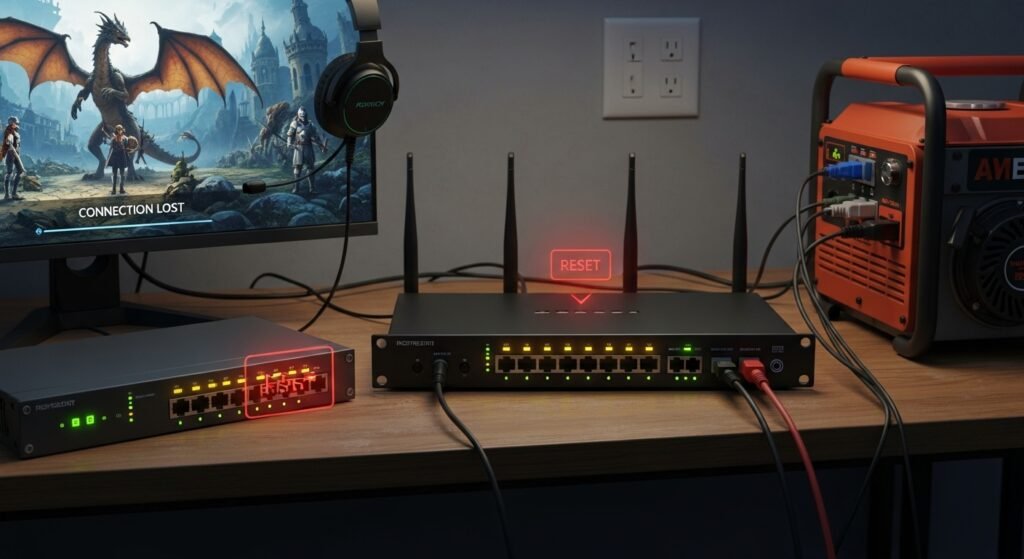
Online gaming depends on steady network uptime. Routers and switches exposed to generator power spikes experience random resets or firmware errors. Network instability ruins ranked sessions and live streams. Battery backed networking gear preserves latency consistency during outages.
Mechanical keyboards with onboard memory
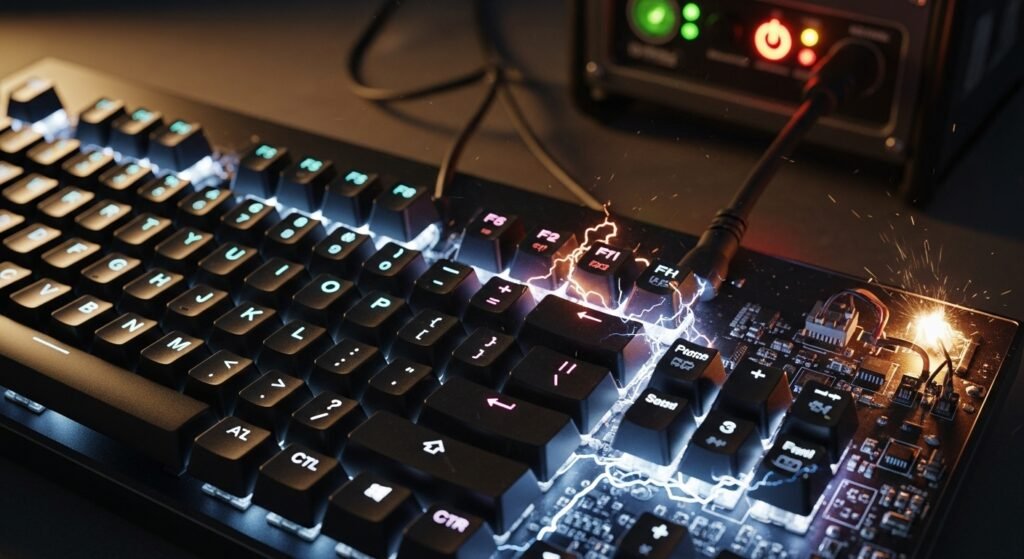
Premium keyboards store profiles and macros internally. Power irregularities interrupt firmware writes during lighting changes or profile saves. Corrupted memory leads to unresponsive keys or lighting failure. For esports players, input reliability matters more than temporary illumination.
VR headsets and tracking stations
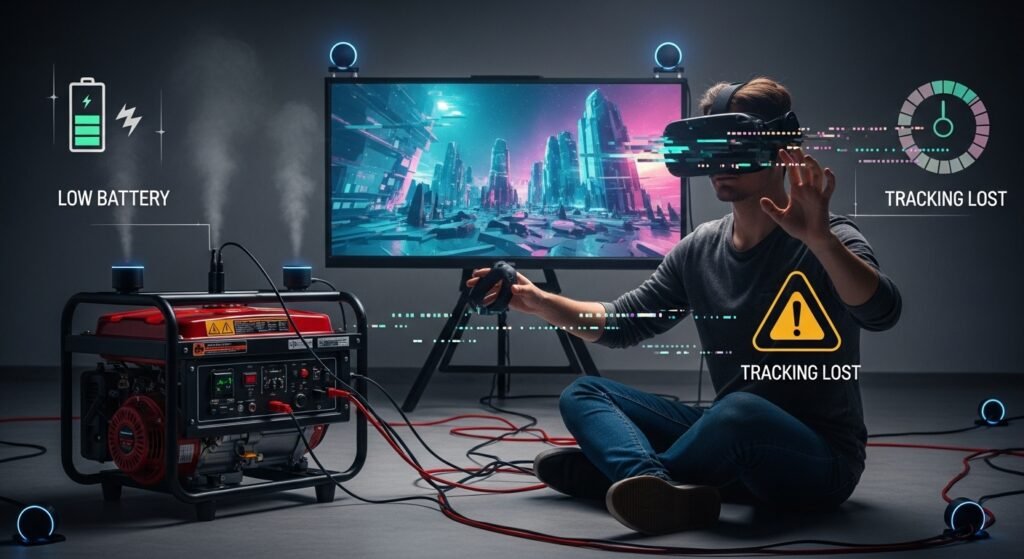
Virtual reality equipment uses precise sensors and constant calibration. Generator voltage drift disrupts tracking accuracy and camera sync. Sudden shutdowns also affect headset firmware. Repair costs and recalibration time exceed the benefit of temporary generator power.
Gaming laptops under charging load
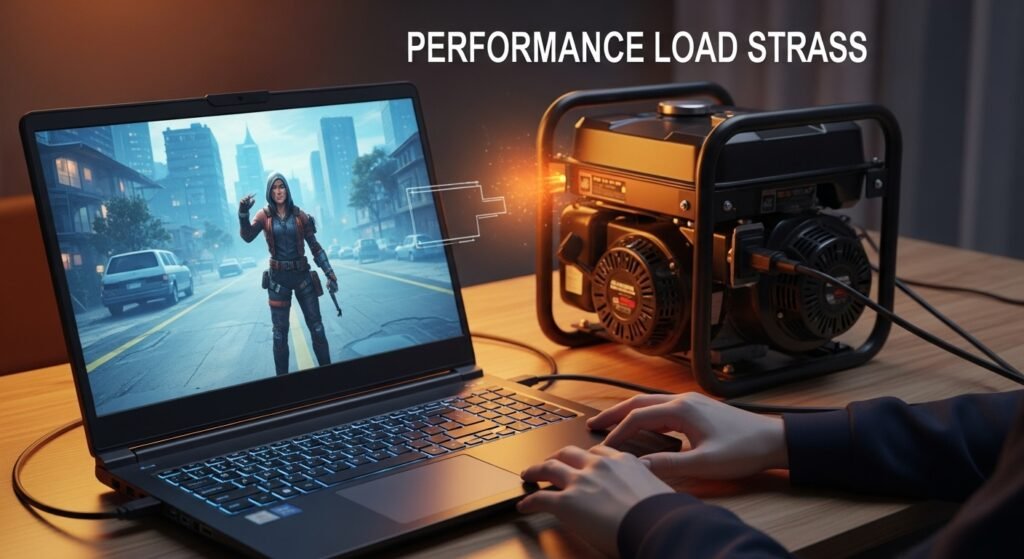
Gaming laptops pull high current during charging while running performance modes. Generators struggle with sudden draw changes. Battery management circuits face stress from unstable input. Long sessions on generator power accelerate battery wear and reduce overall system reliability.
Streaming accessories and lighting rigs
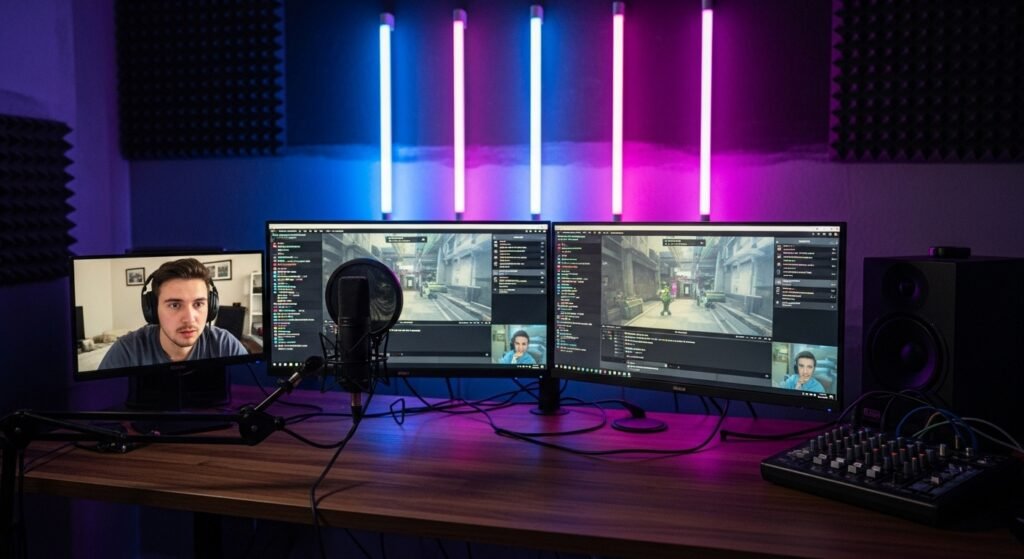
Ring lights, LED panels, and USB hubs form part of modern gaming setups. Generator power irregularities damage drivers and controllers inside lighting gear. Flicker and premature failure follow. Stream quality drops when visual consistency disappears mid broadcast.