
The incident began with a routine climb across a frozen range. Weather shifted fast, visibility dropped, and contact stopped. Search teams faced wide terrain and limited time. A single image later changed direction. Artificial intelligence reviewed aerial data and flagged a faint red pixel against white snow. Similar logic guides modern video games, where small visual signals guide player decisions under pressure.
The problem search teams faced

Mountain rescue teams scanned thousands of images from drones and satellites. Human review moved slowly due to scale and fatigue. Snow glare masked visual cues. Traditional methods relied on grid searches and experience. Time pressure increased risk. A faster method for isolating anomalies across massive visual fields became necessary.
Why a red pixel mattered
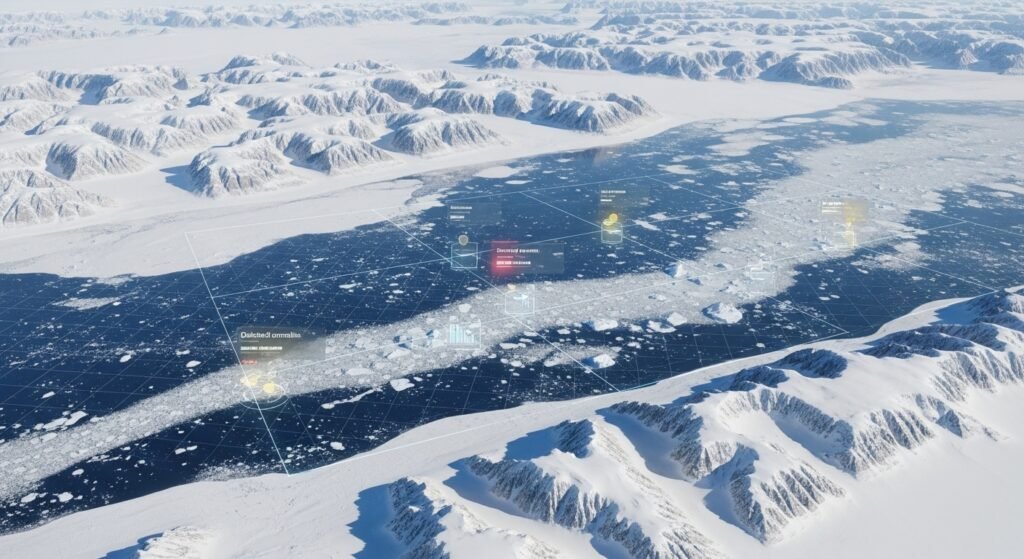
The red pixel came from a piece of gear visible from altitude. Human eyes overlooked the signal due to contrast loss. Machine vision isolated color variance across frames. Pixel level analysis treated every image as data. This process resembled enemy spotting systems used in stealth games where minor color shifts reveal hidden targets.
How AI scanned the terrain
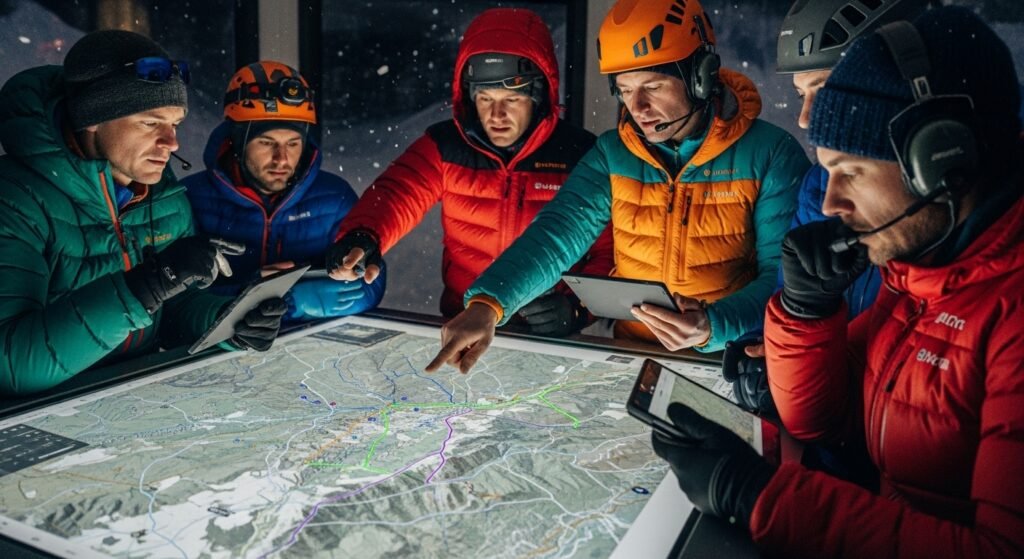
The system processed high resolution images frame by frame. Algorithms compared color distribution, edge patterns, and movement history. Areas lacking natural explanation gained priority. Automated filtering reduced search space from kilometers to meters. Such mechanics mirror fog of war removal in strategy games where unseen zones gain clarity through data.
Lessons borrowed from gaming design

Game engines train players to react to limited visual cues. Health bars, minimaps, and markers guide attention. Developers tune contrast and motion for fast recognition. The rescue system followed similar principles. Highlight anomalies, suppress noise, and guide focus. Gaming logic shaped real world perception tools.
Speed versus human endurance
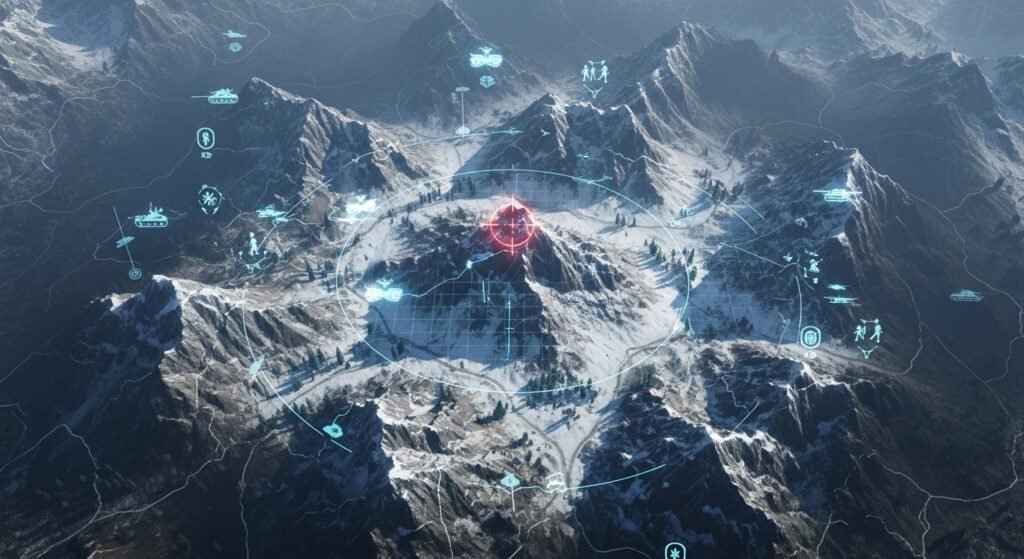
Manual review slows after hours of repetition. Cognitive drift increases error rates. Automated vision runs without fatigue. Search teams received ranked coordinates rather than raw imagery. This approach freed personnel for decision making and movement. Competitive gaming analytics use identical methods to track player actions across long sessions.
Risk reduction through automation
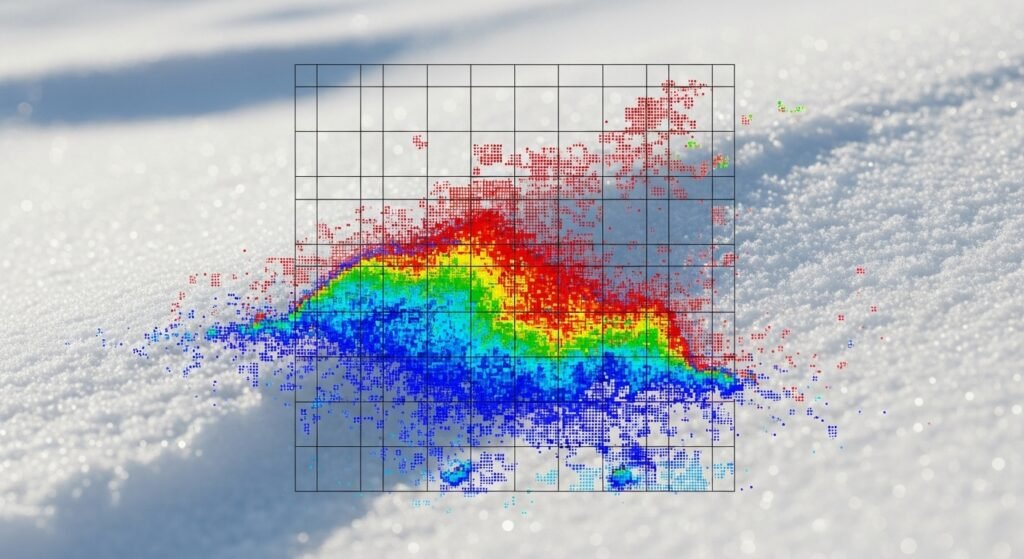
Terrain hazards limited ground access. Precise location data reduced exposure time. Rescue teams avoided unnecessary traversal. Fewer people entered dangerous zones. Artificial intelligence acted as an early filter rather than a decision authority. Tactical games follow this balance by offering hints without removing player control.
Data training and pattern memory
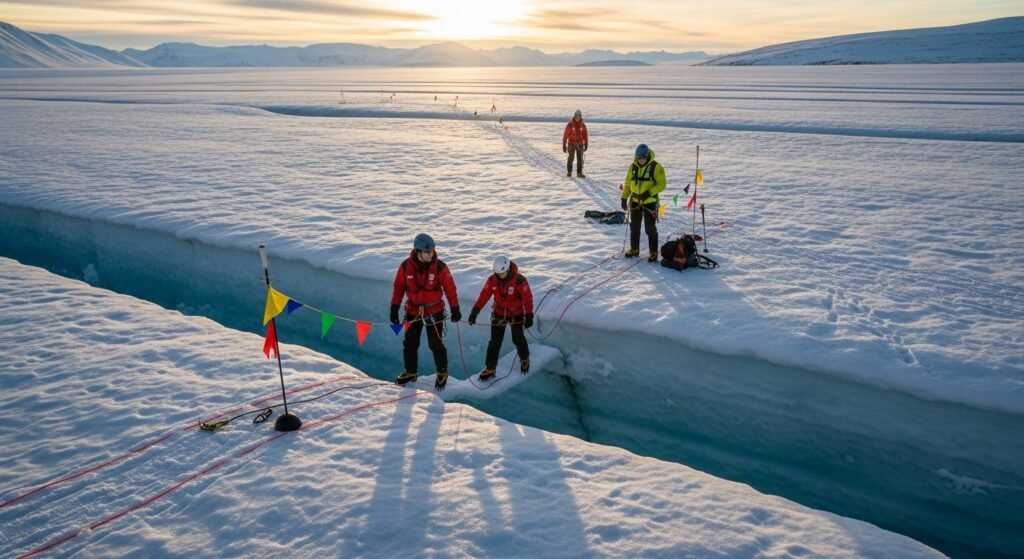
The system learned from prior rescue footage, outdoor imagery, and simulated environments. Pattern libraries improved recognition speed. Similar training occurs in racing games where tracks teach optimal paths over time. Repetition builds prediction accuracy. Visual memory strengthened performance under uncertain conditions.
Limits and safeguards
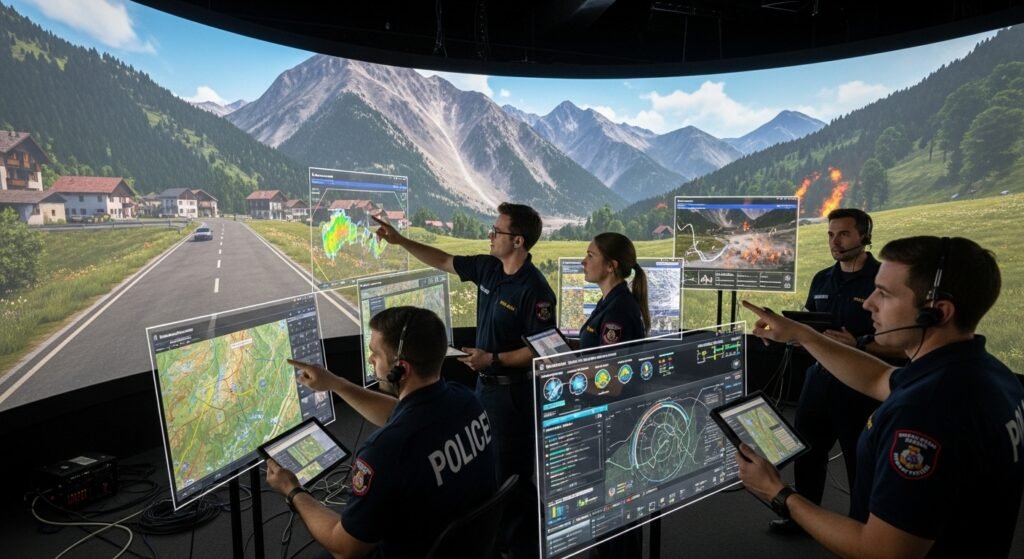
False positives remained possible. Color noise, equipment reflections, and terrain features produced misleading signals. Human validation followed every alert. Cross checks ensured accuracy. Games use similar safeguards through cooldowns and confirmation prompts. Automation supported judgment rather than replacing experience.
Future crossover between games and rescue tools

Game studios already build advanced visual engines. Rescue technology benefits from similar rendering, physics, and detection models. Shared research reduces development cost. Serious simulations train responders using familiar interfaces. Virtual environments prepare teams before real missions.
Why small signals matter
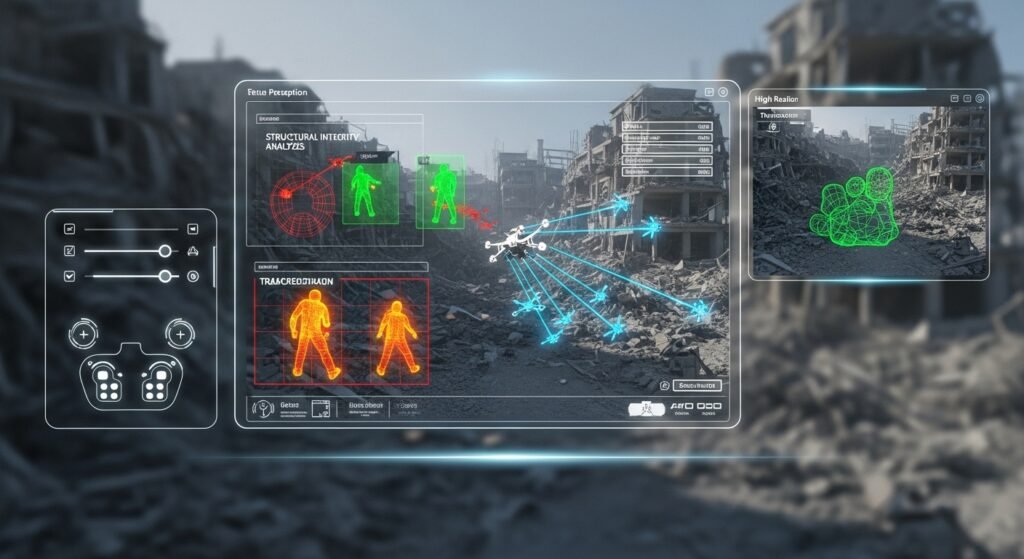
Large outcomes often depend on minor details. A single pixel shifted a search outcome. Attention systems designed for play supported survival. Games train pattern recognition under stress. Real environments reward the same skill set. Visual literacy gained from digital worlds continues to shape real decision making.