
The interest of America in artificial intelligence influences various sectors of the economy, with the game being one of the bright examples. Laboratories, startups, and studios spend significant money on the design, testing, and player protection systems based on machine learning. Such initiatives cast doubts on issues of fairness, control and long term effects. Gaming provides an efficient prism since the actions of players, monetization, and real time decision making reveal both weaknesses and strengths of the modern AI development.
Government Direction and Strategic Goals

The federal agencies provide a list of AI priorities through funding programs, research grants, and national strategies. Shared tools used in simulation, graphics optimization and behavior analysis are useful to gaming studios. The public sector objectives focus on remaining competitive in the world markets and promote growth of talents nationally. The language in policies is usually concerned with economic output and employment preparedness associated with digital entertainment industries.
Private Investment and Studio Adoption

Home multimedia giants and video game publishers spend billions annually on artificial intelligence research. In the gaming industry, machine learning is used in level design, testing automation and matchmaking systems. Such tools decrease development period and operating expenses. Smaller studios With adaptive gameplay and player personalization models Financial support comes via venture capital.
AI Driven Gameplay Design
Modern games rely on AI for non player character behavior and dynamic environments. Systems analyze player input patterns to adjust difficulty and pacing. This approach increases engagement across skill levels. Developers use data from live games to refine balance updates, which leads to measurable increases in session length and retention metrics.
Ethical Design in Player Interaction
AI use inside games raises ethical questions around manipulation and fairness. Adaptive systems influence spending habits through personalized offers and rewards. Studios face pressure to limit exploitative design practices. Clear disclosure policies and internal review boards serve as safeguards to maintain player trust and long term brand value.
Data Privacy and Player Protection

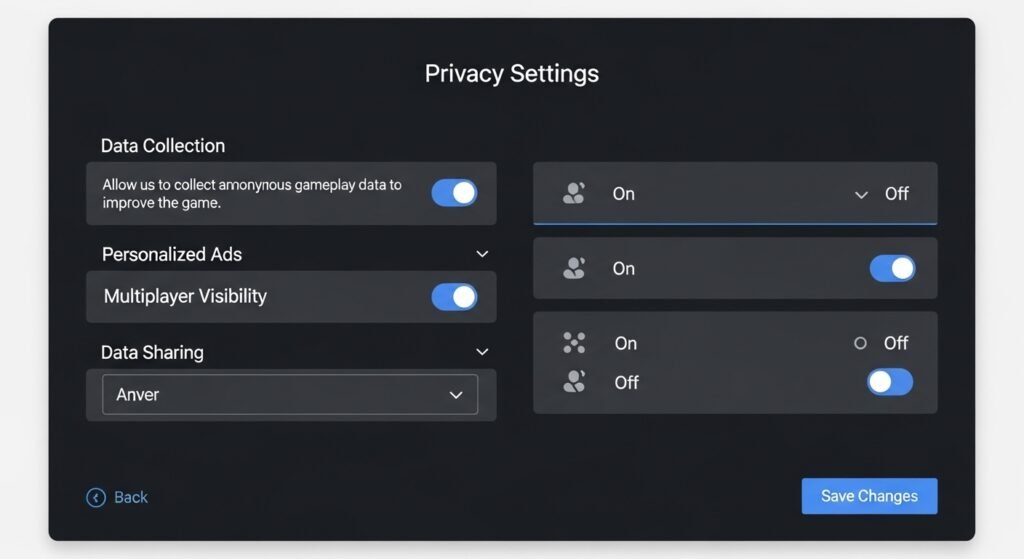
Gaming platforms collect large volumes of behavioral data for AI training. Data governance standards play a critical role in protecting player identity. Regulations such as state privacy laws influence storage and usage policies. Strong anonymization practices reduce risk while still allowing analytics teams to study performance trends.
Bias and Fairness in Algorithms

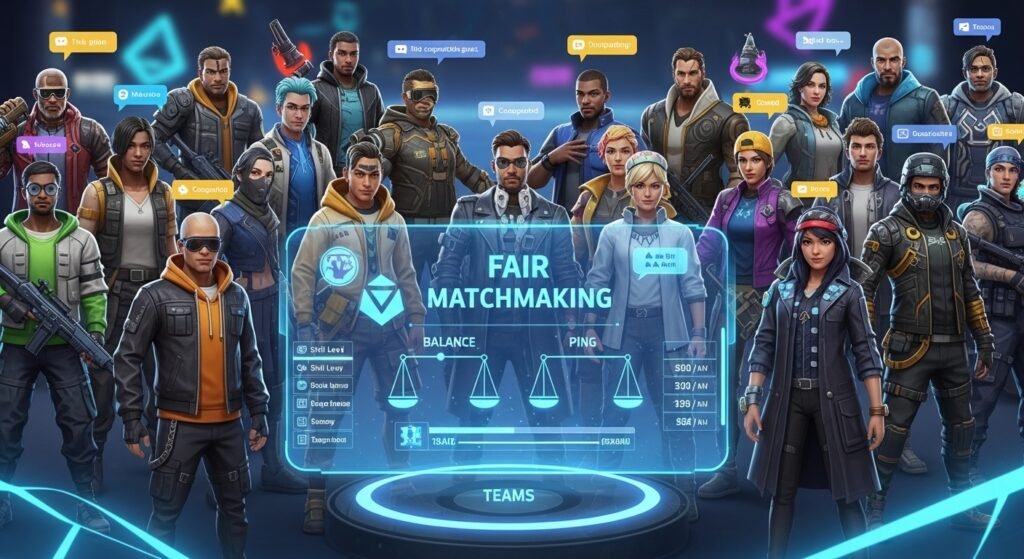
AI models reflect training data quality. In gaming, biased datasets affect matchmaking outcomes and moderation tools. Certain player groups face higher false positive rates in automated enforcement systems. Developers address this issue through diversified training samples and regular audits tied to measurable fairness benchmarks.
AI in Competitive Gaming and Esports

Esports organizations use AI for performance analysis and strategy planning. Systems review match footage to identify positioning errors and timing inefficiencies. These insights support coaching decisions and training schedules. Competitive integrity requires limits on real time assistance during live matches to preserve fair competition standards.
Workforce Impact Inside Game Development

AI tools reshape job roles across game studios. Quality assurance teams shift toward oversight of automated testing pipelines. Designers focus more on creative direction rather than manual tuning. Workforce training programs emphasize data literacy and system supervision to align skills with evolving production workflows.
Future Policy and Industry Alignment

Ongoing collaboration between regulators and game companies shapes future AI use. Industry groups propose shared standards for transparency and safety. Gaming serves as a testing ground for broader AI governance approaches. Lessons from player engagement and content moderation inform policy debates across digital platforms.