
Public opinion in the United States shows mixed confidence toward artificial intelligence. Gaming culture offers a clear view of these attitudes. Video games already rely on automated systems for matchmaking, moderation, and non player behavior. Surveys from Pew Research Center report nearly sixty percent of adults express concern about technology influence on daily decisions. Gaming communities reflect similar views, combining acceptance with caution shaped by fairness, control, and transparency.
Trust Forms Through Daily Game Interaction

In normal playing, the American players are exposed to artificial intelligence. Examples are adaptive difficulty systems and automated matchmaking. According to a report by the Entertainment Software Association (2023), more than seventy percent of players use these systems weekly. Familiarity can be achieved through repeated exposure. When systems are predictable and skill is rewarded and not some secret benefit, familiarity will promote confidence.
Fair Play Drives Acceptance
Competitive gaming highlights trust issues quickly. Players support automated referees, cheat detection, and ranking systems when outcomes feel earned. Data from major multiplayer titles shows reduced player drop off after anti cheating tools improved accuracy. Perceived fairness shapes acceptance more strongly than technical complexity or brand reputation.
Concerns Over Control and Autonomy

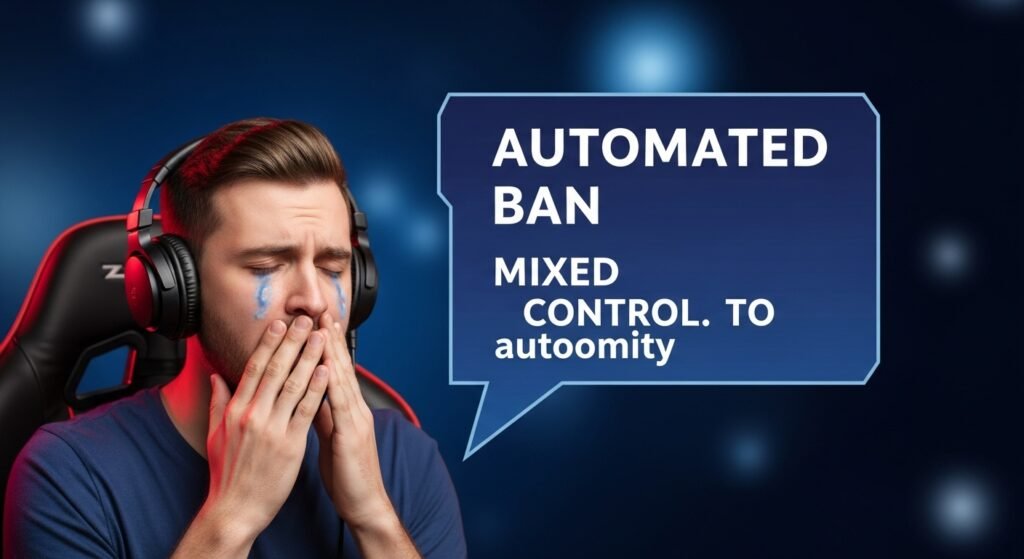
Many Americans express discomfort when systems make choices without human input. In gaming, this appears during automated bans or behavior scoring. A 2024 YouGov poll reported forty eight percent of respondents worry about loss of user control in digital platforms. Gamers echo similar concerns when appeal processes lack human review.
Transparency Improves Confidence

Clear explanations improve player comfort. Games which explain matchmaking logic or difficulty adjustments receive higher satisfaction ratings. Blizzard user surveys showed increased trust after published system updates described algorithm changes. Openness reduces suspicion and prevents rumors within online communities.
Data Privacy Shapes Opinion
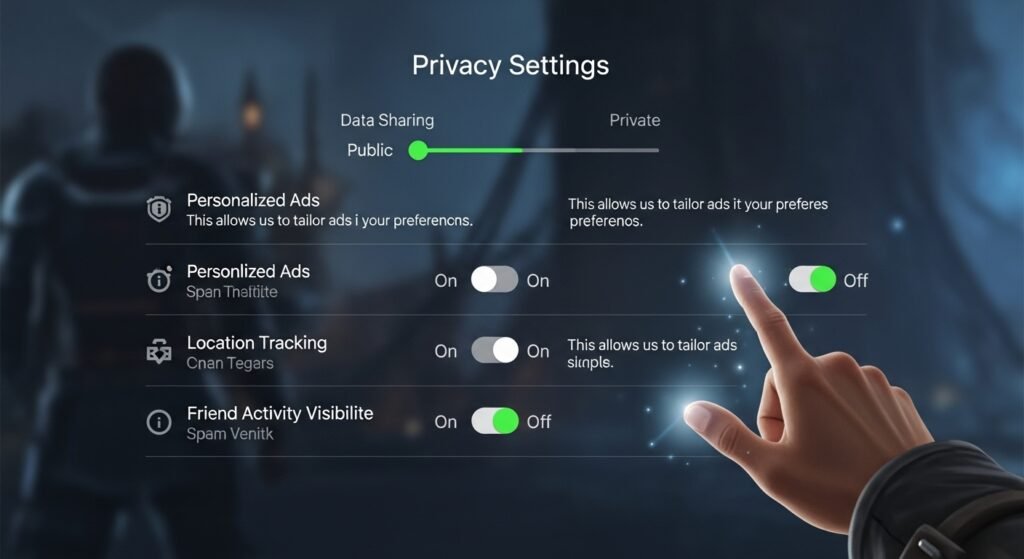
Artificial intelligence relies on player data. Americans show sensitivity toward data use across digital services. Gaming follows the same pattern. Titles which collect voice or behavioral data face scrutiny. Federal Trade Commission studies show higher trust scores for platforms with visible privacy settings and opt out options.
Age Differences Influence Trust

Younger players show higher comfort levels. Players under thirty report fewer concerns regarding automated systems. Older demographics express stronger reservations. ESA demographic reports indicate acceptance rates drop by nearly twenty percent among players over forty. Experience with traditional game design influences expectations.
Single Player Versus Multiplayer Views

Single player environments generate fewer trust issues. Artificial intelligence enhances storytelling and opponent behavior. Multiplayer environments raise stakes due to ranking and social impact. Trust declines when systems affect rewards or penalties shared across communities.
Esports Raises Accountability Standards

Professional gaming demands accuracy. Tournament organizers rely on artificial intelligence for officiating and analytics. Errors receive public attention. A single system failure during a major event often triggers policy revisions. Accountability expectations rise with financial incentives and audience size.
Media Narratives Affect Player Beliefs

News coverage influences perception. Headlines focusing on automation replacing human roles increase anxiety. Gaming media outlets shape expectations through patch analysis and system breakdowns. Balanced reporting correlates with calmer community response during system changes.
Future Trust Depends on Design Choices

American trust trends suggest gradual acceptance through responsible design. Gaming serves as a testing ground for broader technology adoption. Systems prioritizing fairness, clarity, and user choice earn stronger approval. Player feedback loops remain central to sustained confidence across digital entertainment.