AI is no longer a far-fetched dream that can only be discussed by technology gurus. It is operating in the background quietly redefining the meaning of work and transforming industries. On the one hand, AI will be efficient, fast, and innovative, on the other, it is going to cast some very grave doubts on the security of jobs and the future of human labour. Algorithms are replacing people doing jobs, whether at their offices or factories, and people are not always paying much attention. The change is not only regarding technology taking the jobs, but regarding the ways the work is being redesigned. It is necessary to know what goes on behind the curtain more than ever.
Automation in Daily Work
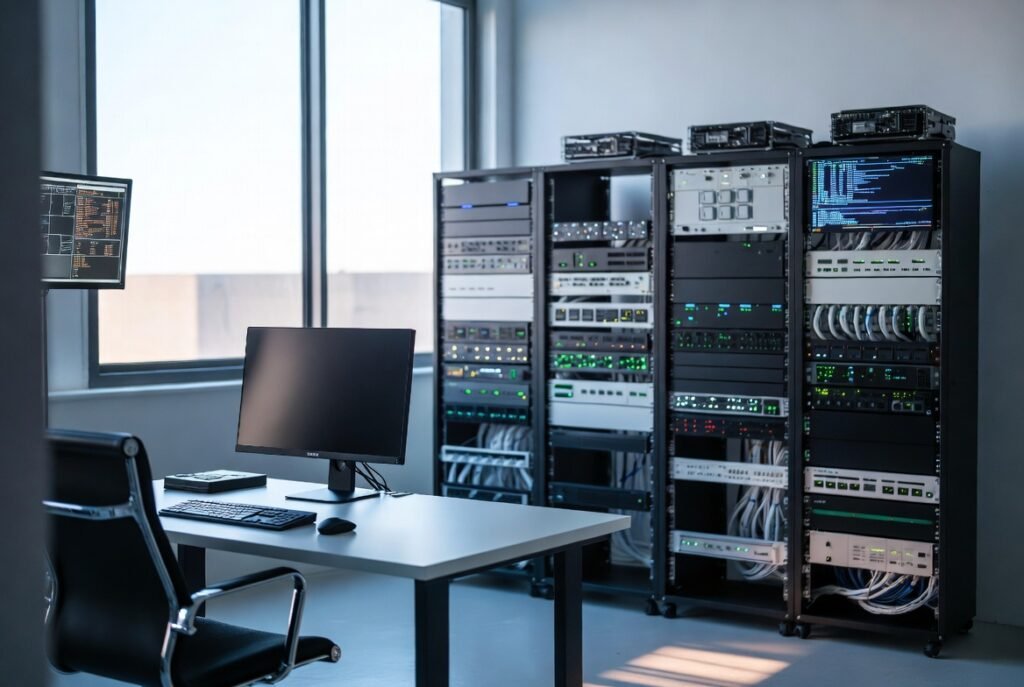
Repetitive and time-consuming jobs in industries are being performed by AI-based automation. Machines now do the work of data entry, scheduling and basic analysis enabling businesses to operate at a higher speed and minimise reliance on human labour.
White-Collar Roles Affected

Job replacement is not confined to manual labour anymore. AI tools have the capability of writing reports, examining contracts or even helping to make a decision, which affects functions in finance, law, marketing and administration.
Factories Without Fatigue
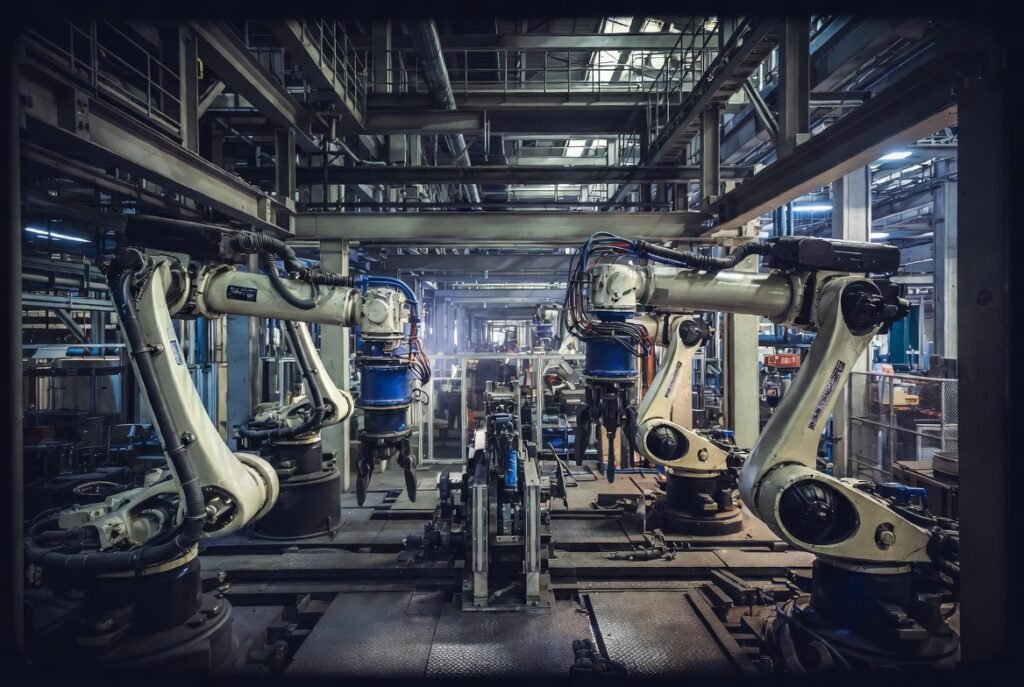
Within the manufacturing industry, machines that are powered by AI do not take pauses. They enhance accuracy, minimize mistakes, and minimize expenses, and human workers are not so central in production lines.
Speed Over Experience
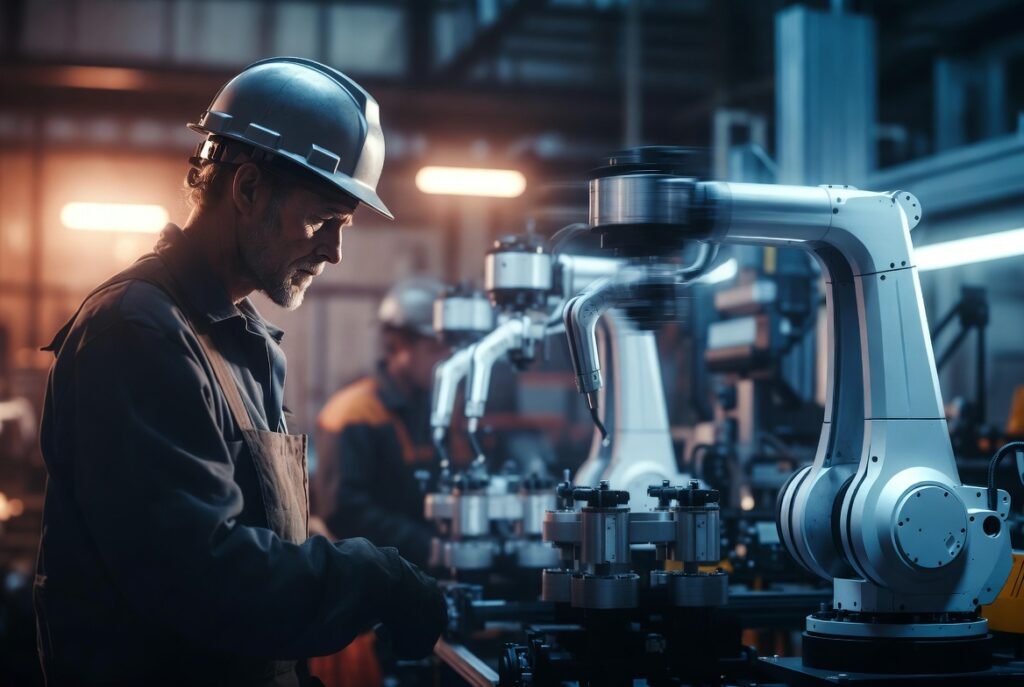
Names AI systems can quickly learn with large amounts of data and usually are faster and more consistent than human employees. This transition places importance on efficiency and not human experience over the years.
Hiring Fewer, Expecting More
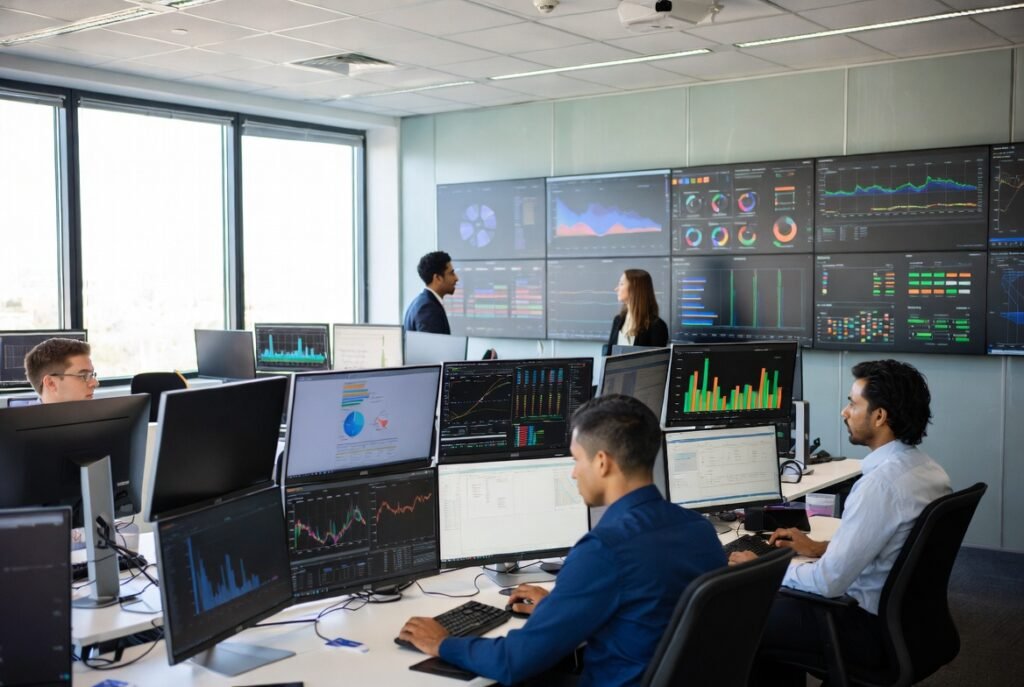
With AI taking over workforce in some areas, firms are downsizing their workforce and require the remaining staff to handle AI machines. Jobs are not necessarily vanishing, they are being redefined.
The Rise of Invisible Labor
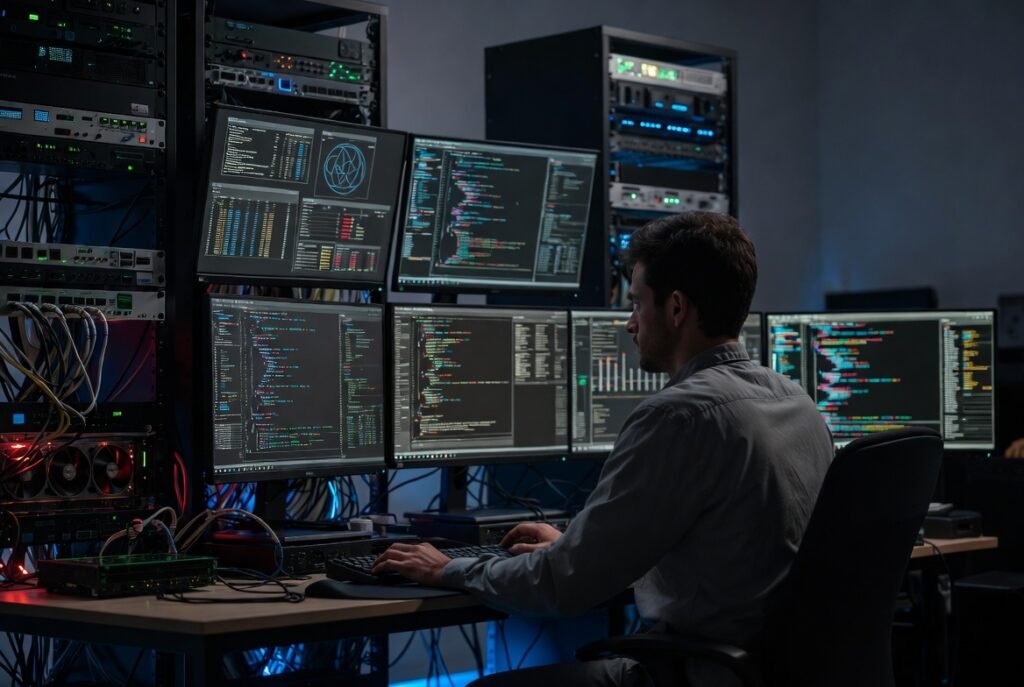
Most AI systems are based on low levels of human supervision which is not noticeable. This introduces new work arrangements of non-planarity, human beings assisting machines, as opposed to the reverse.
Skills Losing Relevance
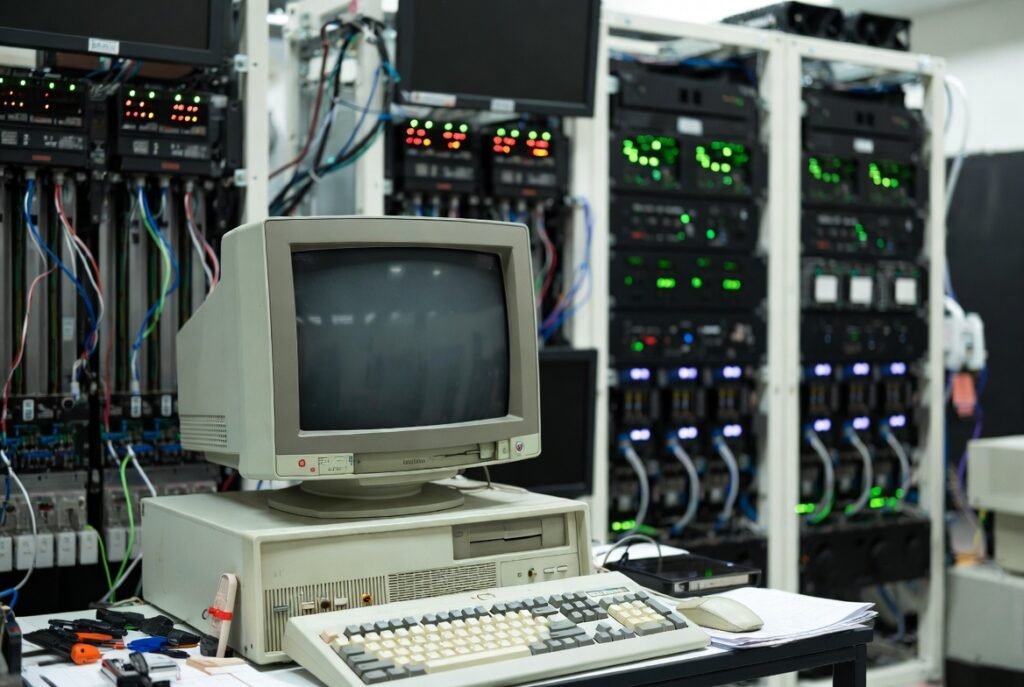
The conventional skills are being phased out sooner than ever. Jobs that have been taken as a reliable foundation of a career are now automated and workers are obliged to evolve constantly.
New Jobs, New Pressure

Although AI will provide new jobs, the jobs are usually highly technical. Change may be a hard process and many workers find it hard to cope with the change.
Economic Effectiveness vs. Humanity
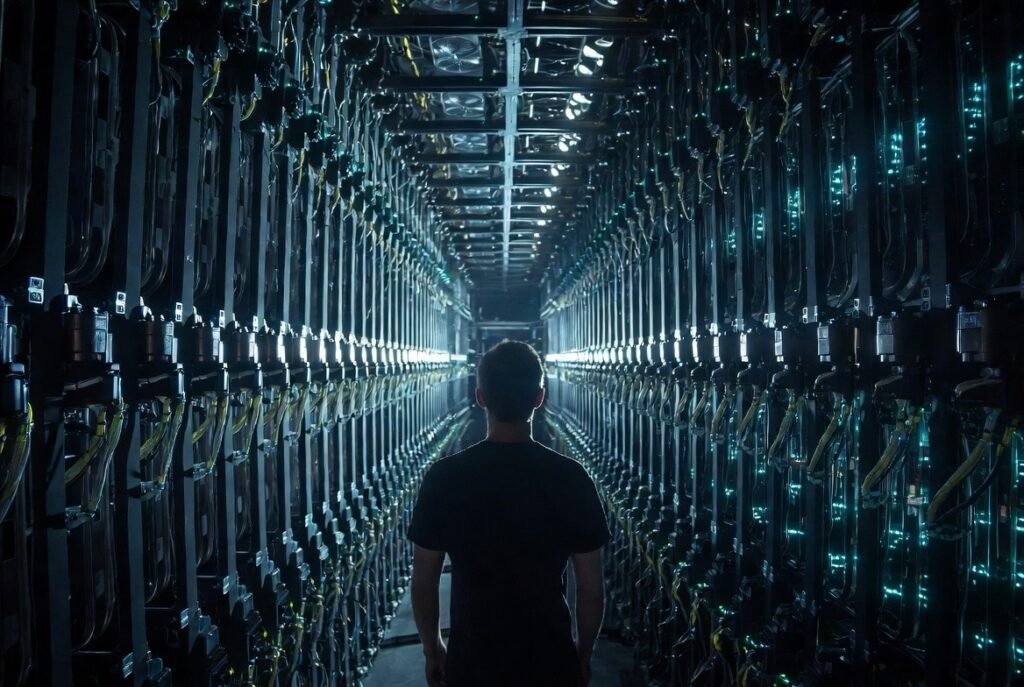
There is a low cost and high productivity in business, but the human factor counts a lot. Displacement will cause uncertainty and stress as well as inequality.
Religious of the Meaning of Work.

The AI is making the society redefine the concept of work. The increasing value of innovation, emotional, and moral judgment is due to the fact that machines are replacing mindless jobs.