
Artificial intelligence is now present in our daily experience, both with smart assistants and at work, although not all people use it equally. In most studies and surveys, it is also common to find that women are less likely or reluctant to use AI tools as much as men. This disconnect is one based not on capability or willingness, but on access, design, trust and representation. Some women use AI every day without even noticing it, whereas some are aware of it and willingly evade it because it is a real issue to them. The reason behind this gap can assist in exposing the bigger questions of technology, access, and the manufacturing of digital technologies. It is not about why women are not able to use AI but why so many of them do not think that it is designed to fit them.
Lack of Representation

Most AI applications are developed and marketed by male-dominated teams. The technology may appear remote or unfamiliar when it does not resemble women in any way in terms of development or marketing.
Trust and Privacy Concerns
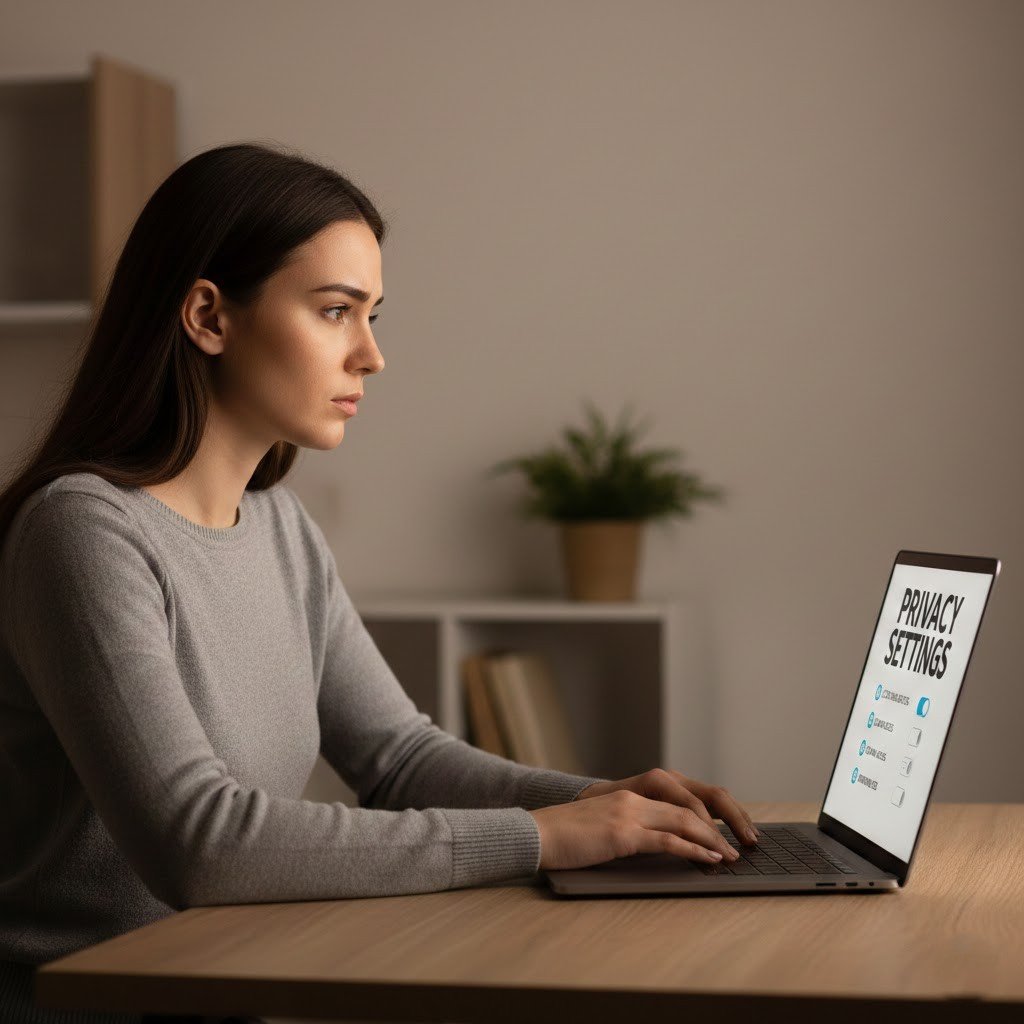
Women tend to be more protective of privacy of data. Artificial intelligence capable of gathering personal data may be invasive, particularly when it is unclear how this information is used.
Bias in AI Systems
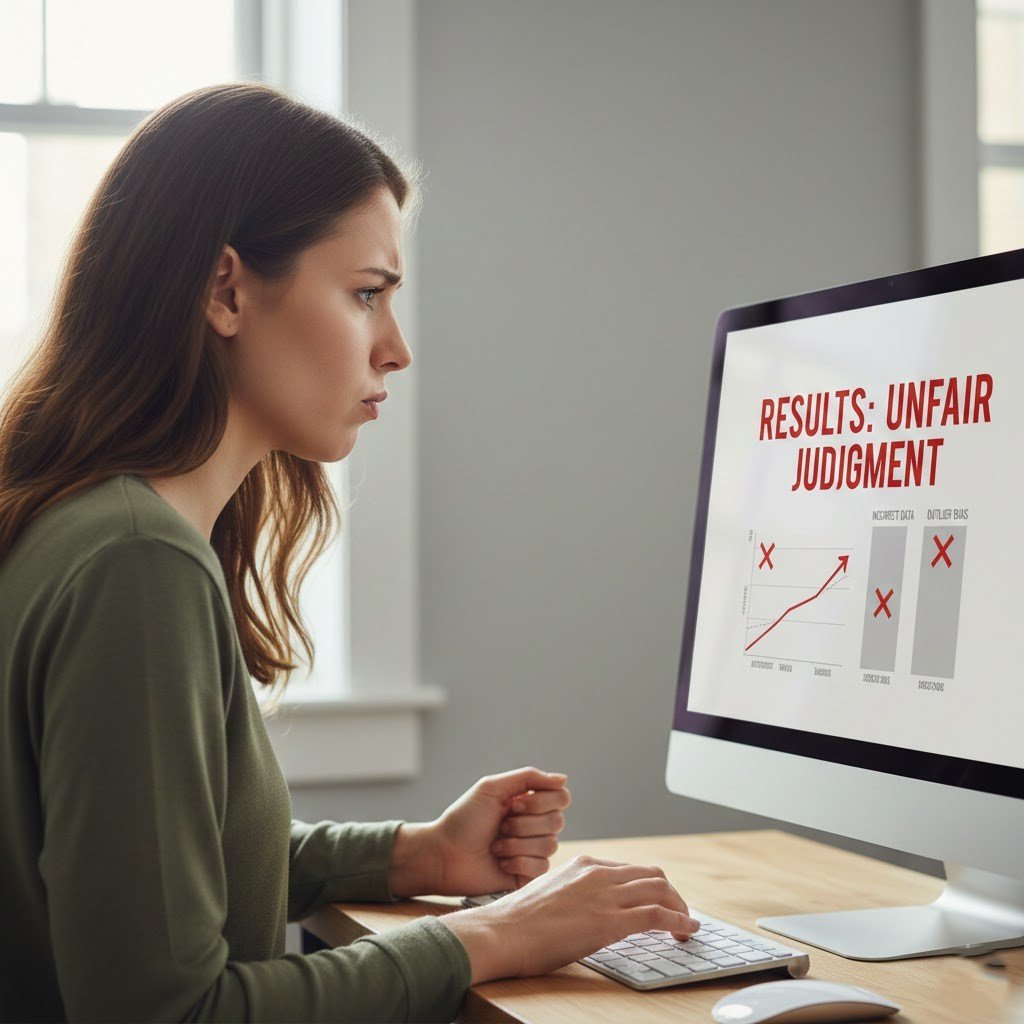
The output of AIs has been known to be biased in some areas, but well documented, thus leaving some women skeptical. In cases where systems are reinforcing stereotypes or when they generate unfair outcomes, the trust in the technology declines.
Not Feeling Targeted

Numerous AI products are being sold to productivity, coding or finance in a manner that does not necessarily correspond to how women prioritize or frame their needs, though the tools may still prove helpful.
Fear of Getting It Wrong

Women have higher chances of being underconfident with their technical ability. In case AI tools seem complicated and potentially too technical, they can be shunned.
Workplace Culture

The use of AI in certain workplaces is promoted unfairly. Experiments can be encouraged to men, whereas women are supposed to follow the time-tested approaches.
Unavailability of Training Opportunities

AI education does not have equal access. Most women do not have a convenient point of entry without easy, inviting paths to learning.
Emotional Labor Gap

Women already have to deal with a lot of emotional and organizational work. Acquisition of new tools may seem like a lost burden instead of an added value.
AI Feels Impersonal

Human centered interaction is appreciated by some women. Artificial intelligence that is cold, transactional, or too automated might not be emotionally attractive.
Adoption Is Quietly Growing

Although this is the case, women are starting to make use of AI in healthcare, education, creativity and small enterprises. The usage might appear to be different, but it is steadily increasing.