
Artificial intelligence tools now appear across classrooms, homework platforms, and learning games. Many systems promise faster grading and adaptive lessons. A growing body of research shows measurable downsides. Learning relies on effort, feedback, and struggle. Automated systems reduce those elements. The result mirrors low effort gaming loops where progress occurs without skill growth. Long term academic and social costs deserve serious attention.
Overreliance reduces cognitive effort
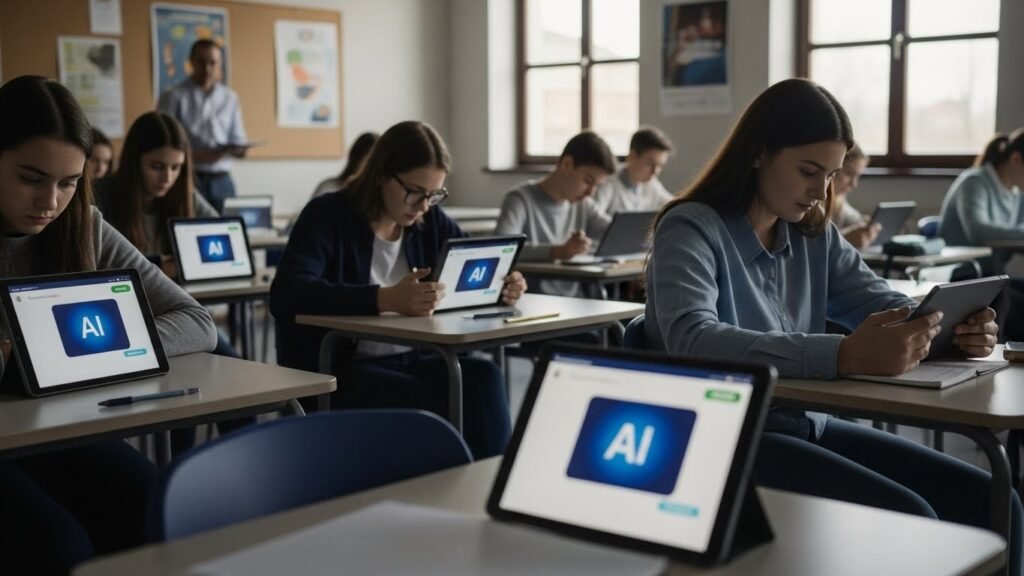
AI systems provide instant answers and suggestions. Students stop practicing recall and reasoning. Studies on learning science show deeper retention follows effortful thinking. When software fills gaps automatically, mental workload drops. Similar patterns appear in games with excessive auto play features. Skill growth slows when challenge disappears.
Erosion of foundational skills

Writing assistants and problem solvers perform tasks once handled by students. Grammar, arithmetic, and logical sequencing receive less repetition. Longitudinal education research links repetition with mastery. Gaming research shows parallel effects when aim assist replaces manual control. Core skills weaken through disuse.
Assessment accuracy declines

Automated tools blur authorship. Teachers struggle to identify real understanding. Grades lose meaning when machine output enters submissions. Education systems rely on assessment signals for support decisions. Competitive gaming faced similar issues with bot usage. Rankings lost credibility until strict controls emerged.
Equity gaps widen

Access to advanced AI tools varies by income and school funding. Students with premium tools gain unfair advantages. Others fall behind without clear fault. Education equity depends on equal conditions. Gaming communities show similar stratification when paid tools alter performance outcomes.
Data privacy risks grow
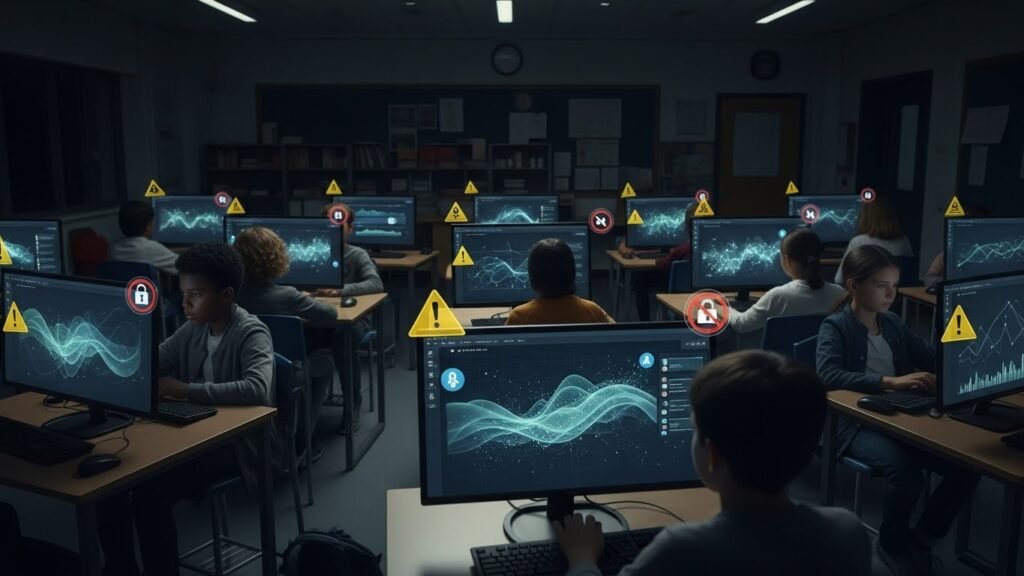
School based AI systems collect large volumes of personal data. Minors lack informed consent power. Data breaches expose academic records and behavioral patterns. Gaming platforms faced regulatory scrutiny after similar data practices. Schools hold higher ethical responsibility due to age and authority imbalance.
Teacher authority weakens

Instruction shifts toward system recommendations. Professional judgment loses weight. Teachers become monitors rather than educators. Classroom culture changes. Research on game moderation shows authority erosion reduces rule adherence. Learning environments suffer similar discipline and trust declines.
Creativity narrows

Generative tools favor common patterns and average outputs. Student work begins to look uniform. Original thinking declines. Creativity research links novelty with constraint navigation. Games with predefined optimal builds show reduced experimentation. Education faces the same flattening effect.
Motivation becomes extrinsic

AI driven rewards emphasize completion speed and surface metrics. Intrinsic motivation declines. Self determination theory links autonomy with sustained engagement. Many mobile games rely on shallow reward loops. Learning environments risk copying those structures with similar burnout results.
Dependence forms early
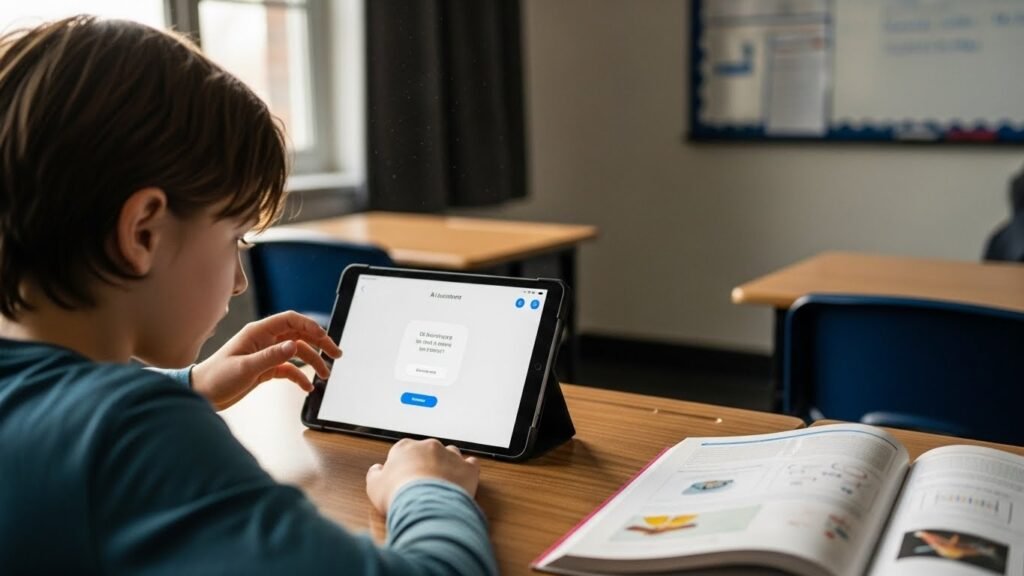
Habit formation occurs quickly during childhood and adolescence. Regular AI assistance builds reliance. Independent problem solving weakens. Behavioral studies show early automation reliance predicts lower resilience. Gaming addiction research highlights comparable dependency patterns tied to early exposure.
Long term academic integrity concerns

Normalization of AI assistance reshapes norms. Students view machine help as default. Ethical boundaries blur. Academic integrity frameworks struggle to adapt. Competitive gaming required strict rule enforcement after automation spread. Schools face similar enforcement challenges without clear solutions.
Reduced social learning

Peer collaboration declines when AI mediates tasks. Discussion and debate shrink. Social learning theory emphasizes shared problem solving. Multiplayer games without voice or teamwork show lower community cohesion. Classrooms experience parallel isolation effects.