
Public resistance toward artificial intelligence in the United States shows strong links to gaming culture. Games often serve as first contact points with automation, decision systems, and adaptive software. Players observe design shifts, monetization changes, and skill valuation impacts. These experiences shape broader attitudes. Distrust grows from daily interaction rather than abstract theory. Gaming communities provide visible examples of where frustration forms and spreads.
Loss of Player Skill Recognition
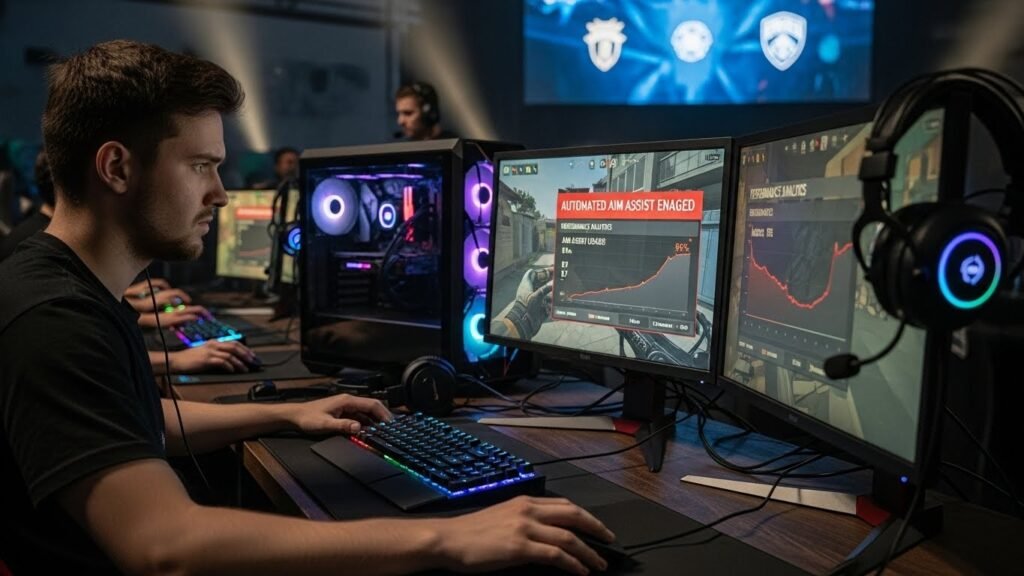
Many American players view A.I. as a system reducing recognition of human skill. In competitive games, automated aiming tools, matchmaking logic, and adaptive difficulty lower the value of practice. Data from esports surveys shows players associate fairness with manual mastery. When software intervenes, achievement feels diluted, leading to resentment.
Fear of Creative Control Loss

Game modders and independent developers often resist A.I. tools due to perceived erosion of creative control. Procedural generation and automated asset creation shorten development cycles. Studios then favor efficiency over originality. Developers report fewer opportunities for experimentation, which fuels concern about creative identity inside gaming ecosystems.
Suspicion Shaped by Monetization Models

American gamers show strong awareness of monetization systems. A.I. driven pricing, loot distribution, and engagement tracking feel manipulative. Industry reports confirm adaptive systems increase spending duration. Players interpret these systems as engineered pressure rather than entertainment design, reinforcing distrust toward the underlying technology.
Job Security Anxiety in Game Development

Game testing, asset design, and customer support roles face automation pressure. Employment data from technology unions shows rising concern inside creative industries. Gaming communities often include developers and testers. Personal exposure to job displacement narratives strengthens negative attitudes toward artificial intelligence adoption.
Competitive Integrity Concerns
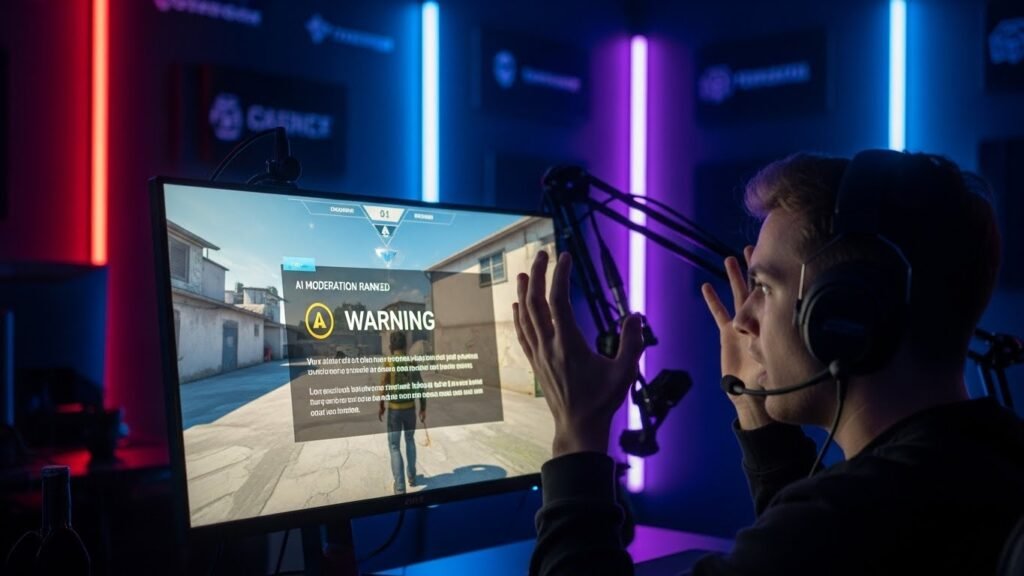
Ranked multiplayer environments depend on trust. A.I. driven anti cheating tools, moderation bots, and performance adjustments sometimes misjudge player behavior. False penalties damage confidence. Players share these incidents widely. Community memory amplifies negative impressions faster than positive corrections.
Cultural Emphasis on Human Agency

American gaming culture values individual agency and decision making. Artificial intelligence systems guide pacing, narrative outcomes, and player behavior. When software directs outcomes, players perceive reduced autonomy. Studies on player motivation show autonomy as a core satisfaction driver. Loss of agency leads to frustration.
Media Influence Through Gaming Narratives

Games often portray artificial intelligence as antagonistic forces or manipulative systems. Storylines frame automated entities as threats to freedom or identity. Repeated exposure reinforces skepticism. Narrative framing influences perception beyond entertainment, shaping emotional responses to real world technologies.
Transparency Gaps in A.I. Systems

Players demand clarity around mechanics. A.I. systems operate through hidden rules and data models. Lack of explanation fuels speculation. Game forums show higher backlash when developers fail to explain adaptive systems. Transparency gaps create distrust faster than technical flaws.
Performance Anxiety Among Casual Players

Adaptive difficulty systems adjust challenge levels silently. Casual players sense performance manipulation. Progress feels artificial rather than earned. Surveys indicate reduced satisfaction when difficulty adjusts without disclosure. This experience shapes broader skepticism toward artificial intelligence fairness.
Community Amplification Effects

Gaming communities amplify sentiment quickly. Streamers, forums, and social platforms spread negative experiences at scale. One visible failure shapes perception more than many quiet successes. Cultural memory within gaming spaces sustains long term resistance toward artificial intelligence adoption.