During 2025, artificial intelligence shifted how pop culture formed, spread, and stayed relevant. Gaming culture played a central role in this shift, since games influence music, film, fashion, and online behavior. Developers, creators, and audiences adjusted habits based on algorithm driven systems. This article explains ten specific changes tied closely to gaming culture, focusing on observable outcomes, measurable engagement patterns, and clear examples from entertainment platforms and player communities.
AI Generated Game Characters Entered Mainstream Culture
AI assisted character design reduced development cycles for major game studios. Procedural personality systems produced characters with adaptive dialogue and behavior. Streamers shared these characters across platforms, leading to meme creation and fan art trends. Such exposure pushed game characters into wider pop culture spaces like music videos and digital merchandise.
Streaming Content Shifted Toward AI Enhanced Play
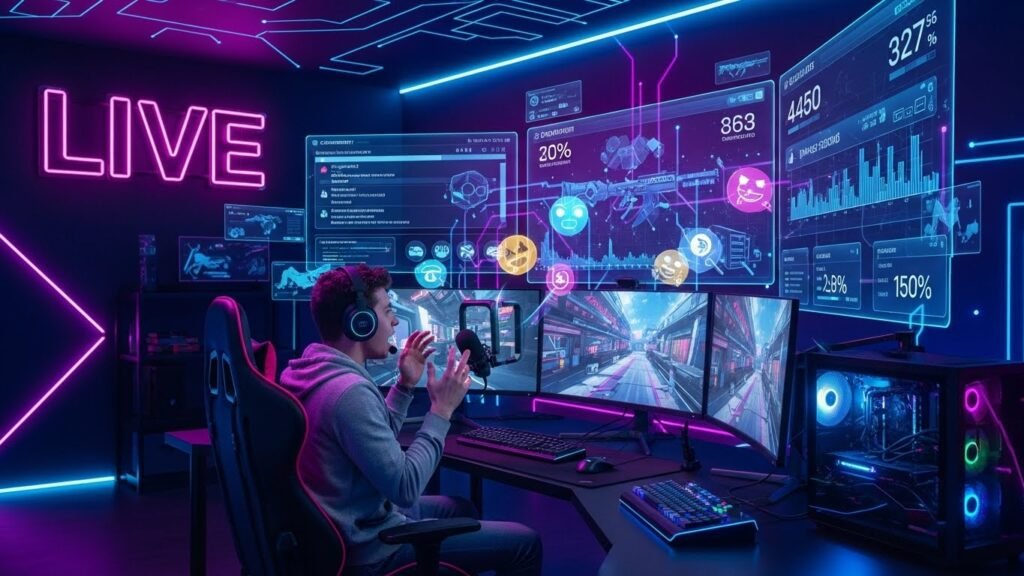
Streaming platforms promoted creators using AI tools for overlays, commentary, and audience interaction. Real time voice synthesis allowed creators to maintain continuous engagement. Viewer retention improved across gaming streams using these tools. Pop culture adopted streamer catchphrases and visual styles shaped by algorithmic feedback loops.
Game Music Influenced Charts Through AI Composition
AI generated soundtracks supported indie and mobile games during 2025. Short loop based tracks spread through social media clips. Gaming audiences reused these tracks for non gaming videos. Music charts reflected this shift, with multiple trending sounds originating from game engines rather than traditional studios.
Virtual Influencers Emerged From Gaming Engines
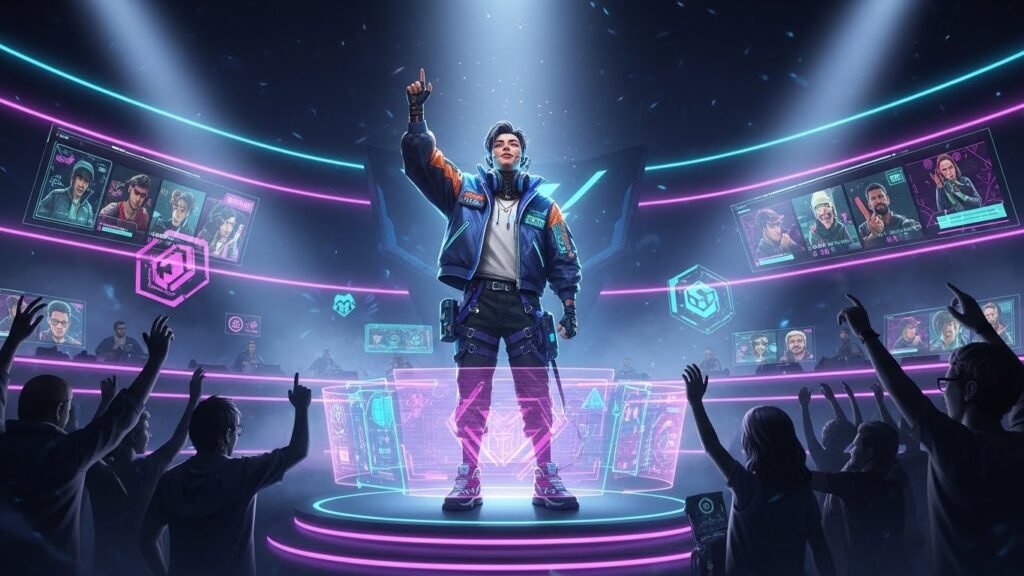
Game engines produced virtual influencers with AI driven personalities. These figures hosted esports events and brand promotions. Youth audiences followed these personas across platforms. Pop culture absorbed fashion styles and speech patterns introduced by gaming based virtual figures, especially within online communities focused on competitive play.
Esports Narratives Became Scripted Through AI Tools
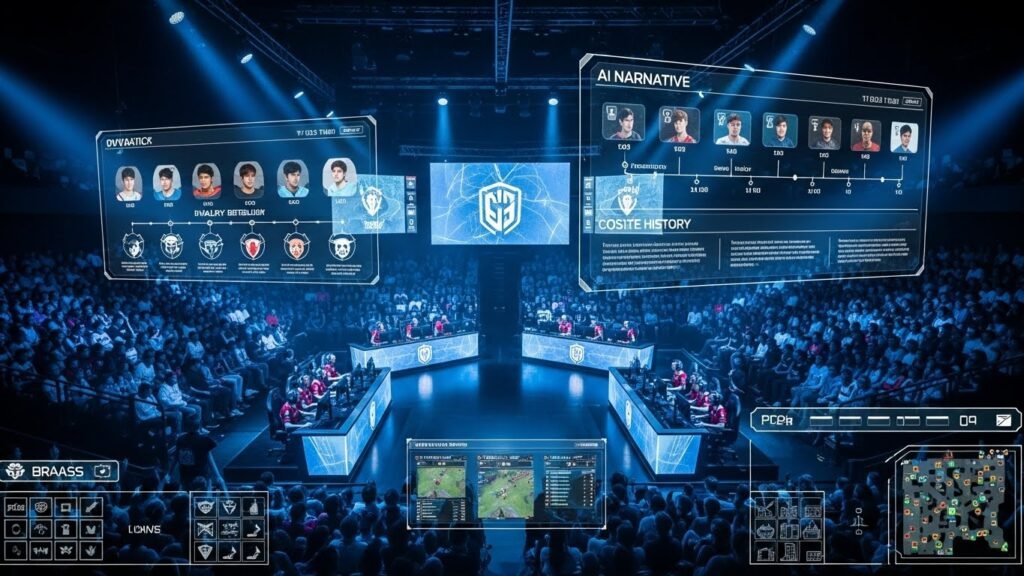
AI narrative systems shaped match storytelling in esports broadcasts. Automated highlight selection emphasized rivalry arcs and player history. Viewer engagement metrics improved during tournaments using these systems. Pop culture discussions adopted esports storylines similar to serialized entertainment, driven largely by competitive gaming audiences.
Fan Creations Expanded Through AI Modding Tools
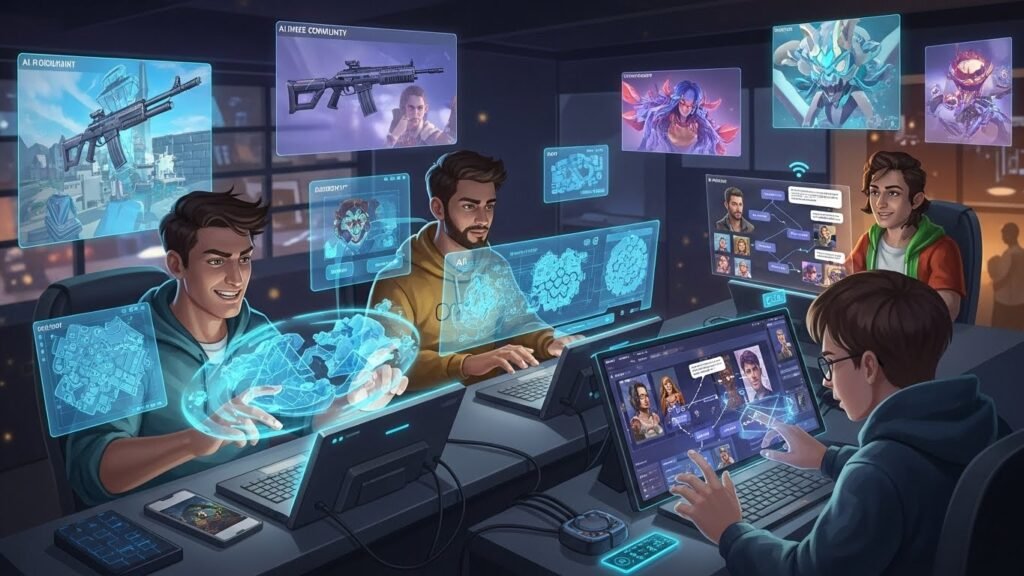
AI modding tools lowered technical barriers for fan creators. Players produced custom maps, skins, and storylines faster. Community sharing accelerated trend cycles within gaming spaces. Pop culture borrowed visual styles and slang from these fan driven ecosystems, spreading beyond gaming platforms.
Gaming Memes Evolved Faster Through Generative Systems
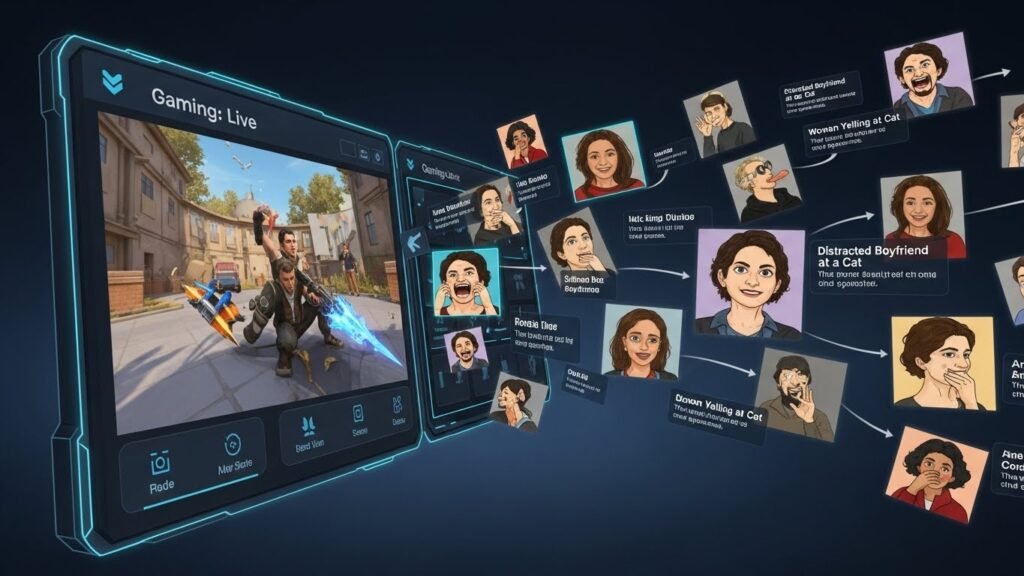
Generative systems produced meme templates based on live gameplay moments. Social platforms amplified these outputs within minutes. Gaming humor shaped broader internet culture through repetition and remixing. Audience recognition of game references increased, linking pop culture identity more closely with gaming literacy.
Adaptive Story Games Changed Audience Expectations
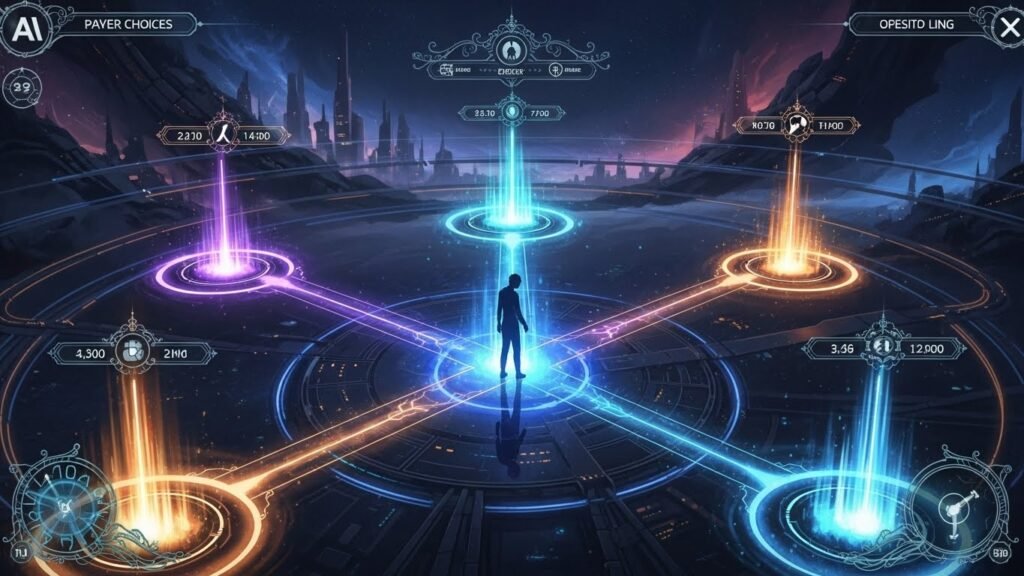
Adaptive story games responded to player behavior using AI analysis. Each play session delivered distinct outcomes. Audiences began expecting personalized narratives across entertainment. Film and series marketing adopted similar language. Gaming culture led this expectation shift through repeated exposure to reactive storytelling systems.
Fashion Trends Reflected Game Based AI Design
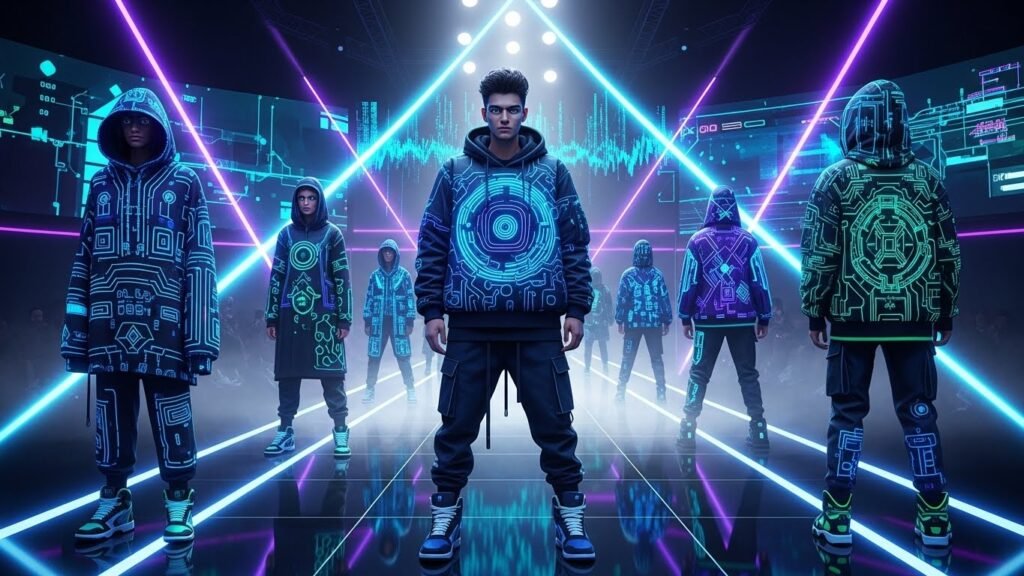
AI designed skins influenced streetwear aesthetics during 2025. Clothing brands referenced popular game visuals in limited releases. Gaming events served as fashion showcases. Pop culture adoption followed gamer led trends shaped by algorithmic design choices and player preference data.
Audience Language Shifted Through AI Moderation Systems
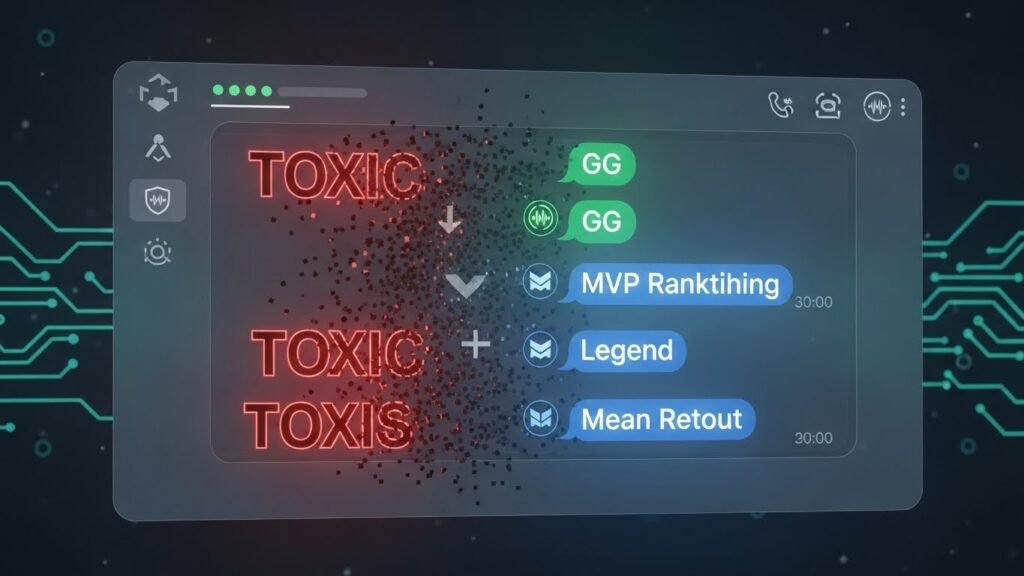
AI moderation altered online gaming communication norms. Toxic behavior declined in monitored spaces. New slang emerged around system feedback and rankings. These language patterns crossed into wider digital culture. Gaming communities acted as testing grounds for communication shaped by automated governance systems.